Matching skills Normal Math Worksheets for 6-Year-Olds
6 filtered results
-
From - To
Boost your 6-year-old’s mathematical prowess with our Matching Skills Normal Math Worksheets! Designed to combine fun and learning, these printables help young learners enhance essential math skills through engaging matching exercises. Children will develop their understanding of number patterns, shapes, and foundational arithmetic. Our worksheets are crafted to ensure an enjoyable and interactive educational experience, fostering both confidence and competence in mathematics. Perfect for parents and educators, these worksheets provide a solid groundwork for future math success. Visit Kids Academy to explore our wide range of expertly designed math resources tailored for your child's age and learning needs.
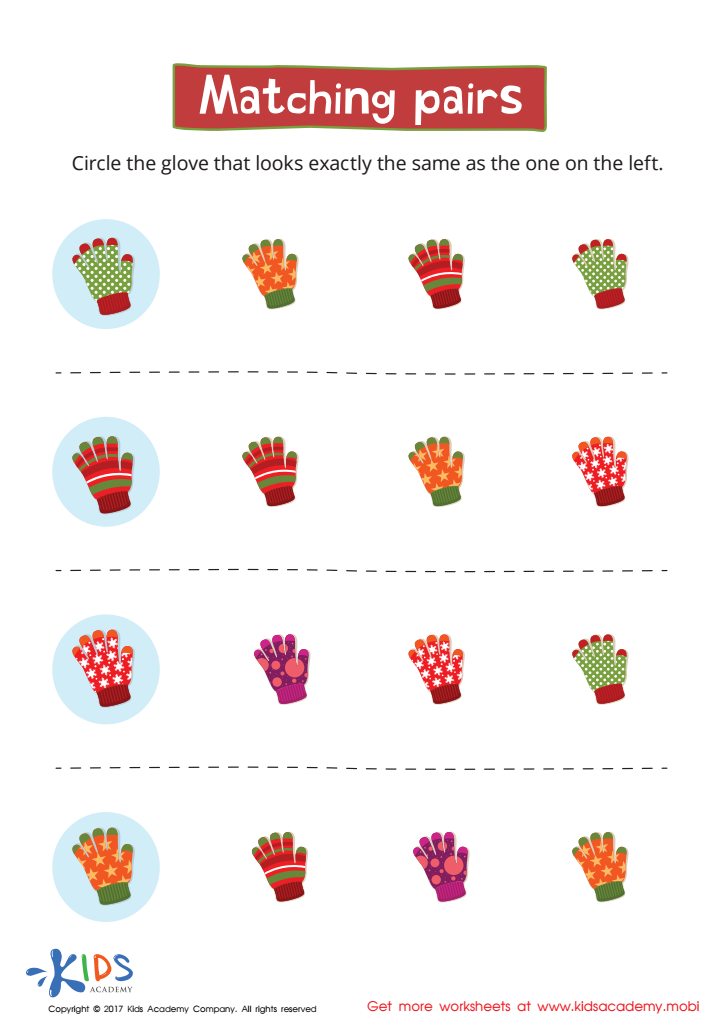
Matching: Matching Pairs Worksheet
 Assign to My Students
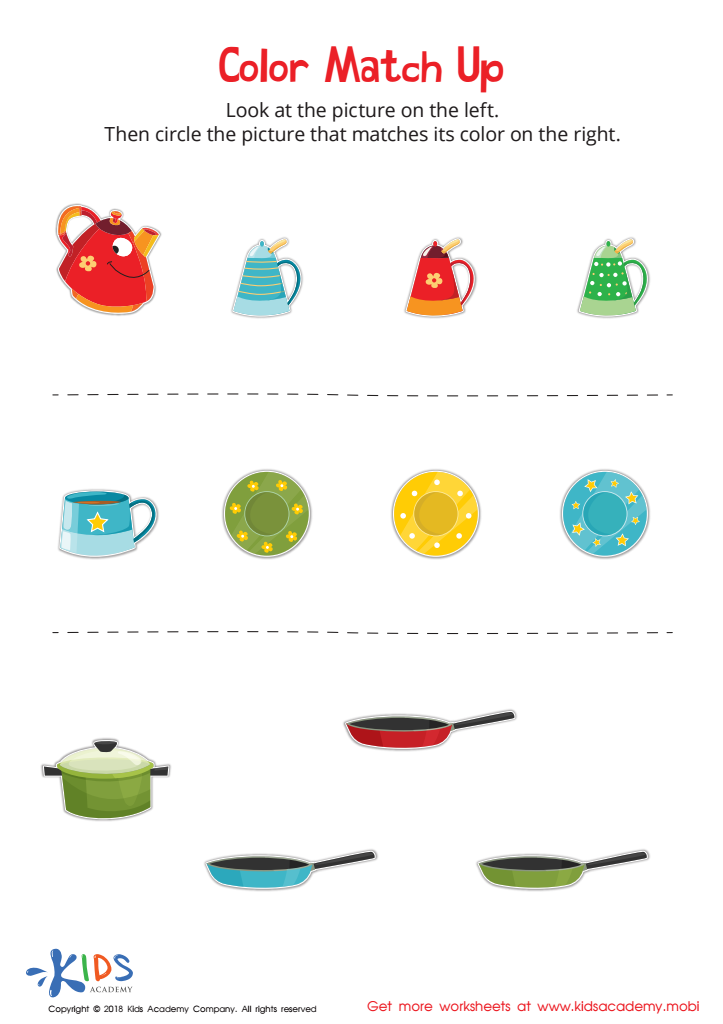
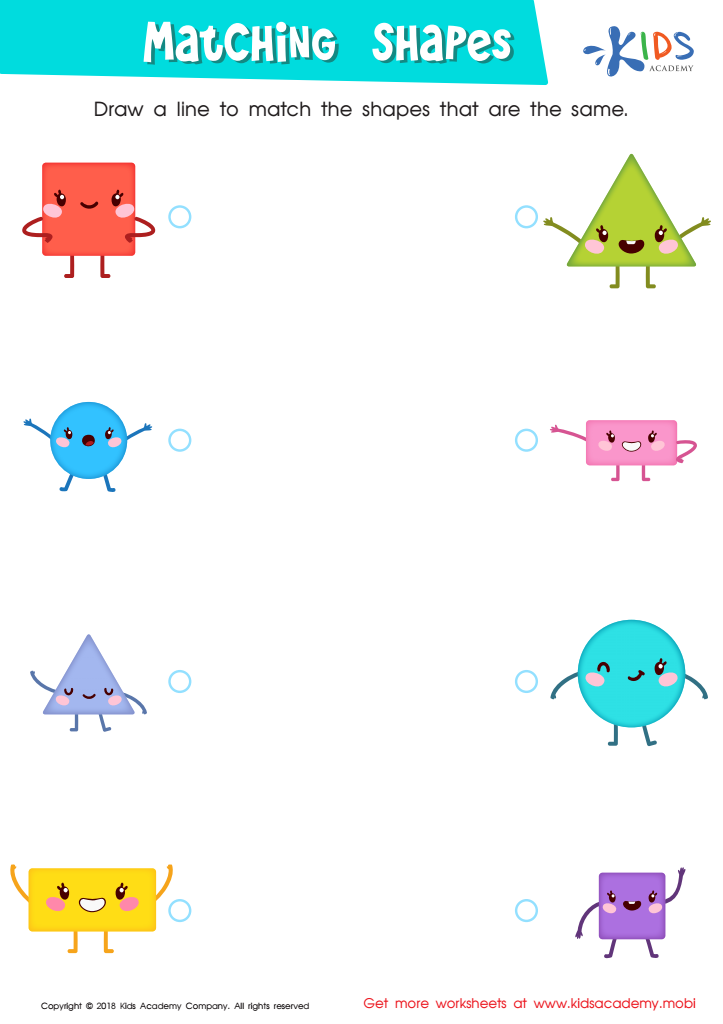
Matching Shapes Worksheet
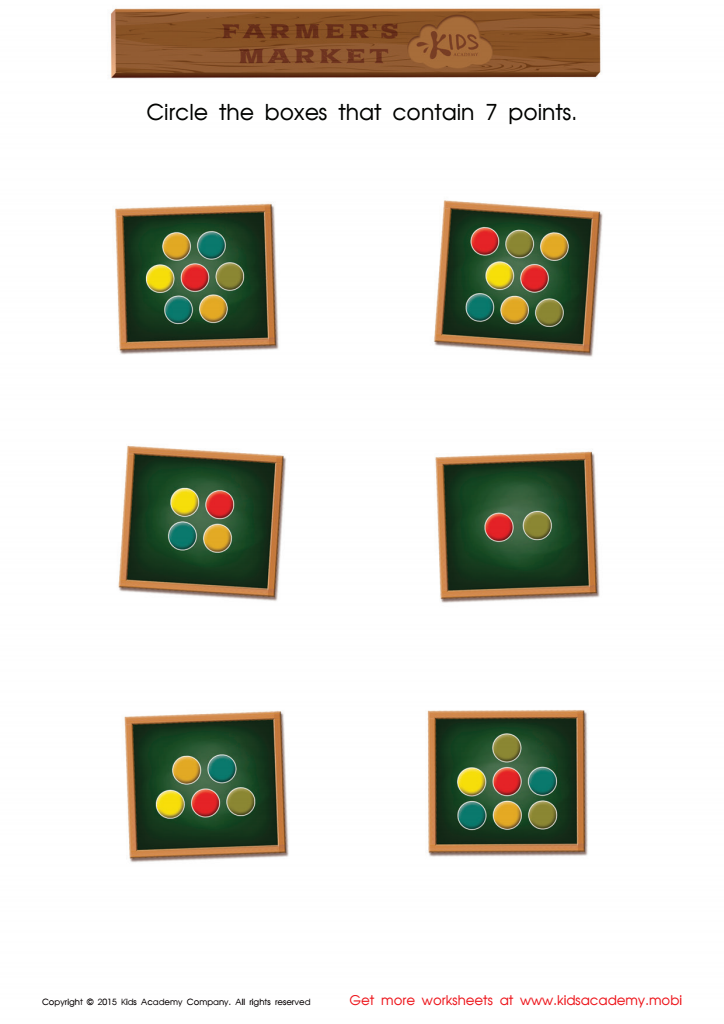
Count and Match Points 7 Math Worksheet
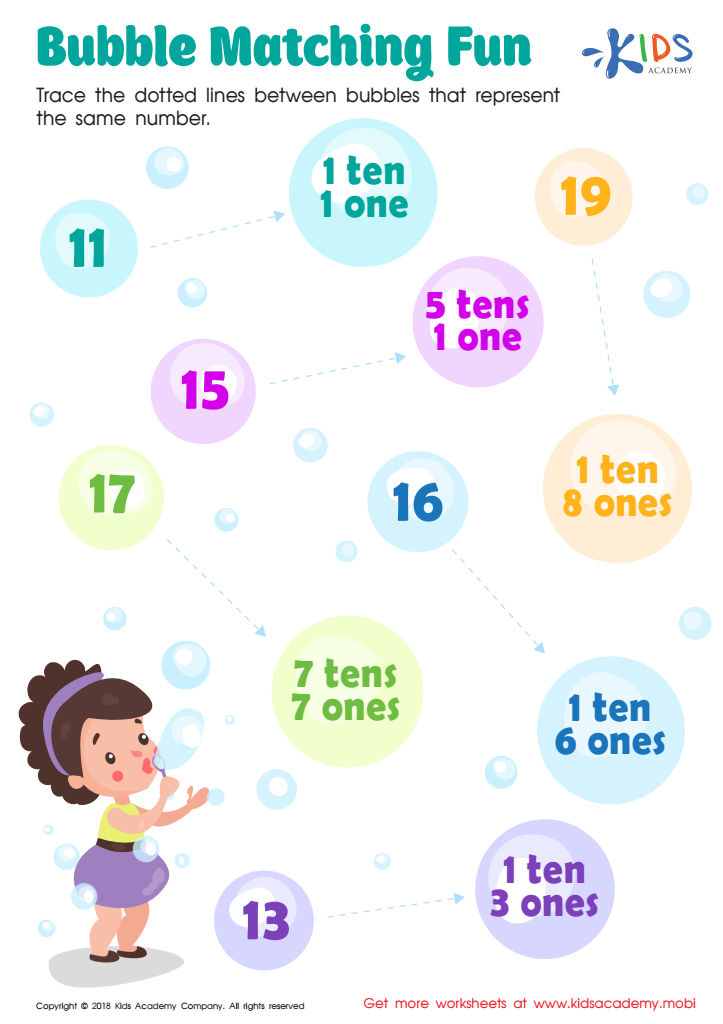
Bubble Matching Fun Worksheet
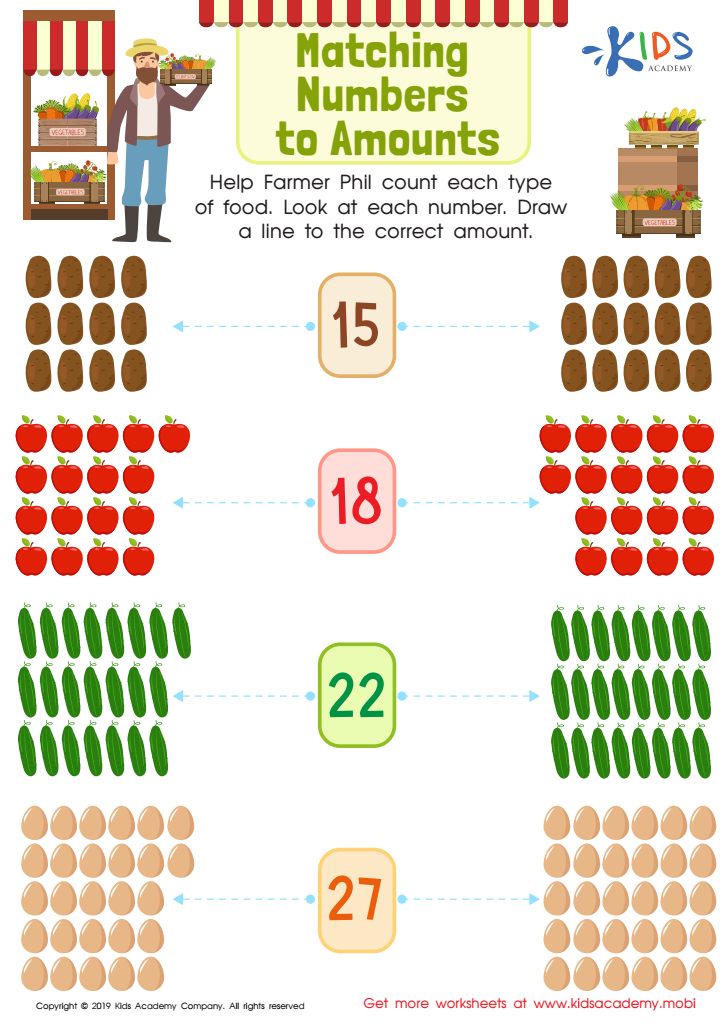
Matching Numbers to Amounts Worksheet




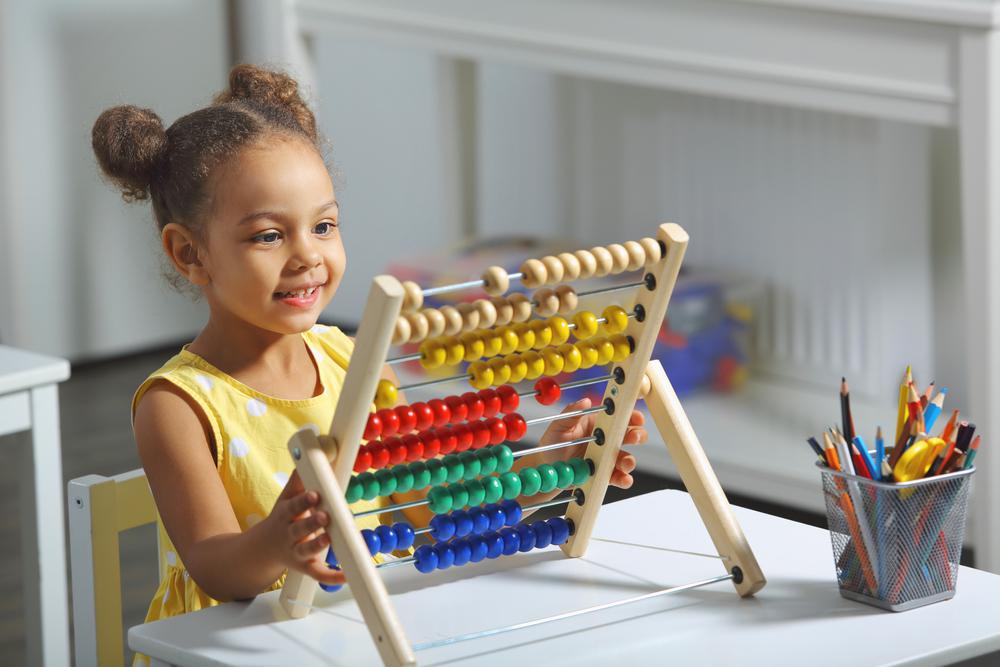

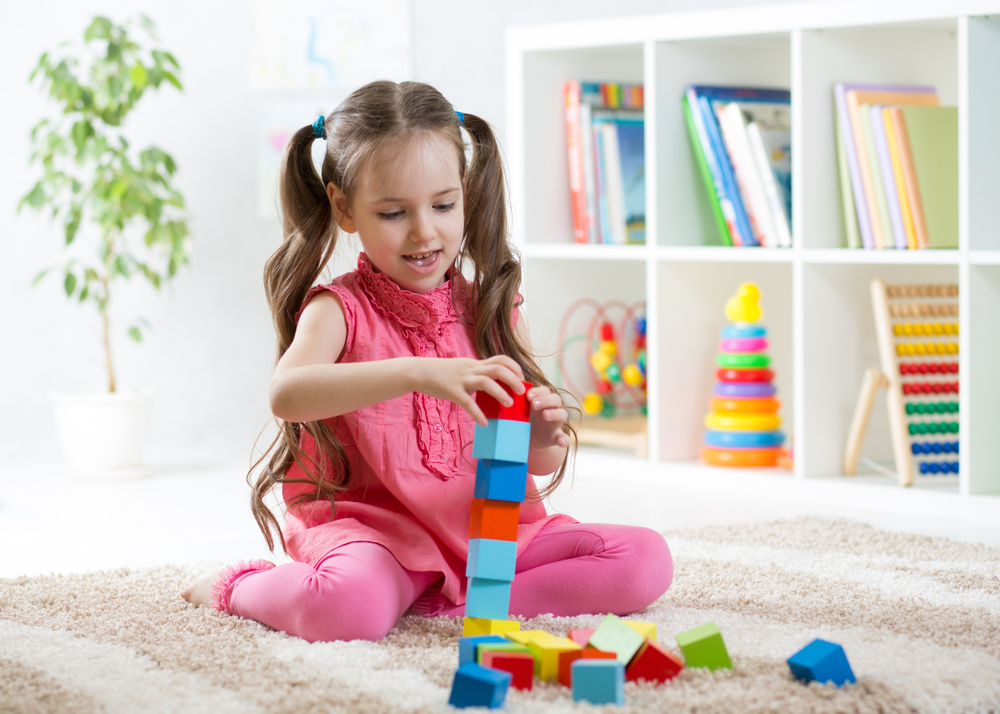

Parents and teachers should prioritize matching skills and fundamental math for 6-year-olds because these early competencies form the cornerstone of their future academic success. Matching skills, such as grouping similar items or recognizing patterns, help young children develop essential cognitive abilities like attention to detail and logical thinking. These skills are crucial for understanding more complex concepts later on, such as categorization in science or relationships in mathematics.
Normal math activities suitable for 6-year-olds generally include learning numbers, counting, understanding basic addition and subtraction, and recognizing shapes and sizes. Engaging in these activities helps children build a strong mathematical foundation, boosting their confidence and encouraging a positive attitude toward more advanced math topics they will encounter later.
Moreover, early math skills are linked to better problem-solving abilities and improved critical thinking. For young children, the tangible experience of handling objects to match, count, or sort can make abstract ideas more concrete, solidifying their understanding through interactive and playful learning. As foundational literacy sets the stage for reading and writing, foundational numeracy readies children for academic pursuits in mathematics and science, promoting overall cognitive development and long-term educational achievement. In short, investing time and resources in these areas benefits children's intellectual growth and readiness for life's challenges.








