
Fine Motor Skills Normal Matching Worksheets for 6-Year-Olds
3 filtered results
Difficulty Level
Grade
Age
-
From - To
Subject
Activity
Standards
Enhance your 6-year-old's fine motor skills with our engaging normal matching worksheets! Tailored for young learners, these worksheets feature fun activities designed to improve hand-eye coordination, dexterity, and cognitive abilities. With colorful illustrations and relatable themes, children will enjoy matching objects, letters, and shapes, making learning a delightful experience. These printable resources foster independent learning while also promoting focus and concentration. Perfect for home or classroom use, our fine motor skills worksheets serve as an excellent tool to prepare kids for future academic success. Explore our collection today to inspire creativity and develop essential skills in your child!
Favorites
With answer key
Interactive
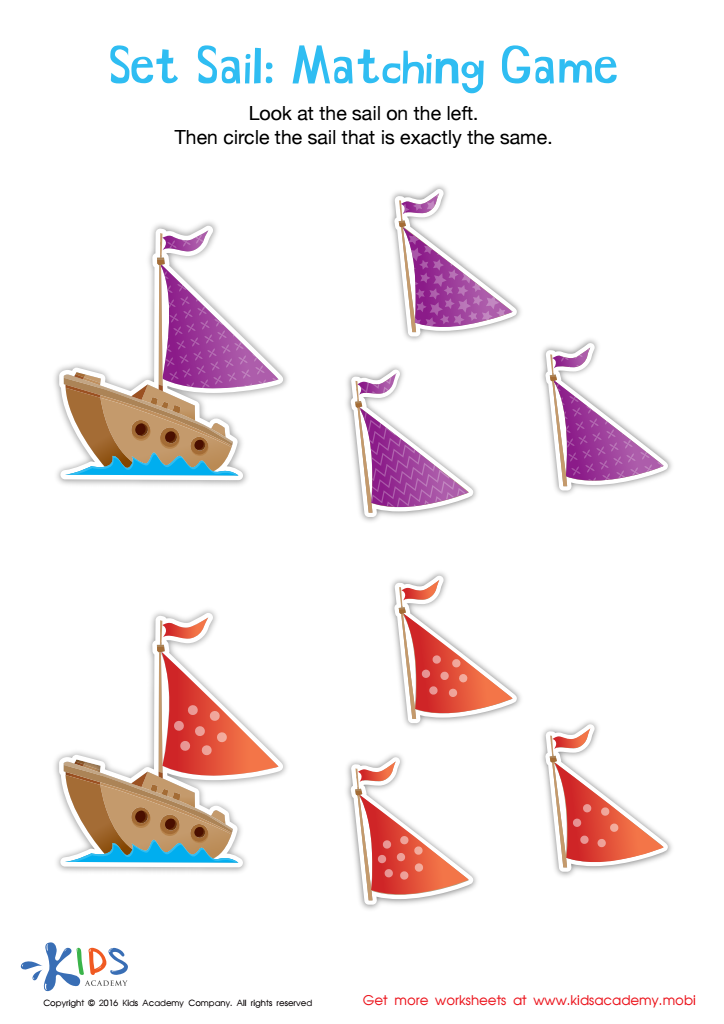
Set Sail Worksheet
Set sail with this fun matching game for toddlers! Kids will love finding the same pattern on the sails, improving their problem-solving and counting skills. Enjoy this bright and engaging worksheet!
 Assign to My Students
Set Sail Worksheet
Worksheet
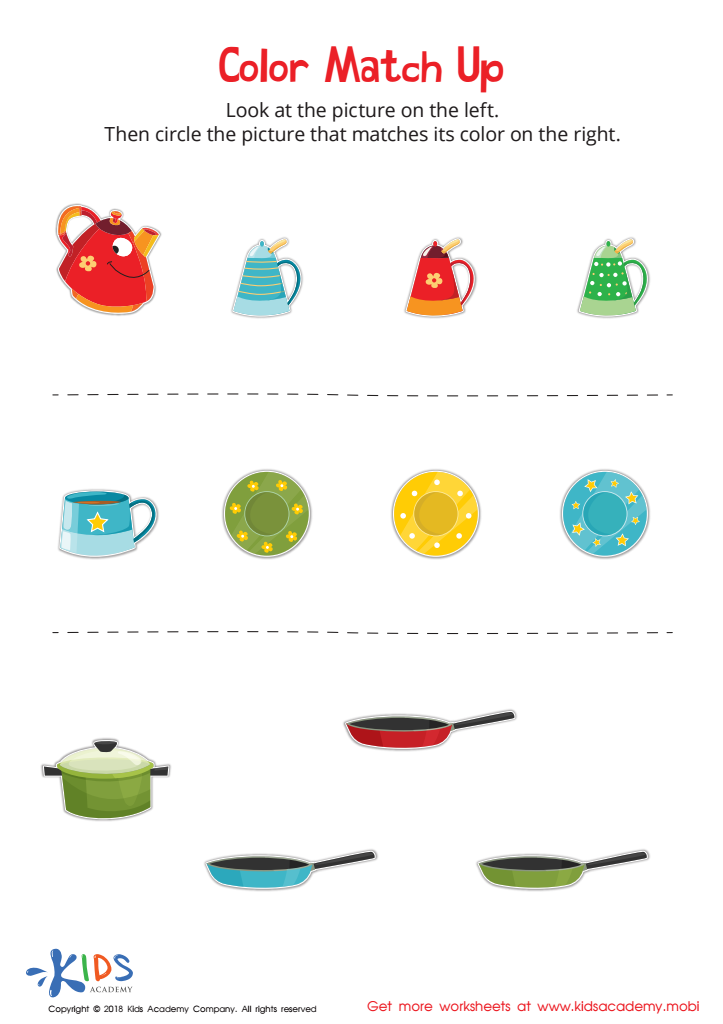
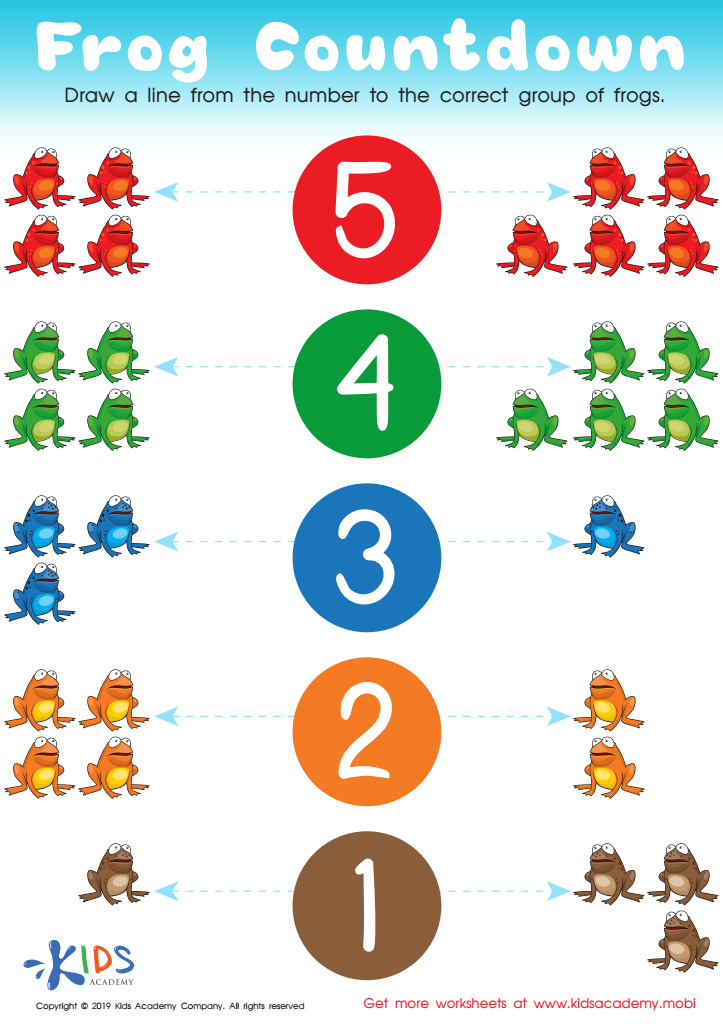
Frog Countdown Worksheet
Make learning fun for kids with traceable printouts! This exercise has kids counting frogs and drawing a line to match the number. Expand their knowledge with activities like this, beyond the basics they learn in school. Help them explore new ways of learning and make it enjoyable.
Frog Countdown Worksheet
Worksheet
Join Kids Academy for Free
Who is primarily going to use this learning content?








Fine motor skills are crucial for a child's overall development, especially for 6-year-olds who are at a key stage for learning and growth. These skills involve the use of small muscles in the hands and fingers, which are essential for tasks like writing, drawing, and buttoning clothes. Ensuring that children develop normal fine motor skills through activities like drawing or playing with small objects is vital for their academic success and independent living.
Parents and teachers should be concerned about fine motor skills because they directly impact a child's ability to engage in classroom activities. For example, fine motor skills influence writing legibility, which affects a child's confidence and participation in school. If a child struggles with these skills, it may lead to frustration and hinder their learning progression.
Moreover, fine motor skills are linked to cognitive development and social interactions. Activities that promote these skills encourage hand-eye coordination and problem-solving, fostering a child's ability to cooperate and interact effectively with peers.
By focusing on fine motor skills, parents and teachers can help children build a strong foundation for their future educational endeavors, ensuring that they are well-prepared for both academic challenges and everyday tasks.








