Cognitive Development Normal Reading Worksheets for 6-Year-Olds
6 filtered results
-
From - To
At Kids Academy, our Cognitive Development Reading Worksheets for 6-Year-Olds are meticulously designed to nurture young minds and foster essential literacy skills. These engaging, age-appropriate activities enhance reading comprehension, vocabulary, and critical thinking. Each worksheet is tailored to match the cognitive abilities of 6-year-olds, promoting a love for reading through fun and interactive exercises. Our expertly crafted worksheets provide a strong foundation in early literacy, ensuring children gain confidence and motivation in their reading journey. Explore our diverse selection to support your child's cognitive growth and make learning an enjoyable adventure.
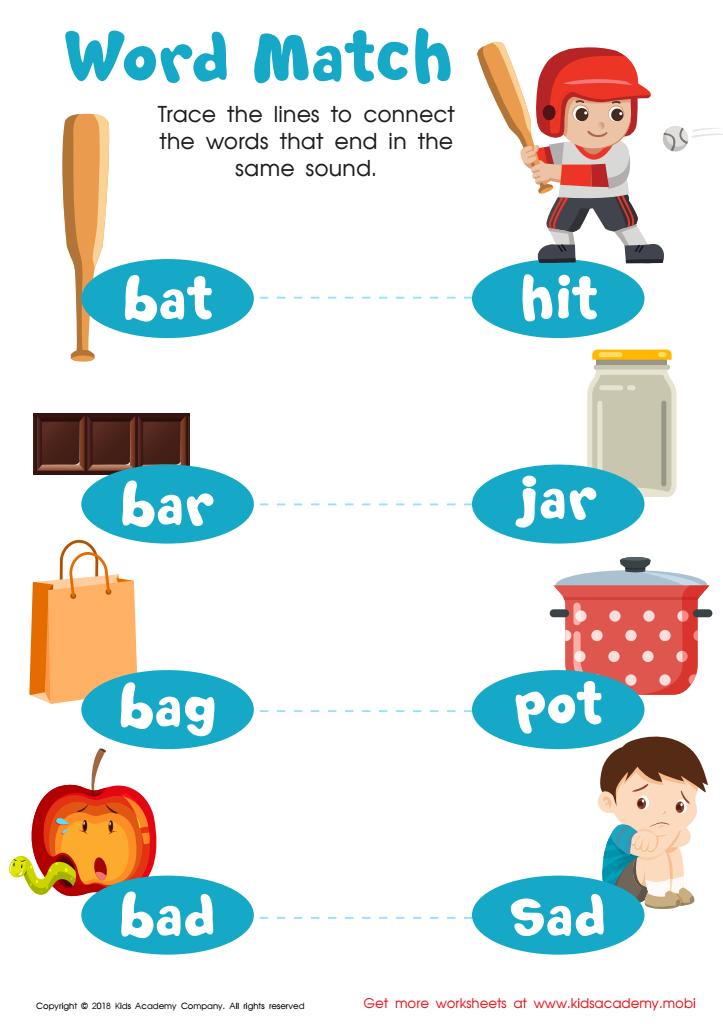
Word Match Reading Worksheet
 Assign to My Students
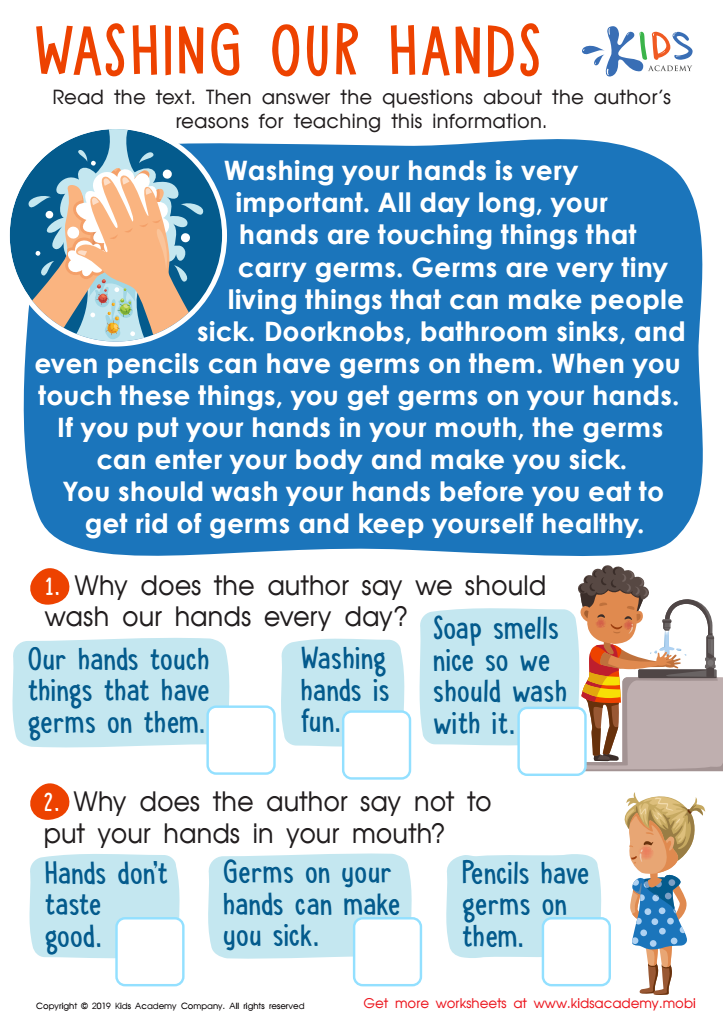
Washing Our Hands Worksheet
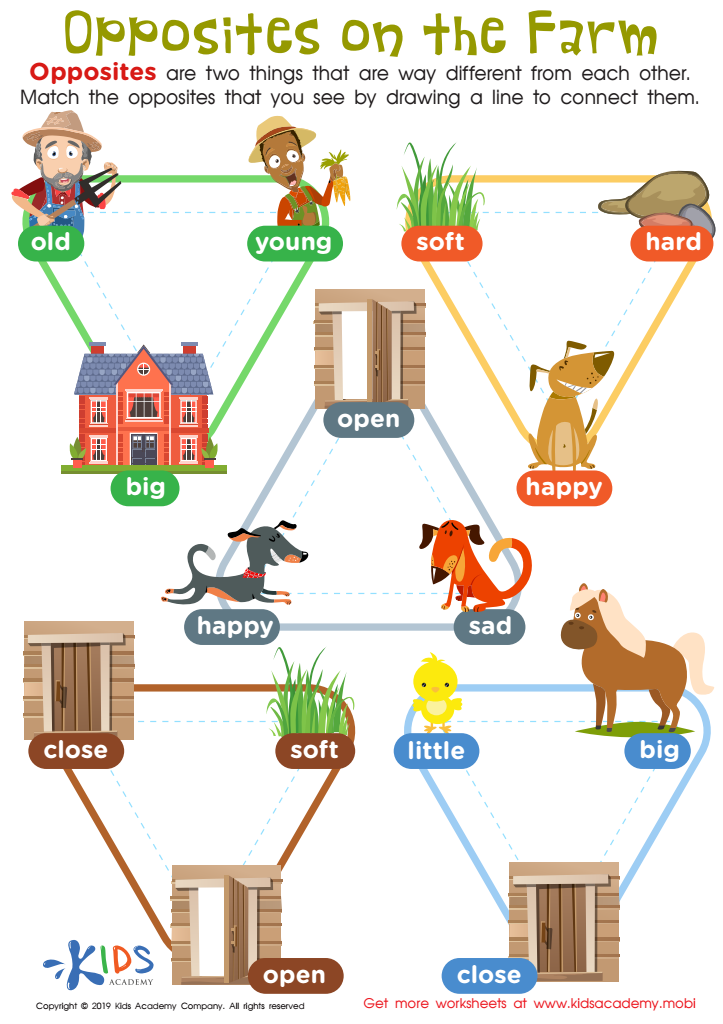
Opposites on the Farm Worksheet
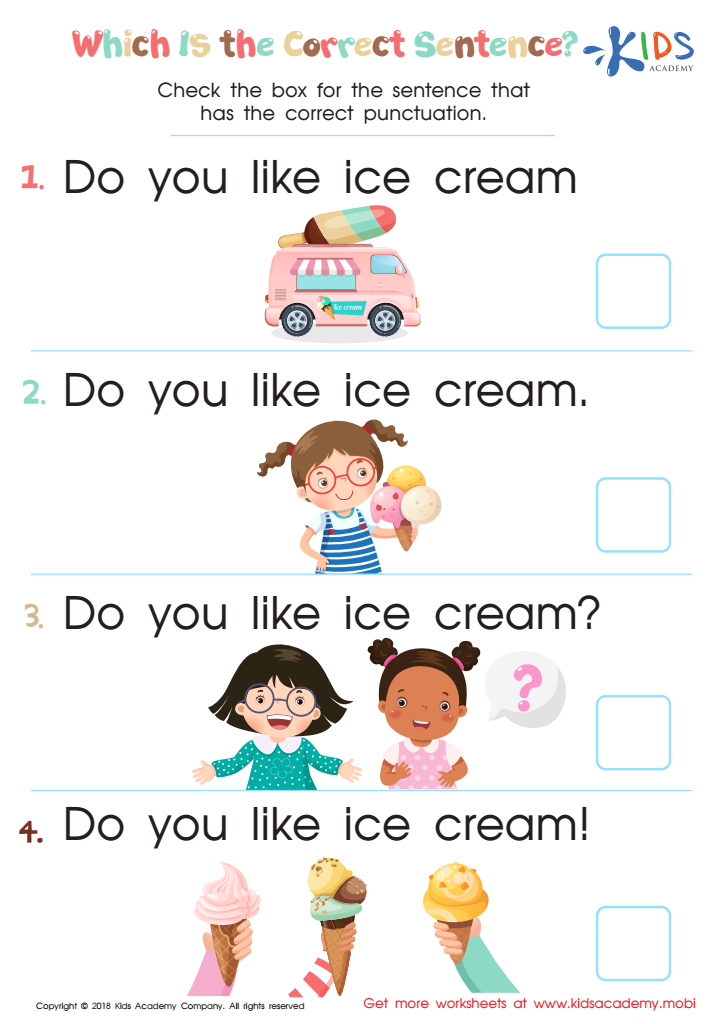
Which is the Correct Sentence? Worksheet
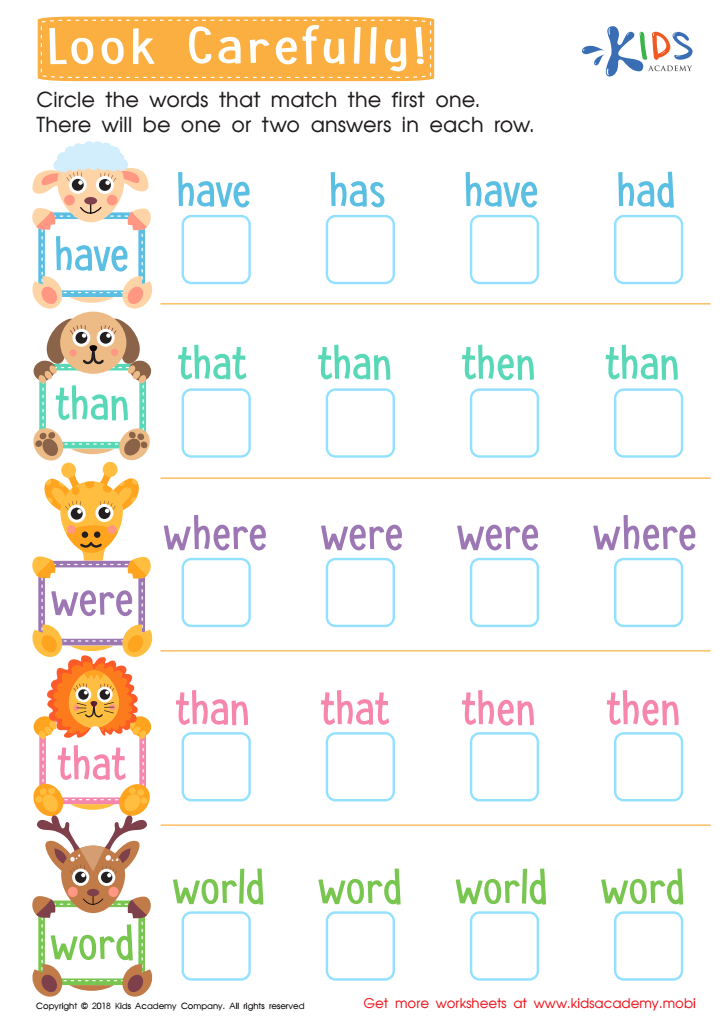
Look Carefully Worksheet
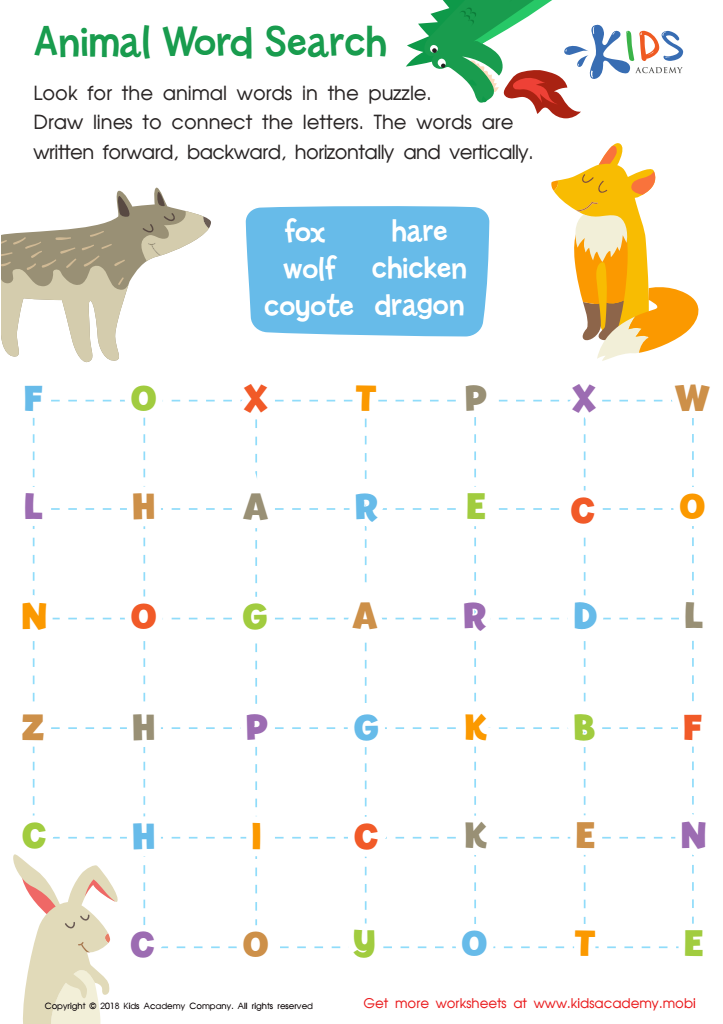
Animal Word Search Worksheet








Cognitive development and normal reading skills at age six are foundational for lifelong learning and success, and hence are vital areas of focus for parents and teachers. At this age, children transition from learning to read to reading to learn. Their cognitive development involves skills like memory, attention, and comprehension, which are essential for processing and understanding written information. Strong cognitive abilities allow children to grasp phonics, recognize sight words, and understand basic story structures, making early reading both a skill and a stepping stone for future academic achievement.
Developing normal reading skills early also boosts self-confidence and fosters a love for learning. A child who can read well by age six is likely to experience less frustration in school, creating a positive feedback loop where success breeds further interest and effort. Furthermore, reading is connected to various forms of cognitive growth, including vocabulary expansion, critical thinking, and empathy. When children read stories, they learn to empathize with characters, understand different perspectives, and think critically about the narrative and ideas being presented.
In sum, parents and teachers should prioritize cognitive development and normal reading skills for six-year-olds because it significantly impacts academic performance, emotional well-being, and lifelong intellectual capabilities. Early intervention and support can set the stage for a bright and successful future.








