Enhancing observation skills Normal Science Worksheets for 6-Year-Olds
7 filtered results
-
From - To
Enhance your 6-year-old's observation skills with our engaging Normal Science Worksheets! Designed to captivate young minds, these printable resources focus on developing keen attention to detail through fun, age-appropriate activities. Your child will explore the natural world, identifying patterns, categorizing objects, and making simple observations with ease. Each worksheet aims to spark curiosity and foster critical thinking, providing the perfect foundation for future scientific learning. Ideal for both classroom and home use, our worksheets offer a spectrum of exciting tasks that inspire and educate. Help your child master the art of observation with Kids Academy's expertly crafted learning tools!
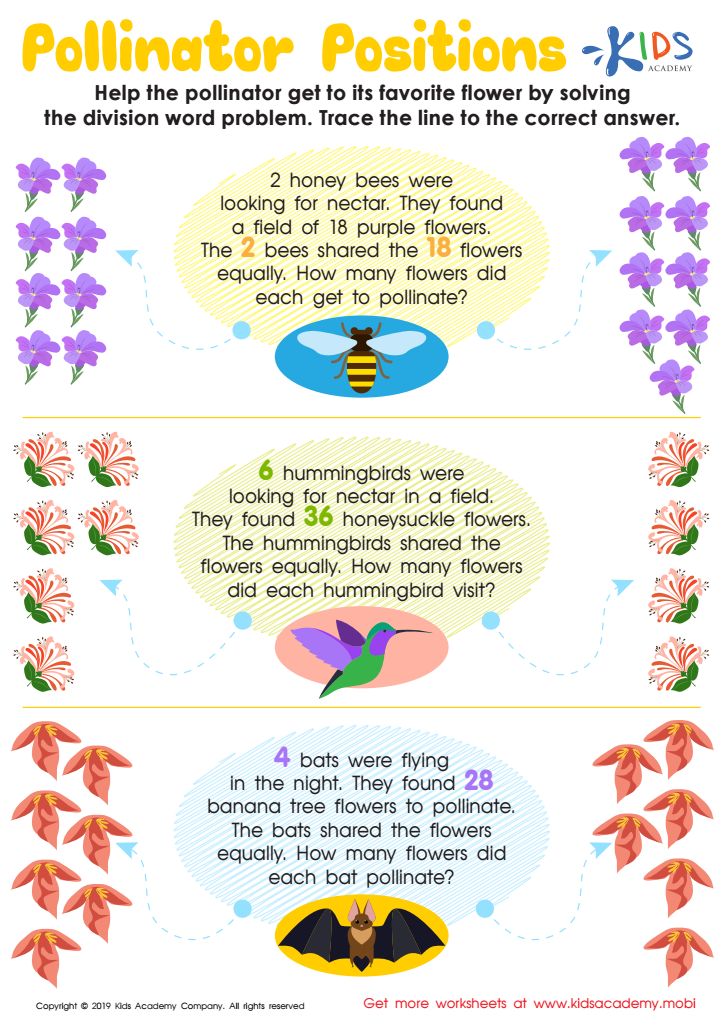
Pollinator Positions Worksheet
 Assign to My Students
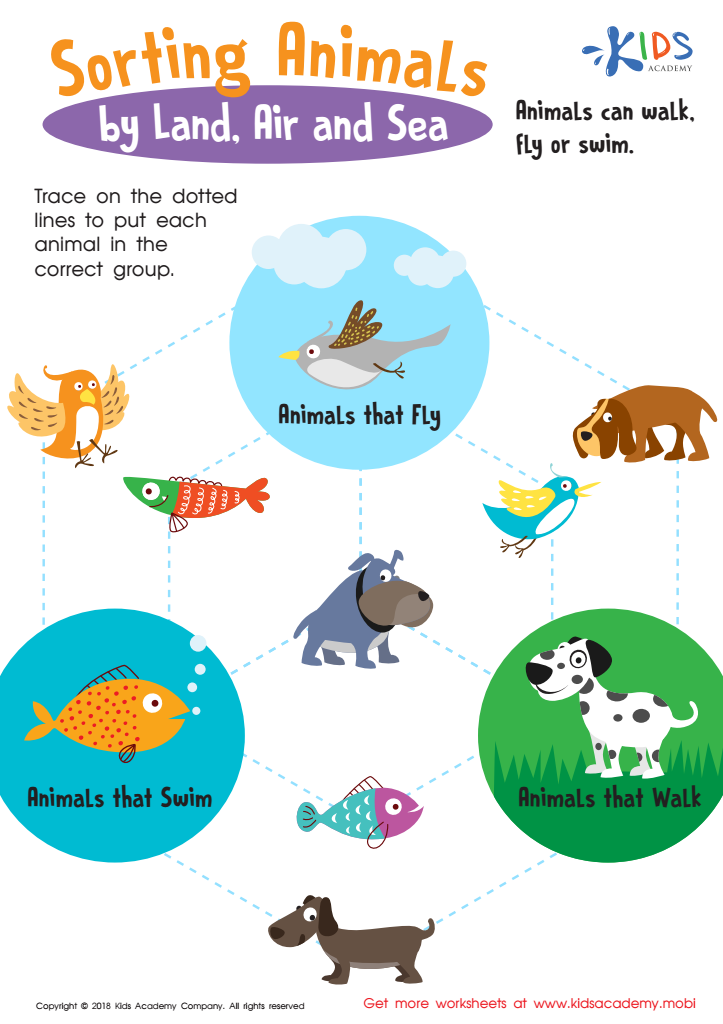
Sorting Animals by Land, Air and Sea Worksheet
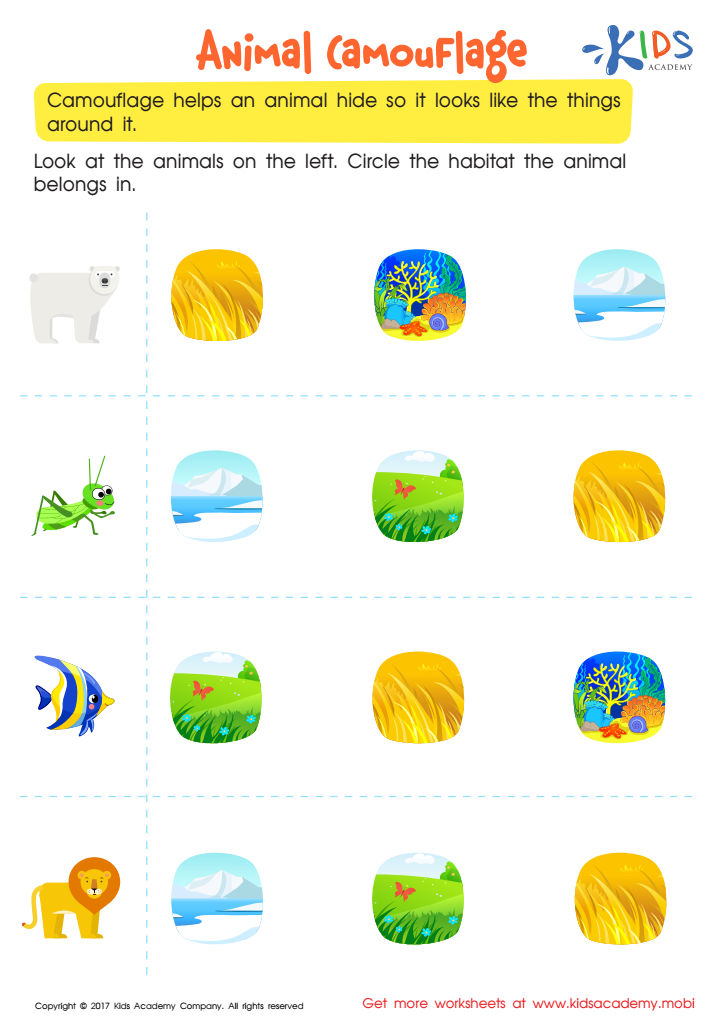
Animal Camouflage Worksheet
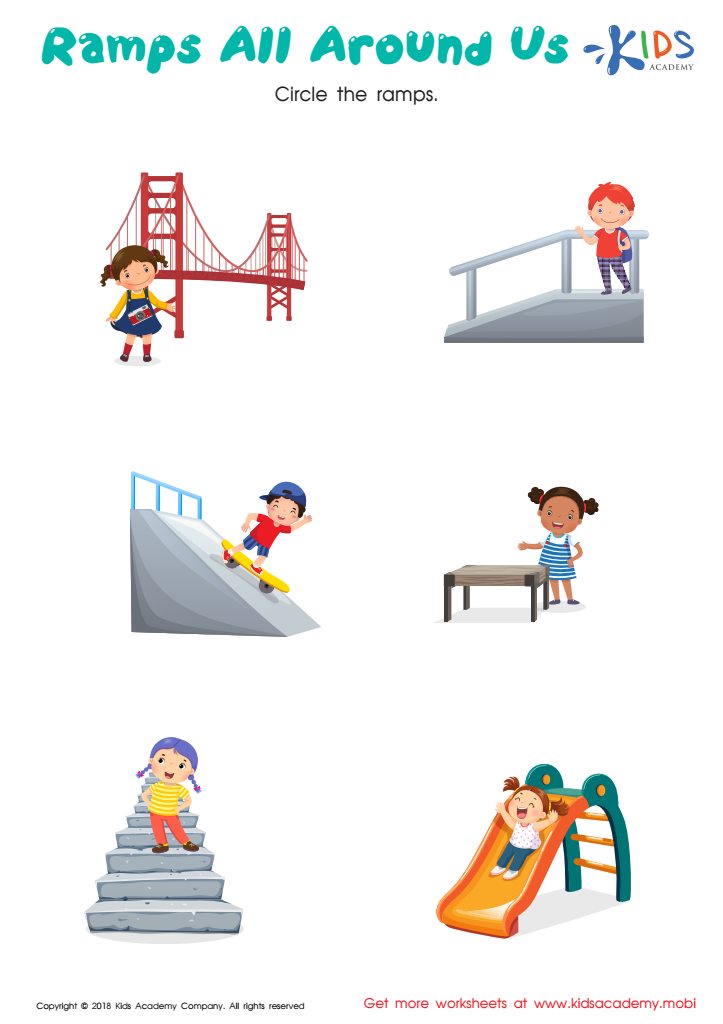
Ramps All Around us Worksheet
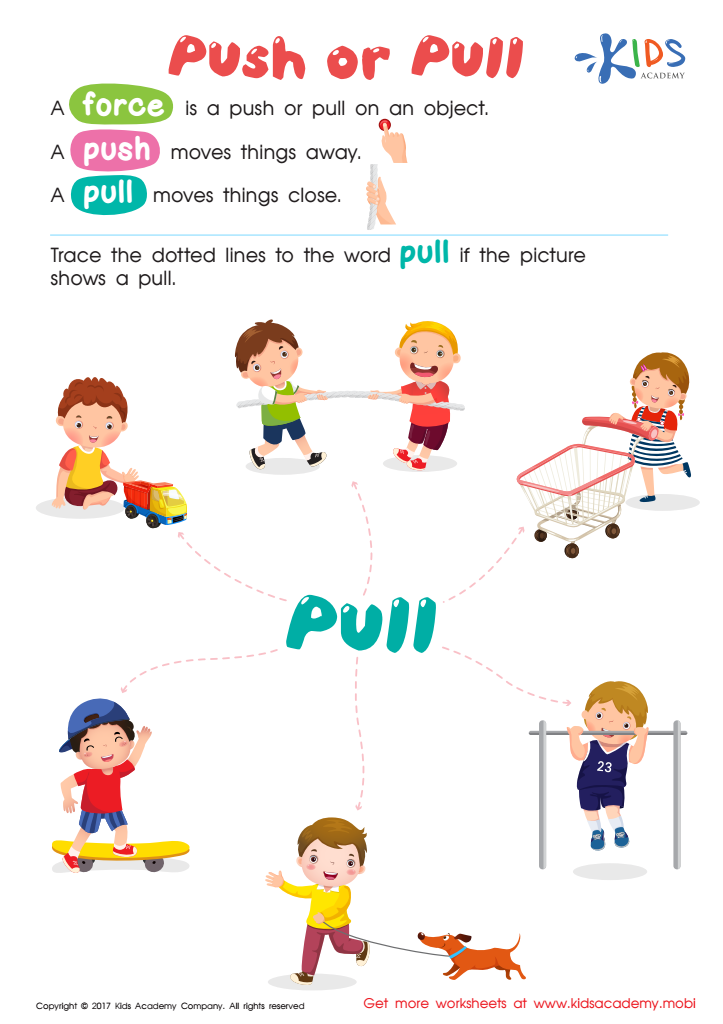
Pull or Push Worksheet
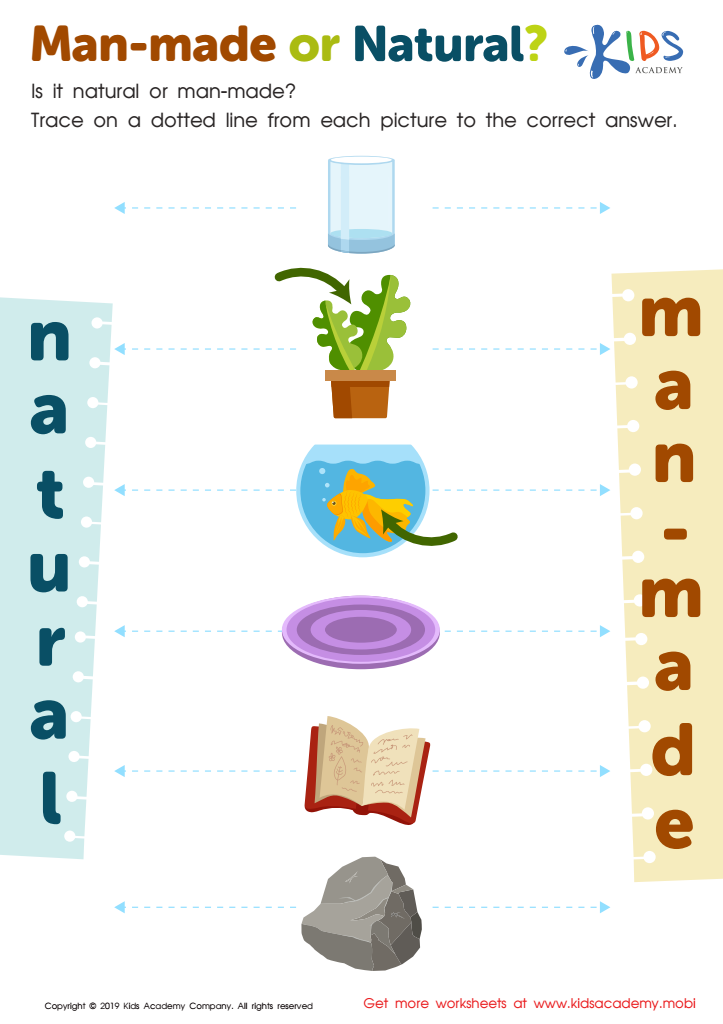
Man-Made or Natural? Worksheet
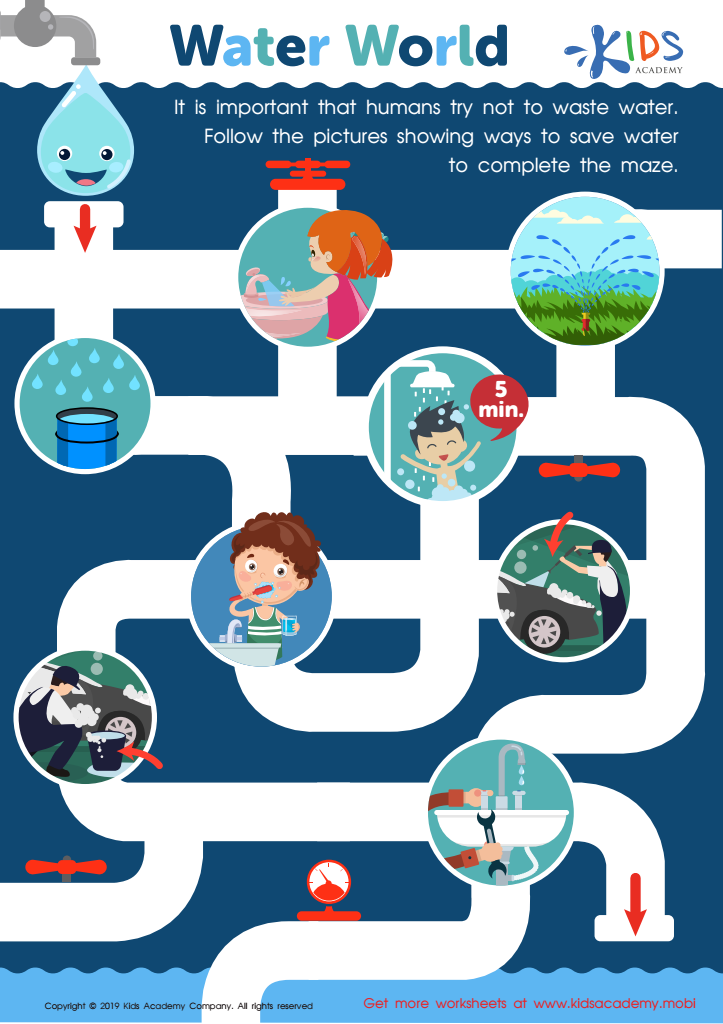
Water World Worksheet



.jpg)
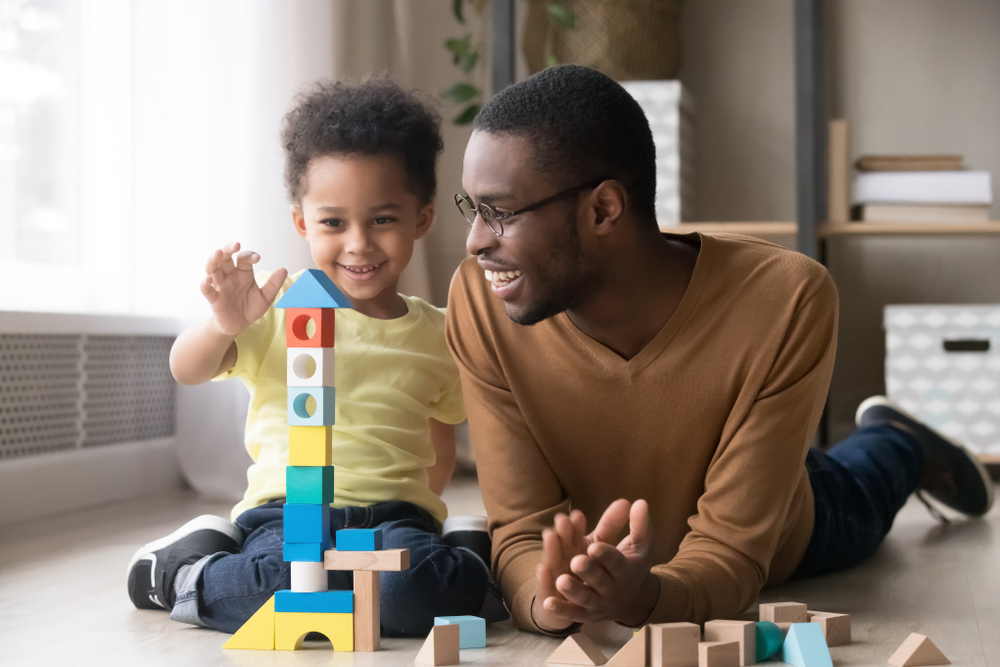



Fostering robust observation skills in 6-year-olds within the context of normal science is crucial for their holistic development. This foundational ability helps children perceive and interpret the world accurately, laying the groundwork for future learning and critical thinking. Parents and teachers have a pivotal role in this process, as enhanced observation skills can significantly influence a child's academic and personal growth.
First, keen observation fosters curiosity, prompting children to ask questions and seek knowledge actively. This natural inquisitiveness is the cornerstone of scientific thinking and discovery. As children observe and interact with their environment, they develop essential skills such as pattern recognition, categorization, and comparison, which are vital for cognitive development.
Moreover, improved observation skills can enhance language development and communication. When children articulate their observations, they expand their vocabulary, learn to express their thoughts coherently, and engage in meaningful discussions.
In addition, observing carefully can also bolster emotional and social development. Children learn to read social cues, understand emotions, and empathize with others by noticing subtle changes in facial expressions and body language.
Parents and teachers who prioritize and nurture observation skills equip children with a strong educational foundation, promoting lifelong learning, creativity, and adaptability in an ever-evolving world.







