Enhancing observational skills Normal Science Worksheets for 6-Year-Olds
3 filtered results
-
From - To
Enhance your 6-year-old's observational skills with our engaging Normal Science Worksheets! Designed specifically for young learners, our worksheets encourage children to explore their surroundings thoughtfully and develop critical thinking skills. Through fun activities and exercises, kids will learn to observe details, compare objects, and understand simple scientific concepts. These worksheets promote curiosity about the world, fostering a love for science from an early age. Perfect for classroom or home use, the resources are tailored to refine young minds while making learning enjoyable. Begin your child’s journey to becoming an inquisitive explorer with our thoughtfully crafted science worksheets today!
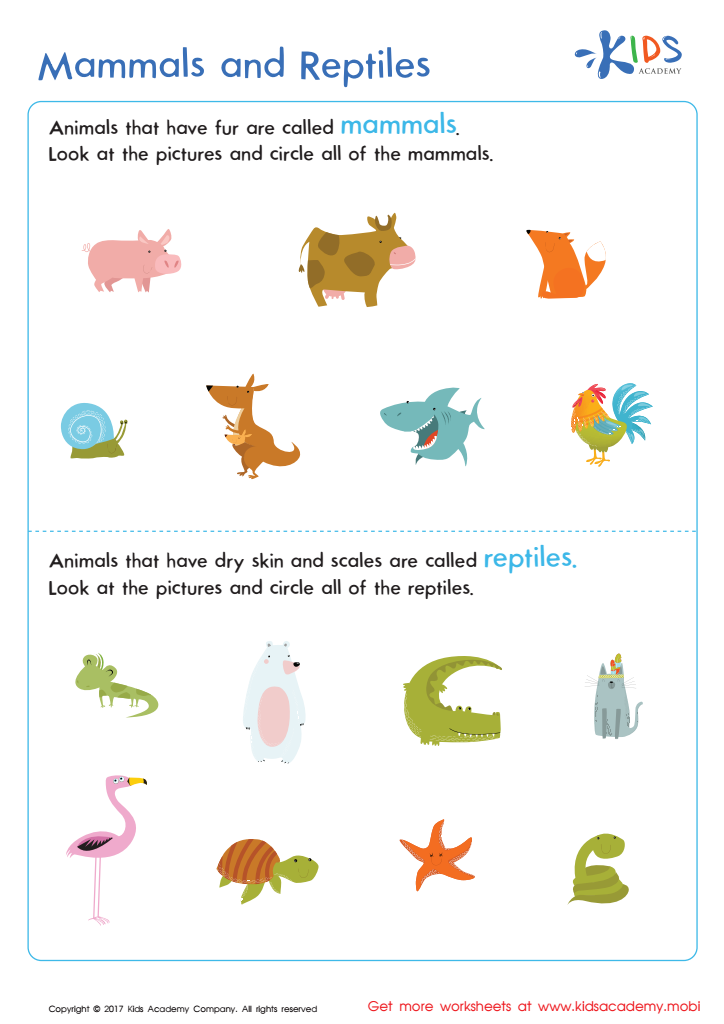
Mammals and Reptiles Worksheet
 Assign to My Students
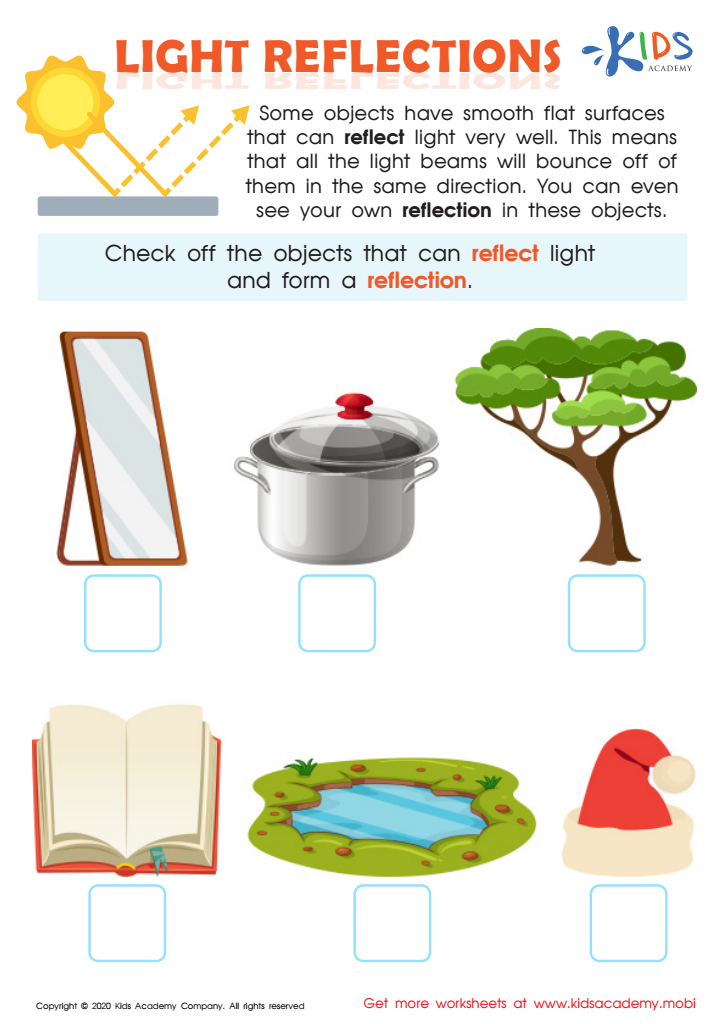
Light Reflections Worksheet
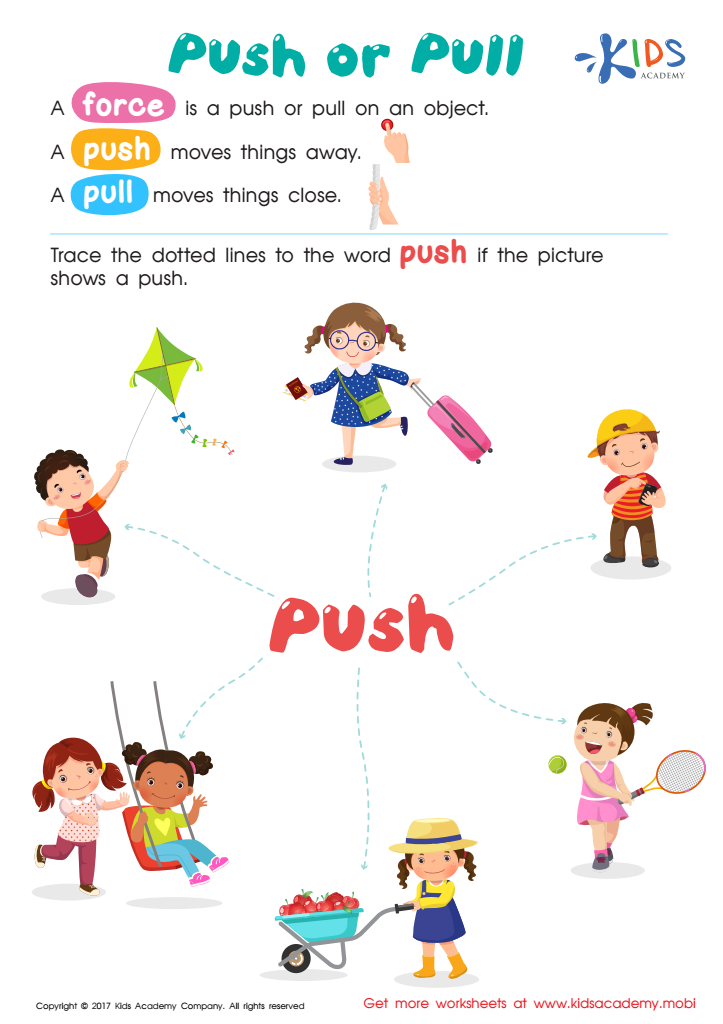
Push or Pull Worksheet




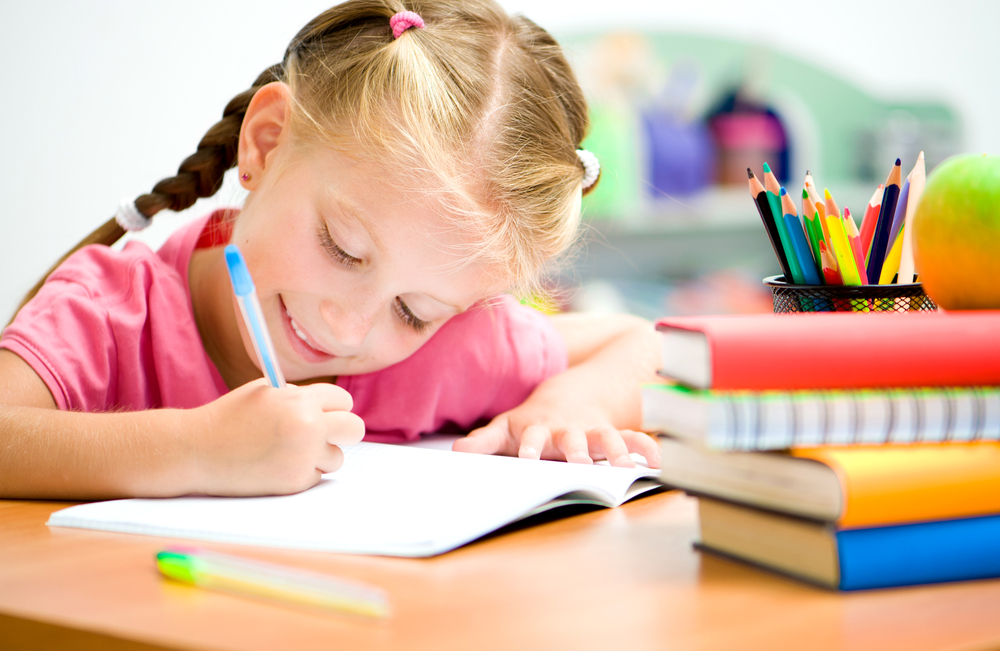



Enhancing observational skills in 6-year-olds is crucial for both parents and teachers because these foundational skills lay the groundwork for future learning and cognitive development. At this stage, children are naturally inquisitive, and refining their ability to observe encourages critical thinking, problem-solving, and creativity. By honing observational skills, children learn to focus on details, make connections between various concepts, and develop a greater awareness of their surroundings.
For parents, fostering observational skills can facilitate meaningful interactions during daily activities. Engaging children in discussions about what they see and encouraging curiosity can strengthen the parent-child bond while reinforcing early learning. It helps children to communicate their thoughts and experiences effectively.
Teachers can integrate observational skills into their curriculum by utilizing hands-on activities and experiential learning. This prepares children for a scientific mindset, nurturing their ability to ask questions, formulate hypotheses, and seek evidence. In doing so, teachers cultivate a classroom environment where inquiry and exploration are valued, fostering a lifelong love for learning.
Ultimately, improving observational skills in early childhood not only enriches academic achievement but also prepares children for everyday challenges by enabling them to navigate and understand the world with confidence and creativity.







