Logical Reasoning Normal Science Worksheets for 6-Year-Olds
5 filtered results
-
From - To
Discover our engaging "Logical Reasoning Normal Science Worksheets for 6-Year-Olds," designed to boost critical thinking and scientific inquiry. These worksheets incorporate fun, age-appropriate activities that challenge young learners to analyze, compare, and interpret information. By combining visual cues, puzzles, and fun illustrations, our worksheets help children develop vital logical reasoning skills while exploring exciting scientific concepts. Perfect for classroom or home use, they encourage kids to think independently and solve problems creatively. Empower your child’s educational journey with these stimulating resources, fostering an early love for science and logical thinking. Start their adventure into the world of knowledge today!
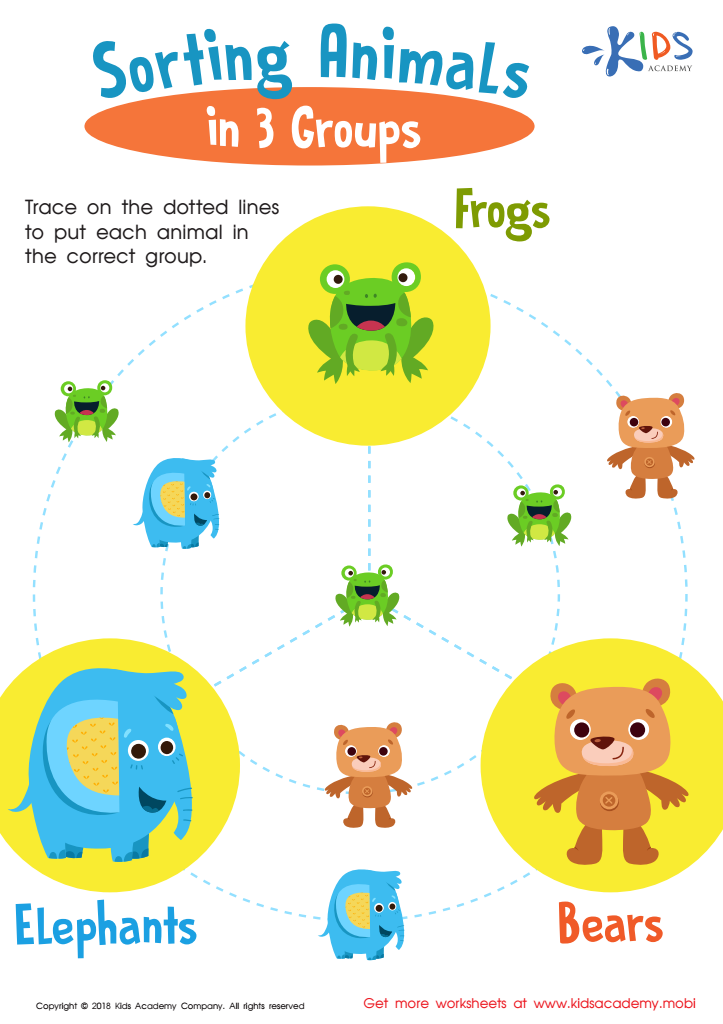
Sorting Animals in 3 Groups Worksheet
 Assign to My Students
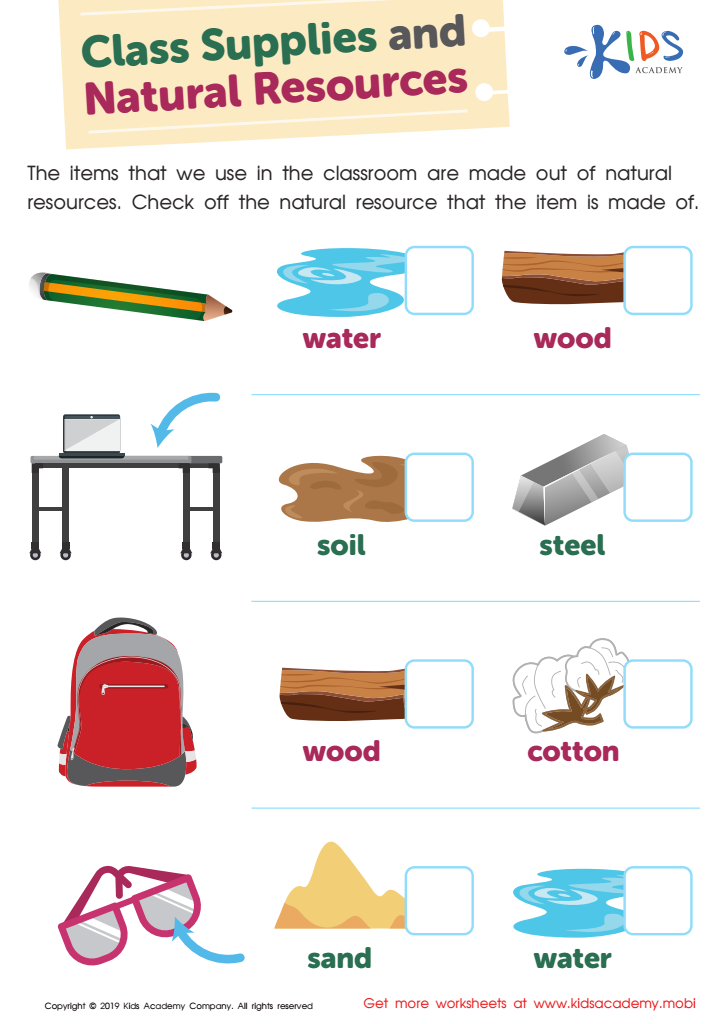
Class Supplies and Natural Resources Worksheet
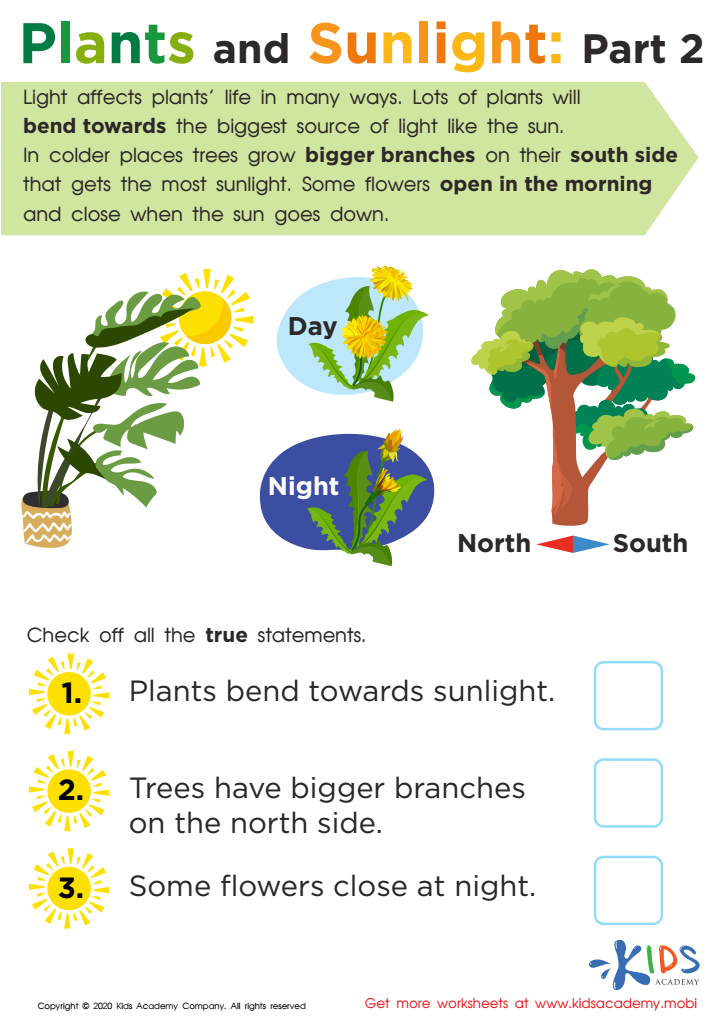
Plants and Sunlight: Part 2 Worksheet
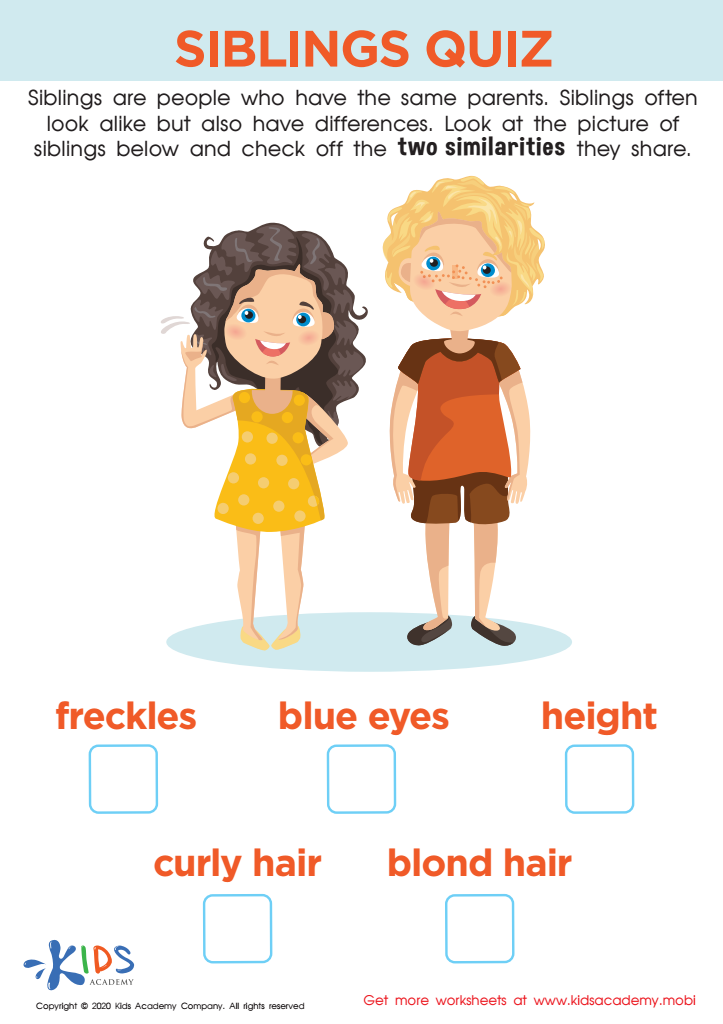
Siblings Quiz Worksheet
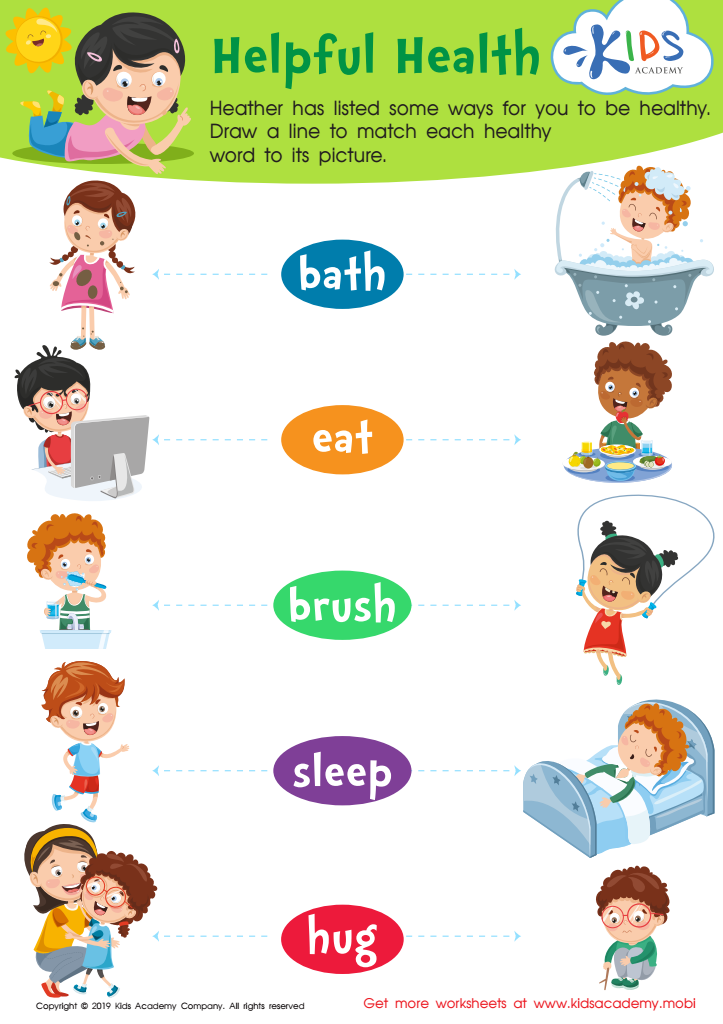
Helpful Health Worksheet




.jpg)

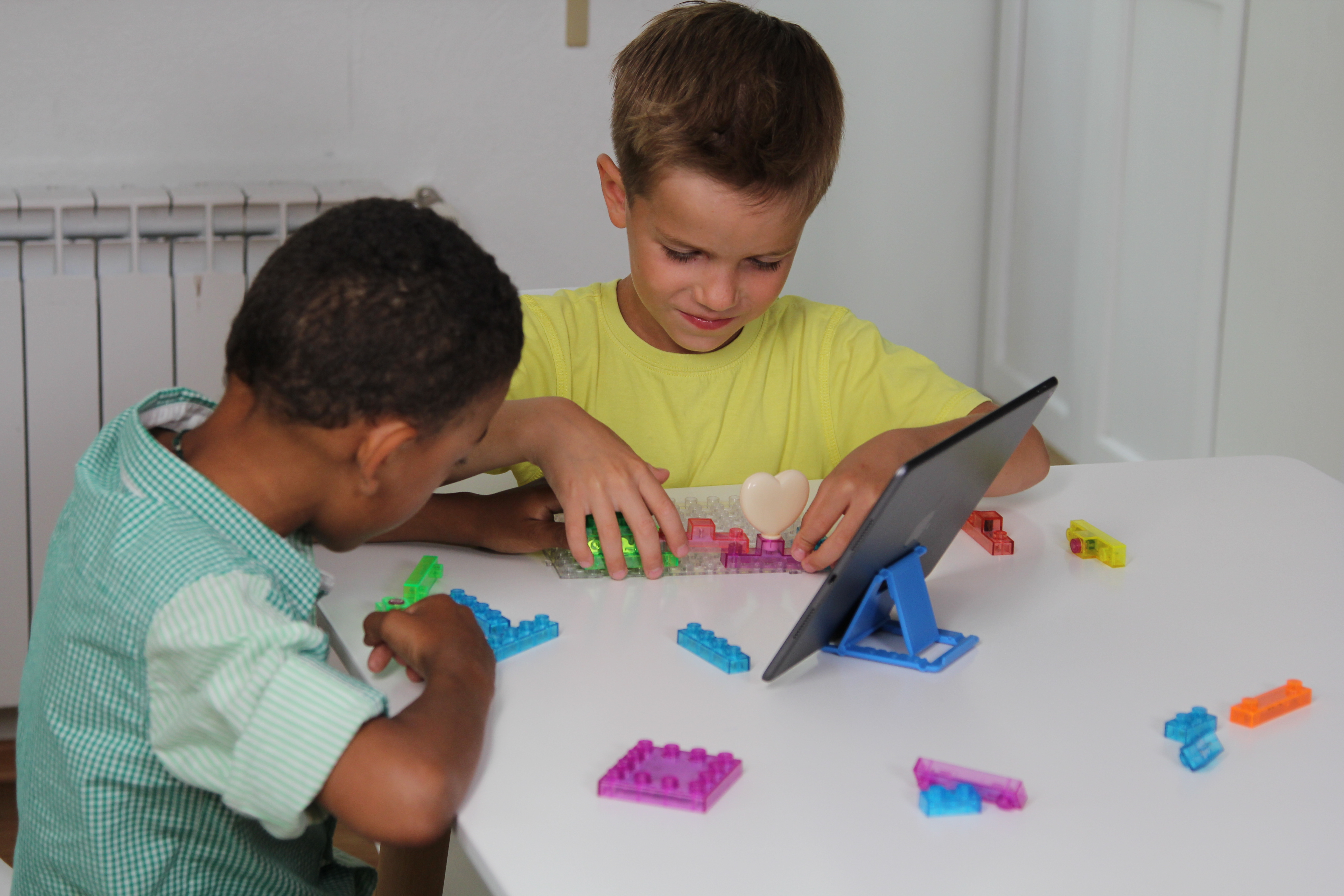
Logical reasoning in early childhood development is crucial for six-year-olds as it lays the foundation for critical thinking and problem-solving skills. At this age, children are naturally curious and keen to understand the world around them. Incorporating logical reasoning into their learning can help them make connections, identify patterns, and develop analytical skills that will benefit them throughout their education and beyond.
Parents and teachers should be particularly invested in nurturing these skills, as they enhance children's abilities to think independently and approach challenges methodically. Engaging children in activities that promote reasoning—like puzzles, games, or simple scientific investigations—stimulates cognitive development and fosters a love for learning.
Additionally, logical reasoning contributes to a child’s emotional and social skills. While figuring out problems or scenarios, children learn to consider different perspectives, which aids in empathetic understanding. This holistic development creates not just better learners, but also well-rounded individuals. Ultimately, prioritizing logical reasoning in the early years equips children with the essential toolset necessary for academic success and life skills, instilling confidence and encouraging them to explore and innovate in a complex world.







