Problem-Solving Skills Normal Science Worksheets for 6-Year-Olds
9 filtered results
-
From - To
Enhance your 6-year-old's problem-solving skills with our engaging Normal Science worksheets! Tailored for young learners, these worksheets promote critical thinking, logical reasoning, and creativity while exploring scientific concepts. Through fun and interactive exercises, children will learn to analyze problems, hypothesize solutions, and draw conclusions. Worksheets cover various topics, ensuring a well-rounded educational experience. Ideal for parents and educators, our printable resources help develop essential skills in a playful and stimulating way. Watch your child become a budding scientist as they solve real-world challenges using their newfound knowledge! Start fostering a love for science and problem-solving today with our dynamic worksheets!
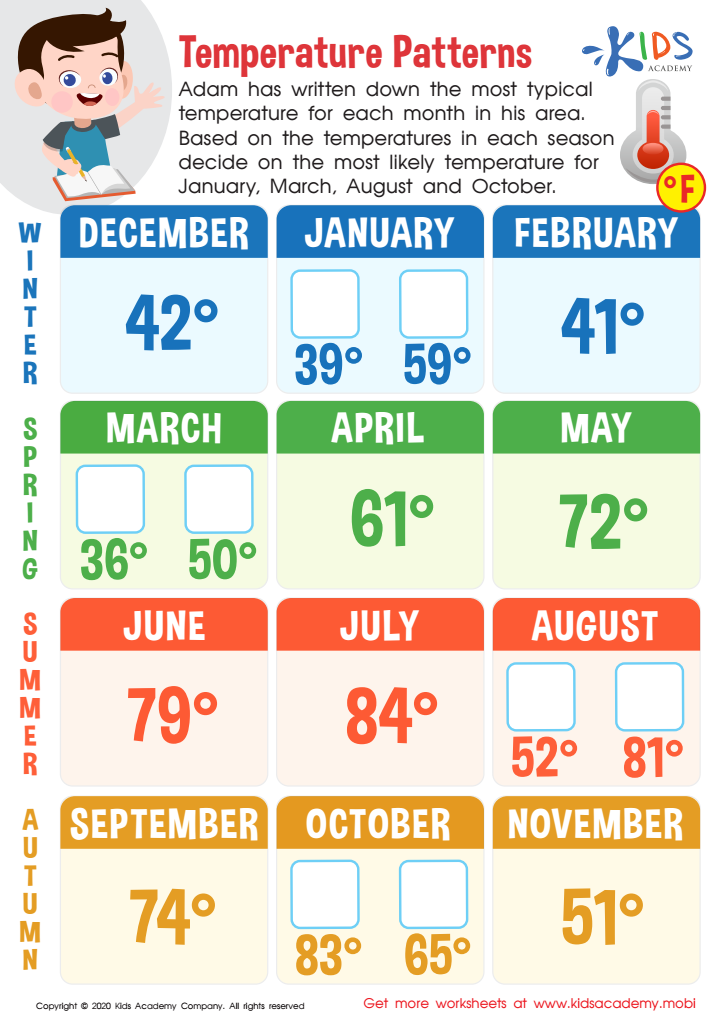
Temperature Patterns Worksheet
 Assign to My Students
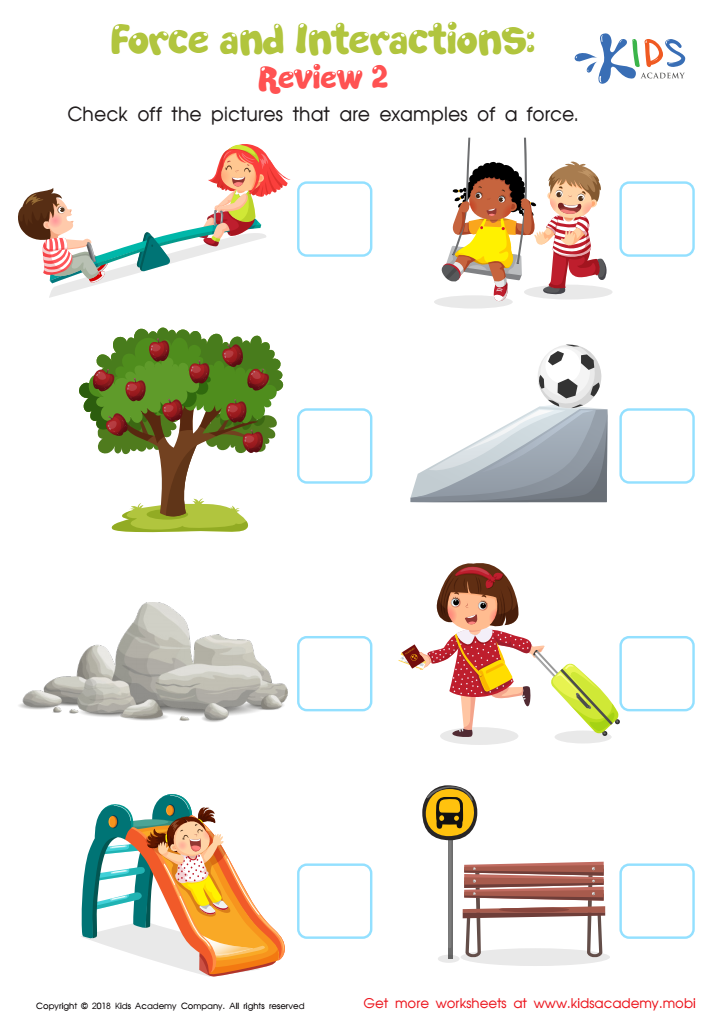
Force and Interactions: Review 2 Worksheet
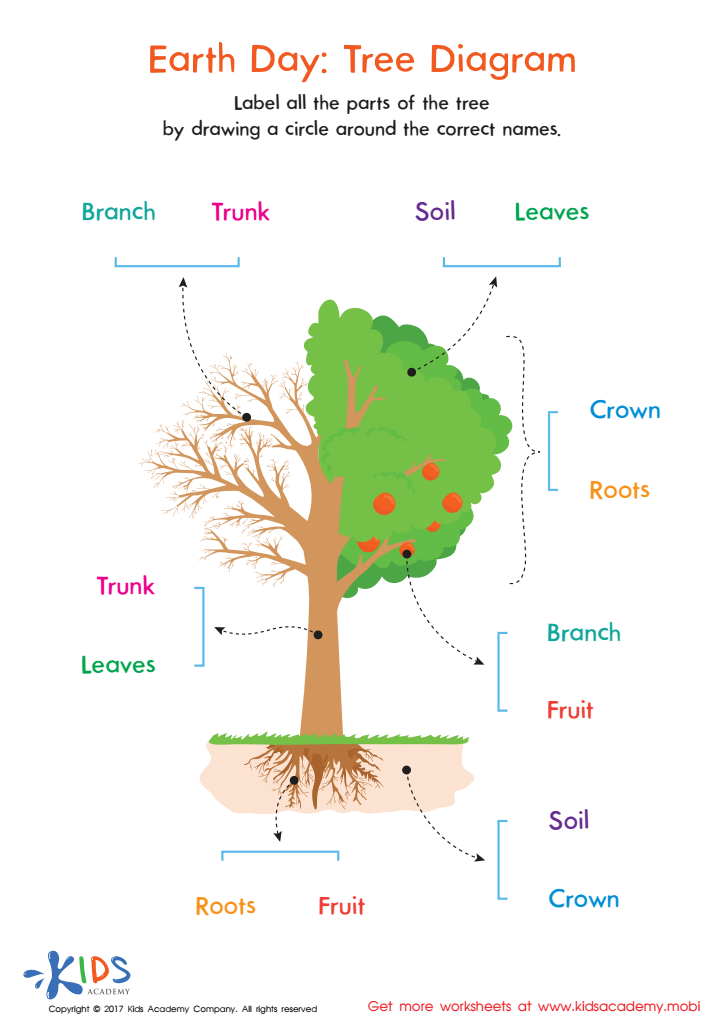
Earth Day: Tree Diagram Worksheet
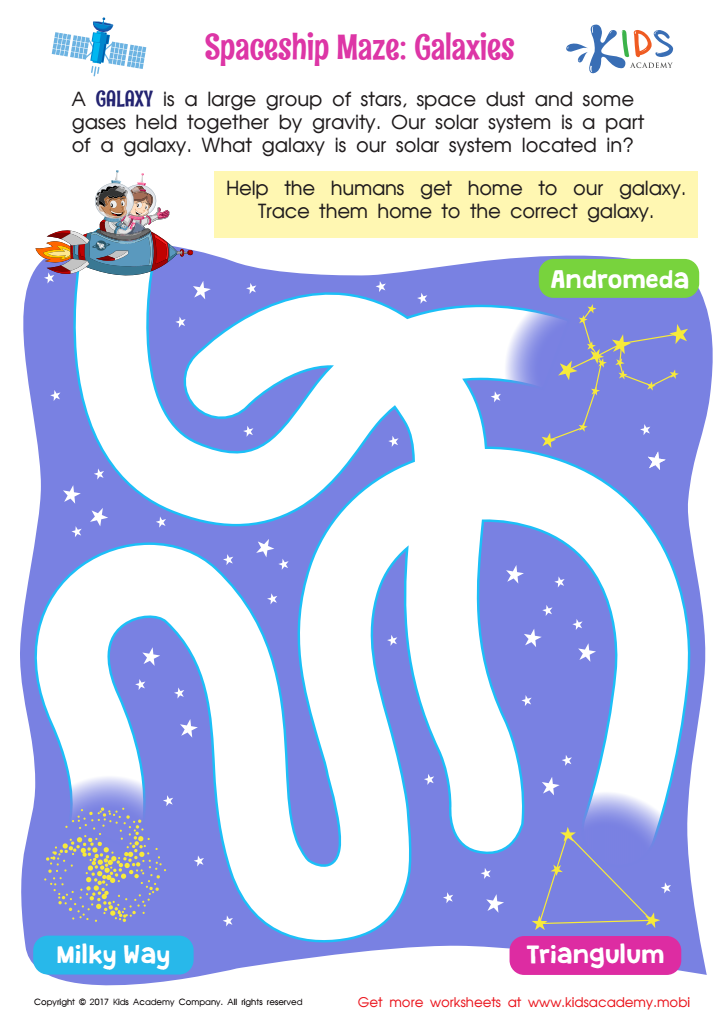
Spaceship Maze: Galaxies Worksheet
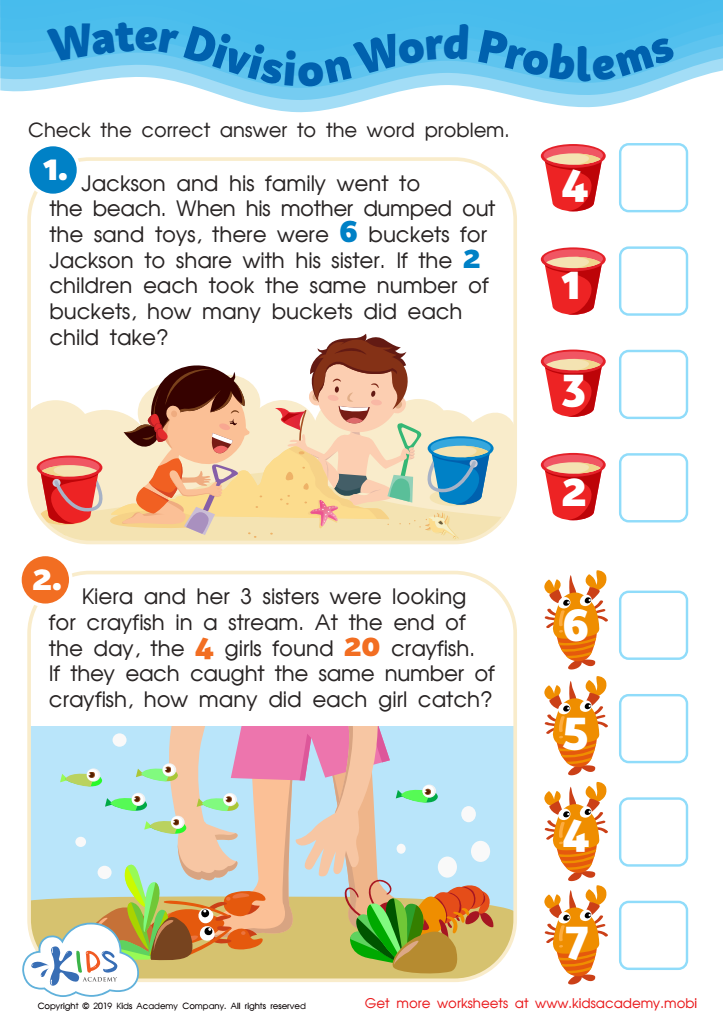
Water Division Word Problems Worksheet
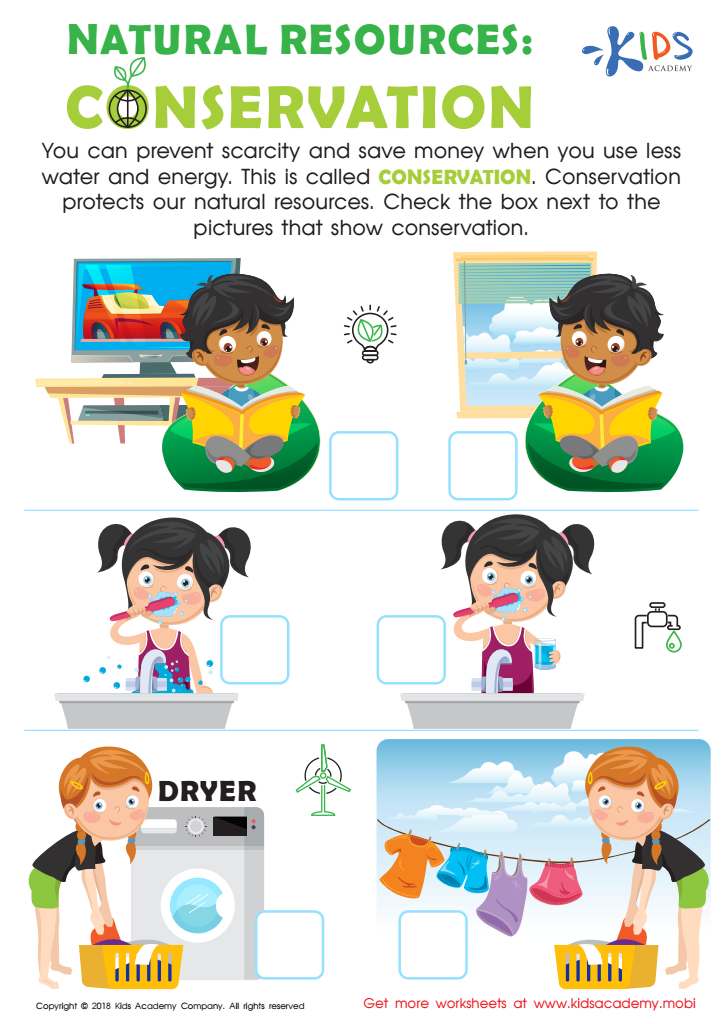
Natural Resources: Conservation Worksheet
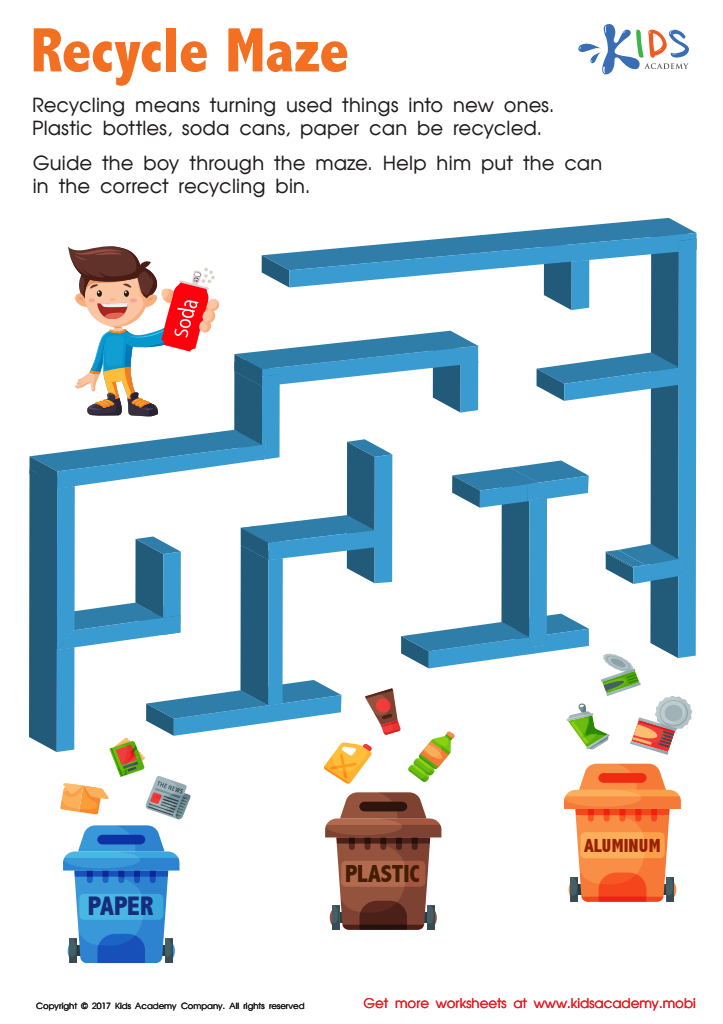
Recycle Maze Worksheet
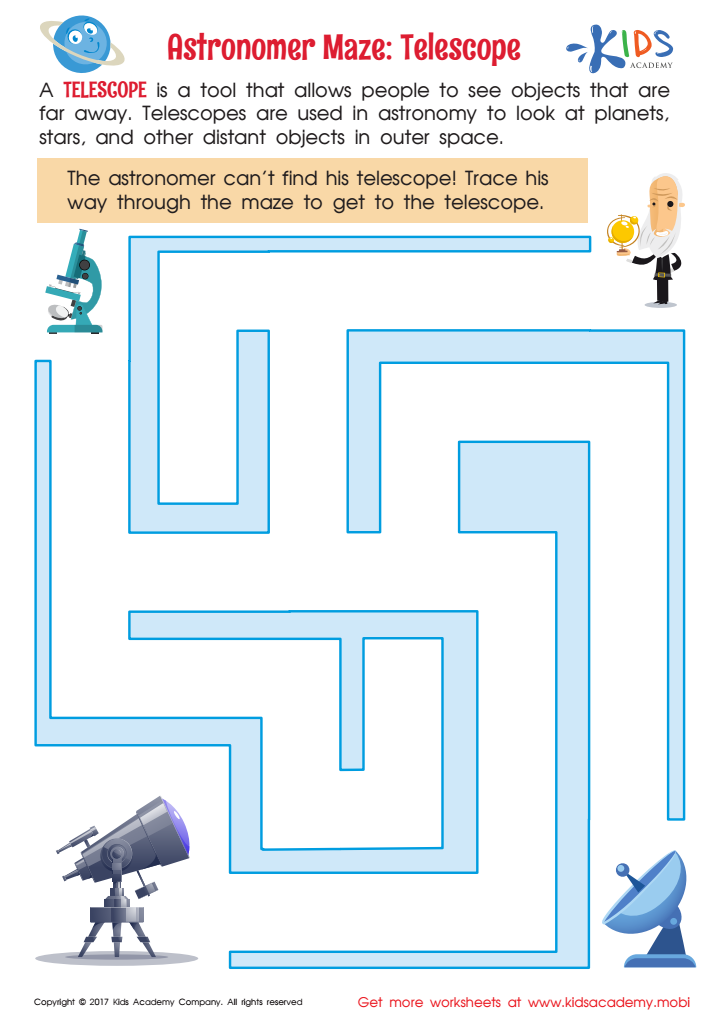
Astronomer Maze: Telescope Worksheet
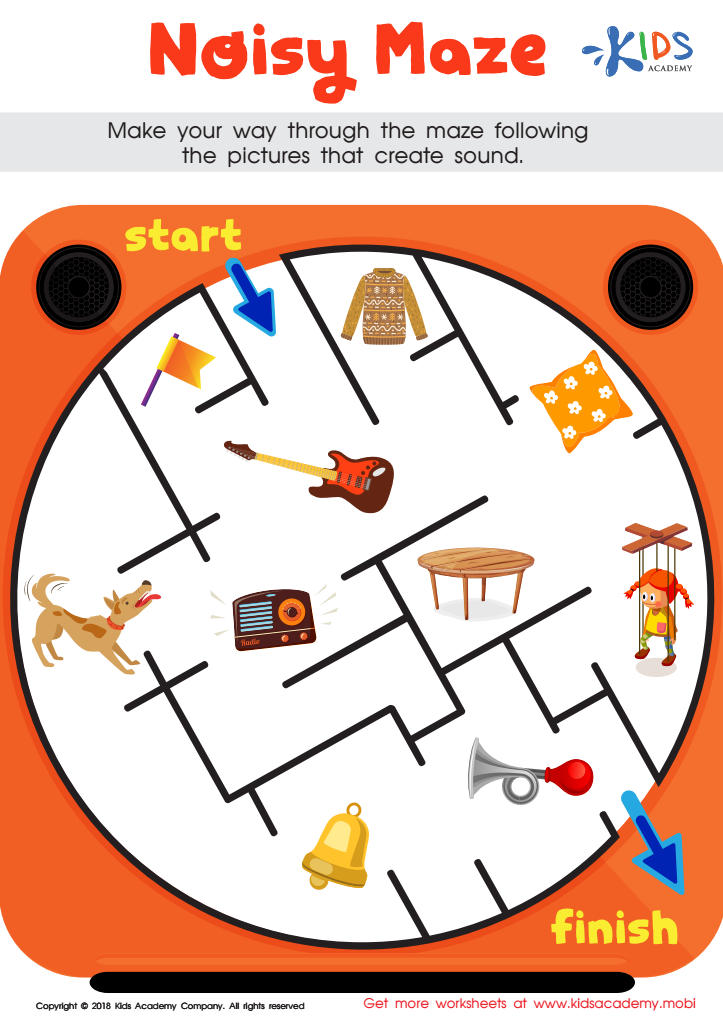
Noisy Maze Worksheet


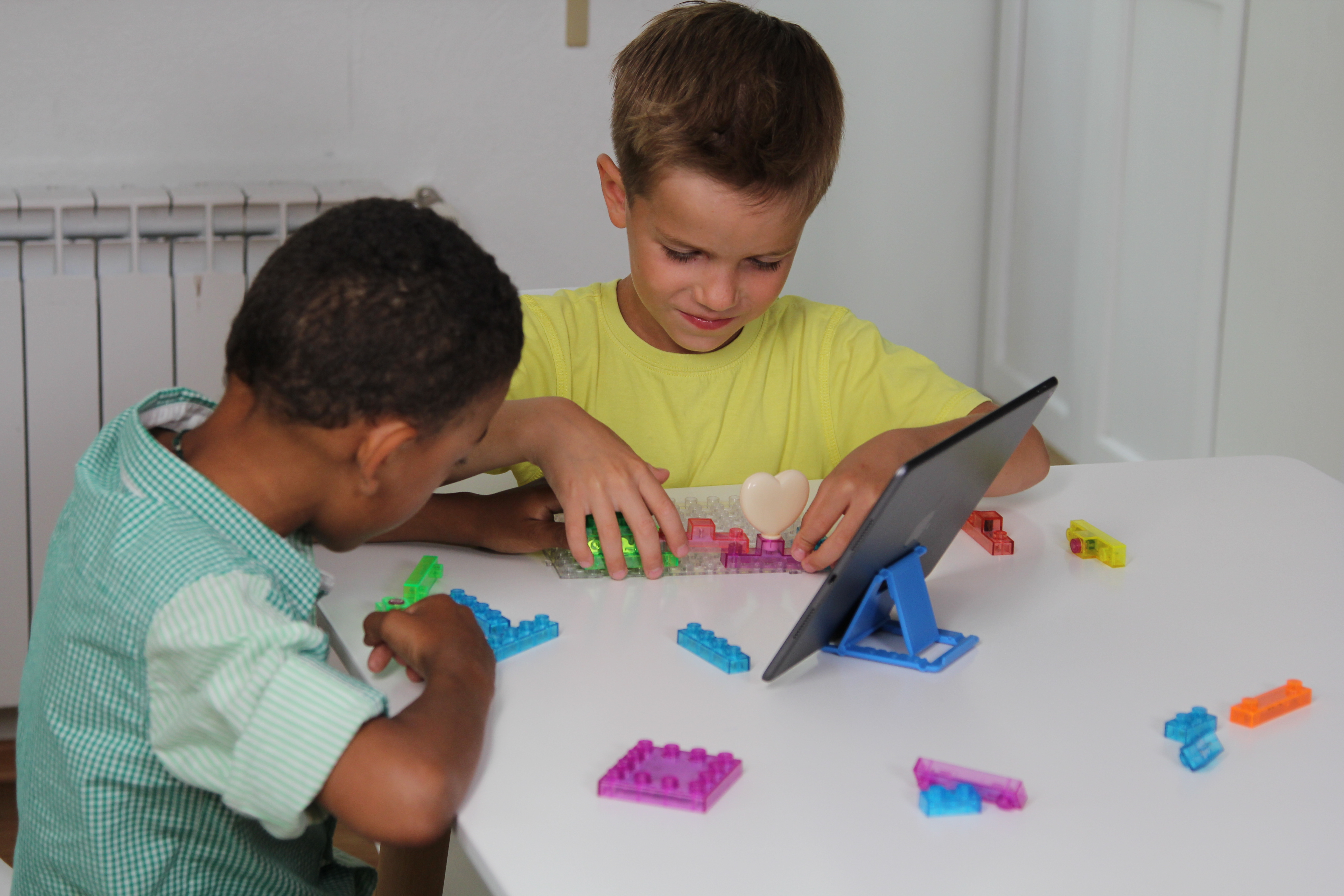


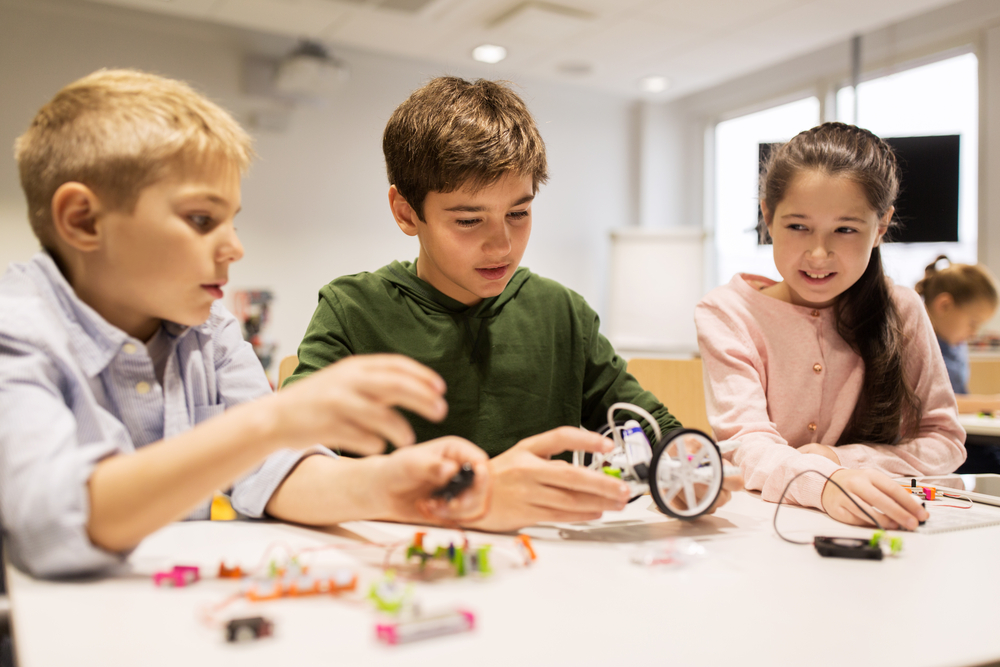

Parents and teachers should prioritize problem-solving skills in the context of normal science for 6-year-olds because these foundational abilities not only enhance cognitive development but also foster curiosity and engagement with the world. At this age, children are naturally inquisitive, often asking "why" and "how." Encouraging them to explore and solve problems scientifically helps promote critical thinking.
Problem-solving in normal science involves exploration, experimentation, and observation, allowing young learners to draw connections between concepts and real-world situations. For example, when children engage in simple experiments, they learn to hypothesize, gather data, and analyze results—skills that are essential academically and in everyday life.
Furthermore, strong problem-solving skills create a mindset of resilience. When faced with challenges, children who practice these skills are more likely to approach issues with confidence and seek solutions rather than feel overwhelmed. This attitude fosters a love of learning that can carry into later years.
Ultimately, by focusing on problem-solving skills within science, parents and teachers nurture a generation of critical thinkers who are prepared to navigate complexity and change in their future, making it an investment in children's overall development and success.







