Vocabulary Building Normal Science Worksheets for 6-Year-Olds
10 filtered results
-
From - To
Discover a fun and engaging way to enhance your 6-year-old’s vocabulary with our Vocabulary Building Normal Science Worksheets! Designed specifically for young learners, these worksheets integrate basic scientific concepts with language enrichment activities. Children will explore essential science vocabulary through interactive exercises, including matching terms with images and completing sentences. Our resources promote comprehension and retention while making learning enjoyable. Perfect for home or classroom use, these worksheets support early literacy skills and foster a love for science. Start your child’s journey toward vocabulary mastery and spark their curiosity about the world around them today!
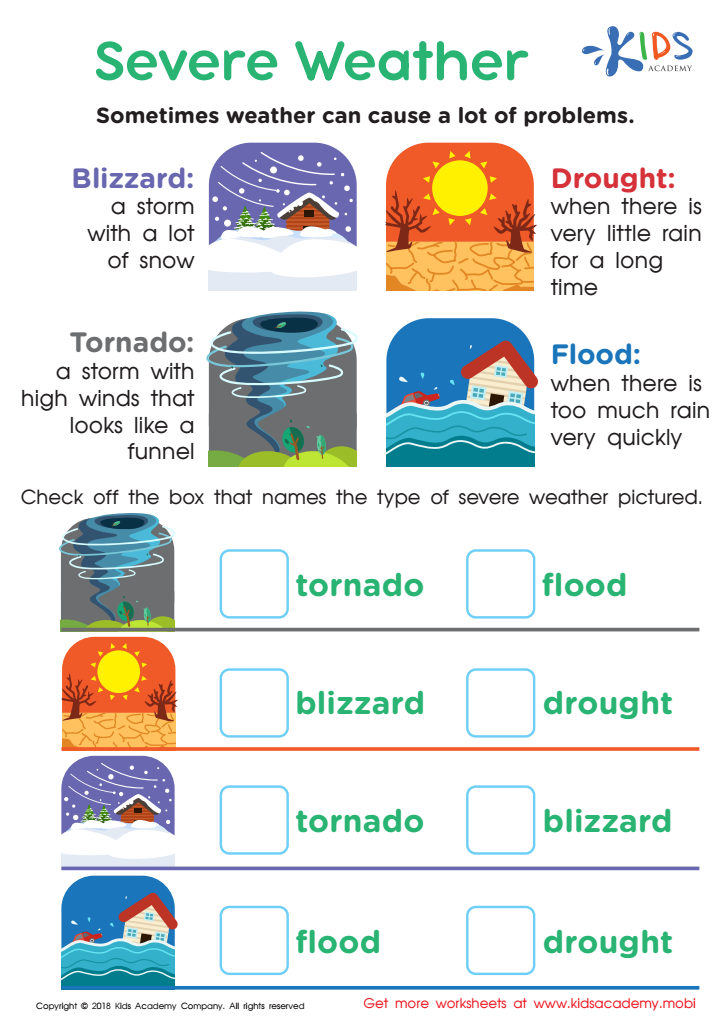
Severe Weather Worksheet
 Assign to My Students
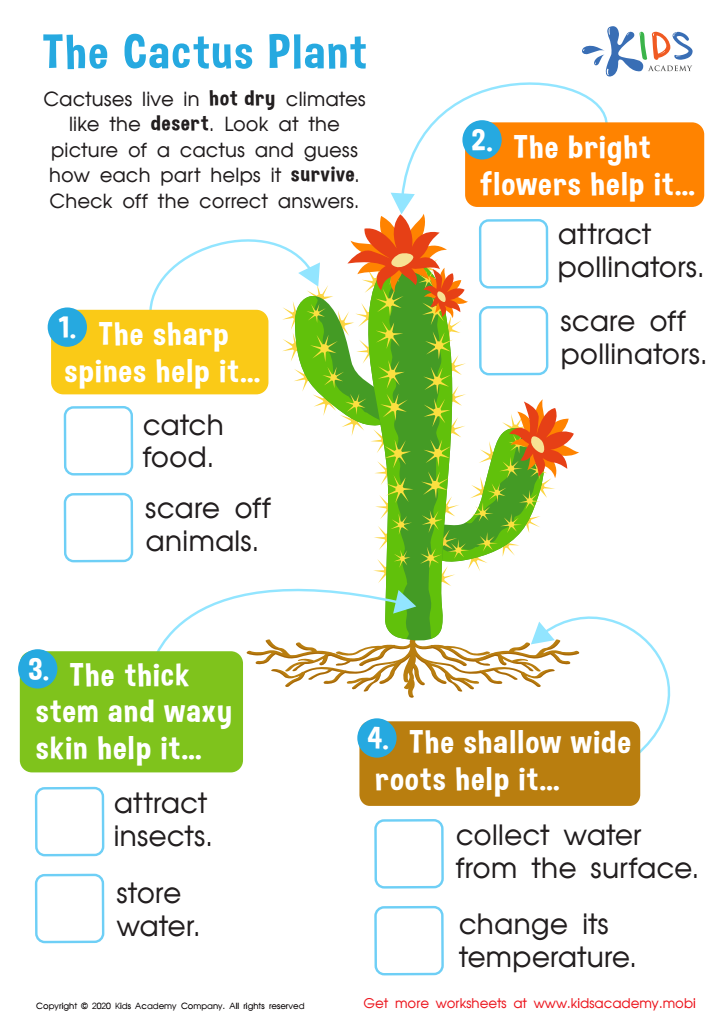
The Cactus Plant Worksheet
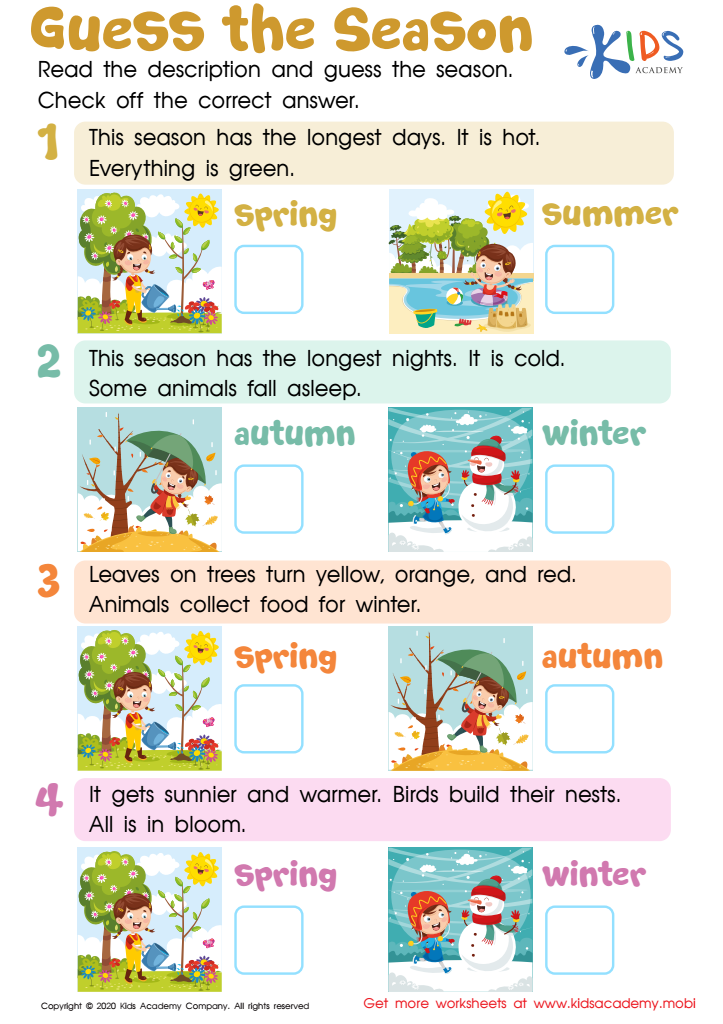
Guess the Season Worksheet
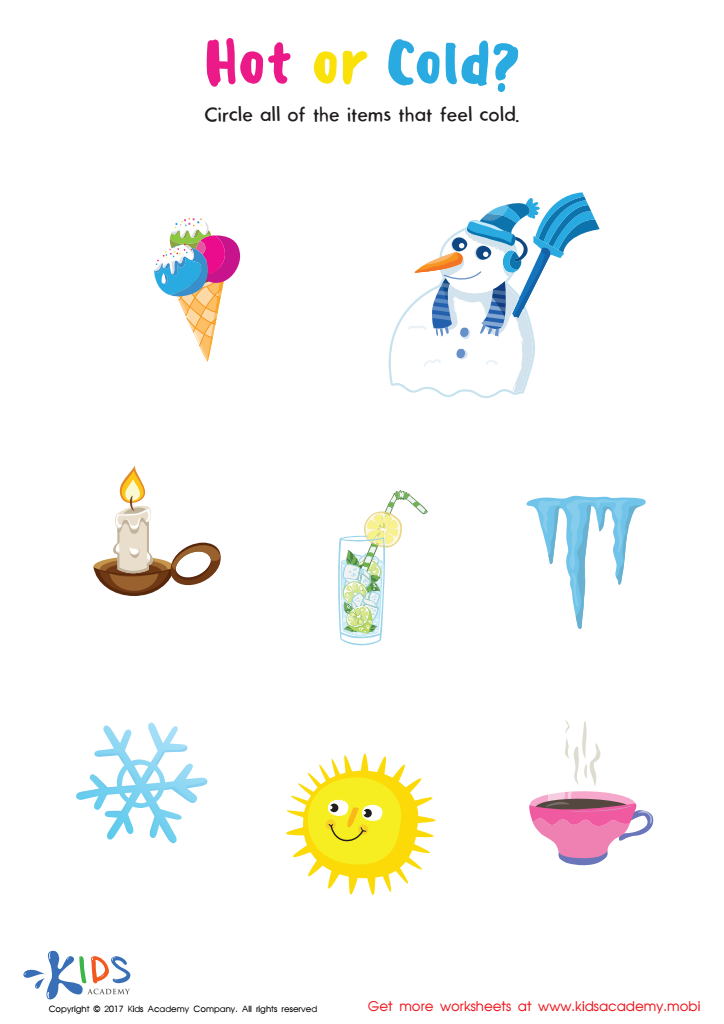
Hot or Cold Printable
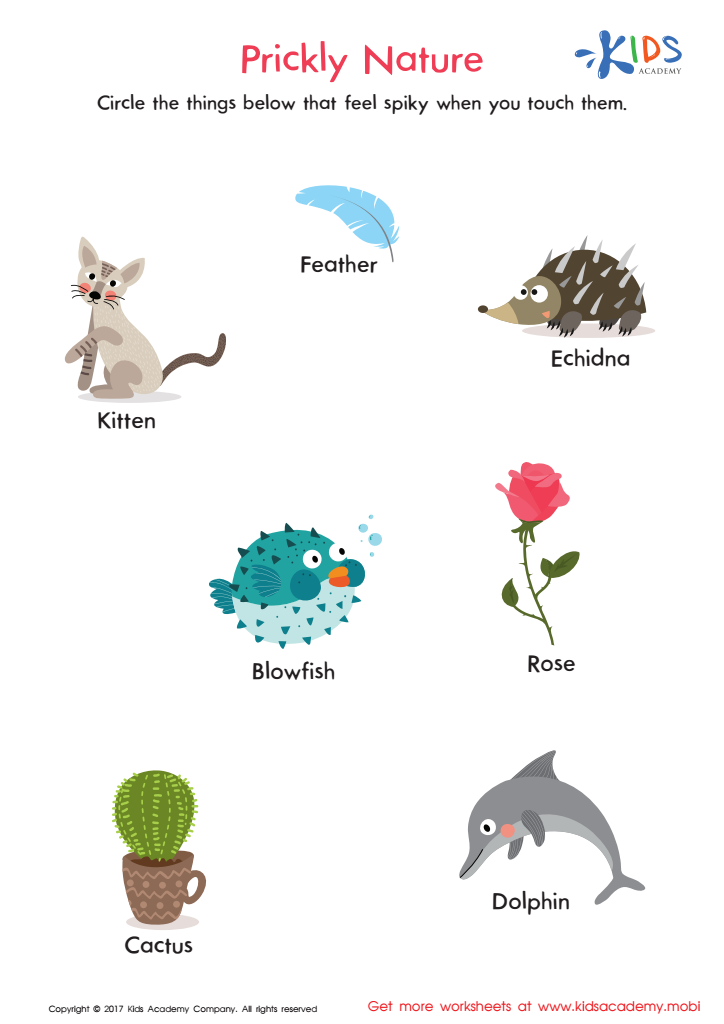
Prickly Nature Worksheet
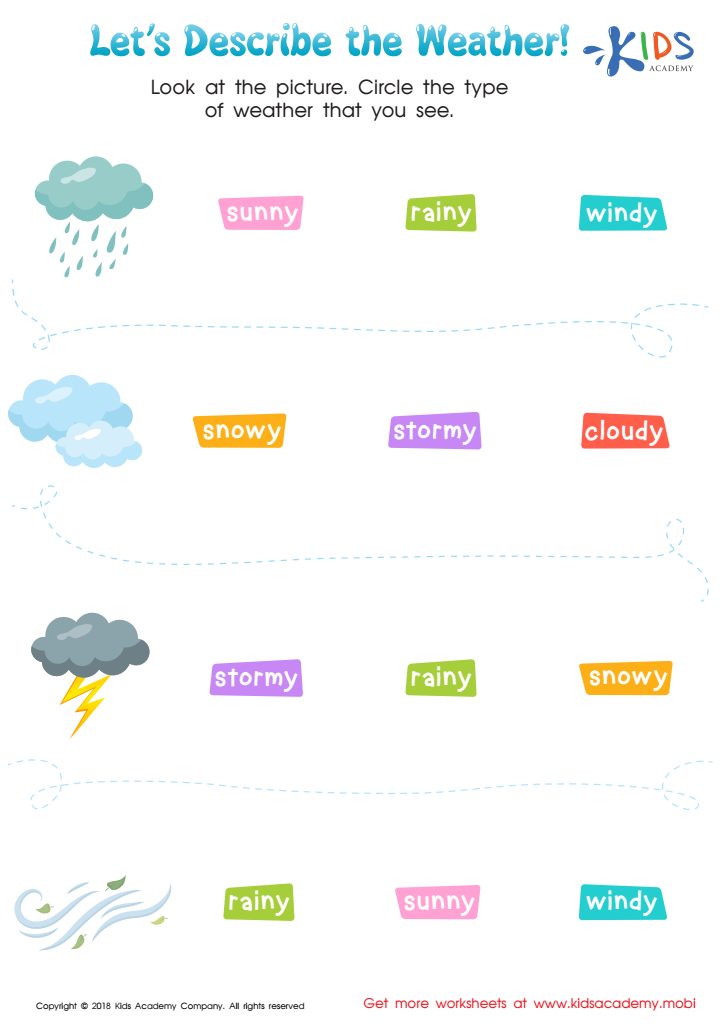
Let's Describe the Weather! Worksheet
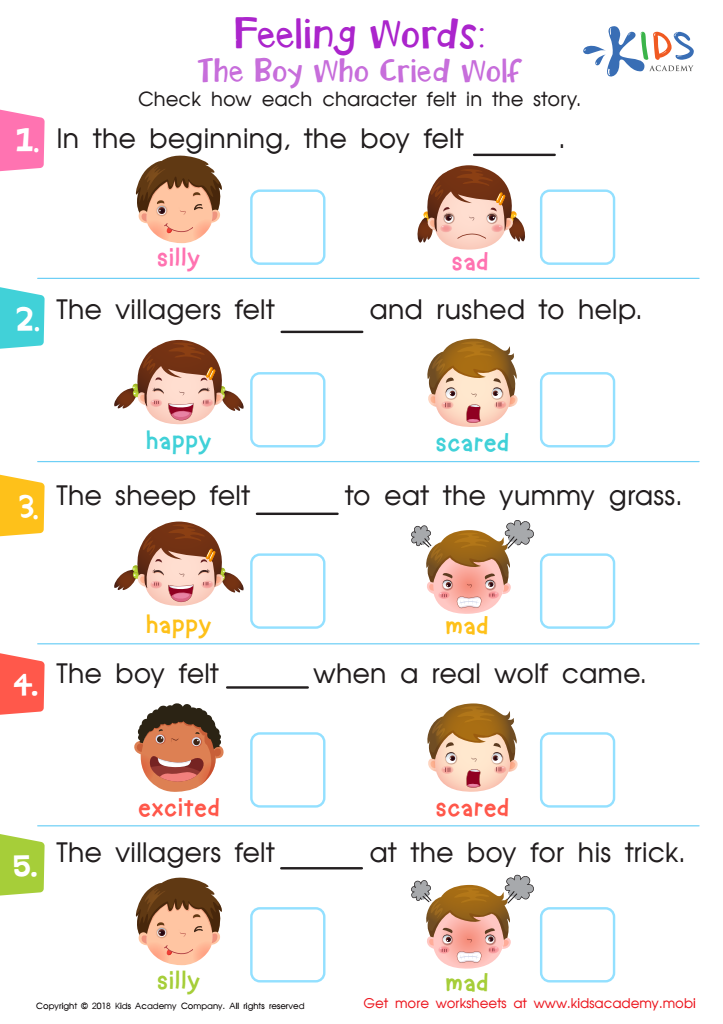
Feeling Words: The Boy Who Cried Wolf Worksheet
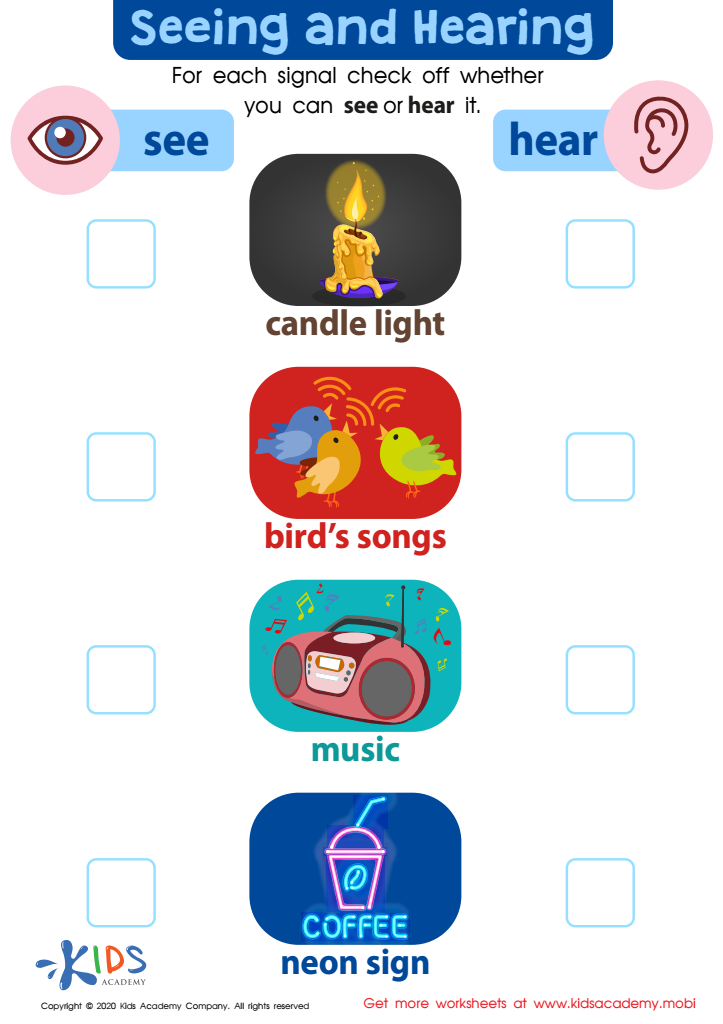
Seeing and Hearing Worksheet
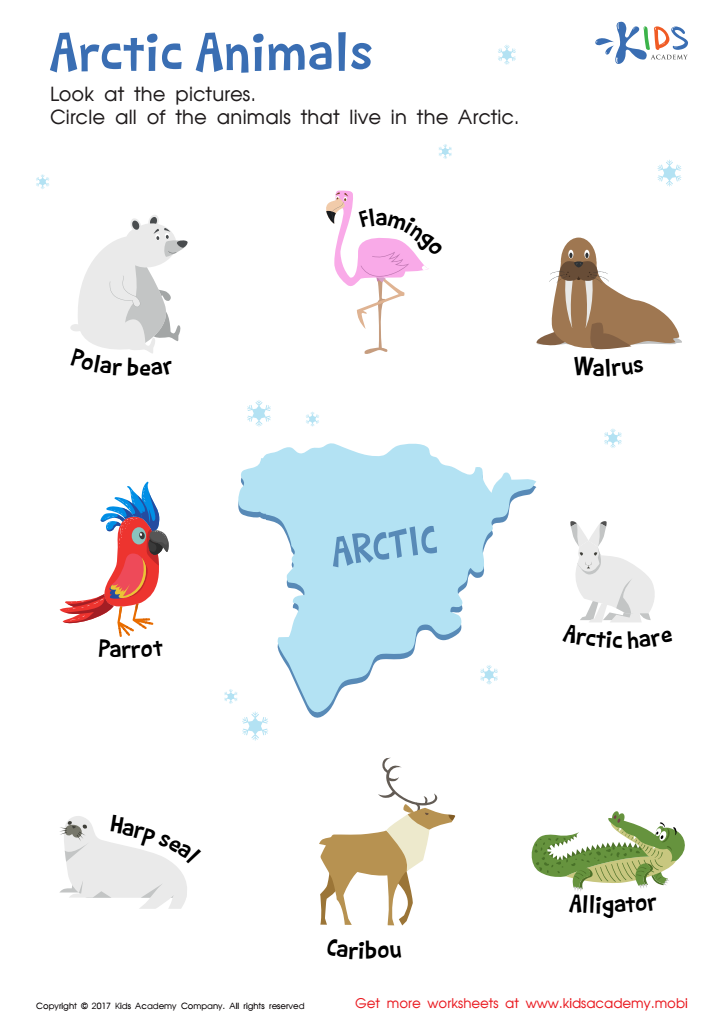
Arctic Animals Worksheet
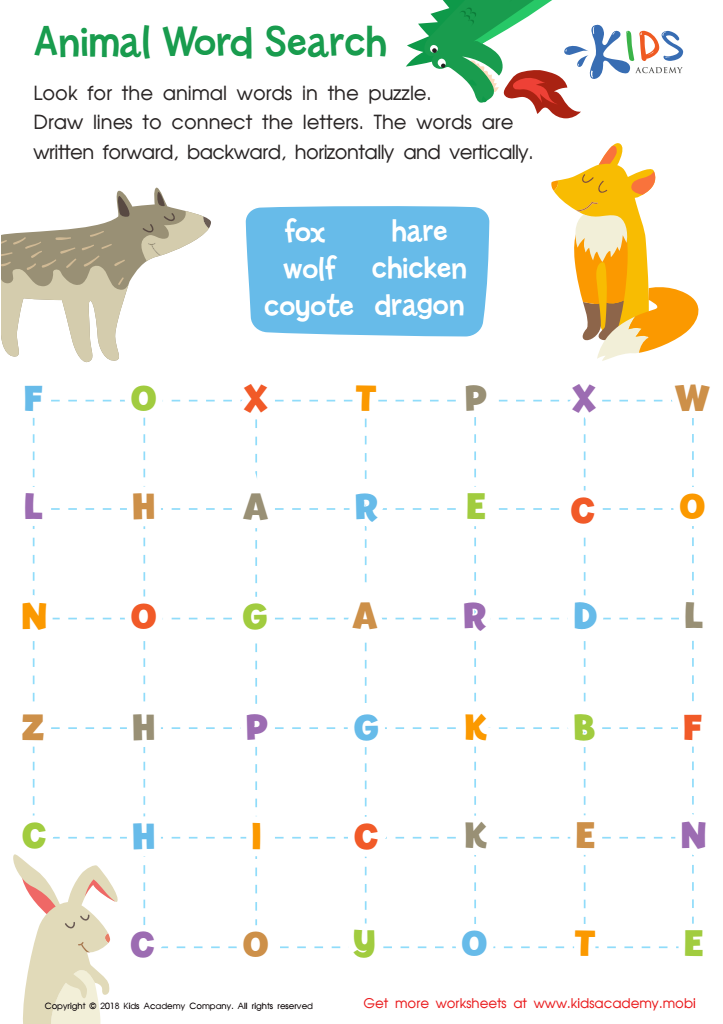
Animal Word Search Worksheet







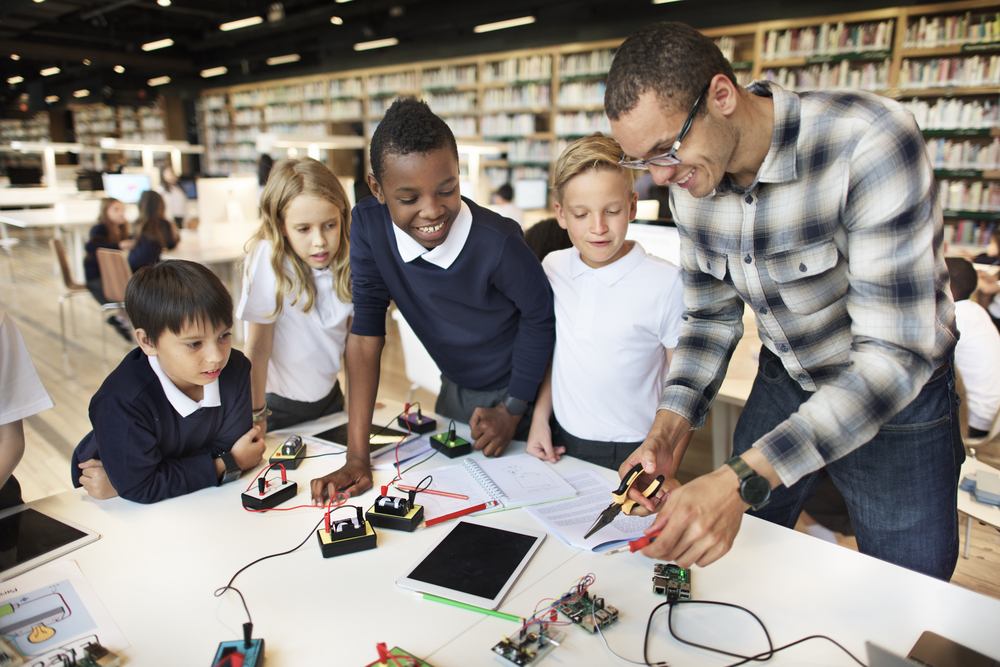
Vocabulary building in early childhood, particularly in science, is crucial for several reasons. For six-year-olds, a robust vocabulary enhances comprehension and communication skills, laying the foundation for academic success. Science introduces children to essential concepts about the world around them, from plants and animals to weather and materials. Using precise scientific vocabulary helps children articulate their observations and understand complex ideas.
Parents and teachers should care about vocabulary building in science because it fosters critical thinking and curiosity. When children learn specific terms, such as "habitat," "biodiversity," or "experiment," they begin to connect ideas and make sense of their experiences. This engagement not only cultivates a love for learning but also boosts problem-solving skills.
Moreover, strong vocabulary skills in science promote literacy development across subjects. Children who can describe and discuss scientific phenomena are better equipped to tackle reading and writing tasks.
By actively working on vocabulary related to normal science, parents and teachers provide children with tools to explore their environment, ask questions, and engage meaningfully with the world. This holistic approach nurtures lifelong learners who are inquisitive, knowledgeable, and prepared for more complex scientific concepts as they grow.







