Plant identification Normal Plants Worksheets for 6-Year-Olds
4 filtered results
-
From - To
Welcome to our Plant Identification Worksheets for 6-Year-Olds! Designed to spark curiosity and enthusiasm for the natural world, these interactive worksheets introduce young learners to common plants. Through engaging activities, children will enhance their observational skills, learn to distinguish between different plant species, and understand their unique features. Each worksheet is thoughtfully crafted to combine fun with foundational science knowledge, helping kids develop a love for nature while honing their critical thinking skills. Ideal for classrooms or homeschool environments, our resources provide a hands-on approach to learning about the vibrant ecosystem around us. Start your child’s plant exploration journey today!
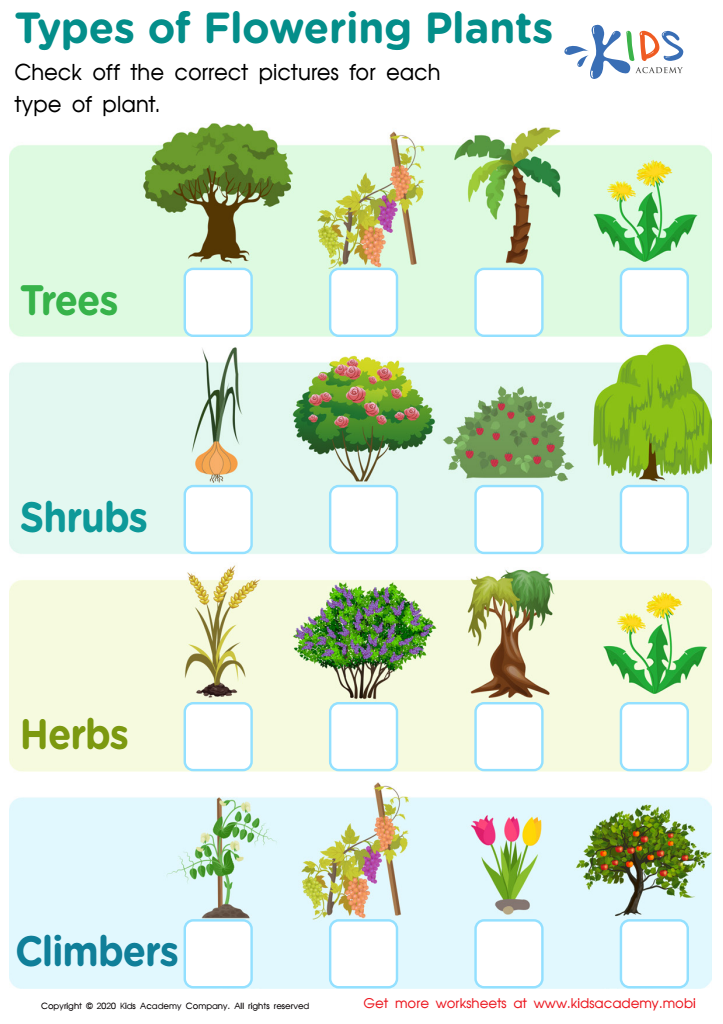
Types of Flowering Plants Worksheet
 Assign to My Students
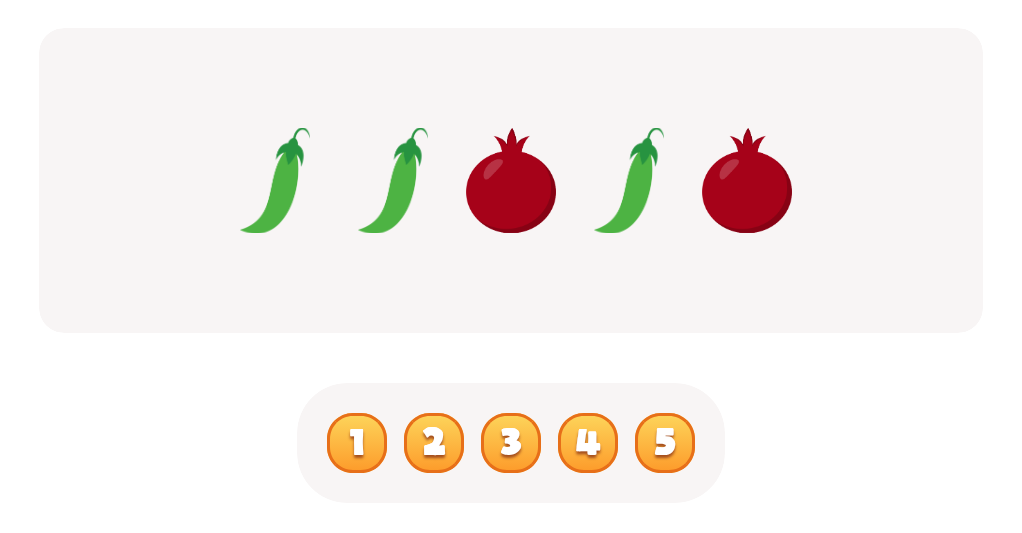

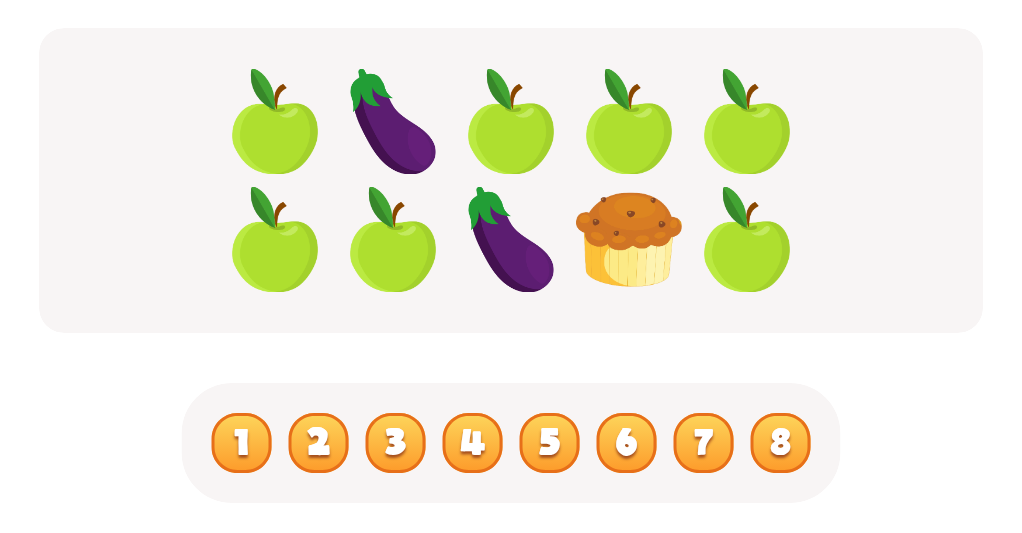
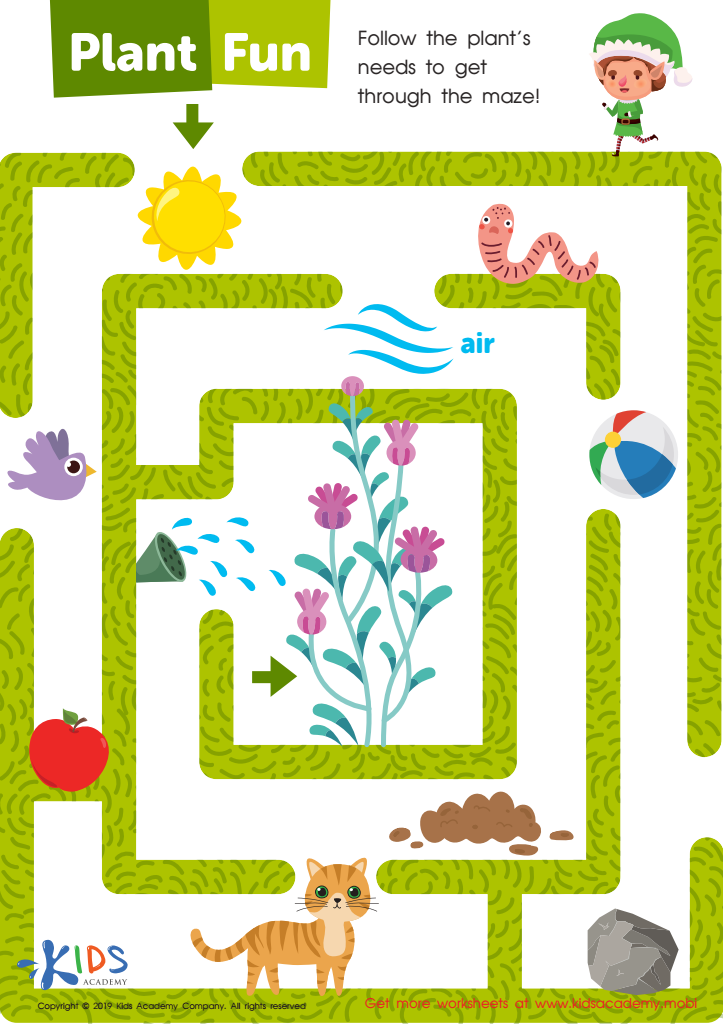
Plant Fun Worksheet
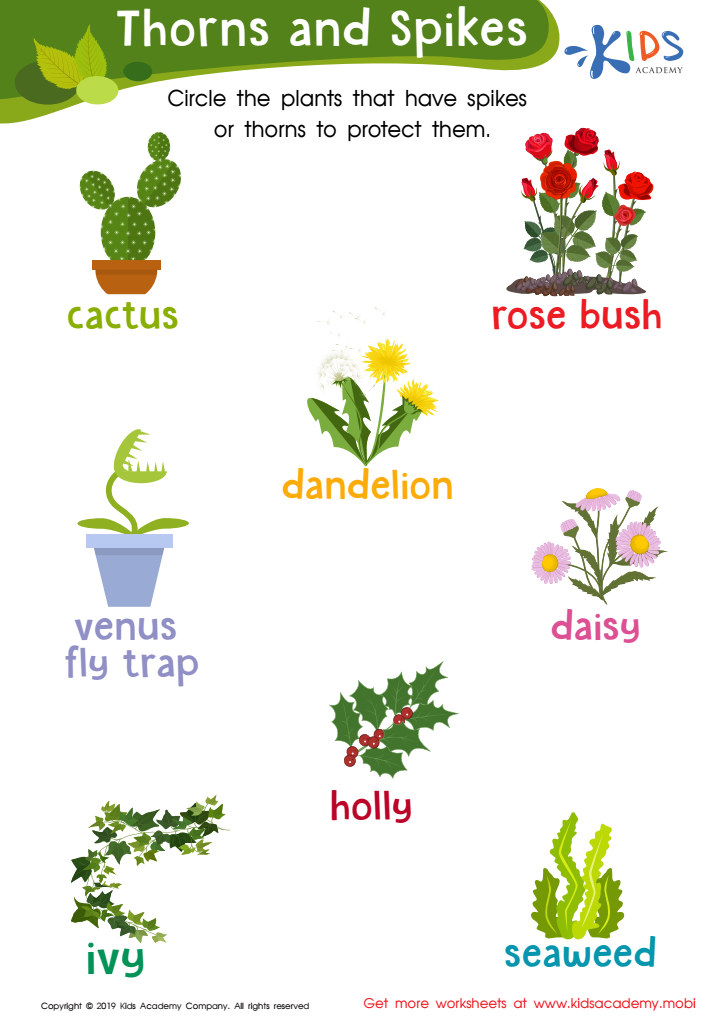
Thorns and Spikes Worksheet
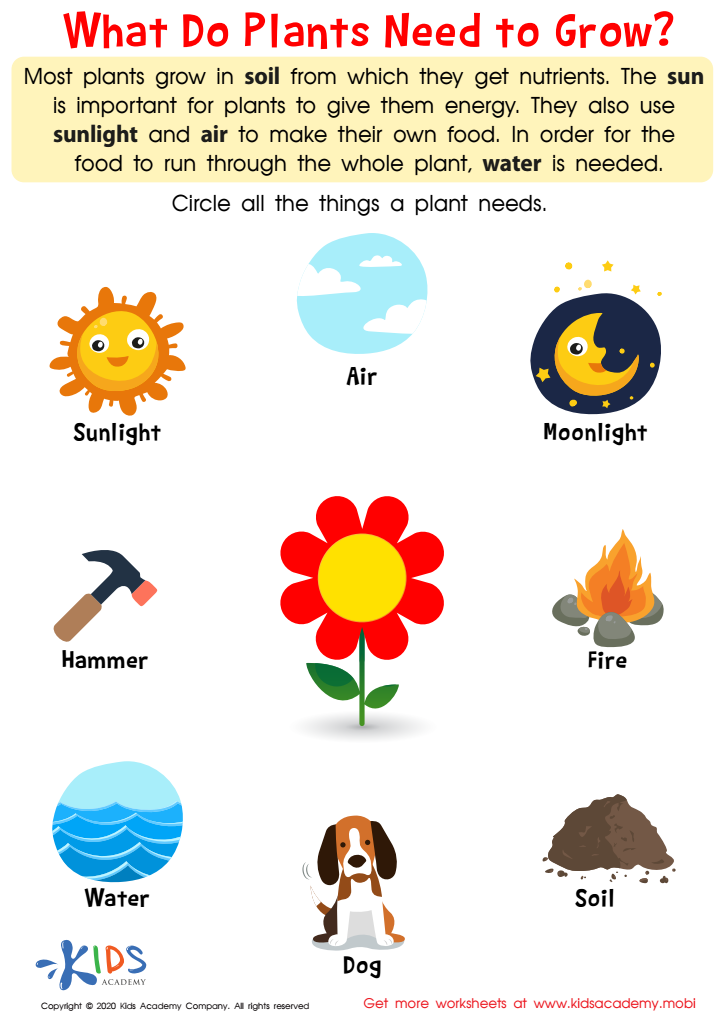
What Do Plants Need to Grow Worksheet







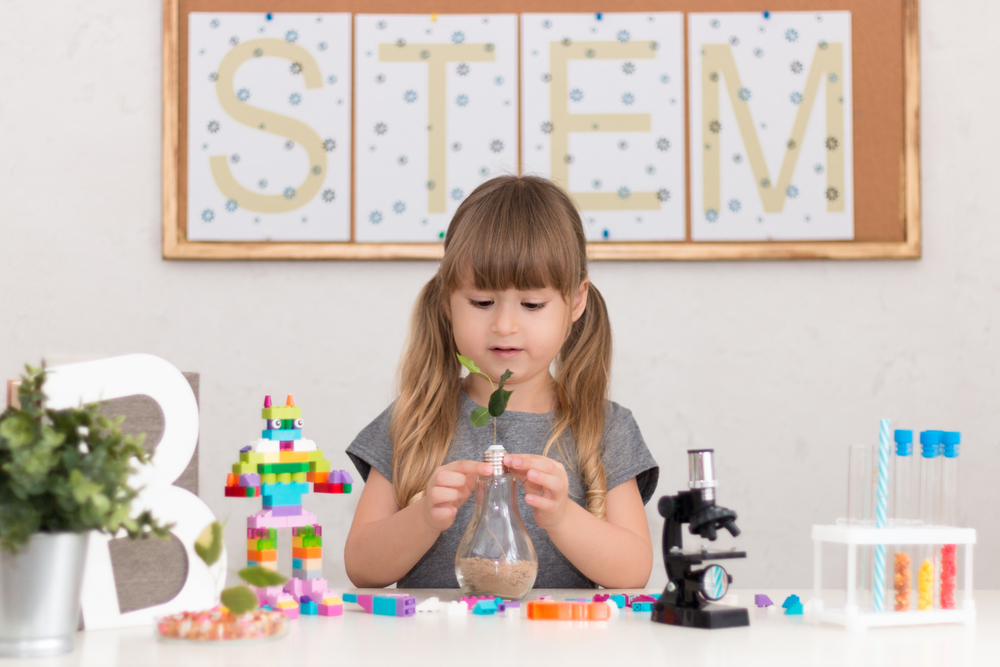
Plant identification is an essential activity for 6-year-olds, and both parents and teachers should prioritize it for several reasons. Firstly, engaging children in identifying normal plants fosters a sense of curiosity and establishes a connection with nature. By learning to recognize various plants, children develop observation skills and learn to appreciate biodiversity, which is crucial for fostering environmental stewardship.
Additionally, plant identification serves as a hands-on educational tool that enhances cognitive development. It encourages critical thinking and inquiry as children ask questions about different plants, their habitats, and their roles in ecosystems. This activity can also provide opportunities for incorporating cross-curricular learning, where concepts from science, art, and language can be blended together through discussions, crafts, or storytelling related to plants.
Furthermore, exploring plants can promote sensory experiences, allowing children to touch, smell, and observe different textures and colors. This multi-sensory engagement supports their emotional and social development, as children often share experiences and discoveries with peers and adults.
Promoting awareness of local flora is essential for instilling a lifelong love of nature, nurturing responsibility, and enabling children to make healthy environmental choices as they grow. Encouraging plant identification in early education sets the stage for a well-rounded and engaged understanding of our world.