Cognitive Development Normal World Around Us Worksheets for 6-Year-Olds
5 filtered results
-
From - To
Unlock your child's full potential with our "Cognitive Development Normal World Around Us Worksheets" designed specifically for 6-year-olds. These engaging and educational worksheets are crafted to enhance your child's cognitive skills by exploring the fascinating world around them. Each worksheet integrates fun and interactive activities that stimulate curiosity, critical thinking, and problem-solving. Perfect for both classroom and home learning, our resources cater to the developmental needs of young learners, ensuring they build a solid foundation for future learning. Start exploring today and watch your child's cognitive abilities flourish! Discover more on Kids Academy.
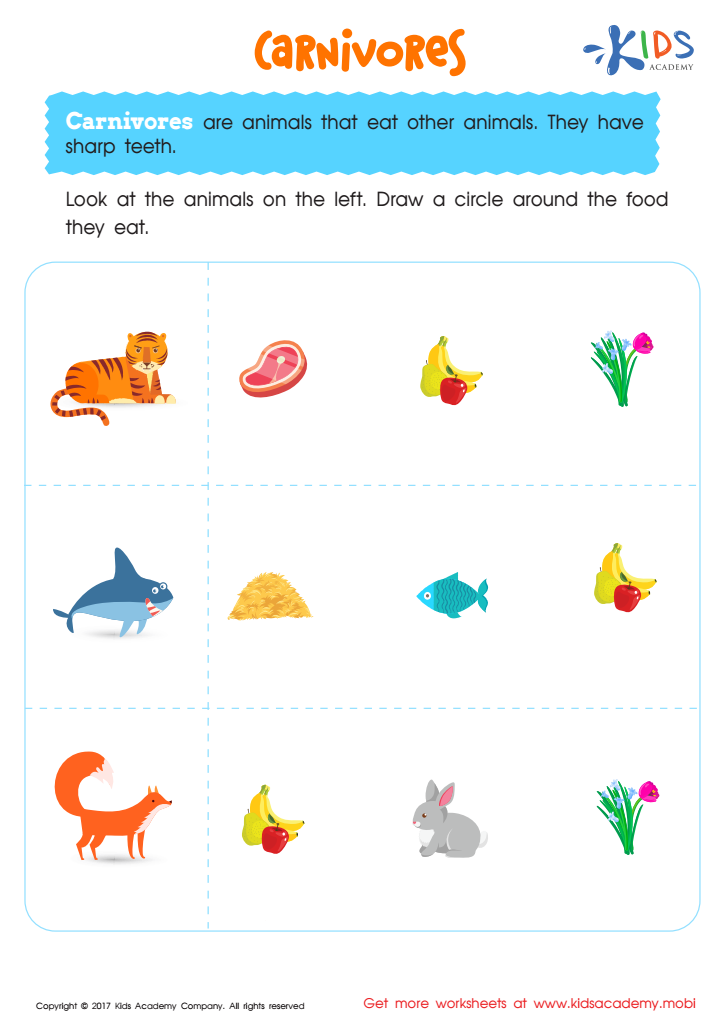
Carnivores Worksheet
 Assign to My Students
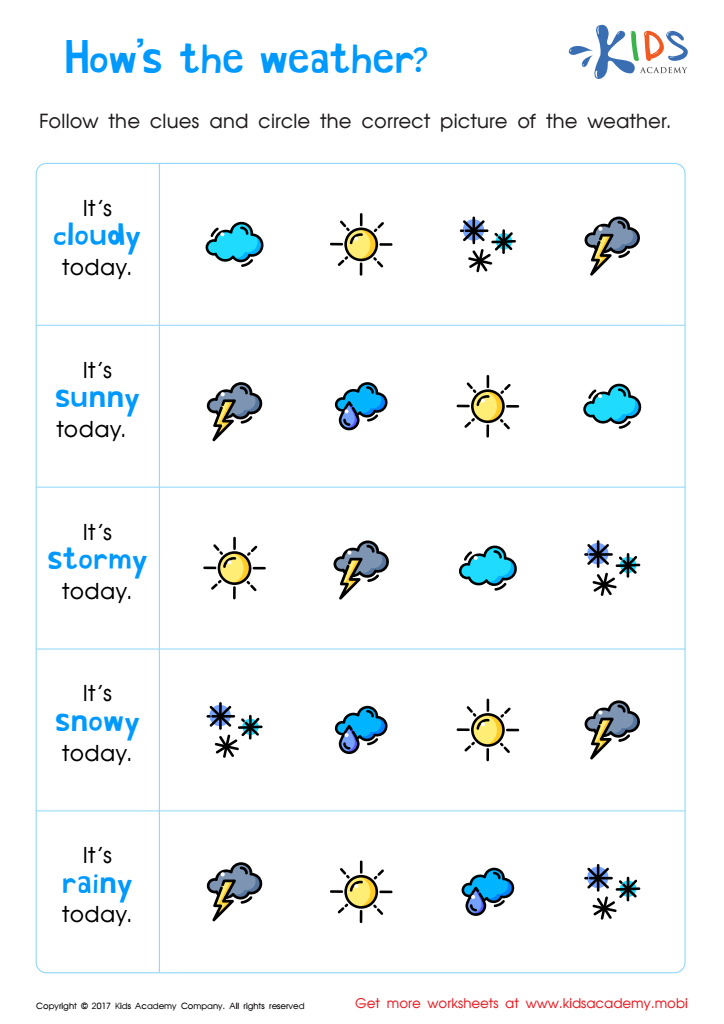
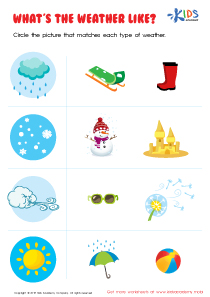
Hows the Weather Worksheet

Traditional Dance Printable

Arctic Animals Worksheet
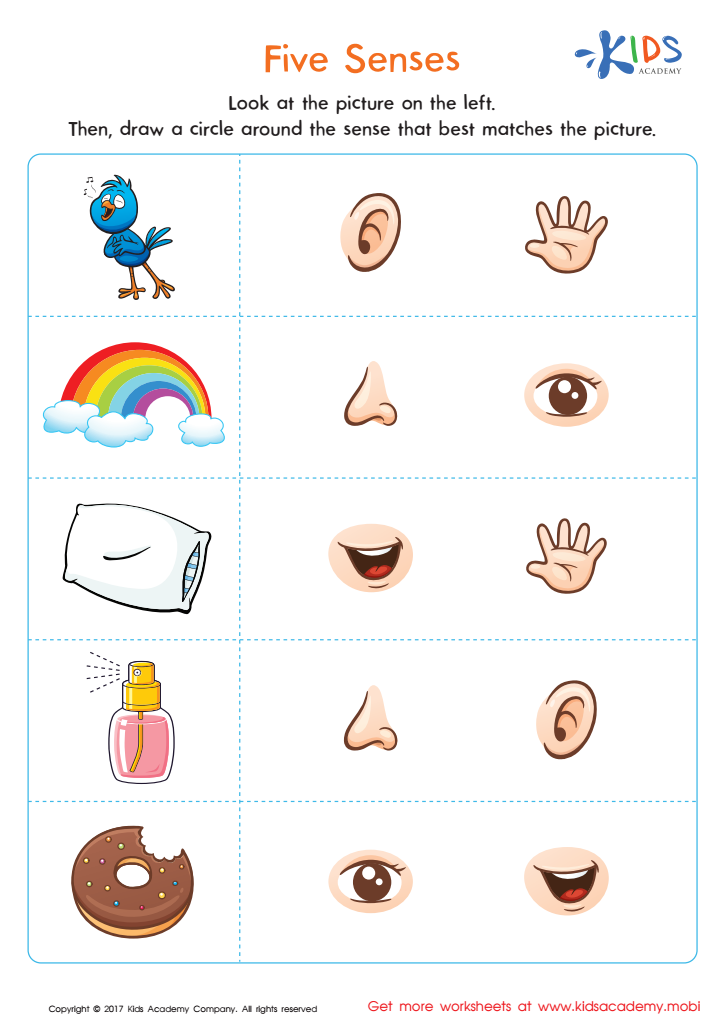
Five Senses Printable








Parents and teachers should care deeply about the cognitive development of 6-year-olds because this stage is foundational for future learning and overall brain growth. At this age, children's brains are incredibly receptive and flexible, making it a crucial time for developing skills essential for later academic success, problem-solving, and emotional regulation.
Cognitive development includes the maturation of thinking, learning, and the ability to understand the world. Six-year-olds are beginning to improve their reasoning abilities, language skills, and memory capacity. They start to understand more complex ideas and engage more meaningfully with their environment, which is pivotal for effective learning.
Understanding and nurturing this development also allows for early identification and intervention for potential developmental delays or learning disabilities. Timely support can profoundly impact a child's educational trajectory and self-esteem, thereby enhancing their overall well-being.
Teachers and parents can foster optimal cognitive development by providing stimulating, supportive environments, rich with books, conversations, imaginative play, and real-world exploration. Such experiences encourage curiosity, critical thinking, and intellectual engagement. Consequently, paying attention to cognitive development at this age not only aids academic performance but also equips children with the problem-solving tools and healthy habits necessary for lifelong success.