Handwriting Skills Normal Alphabet Worksheets for Ages 7-8
5 filtered results
-
From - To
Enhance your child's handwriting skills with our engaging Normal Alphabet Worksheets designed specifically for ages 7-8. These worksheets promote proper letter formation through fun exercises that reinforce fine motor skills and boost confidence in writing. Each page features a range of activities, including tracing, writing challenges, and creative prompts tailored to engage young learners. Our resources not only help children master their penmanship but also support their overall language development. Perfect for at-home learning or classroom activities, these printable worksheets will make practicing handwriting enjoyable and stress-free. Start your child's journey towards excellent handwriting today!
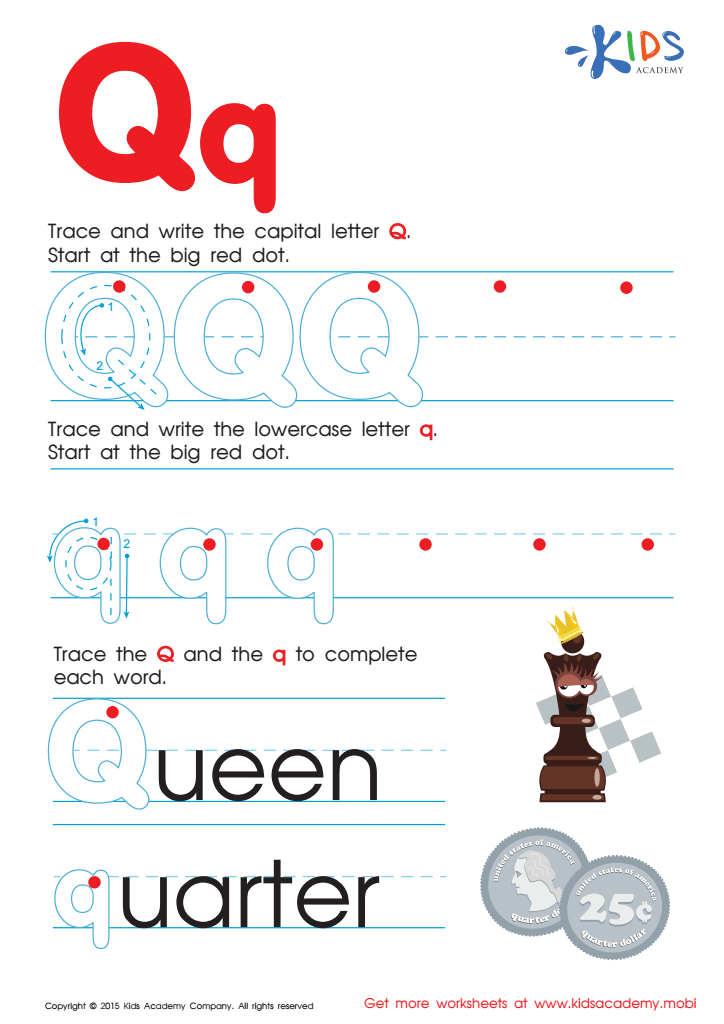
Letter Q Tracing Page
 Assign to My Students
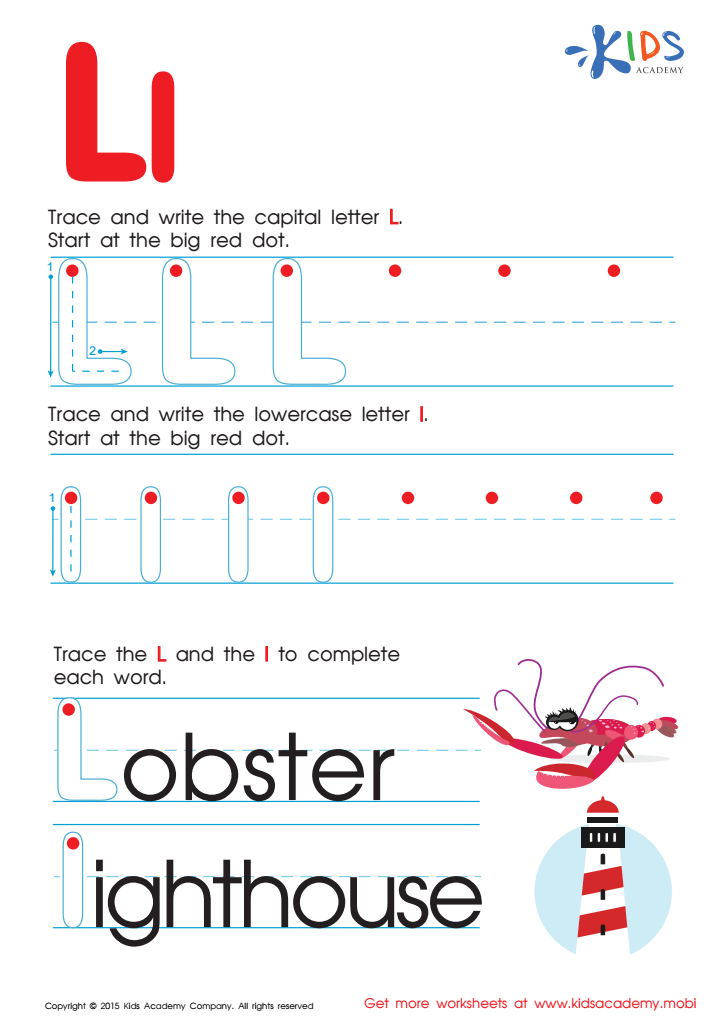
Letter L Tracing Page
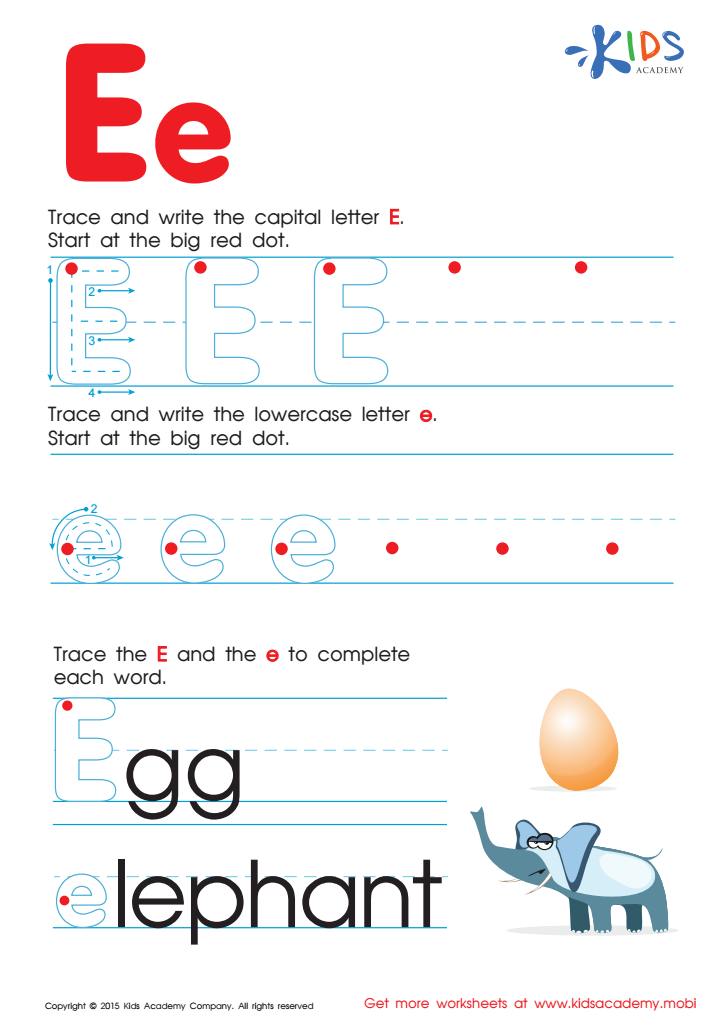
Letter E Tracing Page
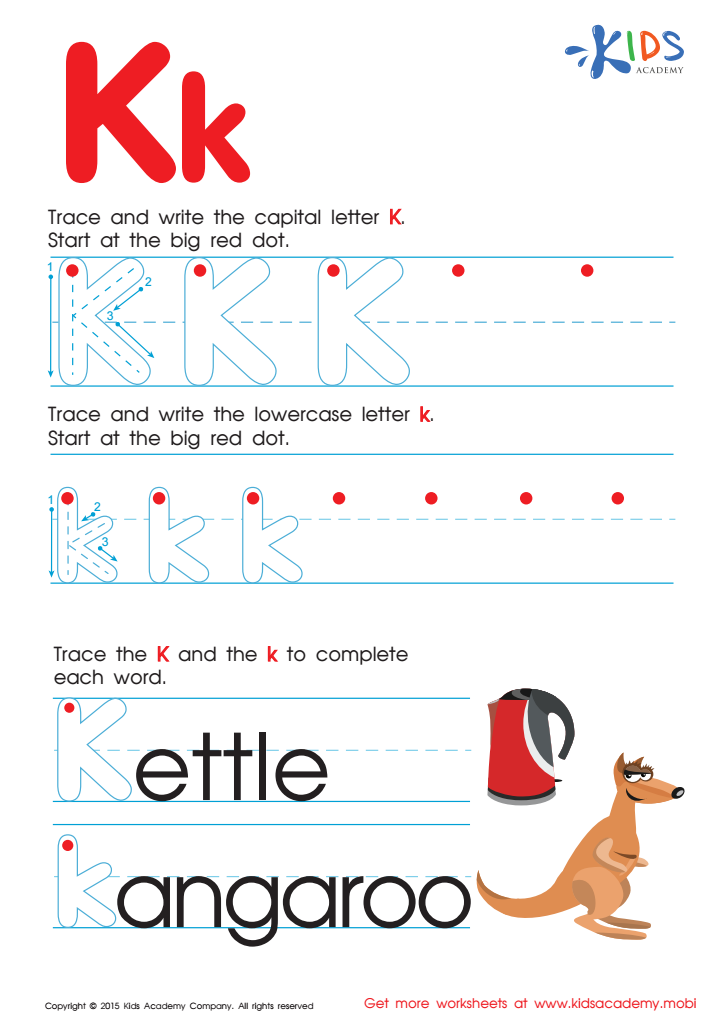
Letter K Tracing Page

Letter F Tracing Page






Handwriting skills are crucial for children aged 7-8 as they serve as a foundation for effective communication and academic success. At this age, children transition from learning to write to writing to learn, making proficient handwriting essential for expressing their thoughts clearly.
Good handwriting skills enhance academic performance. When children are able to write legibly and with proper letter formation, they can focus more on the content of their writing rather than the mechanics, allowing them to communicate ideas fluidly. This is particularly important in classrooms, where assignments often demand both speed and clarity.
Furthermore, handwriting is linked to fine motor skills development, benefiting children's overall hand-eye coordination and dexterity. In an increasingly digital world, developing handwriting skills helps counterbalance the reliance on technology, maintaining the brain's motor memory functions.
Another significant aspect is the emotional connection tied to writing. When children take pride in their handwriting, it boosts self-esteem and encourages them to express themselves and engage more actively in class activities. In summary, focusing on handwriting skills for ages 7-8 promotes academic achievement, fine motor development, and a positive attitude toward learning, making it a priority for parents and educators alike.







