Letter-sound association Normal Alphabet Worksheets for Ages 7-8
3 filtered results
-
From - To
Discover our engaging "Letter-Sound Association Normal Alphabet Worksheets" designed specifically for children ages 7-8. These worksheets help young learners master essential phonics skills by associating letters with their corresponding sounds. Each activity is thoughtfully crafted to improve reading readiness and boost confidence in literacy. Featuring a variety of fun exercises—including matching games, fill-in-the-blanks, and visual aids—these worksheets cater to different learning styles. Perfect for both classroom and at-home use, our resources will empower your child to excel in their reading journey. Unlock their potential with engaging, interactive learning tools that make mastering letter-sound relationships enjoyable and effective!
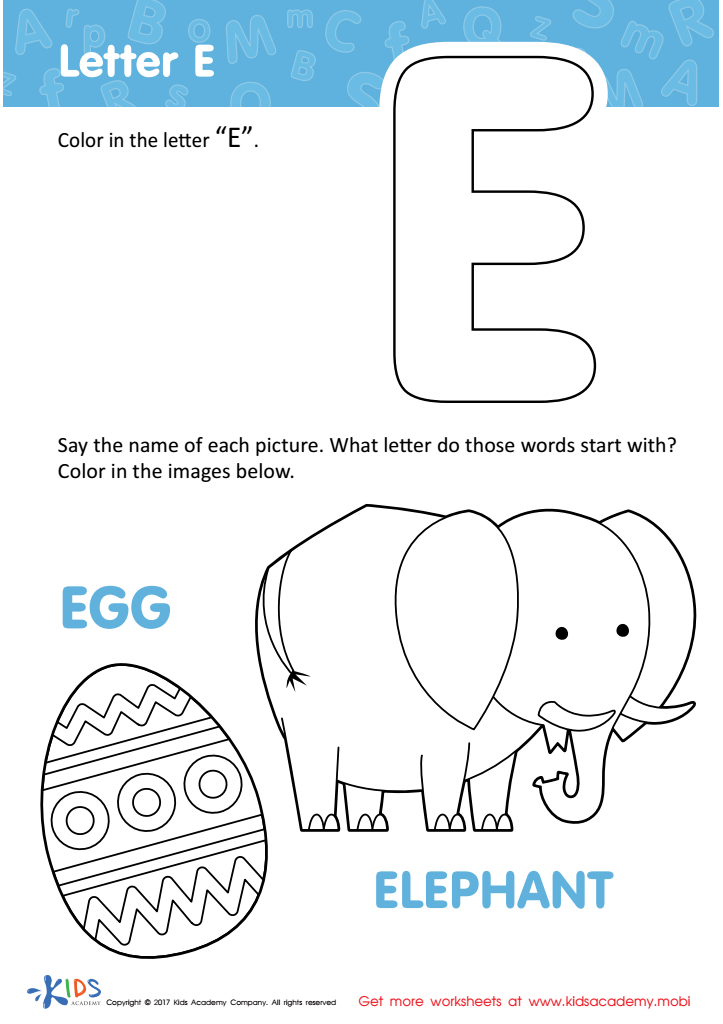
Letter E Coloring Sheet
 Assign to My Students
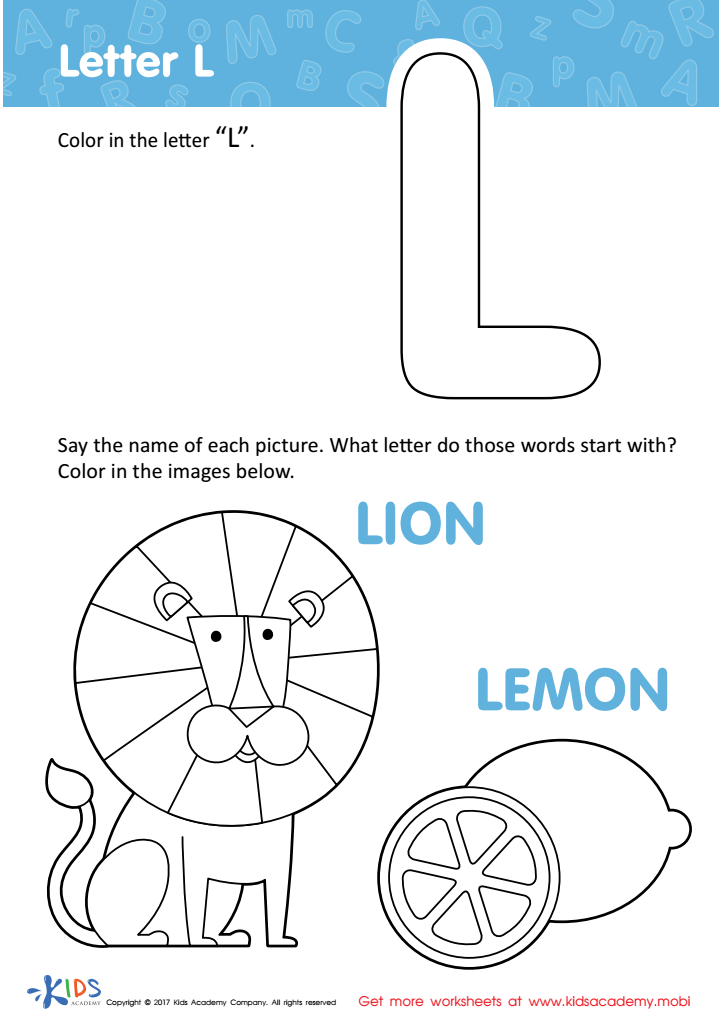
Letter L Coloring Sheet
Assign to My Students
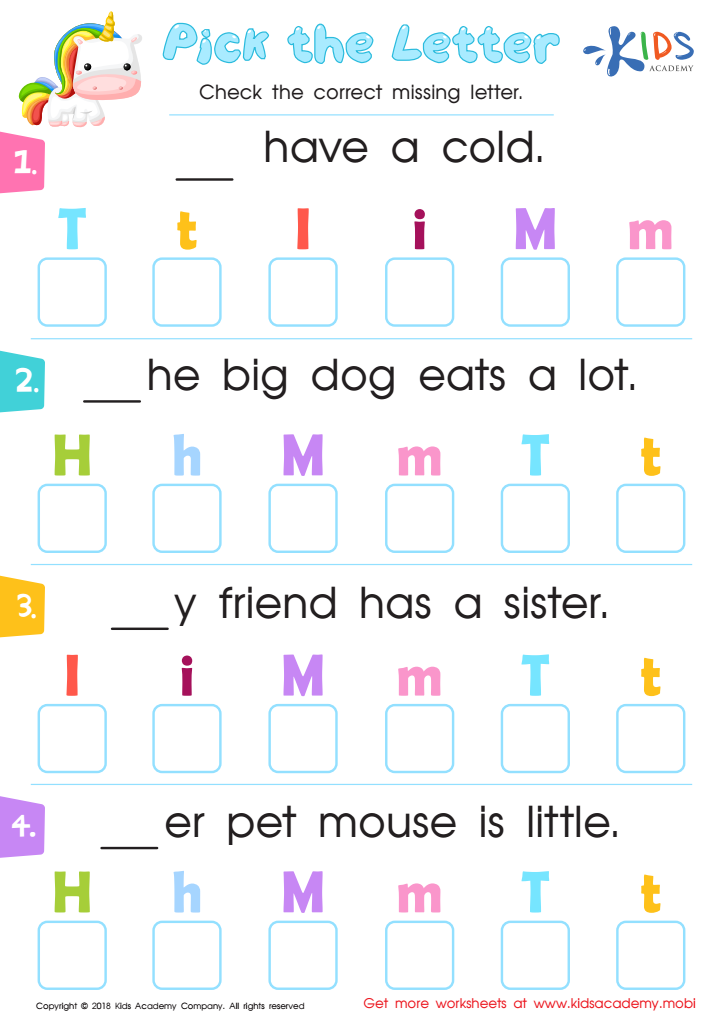
Pick the Letter Worksheet






Letter-sound association, often referred to as phonics, is a critical building block in early literacy development, especially for children ages 7-8, who are typically in the second grade. At this age, students transition from learning to read to reading to learn. A solid understanding of letter-sound associations enhances their ability to decode words independently, which is essential for reading fluency and comprehension.
When parents or teachers emphasize letter-sound association, they equip children with the necessary tools to tackle increasingly complex texts. This skill greatly reduces the frustration often encountered in reading unfamiliar or challenging words. Furthermore, a strong foundation in phonics aids vocabulary development and supports overall academic performance, affecting subjects beyond language arts, such as science and social studies, where reading comprehension is crucial.
Additionally, fostering phonics skills helps build confidence in young learners, motivating them to engage more deeply with reading materials. It creates a positive feedback loop, where enjoyment and proficiency in reading lead to a greater willingness to read, further enhancing literacy skills. In essence, prioritizing letter-sound association positively impacts a child's lifelong learning journey, making it essential for parents and teachers to care about its development.







