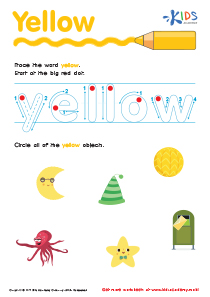
Word Recognition Normal English for Beginners Worksheets for Ages 7-8
3 filtered results
-
From - To
Enhance your child's literacy skills with our "Word Recognition Normal English for Beginners Worksheets" designed for ages 7-8. These engaging, printable resources focus on helping young learners develop essential vocabulary and word recognition abilities in a fun, interactive way. Featuring a variety of activities such as word searches, matching exercises, and fill-in-the-blank tasks, each worksheet is tailored to boost reading confidence and comprehension. Whether you're teaching English as a second language or reinforcing basic skills, our worksheets provide a flexible, effective approach to literacy learning. Start your child's journey to becoming a proficient reader today!
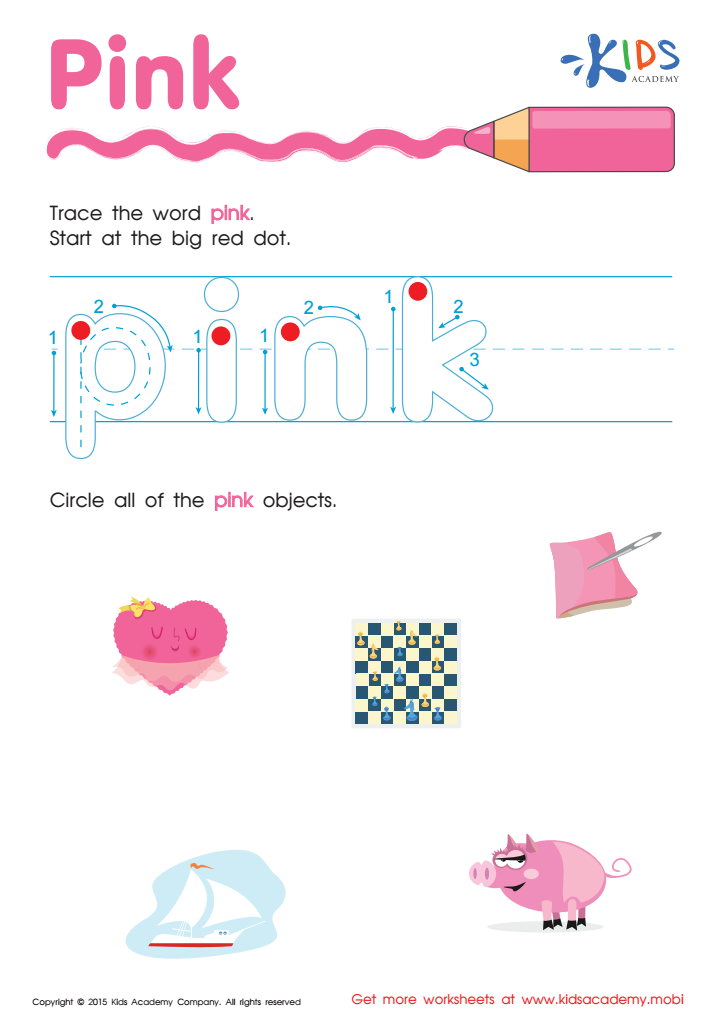
Pink Tracing Color Words Worksheet
 Assign to My Students
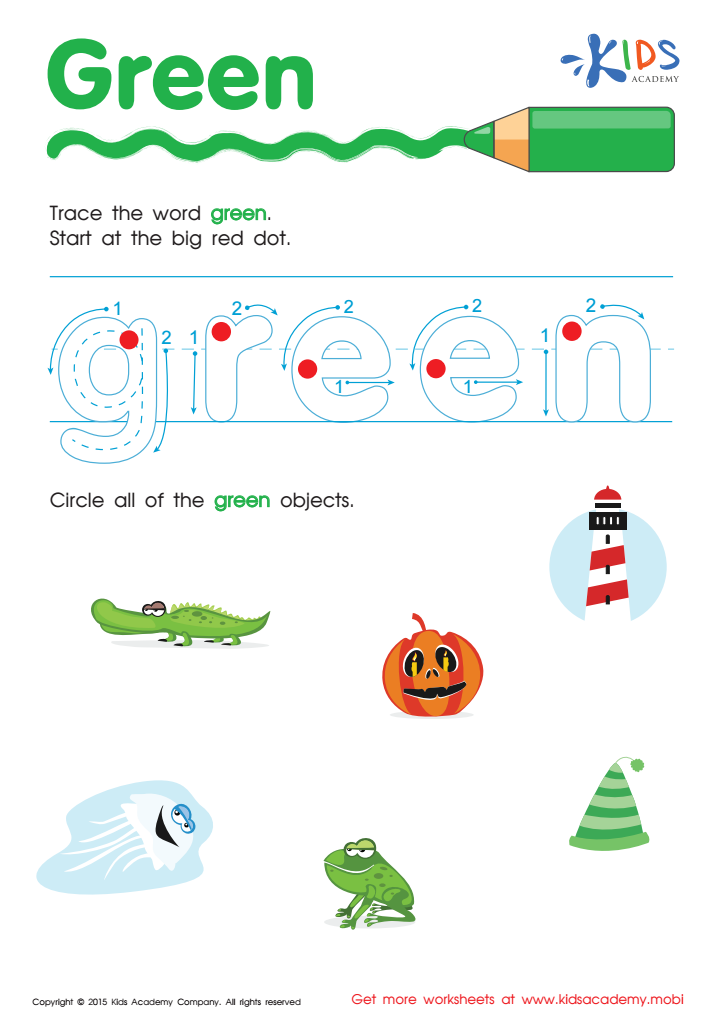
Green Tracing Color Words Worksheet
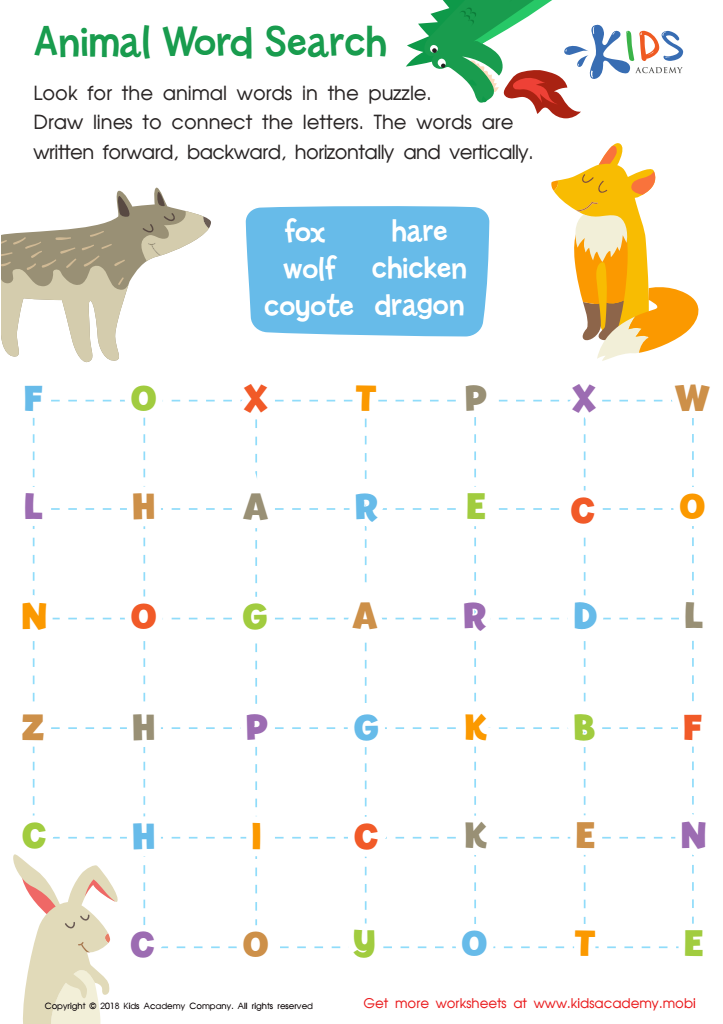
Animal Word Search Worksheet





Word recognition is a crucial foundational skill for young learners, especially those aged 7-8, who are beginning to transition from learning to read to reading to learn. This skill involves the ability to quickly identify and understand words, which significantly impacts overall literacy development. For parents and teachers, focusing on word recognition during this age is essential for several reasons.
Firstly, strong word recognition supports fluent reading. Young children who can recognize words quickly are less likely to struggle with comprehension, allowing them to engage more deeply with texts. This fluency fosters a lifelong love of reading, encouraging curiosity and exploration of new ideas.
Secondly, effective word recognition aids vocabulary development. As students become familiar with a broader range of words, they are better equipped to express themselves verbally and in writing, enhancing their communication skills.
Furthermore, concentrating on word recognition can help identify any potential learning difficulties early on, allowing for timely intervention. By nurturing this skill, parents and teachers can create a supportive learning environment where children feel confident in their reading abilities. Ultimately, investing in word recognition lays the groundwork for academic success and a deeper appreciation for language, setting the stage for future educational achievements.