Counting skills Normal Worksheets for Ages 7-8 - Page 3
54 filtered results
-
From - To
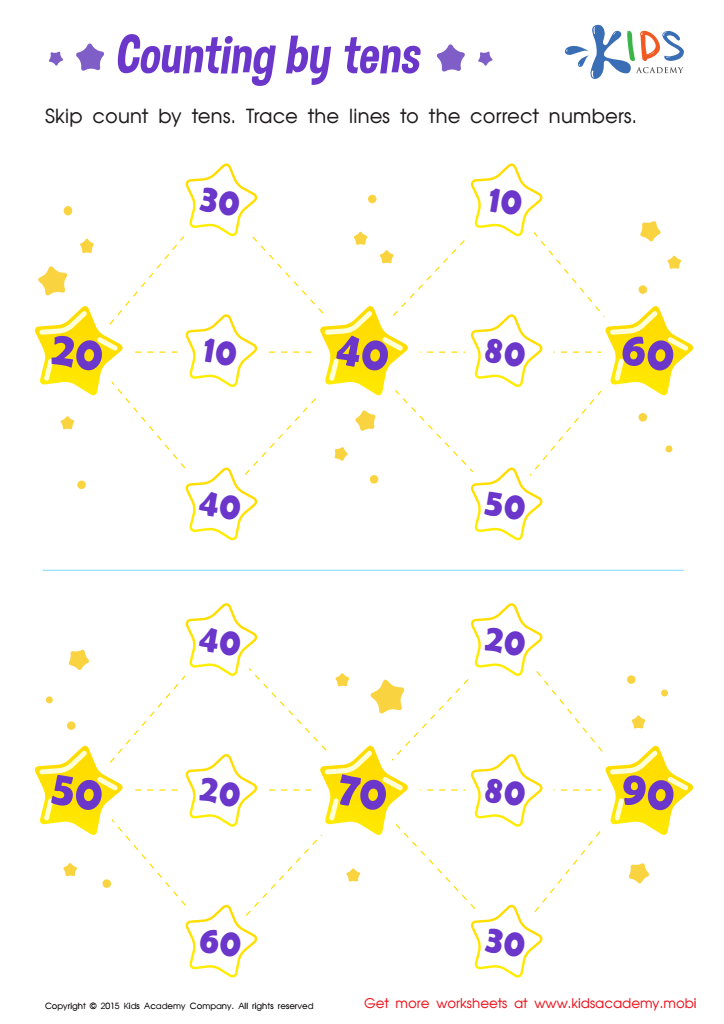
Learn Dozens: Counting by Tens Printable
 Assign to My Students
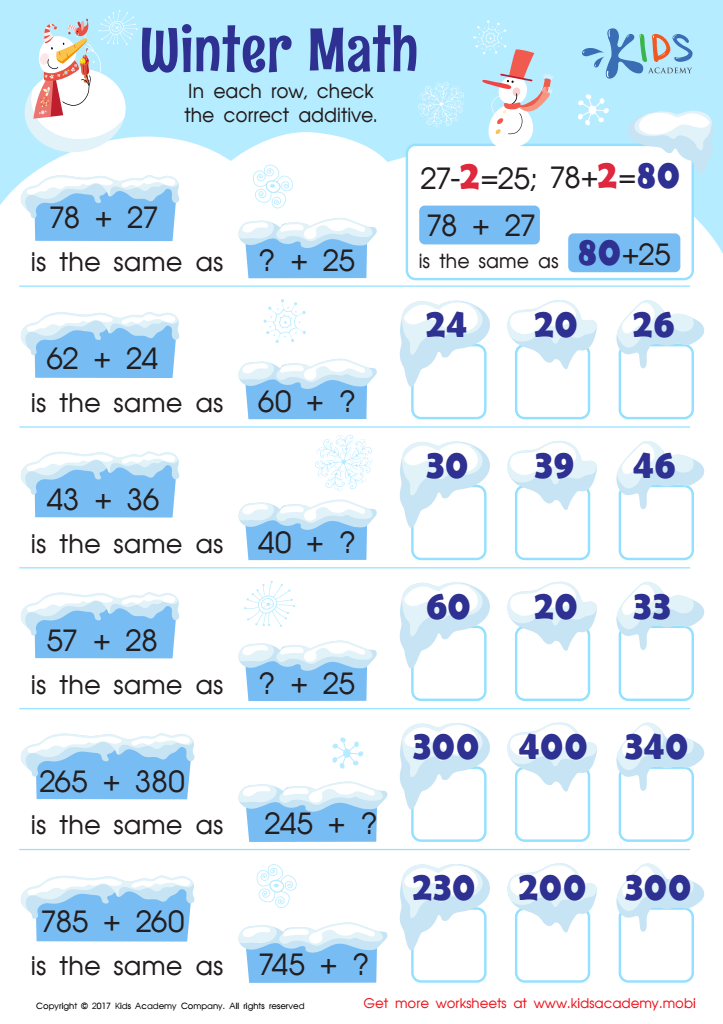
Free Addition Worksheet
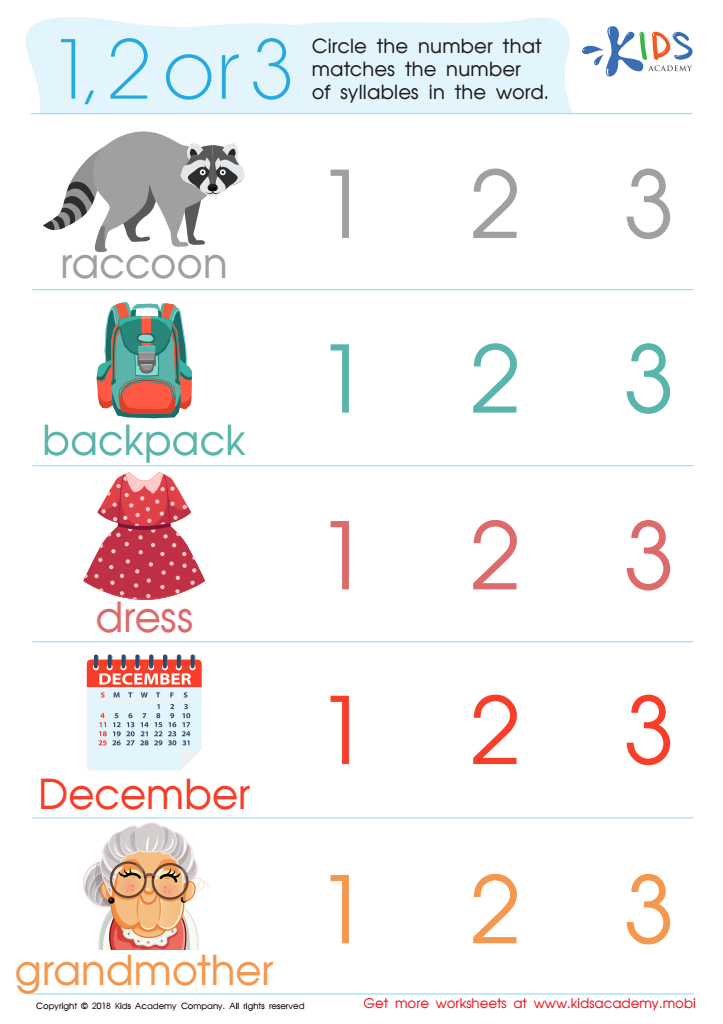
1, 2 or 3? Worksheet
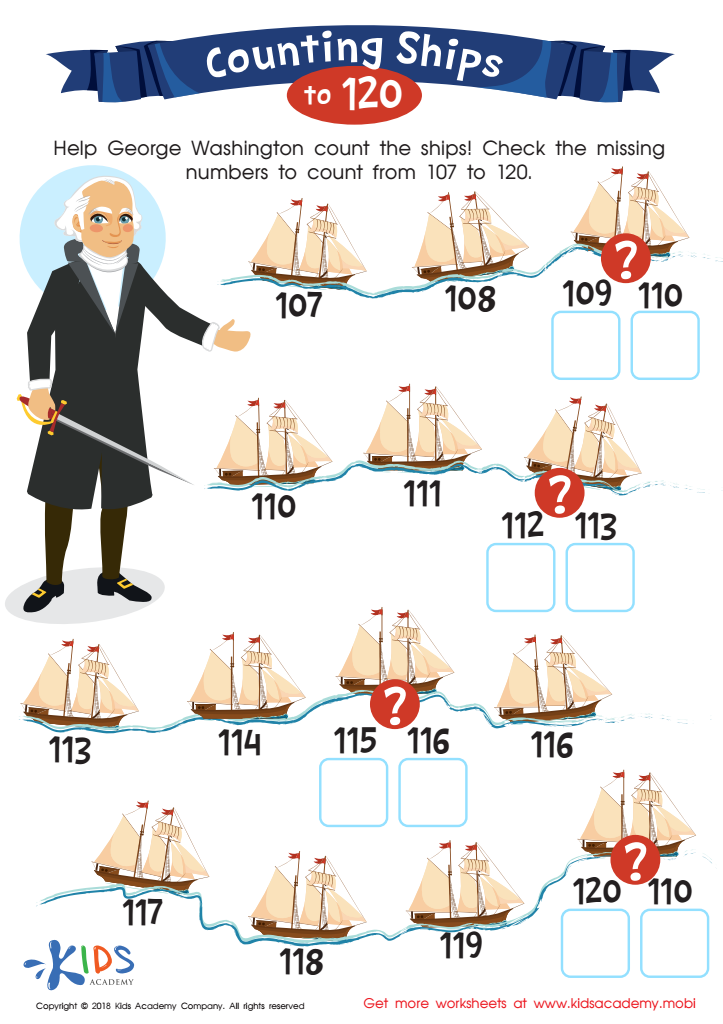
Counting Ships to 120 Worksheet
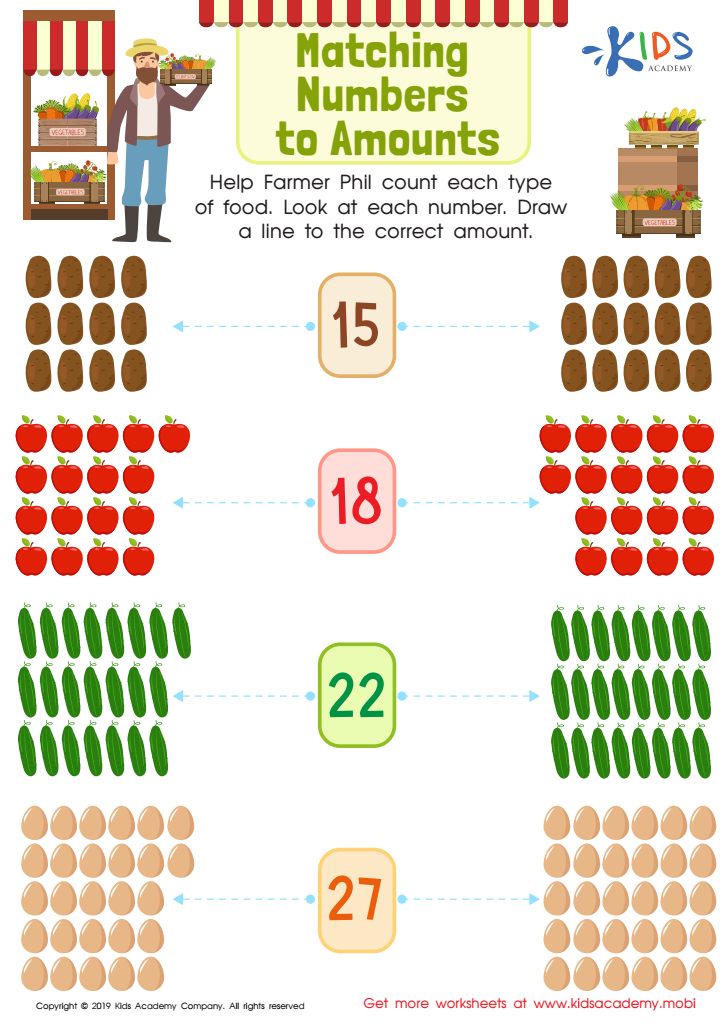
Matching Numbers to Amounts Worksheet
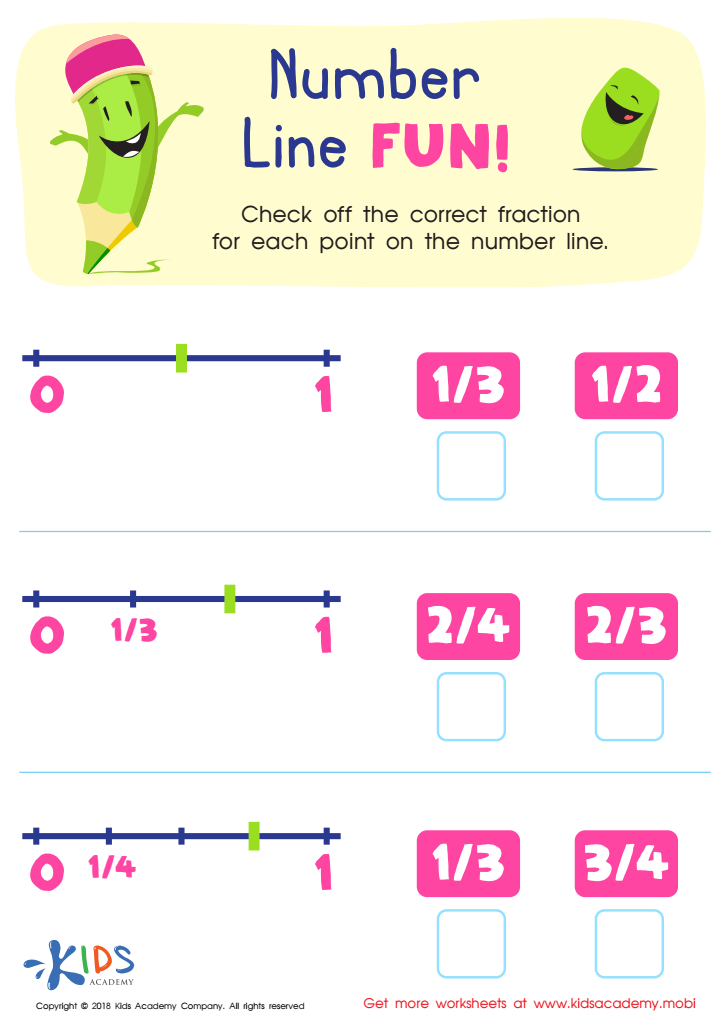
Number Line Fun Worksheet








Counting skills at ages 7-8 are foundational for children's mathematical development and everyday problem-solving. By this age, children should be able to count fluently, understand numbers' relationships, and grasp more complex concepts like addition and subtraction. Parents and teachers should care about fostering these skills because they are critical for success in later mathematical learning, impacting subjects such as geometry, fractions, and even higher math.
Furthermore, counting equips children with valuable cognitive abilities, enhancing their logical reasoning and critical thinking. Daily activities—like counting money, measuring ingredients for recipes, or tallying scores in games—rely on proficient counting skills, reinforcing why they are essential for real-world applications.
Early mastery of counting can also enhance a child's confidence and self-esteem in their mathematical abilities, leading to a positive attitude towards learning. Engaging children in interactive counting games or routines also promotes collaboration and social skills, enriching their developmental experience. Additionally, fostering counting skills early helps bridge potential gaps in understanding, ensuring a smoother transition to more complex math topics as they progress through school. Thus, parents and teachers have a crucial role in nurturing these skills to lay the groundwork for a child's future academic and personal success.








