Handwriting improvement Normal Worksheets for Ages 7-8
10 filtered results
-
From - To
Enhance your child's handwriting skills with our Handwriting Improvement Normal Worksheets designed specifically for ages 7-8. Our expertly crafted worksheets focus on refining fine motor skills, improving penmanship, and fostering better letter formation. Each printable sheet combines engaging activities with step-by-step guidance to keep young learners motivated and on track. Perfect for both classroom and home use, these worksheets provide a fun and structured approach to mastering handwriting. Help your child gain confidence and enjoy the writing process with our comprehensive handwriting improvement resources. Visit us to explore and download today!
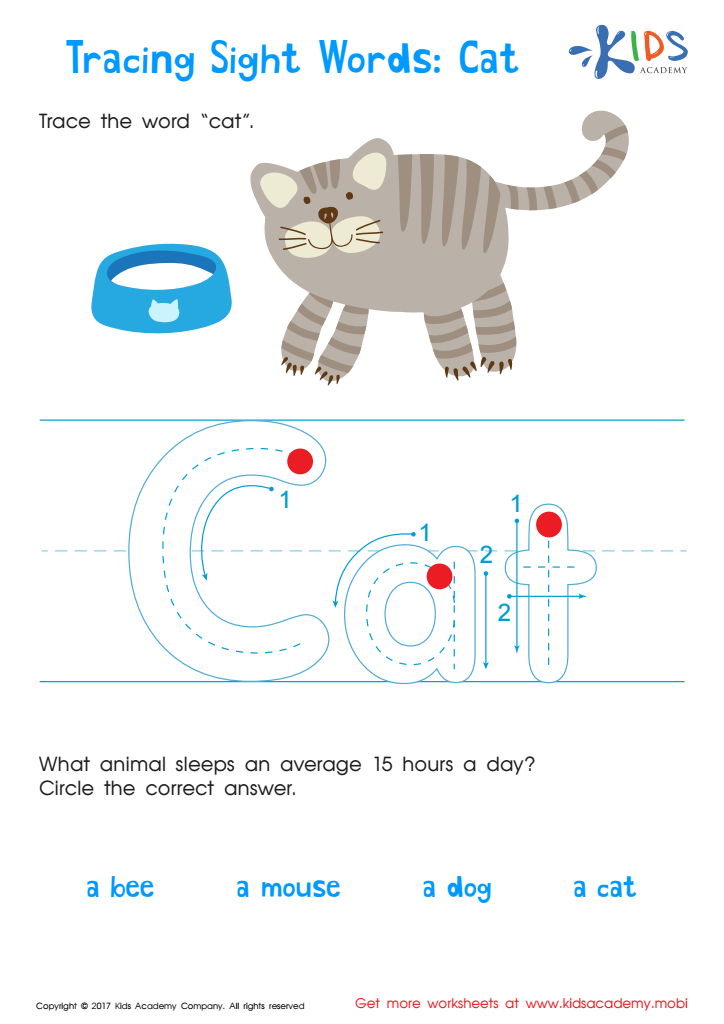
Cat Printable Sight Words Worksheet
 Assign to My Students
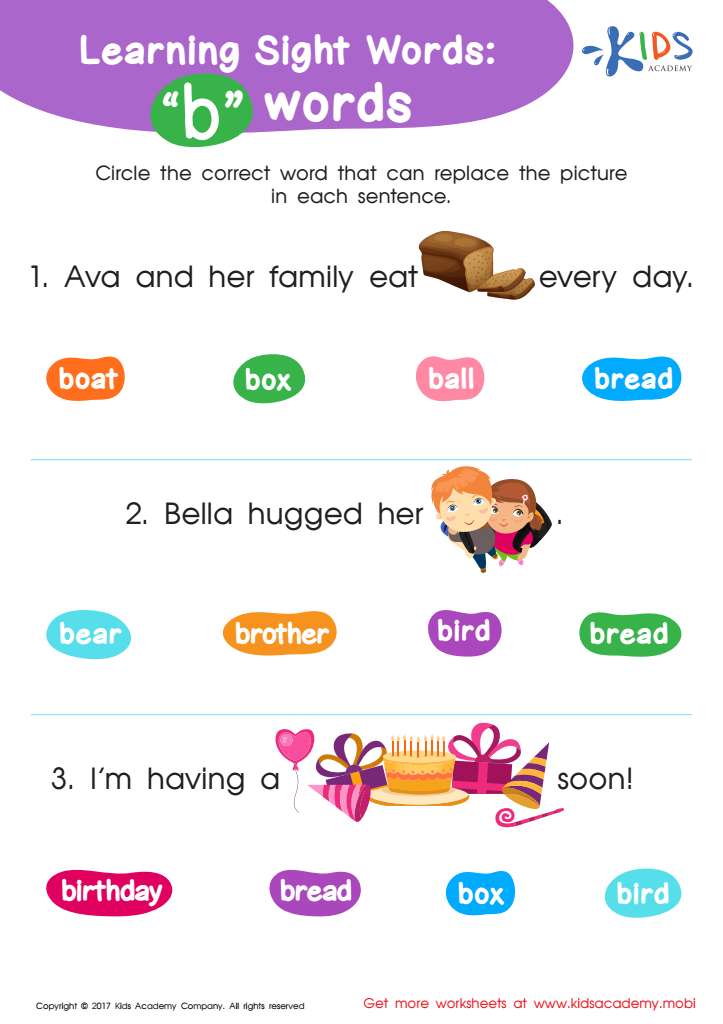
Sight Words Free Worksheet – B Words
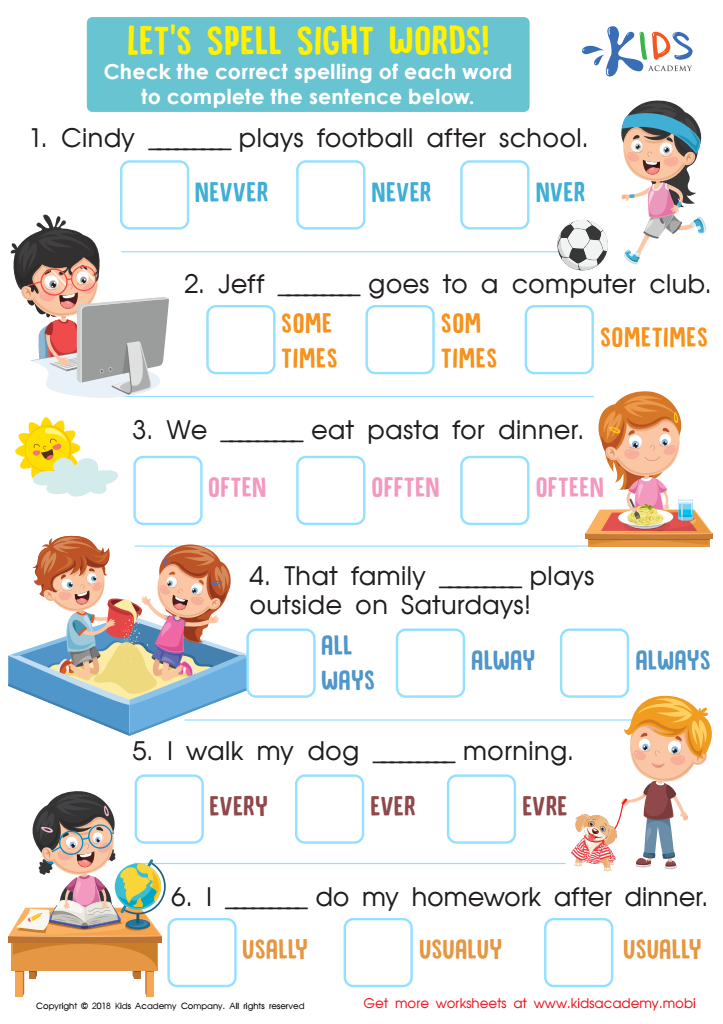
Let's Spell Sight Words Worksheet
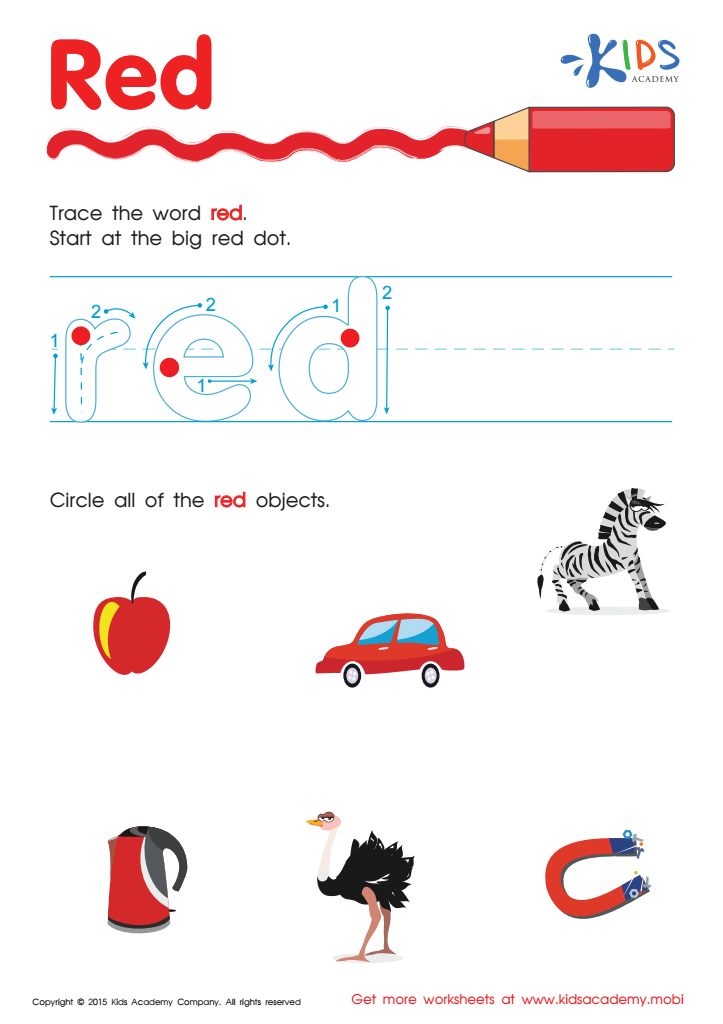
Red Tracing Color Words Printable

Letter J Tracing Page
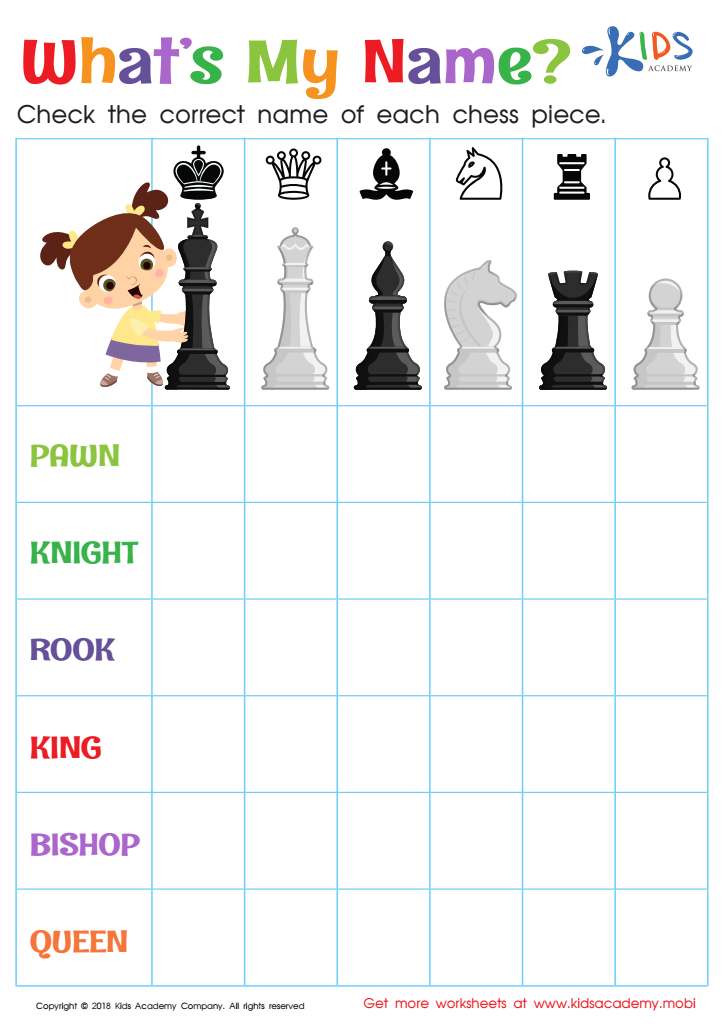
What's My Name? Worksheet

Letter B Tracing Page
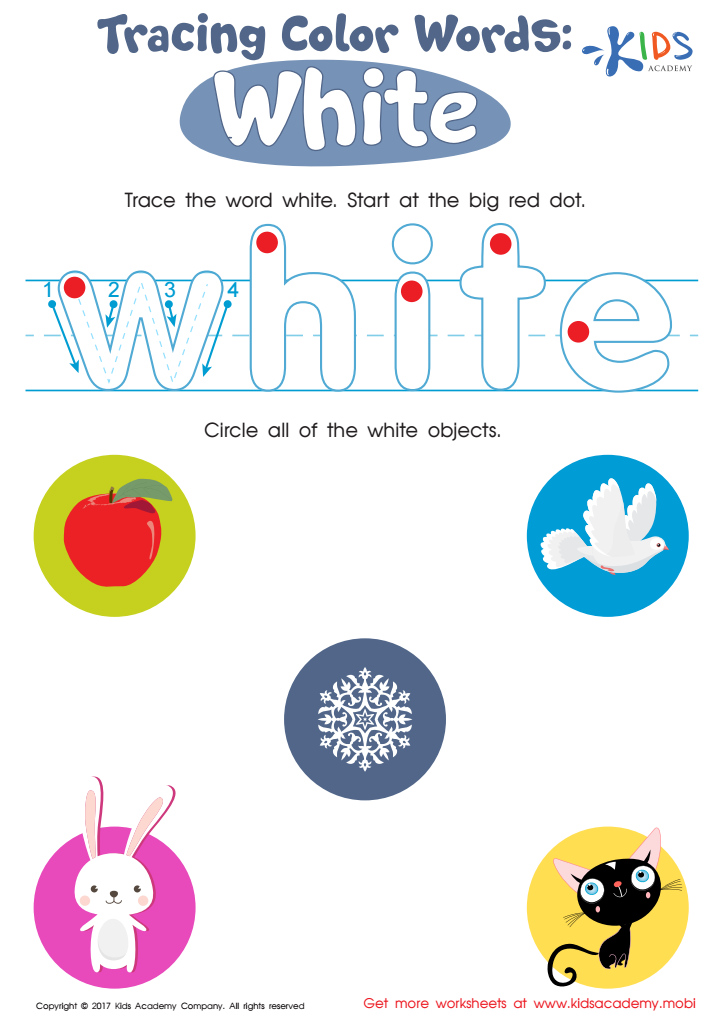
White Tracing Color Words Worksheet
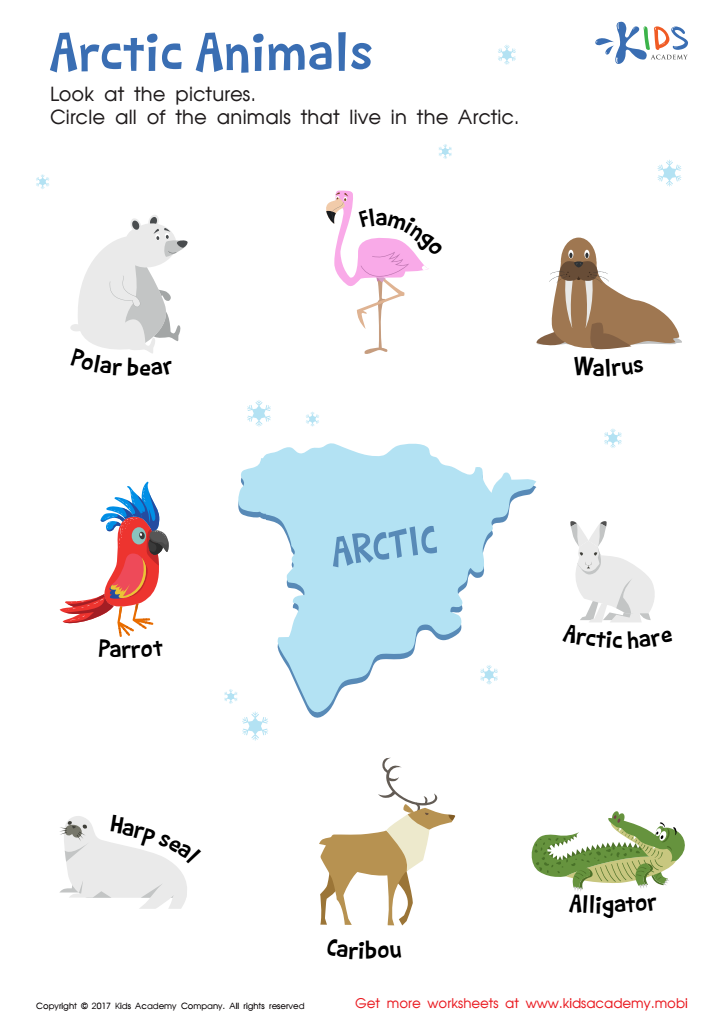
Arctic Animals Worksheet
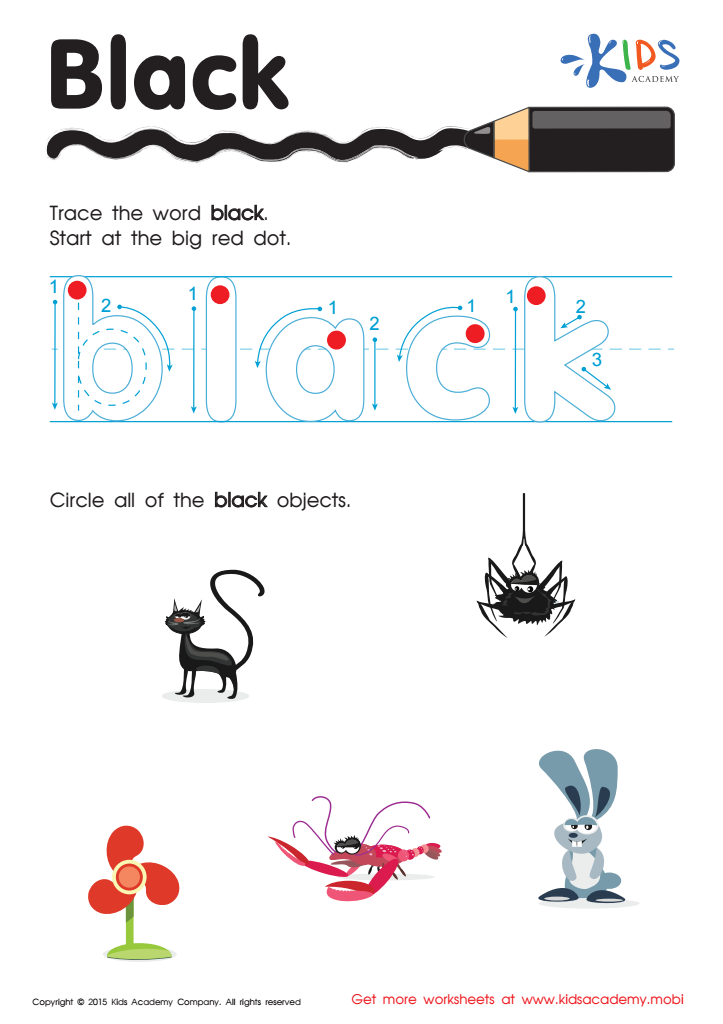
Black Tracing Color Words Printable








Handwriting improvement is a crucial aspect along the educational journey of children aged 7-8, a developmental window where foundational skills are solidified. At this stage, children increasingly transition from learning to write to writing to learn. Handwriting fluency enhances their ability to express thoughts clearly and impacts overall academic performance. Proficient handwriting leads to faster, more legible writing that supports effective communication—a pivotal skill across all subjects.
Teachers and parents should prioritize handwriting improvement because it directly affects reading abilities by helping children recognize and remember letters, thus supporting literacy. Neat handwriting bolsters self-esteem and confidence within a classroom setting, enabling children to participate more actively and willingly in writing tasks.
Moreover, improving handwriting can encourage fine motor development and hand-eye coordination. These physical skills are fundamental for other coordinated activities and tasks critical to everyday functioning. Effective handwriting practices can also foster cognitive engagement, promoting attention to detail and perseverance.
Neglecting handwriting at this critical age may result in frustration, diminishing the child’s enthusiasm for learning and hampering academic progress. Hence, through supportive measures such as explicit instructional techniques and fun, engaging practice, parents and teachers can significantly impact their child’s education and future success.








