Historical Knowledge Normal Worksheets for Ages 7-8 - Page 2
27 filtered results
-
From - To
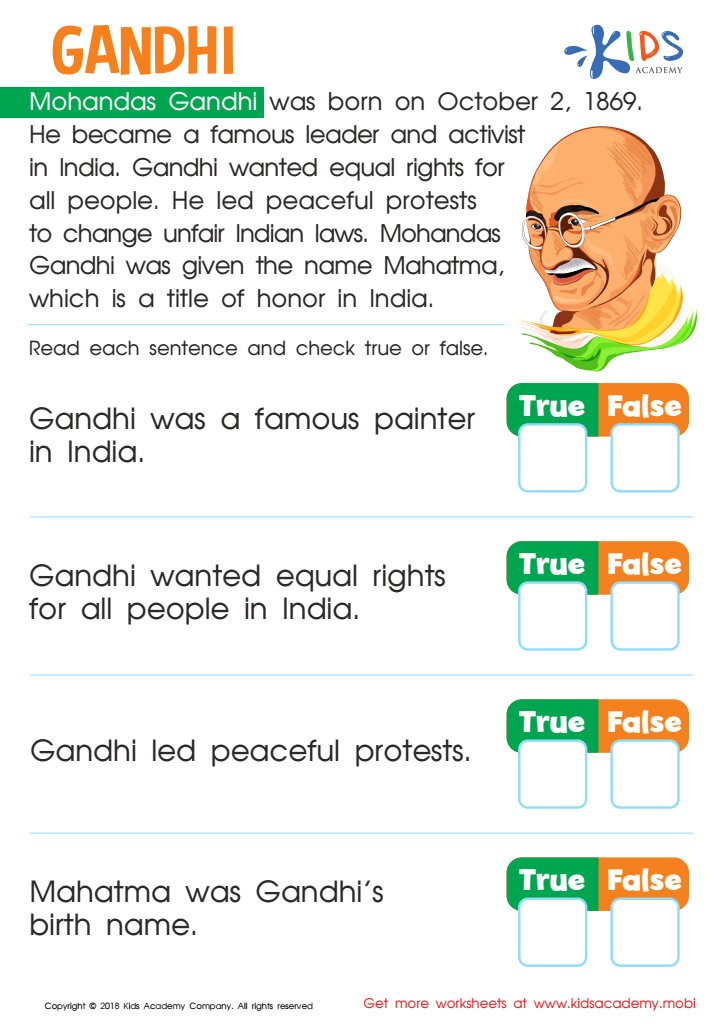
Gandhi Worksheet
 Assign to My Students
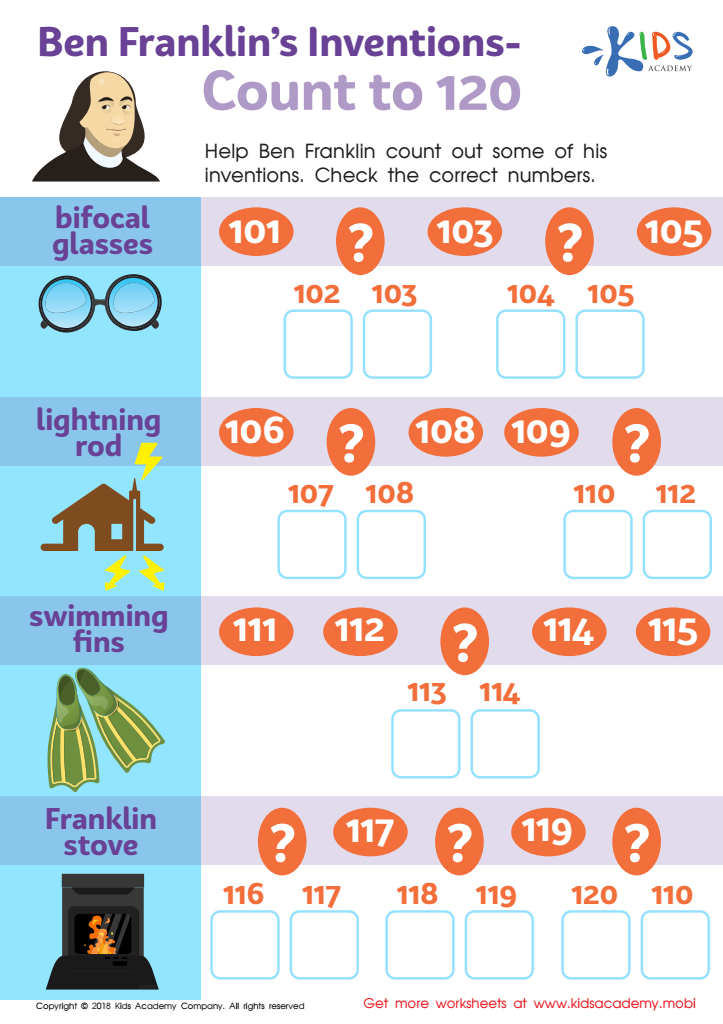
Ben Franklin’s Inventions – Count to 120 Worksheet
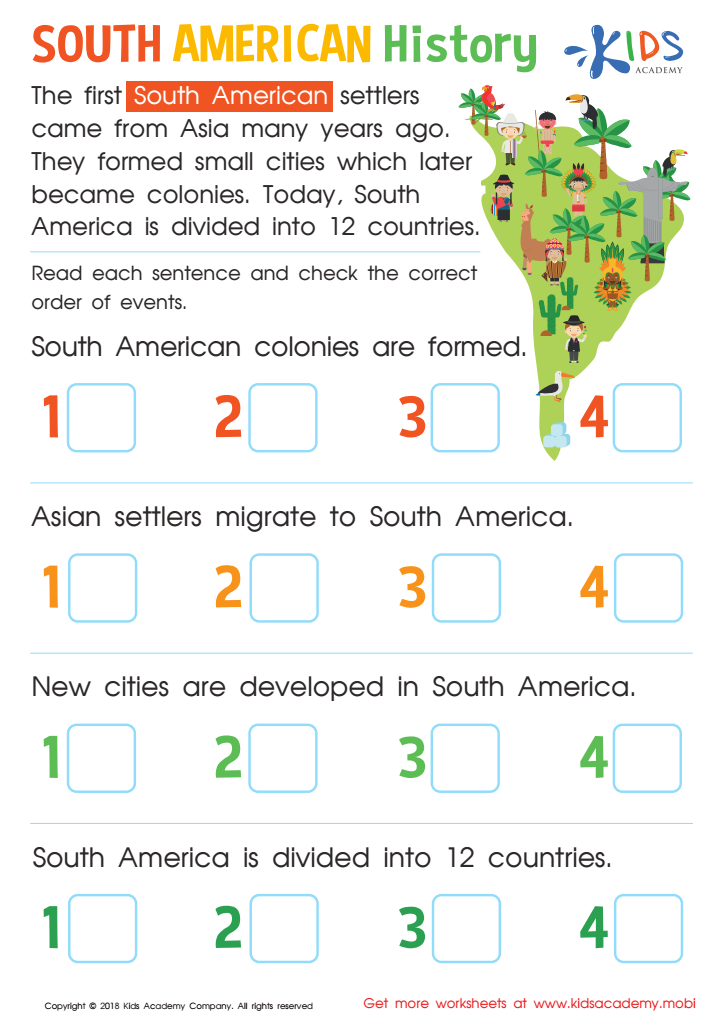
South American History Worksheet








Understanding historical knowledge is fundamental for the development of children aged 7-8, serving as a cornerstone for their cognitive and social growth. At this age, children are beginning to grasp time concepts and are naturally curious about the world around them. Introducing them to history helps them gain a sense of context and continuity, allowing them to see how past events and people shape the present.
Additionally, historical knowledge fosters critical thinking skills. As young learners explore different times and cultures, they develop the ability to compare, contrast, and analyze information. This skillset is invaluable across all subjects as it encourages thinking beyond rote memorization and nurtures a deeper understanding of content.
Exposure to history also cultivates a child's empathy and tolerance. By learning about diverse cultures, traditions, and perspectives, children can better appreciate and respect the differences and similarities they share with others. This fosters a more inclusive mindset, crucially important in our increasingly globalized world.
Moreover, foundational historical knowledge helps children become informed citizens. They learn the significance of civic engagement and the value of communal and societal roles. Establishing an early understanding of history ensures that as they grow, they remain informed, empathetic, and engaged members of society.








