Letter tracing skills Normal Worksheets for Ages 7-8
3 filtered results
-
From - To
Enhance your child's letter tracing skills with our engaging worksheets designed specifically for ages 7-8. These normal worksheets provide a fun and interactive way for young learners to practice writing letters with accuracy and confidence. Each worksheet features a variety of tracing exercises that help reinforce letter recognition and improve fine motor skills. Our carefully crafted activities support early literacy development and prepare children for more advanced writing tasks. Ideal for parents and educators alike, these resources encourage daily practice in a delightful format. Download our letter tracing skills worksheets today and watch your child thrive in their handwriting journey!
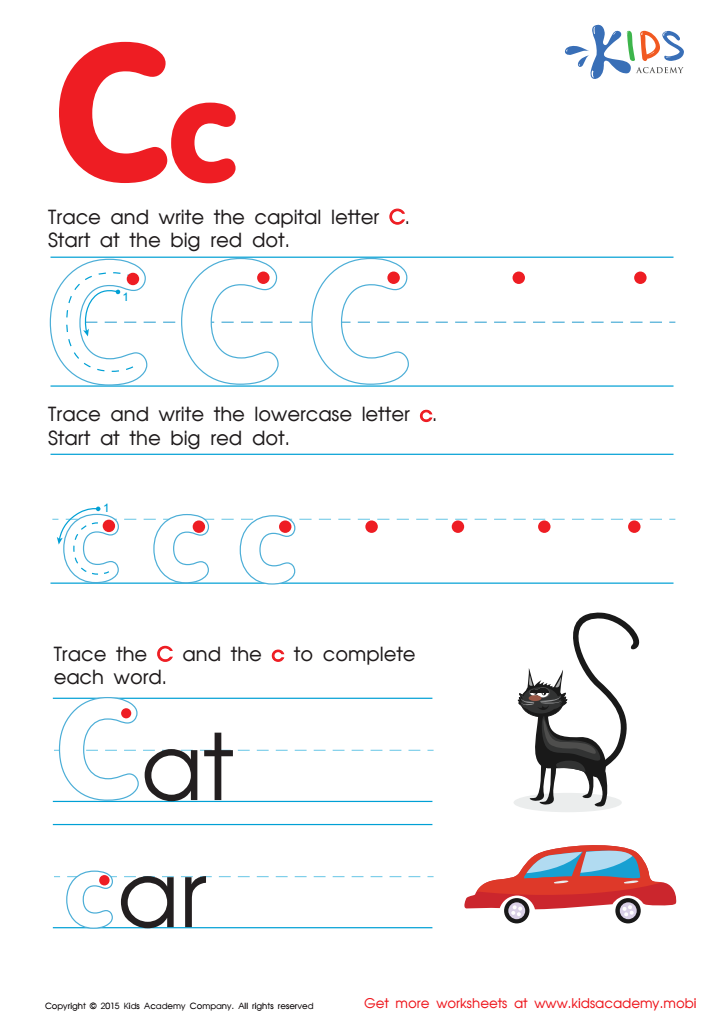
Letter C Tracing Page
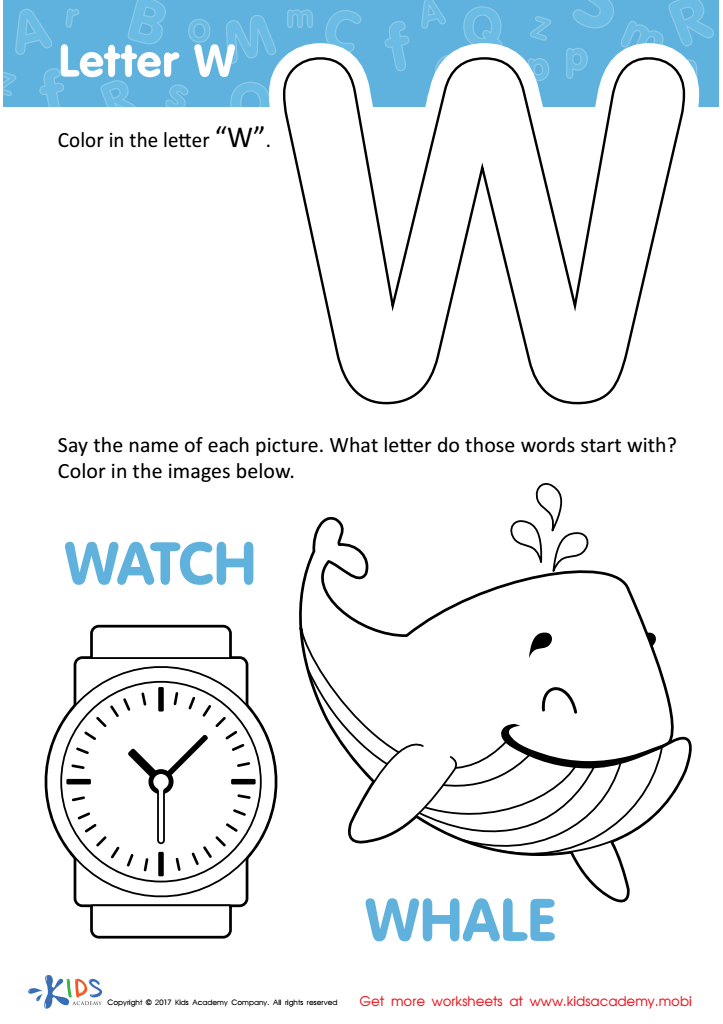
Letter W Coloring Sheet
 Assign to My Students
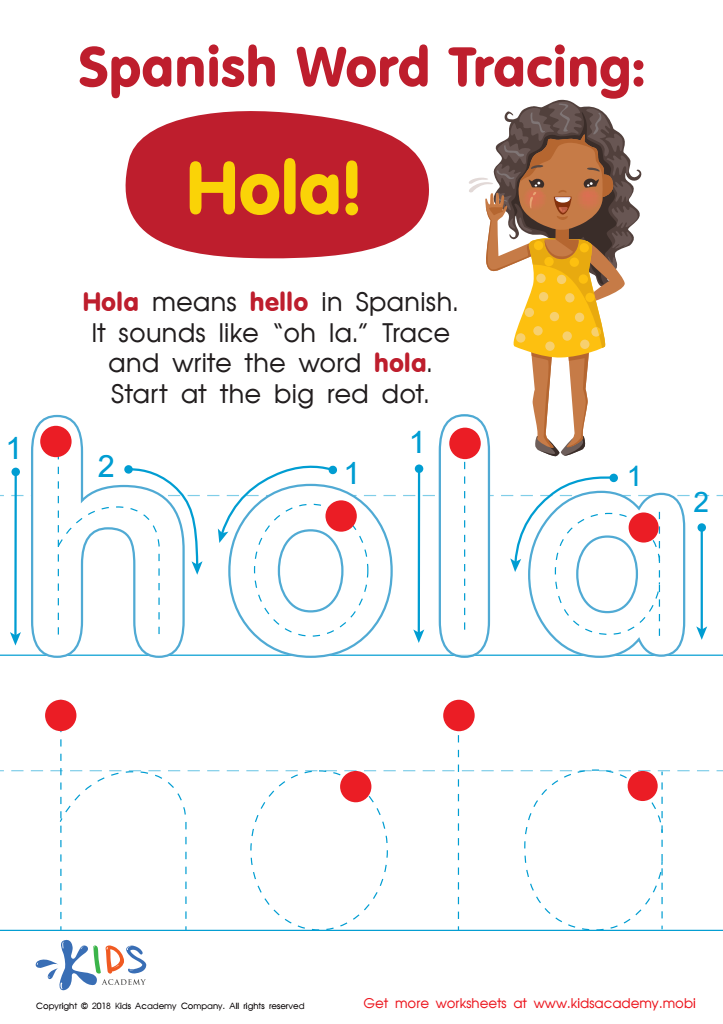
Spanish Word Tracing: Hola Worksheet







Letter tracing isn’t just an artistic exercise; it plays a crucial role in language development and cognitive skills for children aged 7-8. At this age, children are transitioning from basic writing skills to more advanced literacy. Engaging in letter tracing helps enhance their fine motor skills, as they practice the mechanics of writing. Improved motor skills are essential for producing legible handwriting and maintaining written communication.
Furthermore, letter tracing bolsters letter recognition and phonemic awareness. By associating written letters with their sounds, children build a strong foundation for reading and spelling, which is vital for academic success. This age group is also eager to express themselves through writing. Mastering good handwriting increases their confidence, allowing for clearer communication of thoughts and ideas.
Additionally, involvement in tracing activities fosters focus and concentration, essential cognitive skills that contribute to learning in various subjects. It also encourages a sense of accomplishment, promoting a positive attitude towards learning. Therefore, for parents and teachers, emphasizing letter tracing activity is an investment in a child's literacy journey and overall developmental growth, preparing them for future educational challenges.








