Matching skills Normal Worksheets for Ages 7-8
6 filtered results
-
From - To
Discover our engaging Matching Skills Normal Worksheets for ages 7-8, designed to enhance children's critical thinking and cognitive development. These worksheets provide a fun way for young learners to practice identifying similarities and making connections between various images, words, and concepts. With colorful illustrations and age-appropriate content, students will develop concentration and observational skills while enjoying the learning process. Ideal for classroom use or at home, our printable worksheets help reinforce matching skills, making learning enjoyable and effective. Explore our collection today and watch your child's confidence grow as they master essential matching skills!
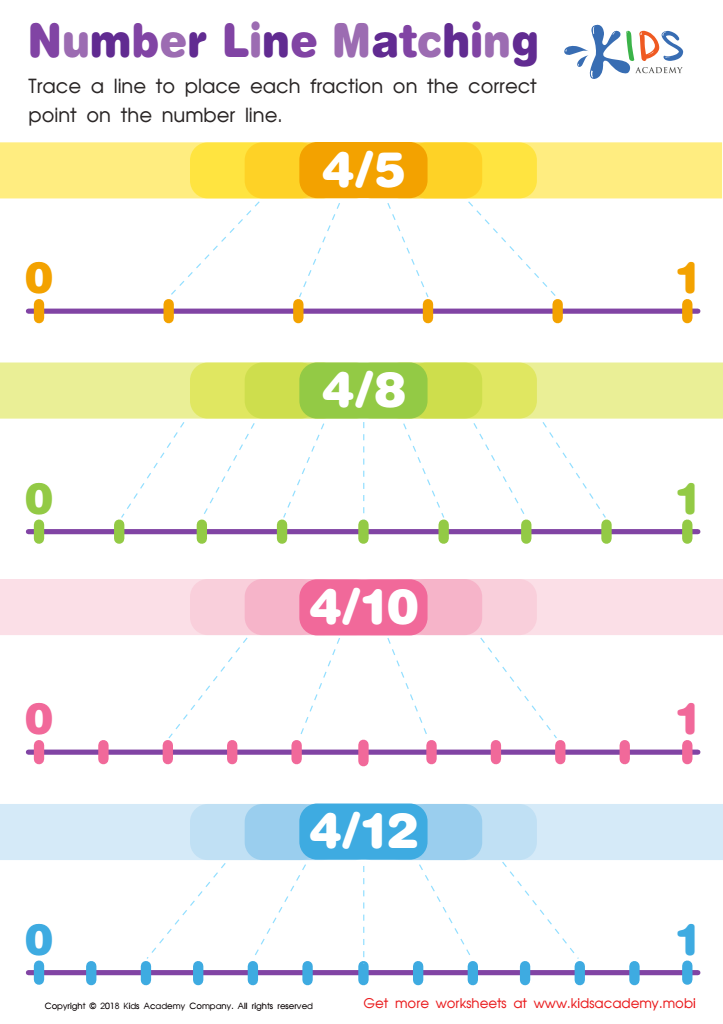
Number Line Matching Worksheet
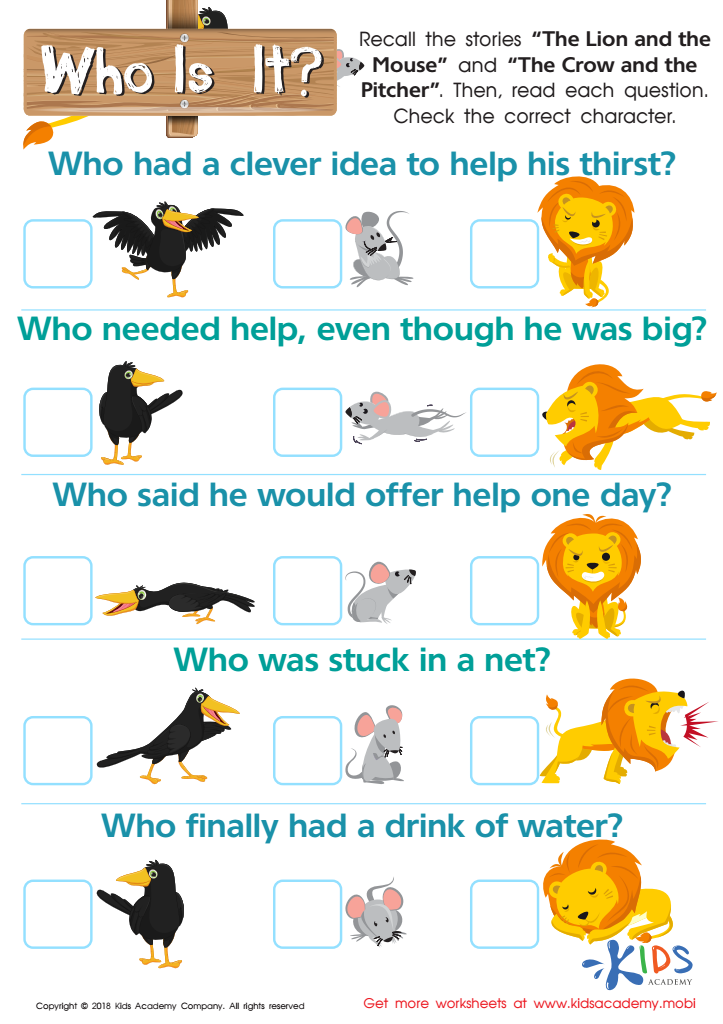
Who Is It? Worksheet
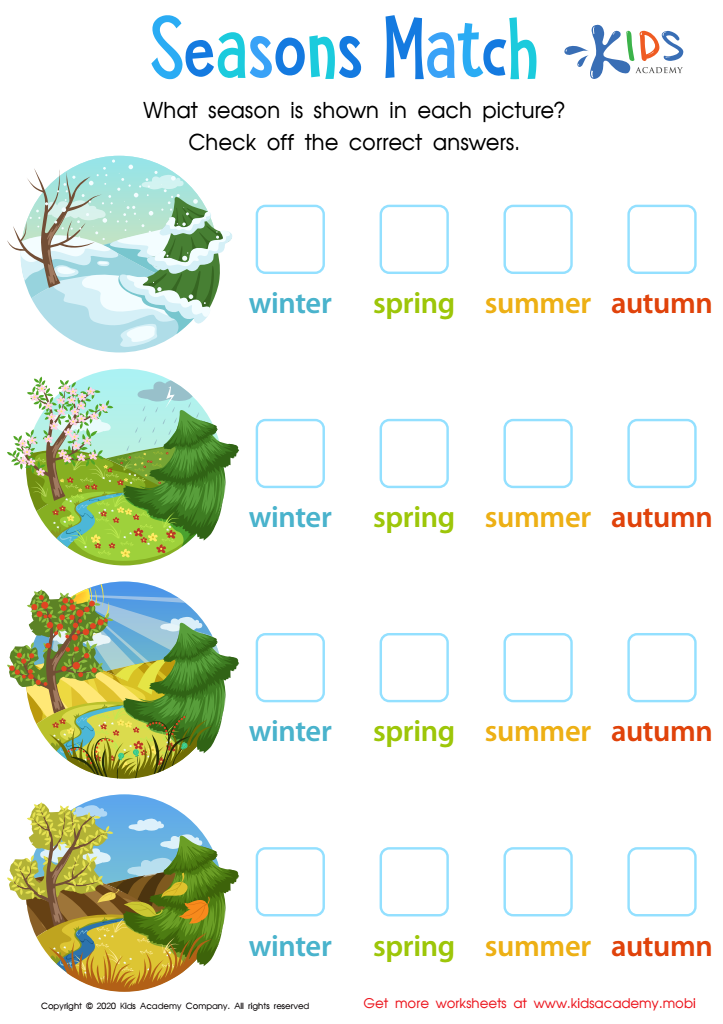
Seasons Match Worksheet
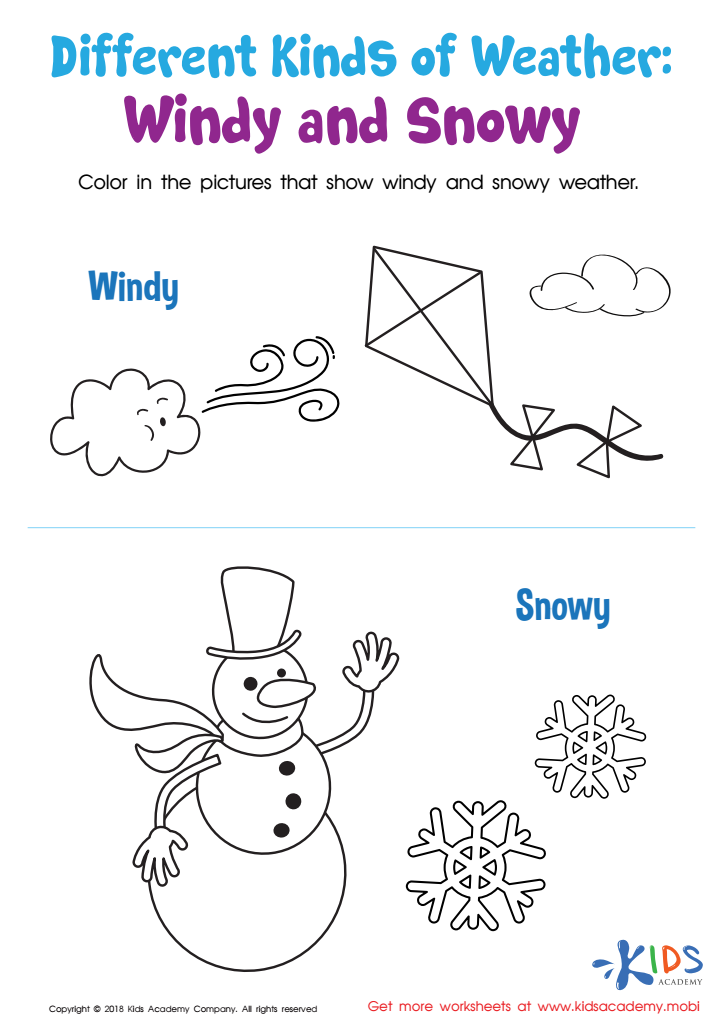
Different Kinds of Weather: Windy and Snowy Worksheet
 Assign to My Students
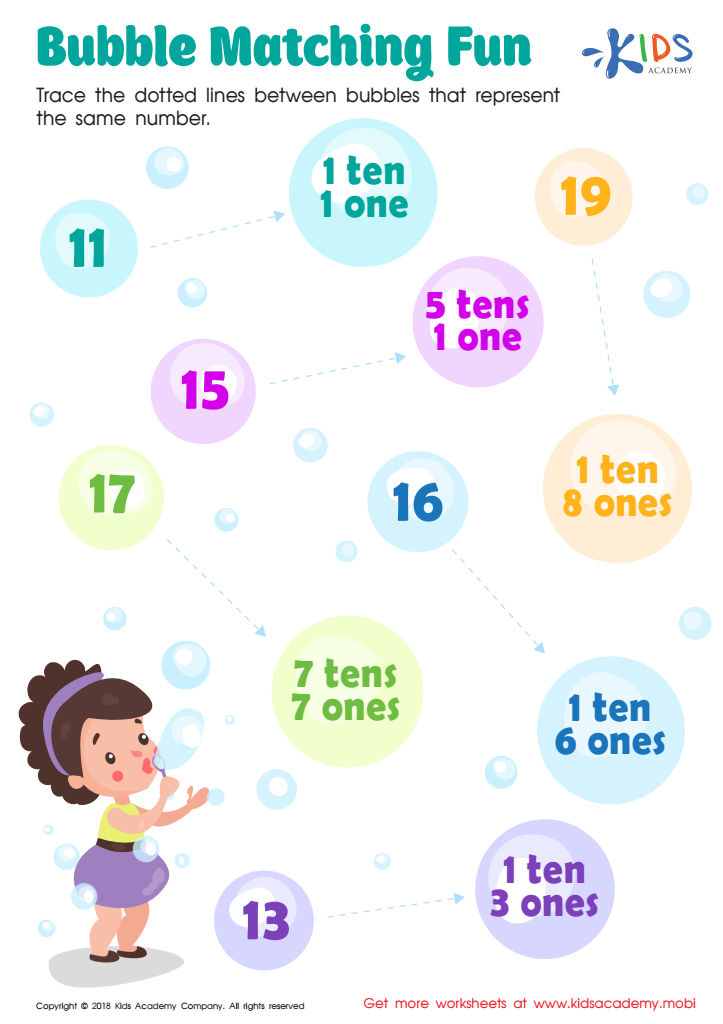
Bubble Matching Fun Worksheet
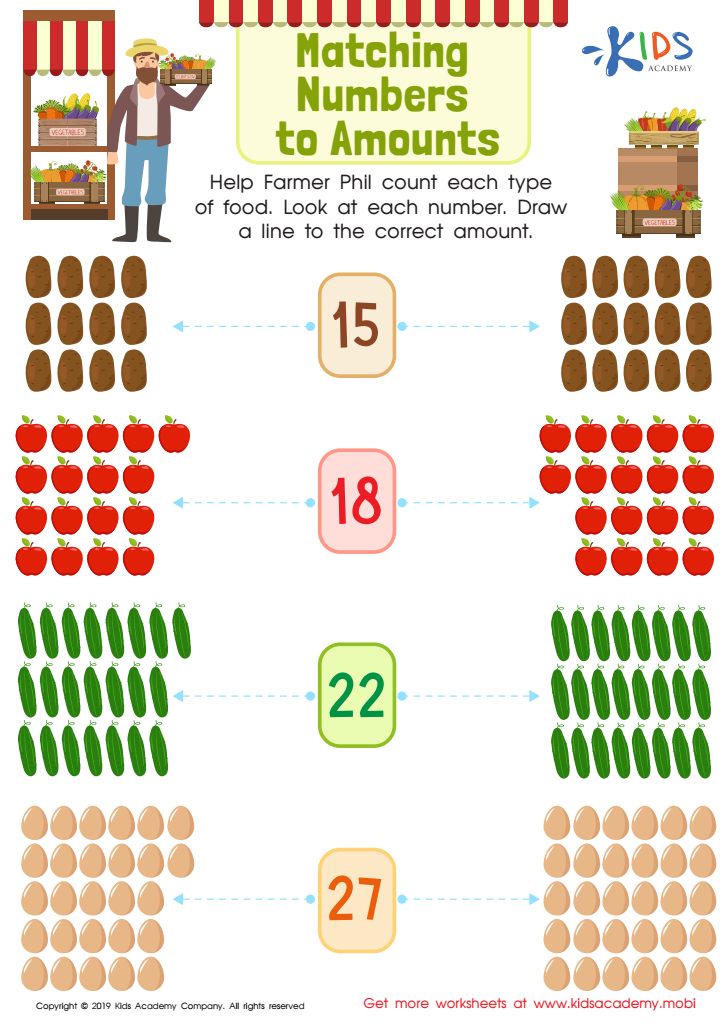
Matching Numbers to Amounts Worksheet


.jpg)



Matching skills for children aged 7-8 are crucial for their cognitive and social development. At this age, children are solidified in their understanding of relationships between objects and concepts, which lays the groundwork for more complex skills in mathematics, reading, and logical reasoning. Parents and teachers should be concerned about these skills because they reflect a child's ability to identify similarities and differences, critical thinking, and problem-solving abilities.
Improving matching skills also enhances memory retention, as children learn to associate and categorize information effectively. This competency is fundamental in subjects like math, where recognizing patterns and grouping items can lead to better understanding of numerical concepts. Furthermore, matching games can foster social interaction, encouraging teamwork and communication among peers.
Additionally, in our increasingly digital world, the ability to match visual cues and symbols—such as in puzzles or educational apps—is becoming ever more important. Parents and teachers play a pivotal role in creating learning opportunities through games, activities, and discussions that promote these skills. Supporting the development of matching skills from an early age sets a positive foundation for a child’s academic journey and enhances their confidence in learning environments.








