Sequencing events Normal Worksheets for Ages 7-8
5 filtered results
-
From - To
Enhance your child's reading comprehension and critical thinking skills with our Sequencing Events Worksheets designed for ages 7-8. These engaging and interactive worksheets guide young learners in organizing events in the correct order, strengthening their ability to understand story structure. Each worksheet provides relatable scenarios and illustrations, making learning enjoyable and effective. Perfect for home or classroom use, these resources promote essential cognitive skills and help children make connections between events in storytelling. Foster your child’s learning journey with our thoughtfully crafted Sequencing Events Worksheets and watch their confidence soar as they master this foundational skill!
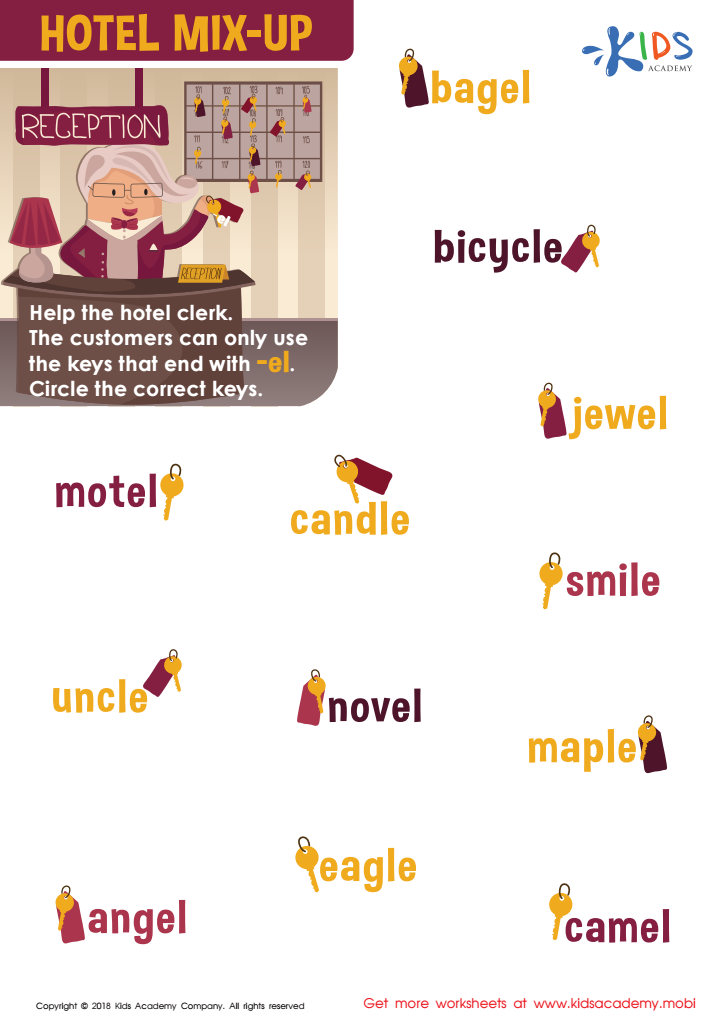
Hotel Mix-up Worksheet
 Assign to My Students
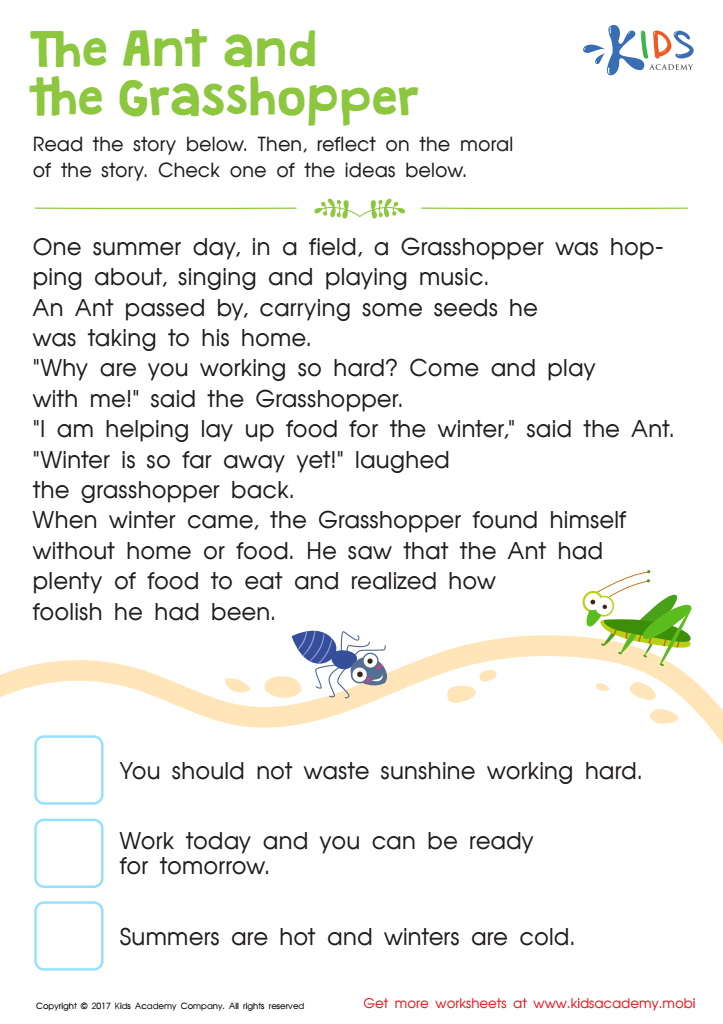
The Ant and The Grasshopper Printable

Emperor Penguin Journey Worksheet
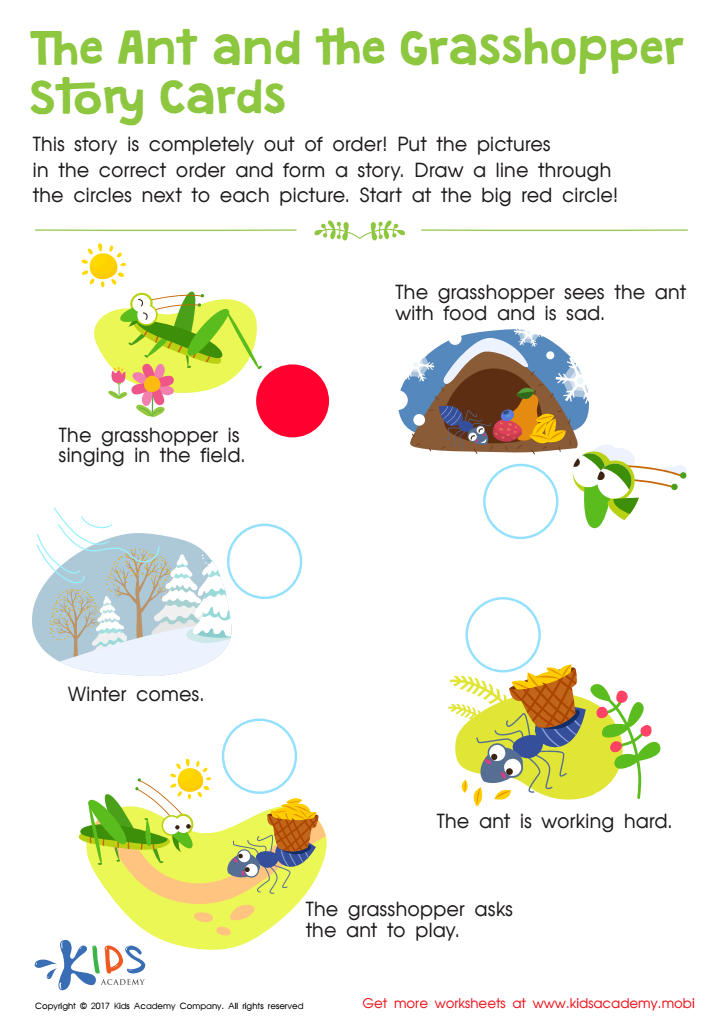
The Ant and The Grasshopper Worksheet
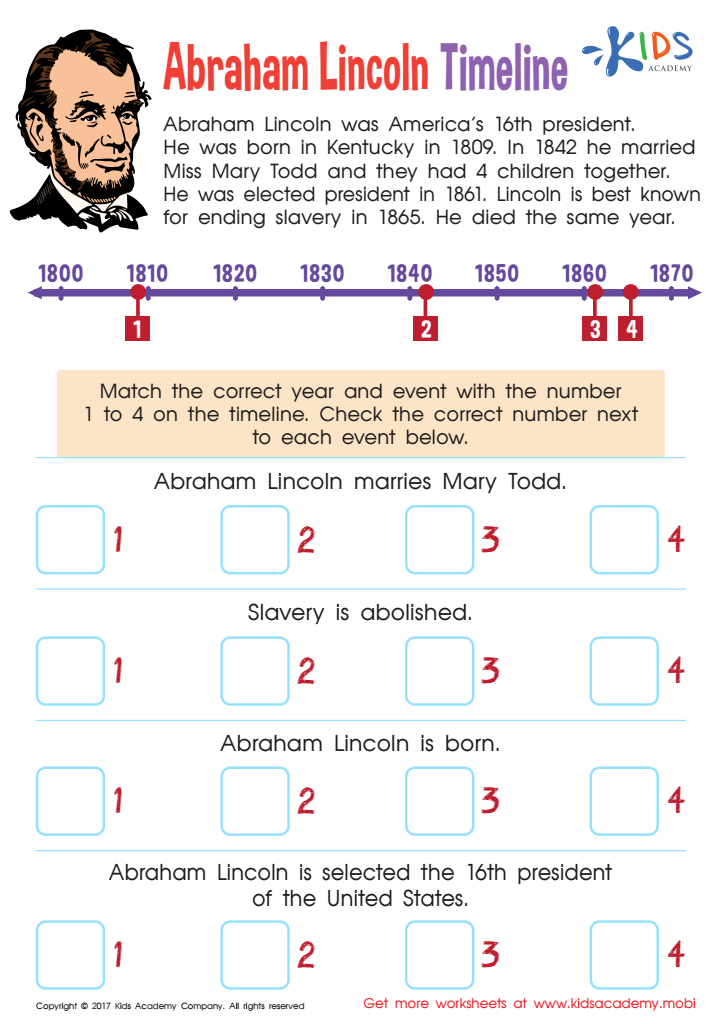
Abraham Lincoln Timeline Worksheet




%20(1).jpg)
.jpg)
.jpg)

Sequencing events is a crucial skill for children ages 7-8, integral to their cognitive development and learning processes. At this age, children are refining their reading comprehension and narrative skills, making it essential for parents and teachers to foster understanding of sequence. When children learn to identify the order of events, they develop critical thinking skills and enhance their ability to summarize and retell stories. This sequencing ability not only applies to literature but also to their daily lives, academic subjects, and problem-solving situations.
Moreover, mastering this skill boosts their organizational skills. By learning to sequence effectively, children become better at planning tasks, managing time, and tackling multi-step problems in mathematics or science. Parents and teachers can help reinforce these concepts through interactive activities, like storytelling and hands-on projects, to create engaging learning experiences.
Additionally, sequencing supports memory retention, enabling children to connect ideas and concepts, which subsequently aids in their learning across disciplines. By prioritizing sequencing, parents and teachers equip children with tools they can utilize throughout their education and daily life, fostering both independence and confidence in their abilities. Engaging with these skills sets a solid foundation for future academic success.








