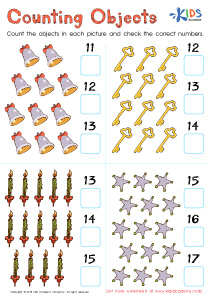
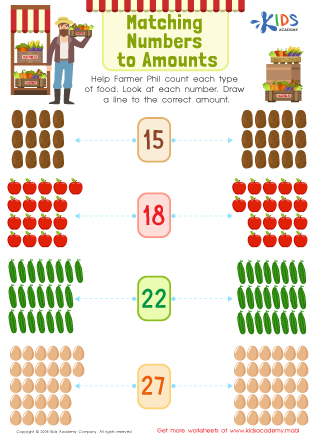
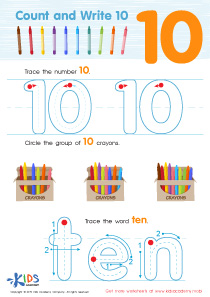
Problem-Solving Skills Normal Comparing Numbers Worksheets for Ages 7-8
3 filtered results
-
From - To
Enhance your child's problem-solving abilities with our engaging "Comparing Numbers" worksheets, specifically designed for ages 7-8. These interactive worksheets focus on normal comparing of numbers, helping young learners sharpen their mathematical skills in a fun and accessible way. Through various exercises, children will learn to identify greater and lesser values, compare sets of numbers, and solve real-world problems using numerical comparisons. Perfect for classroom use or at-home practice, these worksheets encourage critical thinking and boost confidence in mathematics. Watch your child thrive as they tackle challenges with our well-crafted materials, paving the way for future success in math!
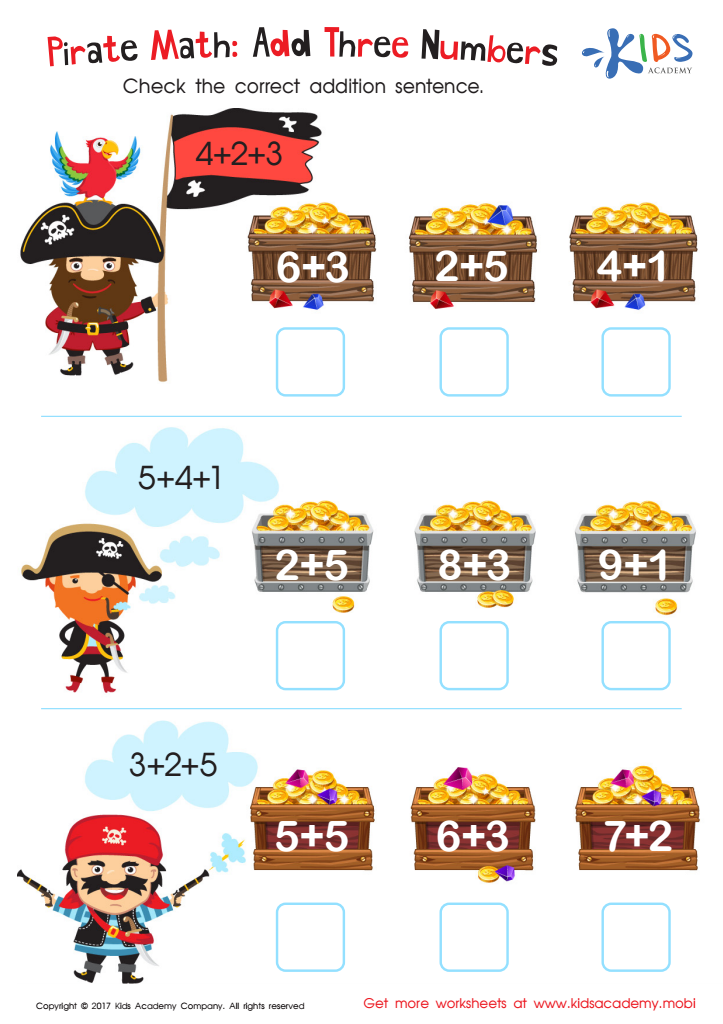
Pirate Math Printable
 Assign to My Students
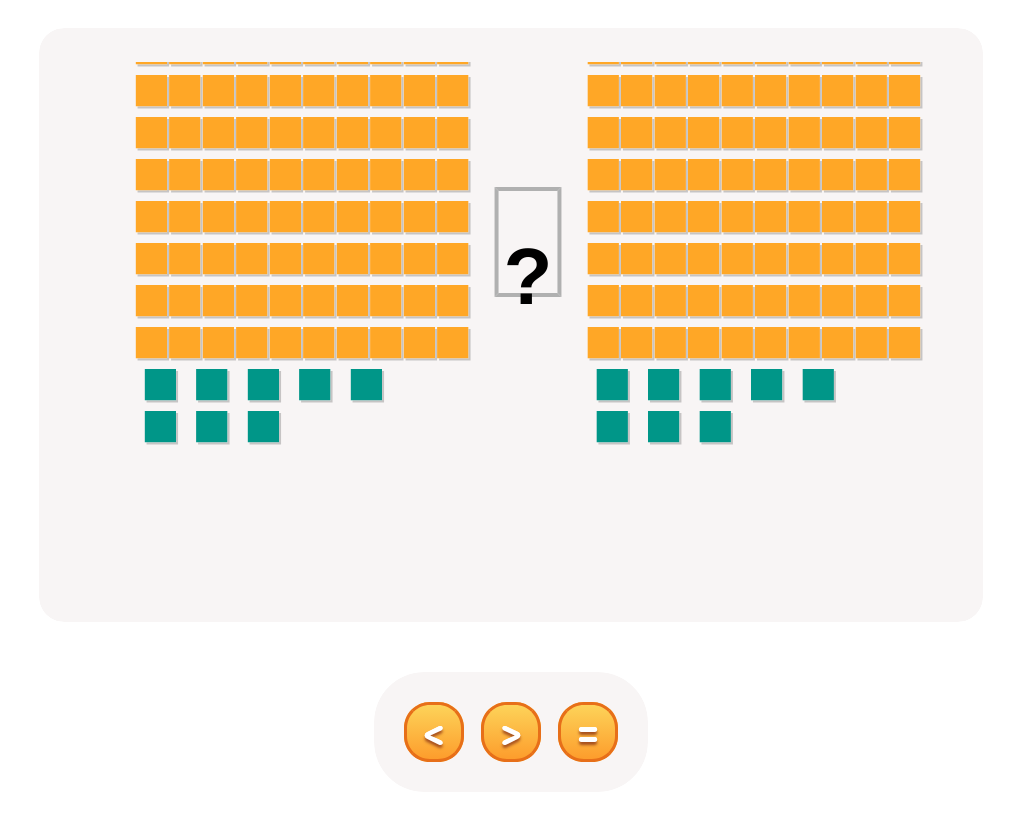

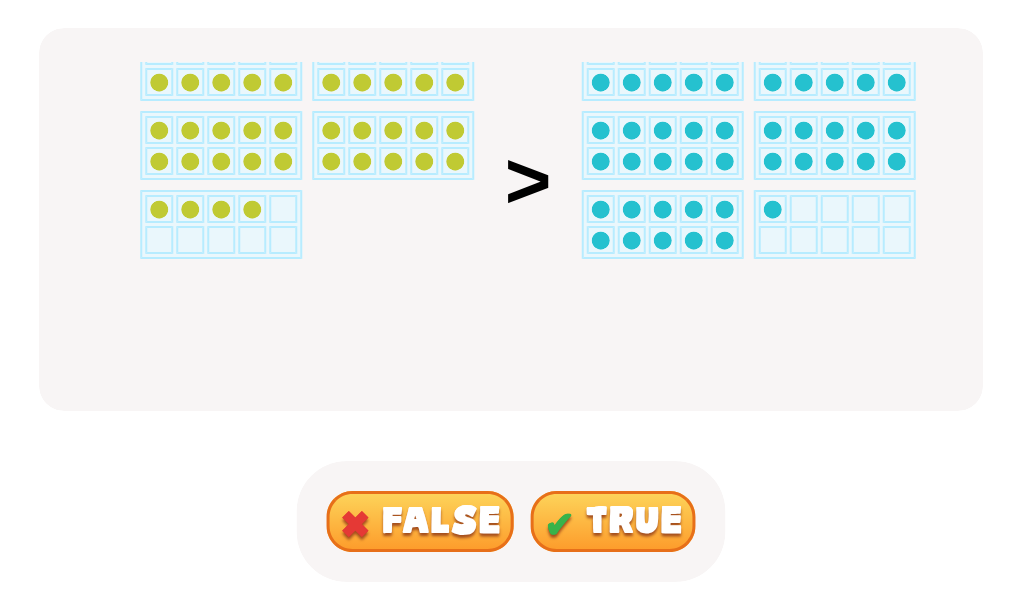
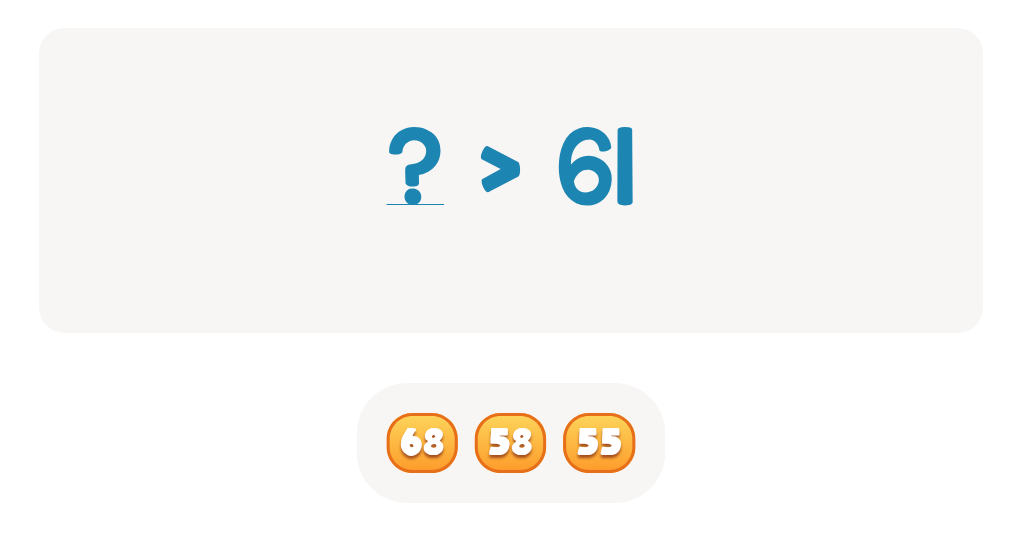
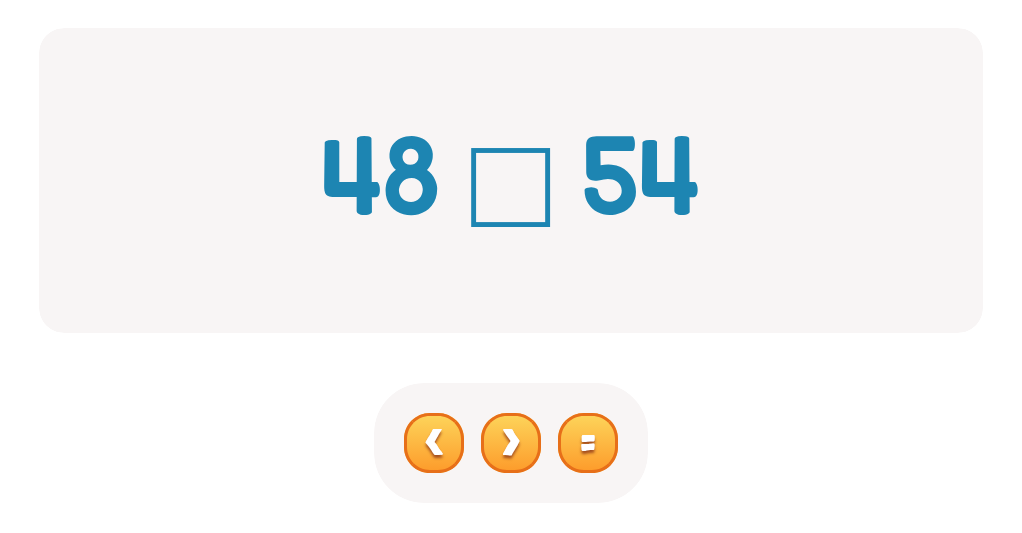
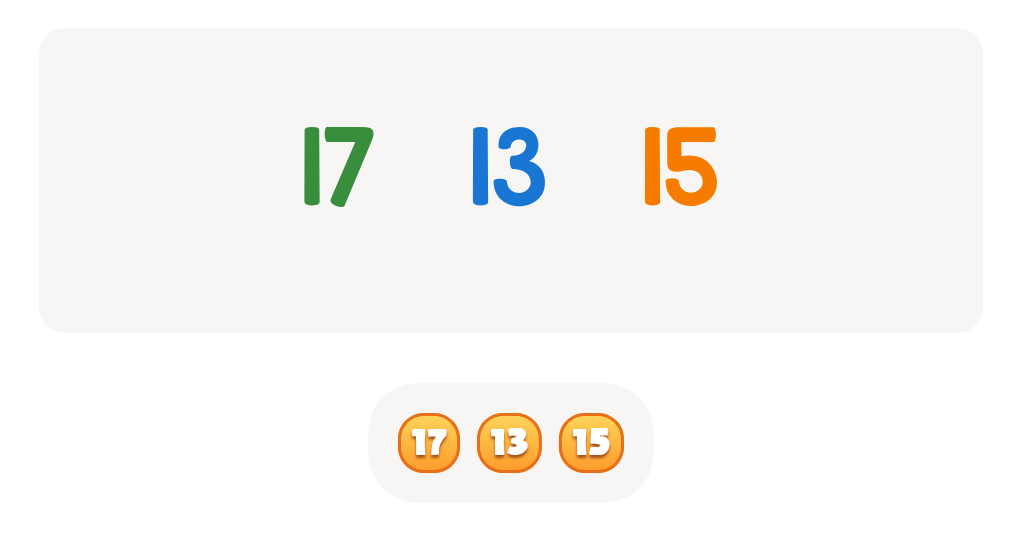
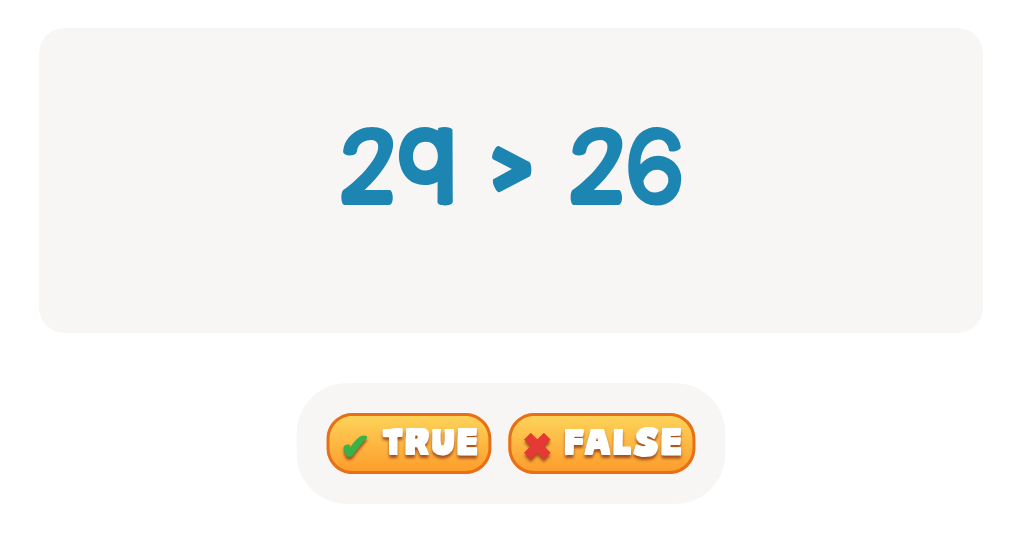
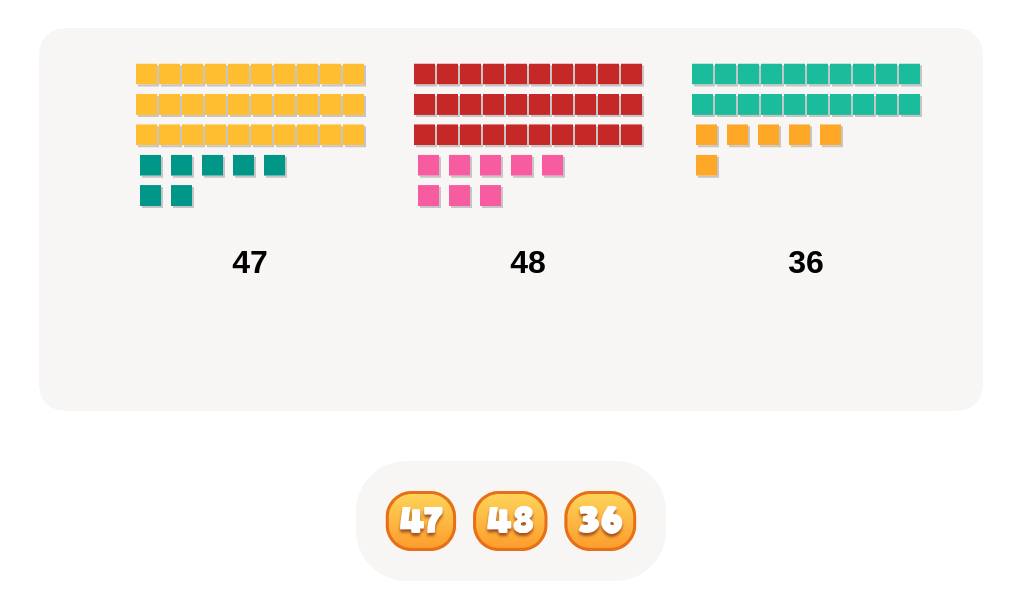
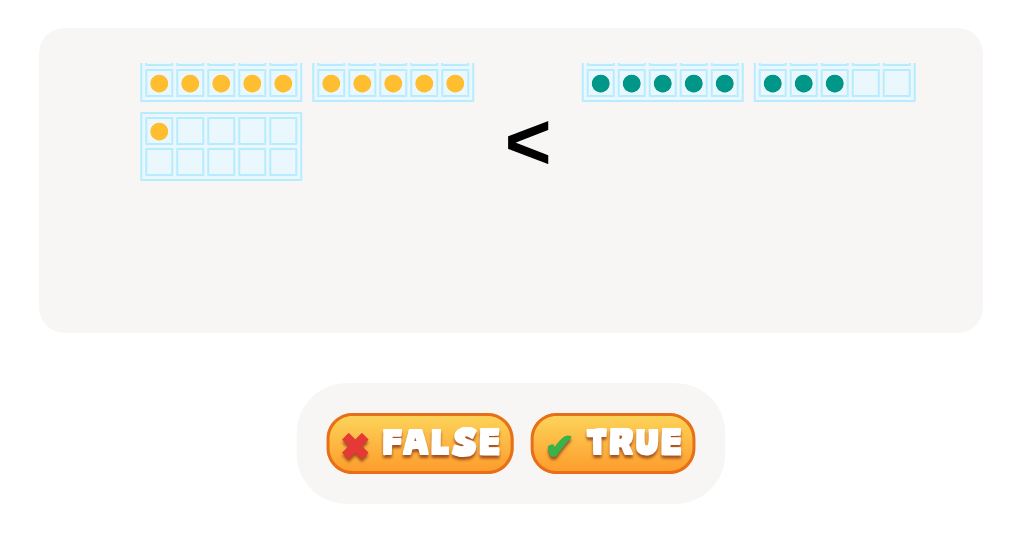
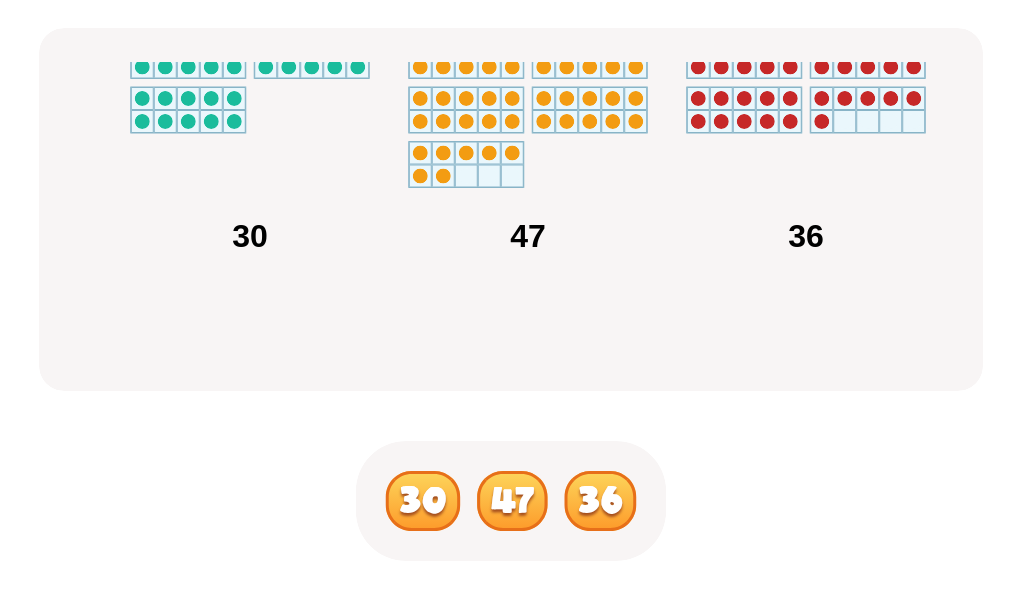
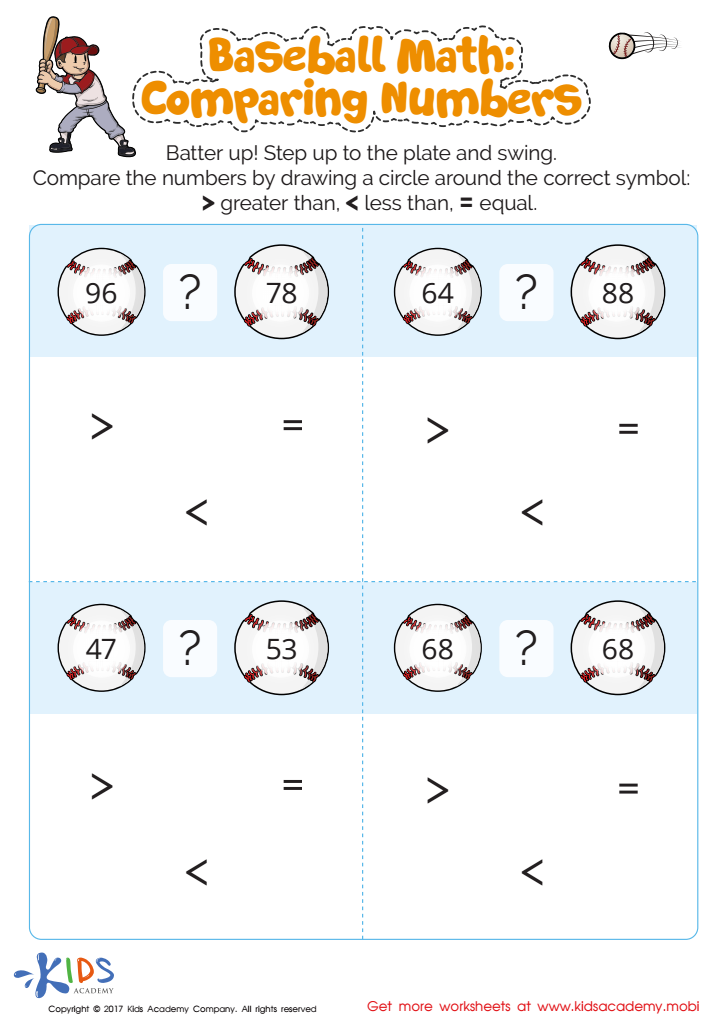
Compare Numbers Printable
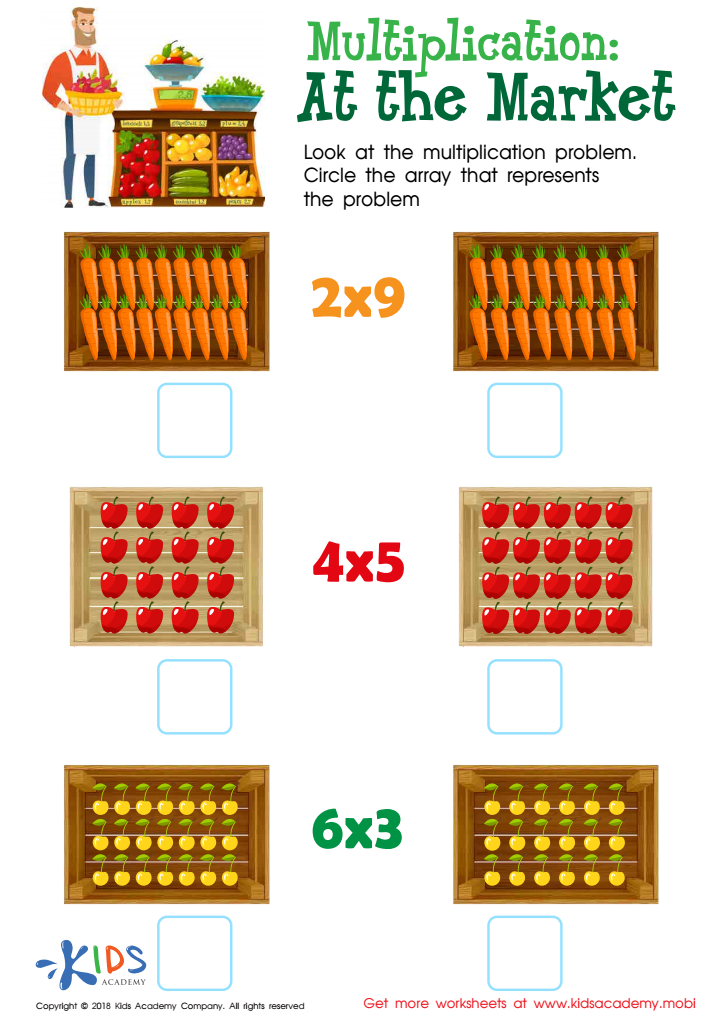
At the Market Worksheet




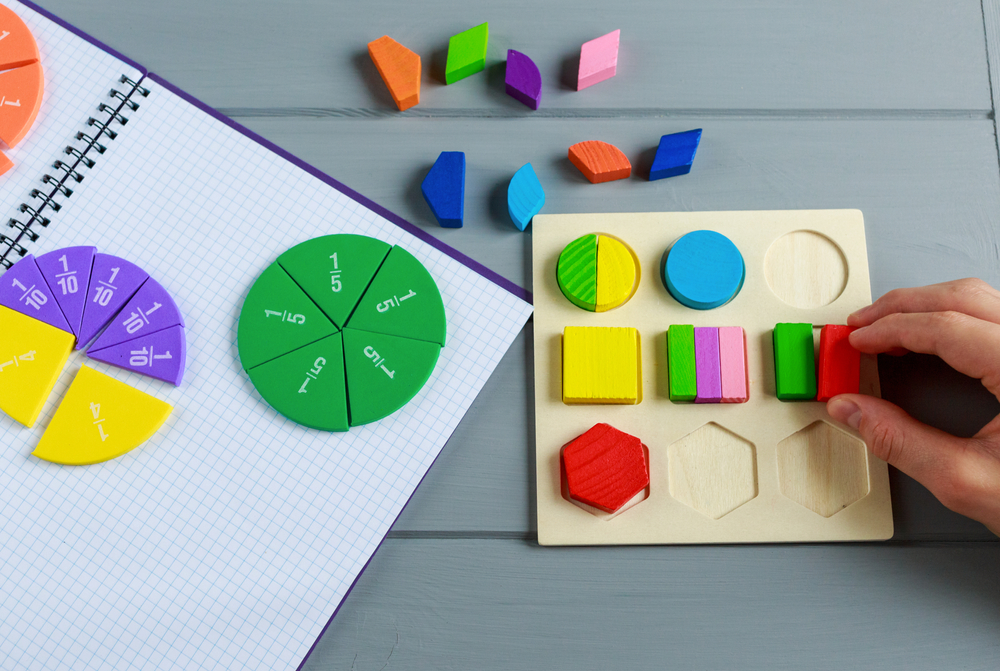



Parents and teachers should prioritize the development of problem-solving skills in children aged 7-8, especially regarding normal comparing numbers, for several compelling reasons. At this age, children are in a critical period for mathematical understanding, and strong problem-solving skills lay the groundwork for future learning. By engaging with comparing numbers, children learn to make sense of quantities, understand relationships, and develop analytical thinking, which are vital not only in mathematics but across all subjects.
These skills empower children to approach challenges methodically, facilitating better decision-making. For instance, as they learn to compare numbers, they begin to grasp concepts of greater than, less than, and equivalence, which are foundational for more complex math operations like addition, subtraction, and even fractions later on. Additionally, problem-solving encourages resilience; children learn that encountering challenges is part of the learning process, fostering a positive attitude towards mistakes.
Furthermore, cultivating these skills through collaborative games and activities enhances social interactions, teamwork, and communication, richer in their learning environments. Ultimately, focusing on problem-solving skills in young kids enriches their intellectual, emotional, and social development, ensuring they are better equipped to navigate both academic and real-world challenges as they grow.