
Understanding times tables Normal Multiplication Worksheets for Ages 7-8
3 filtered results
Difficulty Level
Grade
Age
-
From - To
Subject
Activity
Standards
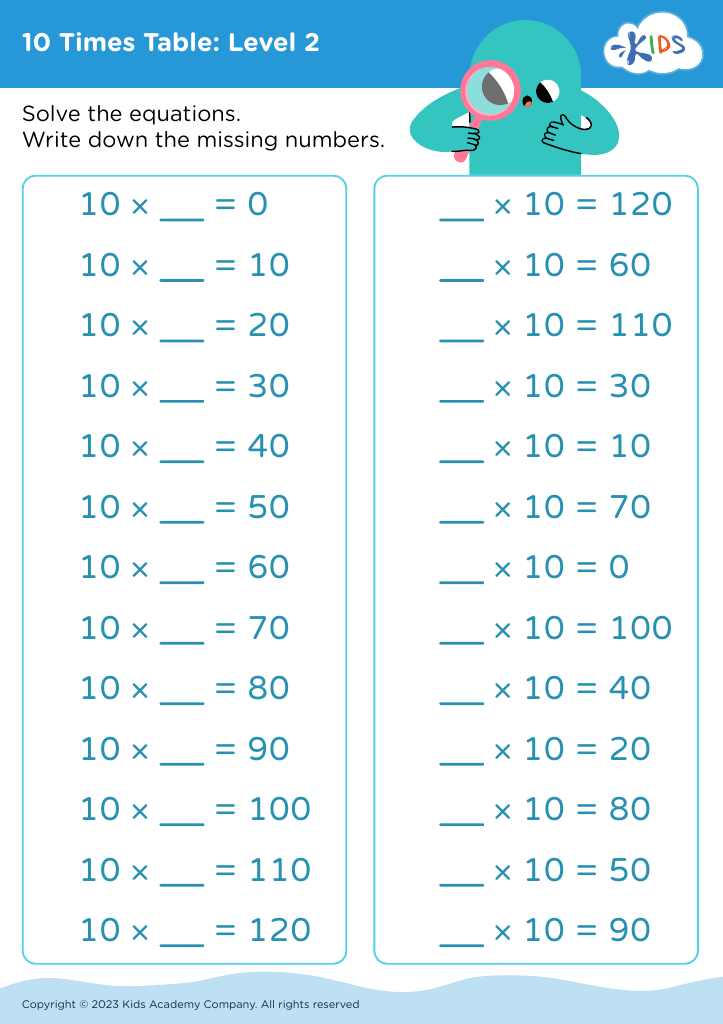
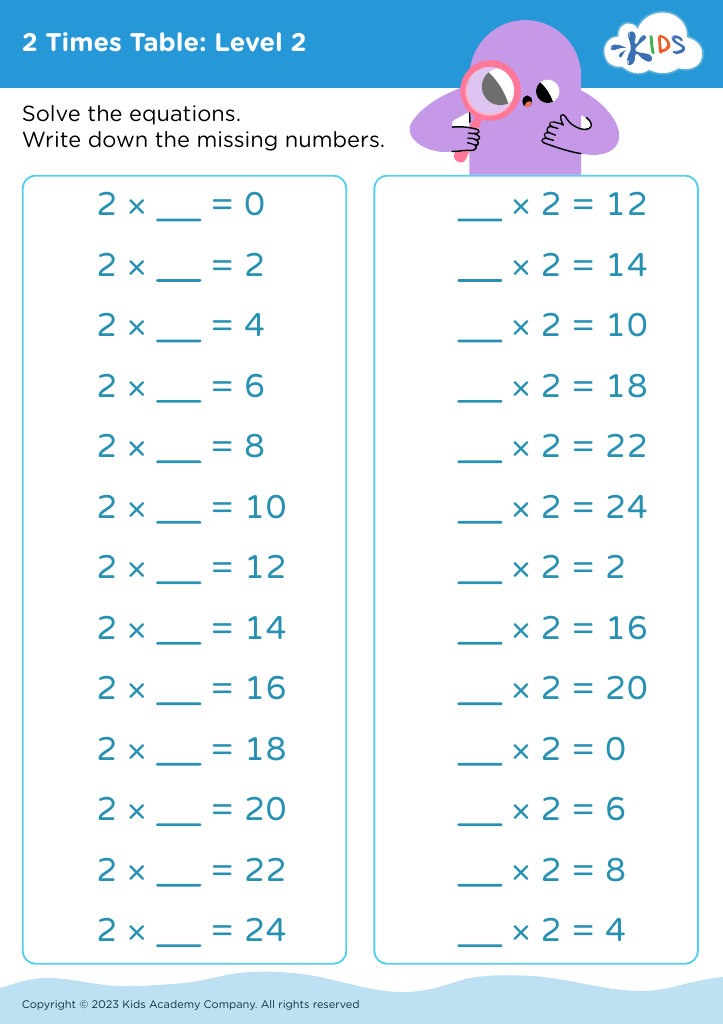
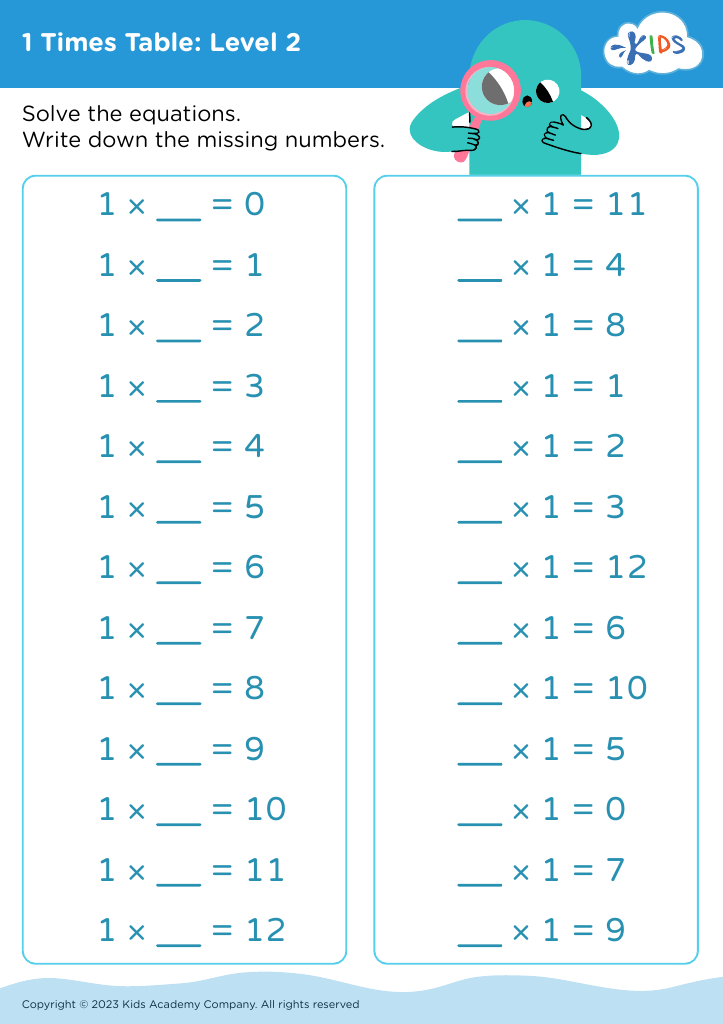
Discover our "Understanding Times Tables Normal Multiplication Worksheets" designed specifically for children aged 7-8! These engaging and educational worksheets focus on helping young learners grasp the concept of multiplication through various activities. With clear instructions and visually appealing layouts, students can practice essential times table skills, develop their confidence, and enhance their math abilities. Our resources include interactive exercises, fun puzzles, and real-life applications to make learning multiplication enjoyable. Whether at home or in the classroom, these worksheets are perfect for reinforcing multiplication concepts and ensuring children build a solid foundation for future math success. Get started today!
Favorites
With answer key
Interactive
Join Kids Academy for Free
Who is primarily going to use this learning content?



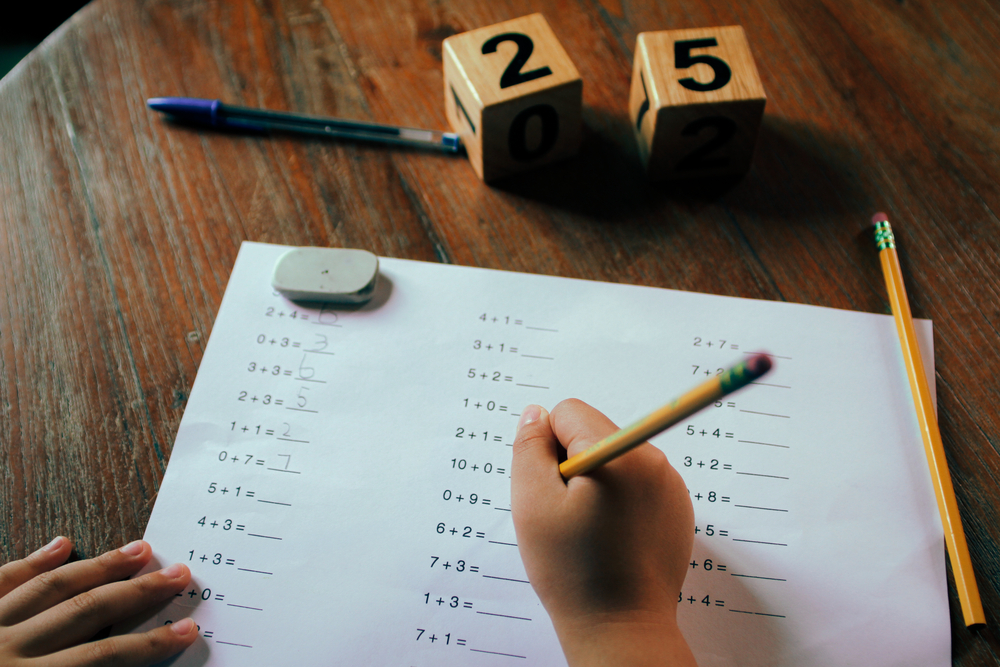




Understanding times tables and normal multiplication is crucial for children aged 7-8, as these skills form the foundation for future mathematical learning. Mastering multiplication enables students to tackle more complex concepts, such as division, fractions, and even algebra. When children are proficient in their times tables, they gain confidence in their mathematical abilities, which fosters a positive attitude toward learning.
Additionally, multiplication is frequently encountered in real-life scenarios, such as calculating totals during shopping, dividing snacks among friends, or understanding time-tables. This makes it not just an academic exercise but a vital life skill. By focusing on times tables, parents and teachers can help children appreciate the relevance of math in everyday life.
Repetition and practice are necessary to solidify these concepts, and early intervention can prevent future difficulties in mathematics. Encouraging a growth mindset can also help children view challenges in math as opportunities to learn. Therefore, a strong emphasis on understanding times tables and multiplication is essential. This foundational learning sets the stage for academic success and develops critical thinking skills that extend beyond the classroom. Engaging children with fun and creative methods can also enhance retention and enjoyment in learning math.








