Reading comprehension Normal Building Vocabulary Worksheets for Ages 7-8 - Page 3

Filters

54 filtered results

Clear all filters
Favorites
With answer key
Interactive

54 filtered results

Difficulty Level

Grade


Check out this FREE Trial Lesson on Building Vocabulary for age 7-8!

High-frequency Words 2

Favorites
With answer key
Interactive
  • 7-8
  • Reading comprehension
  • Building Vocabulary
  • Normal
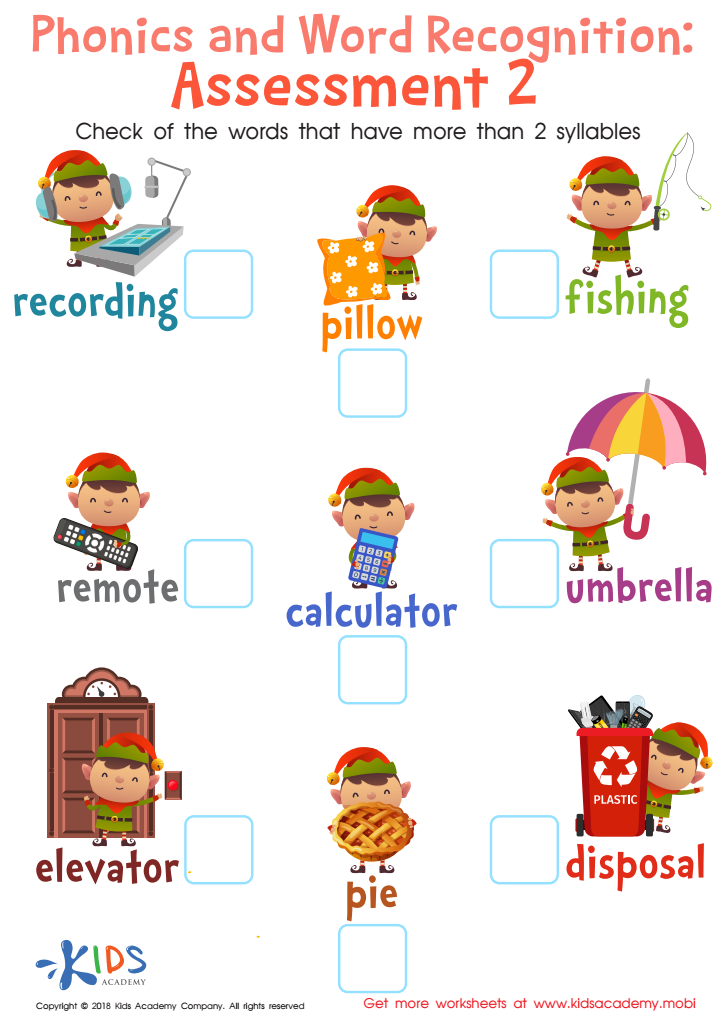
Phonics and Word Recognition: Assessment 2 Worksheet

Phonics and Word Recognition: Assessment 2 Worksheet

Help your kids learn proper pronunciation by counting syllables. Most words they'll encounter have 1-3 syllables, making them simple to say. Have them repeat the words in your worksheet after you. Focus on longer words with more than two syllables.
Phonics and Word Recognition: Assessment 2 Worksheet
Worksheet
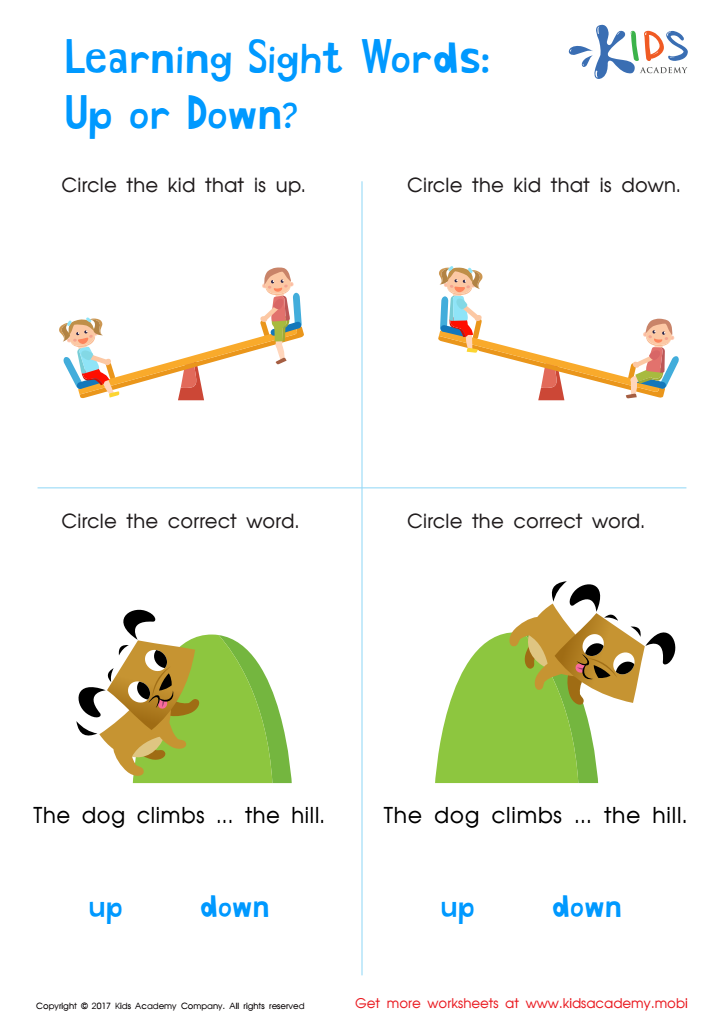
Colored Sight Words Up or Down

Up or Down Printable Sight Words Worksheet
Help your child identify up and down in print with this sight words worksheet. It has simple sentences, vibrant images and easy-to-read language that allow your little learner to practice these essential sight words. Perfect for early readers! Help your early reader identify and read up and down with this sight words worksheet. It provides simple sentences, clear language and vibrant images to help them practice these essential sight words. Perfect for toddlers!
Up or Down Printable Sight Words Worksheet
Worksheet
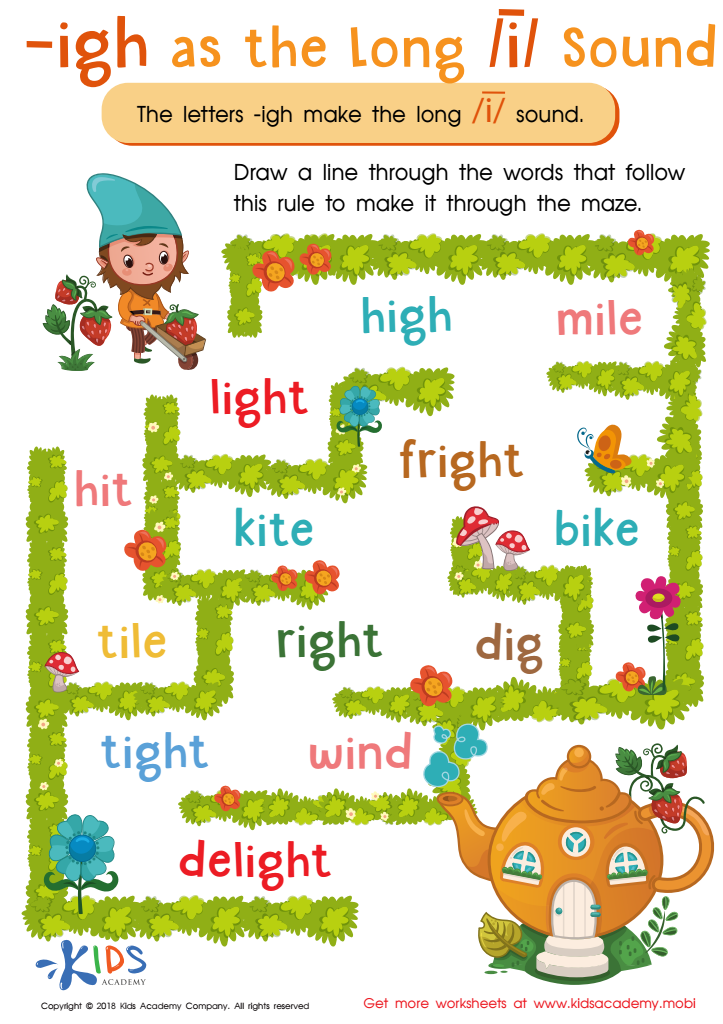
Reading: IGH as Long I Worksheet

Reading: IGH as Long I Worksheet

Kids can have fun and learn with this maze! They'll look for and read words with the 'long I' sound spelled 'igh'. Most words ending with 'T' have this spelling. Decode words while learning about long vowel sounds and their spellings.
Reading: IGH as Long I Worksheet
Worksheet
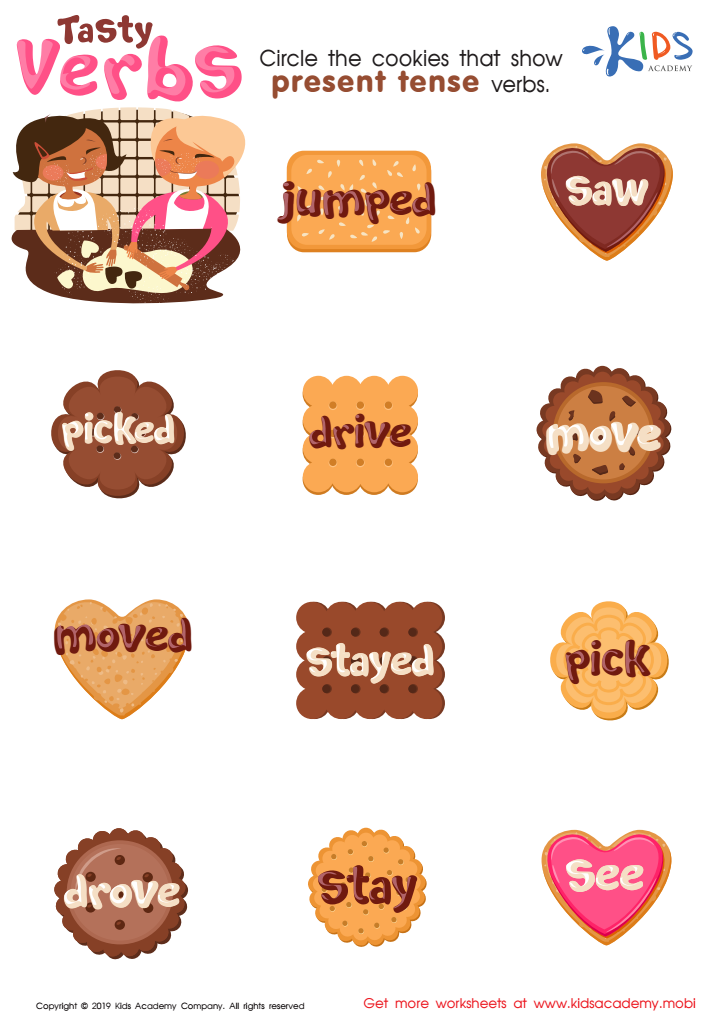
Tasty Verbs Worksheet

Tasty Verbs Worksheet

Verbs can show actions, past events, and future happenings. Master present tense verbs with this cookie-themed worksheet! Read the verbs on each cookie and help kids form sentences using the word in present tense. Circle the correct answers for each cookie. Give them a tasty treat while learning something new!
Tasty Verbs Worksheet
Worksheet
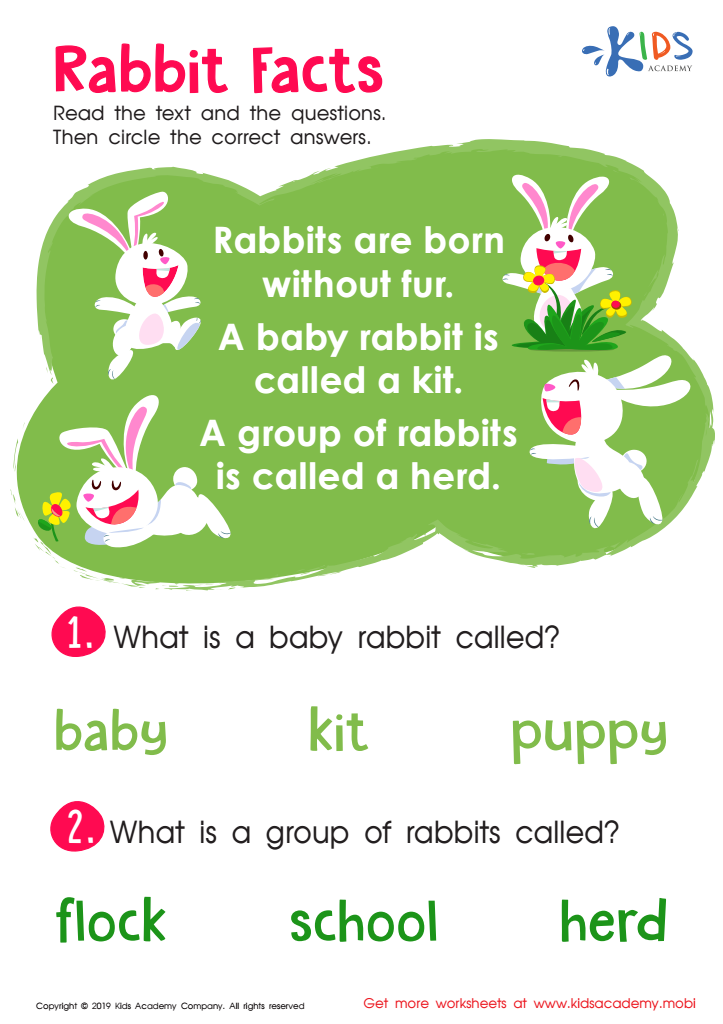
Rabbit Facts Worksheet

Rabbit Facts Worksheet

Reading comprehension skills can be strengthened with this fun PDF about fluffy rabbits. It helps kids recall and retell details from the text while engaging them in the topic. This encourages success in reading comprehension.
Rabbit Facts Worksheet
Worksheet
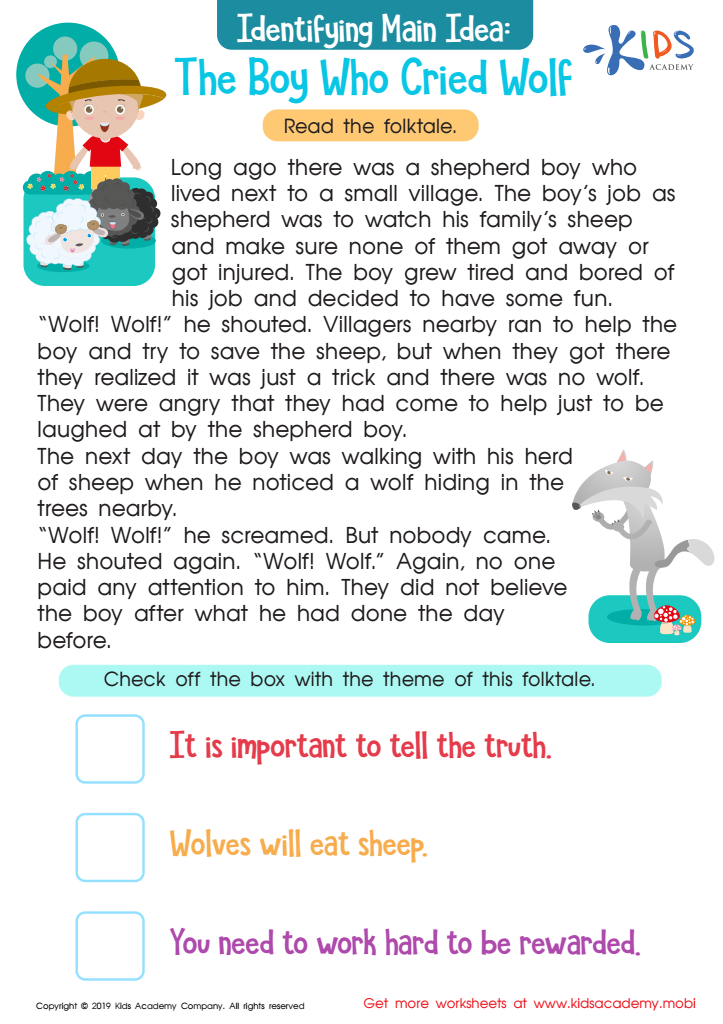
The Boy Who Cried Wolf Part 2 Worksheet


The Boy Who Cried Wolf Part 2 Worksheet

Kids love story time - no doubt they know their favorites! This worksheet tells a story with a theme or main idea. Read it carefully with your kids and ensure they understand every word. Then, help them answer the simple questions at the bottom of the page.
The Boy Who Cried Wolf Part 2 Worksheet

Worksheet


... 2 3

Parents and teachers play a pivotal role in nurturing essential reading comprehension and vocabulary skills in young children aged 7-8, a critical stage for cognitive development. During these formative years, children's brains are incredibly receptive to learning, making it the ideal time to build a strong foundation for future academic success.

Reading comprehension is not just about decoding words; it involves understanding, interpreting, and connecting ideas within the text. Proficient reading comprehension skills enable children to grasp complex concepts, follow narrative structures, and, importantly, derive joy from reading. This fundamental skill lays the groundwork for advanced studies, critical thinking, and effective communication skills.

Additionally, a robust vocabulary is integral to reading comprehension. A rich vocabulary allows children to understand texts more deeply, express thoughts and emotions more clearly, and engage more fully in learning activities. It enhances their ability to follow instructions, participate in discussions, and build stronger language skills. By prioritizing vocabulary development, parents and teachers help children bridge the gap between word cognition and meaning, fostering a more intuitive and rich language experience.

Investing attention and effort into building reading comprehension and vocabulary at this age not only propels academic achievement but also promotes lifelong learning and curiosity, equipping children with the tools they need to navigate a world full of information and opportunities.