Reading comprehension Normal Building Vocabulary Worksheets for Ages 7-8 - Page 2
54 filtered results
-
From - To
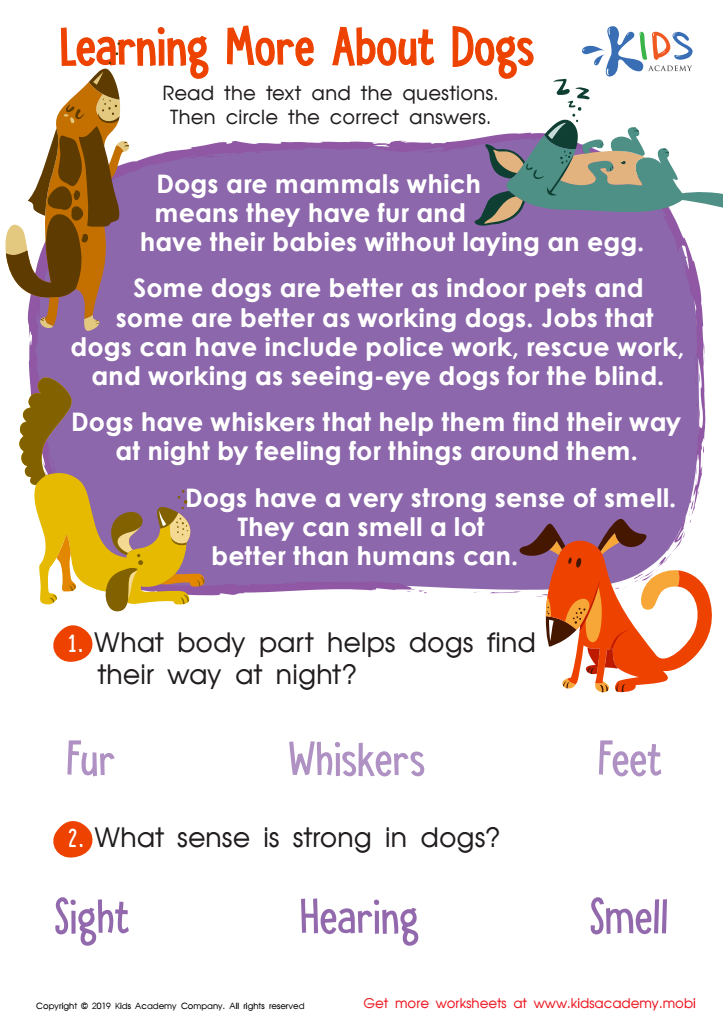
Learning More About Dogs Worksheet
 Assign to My Students











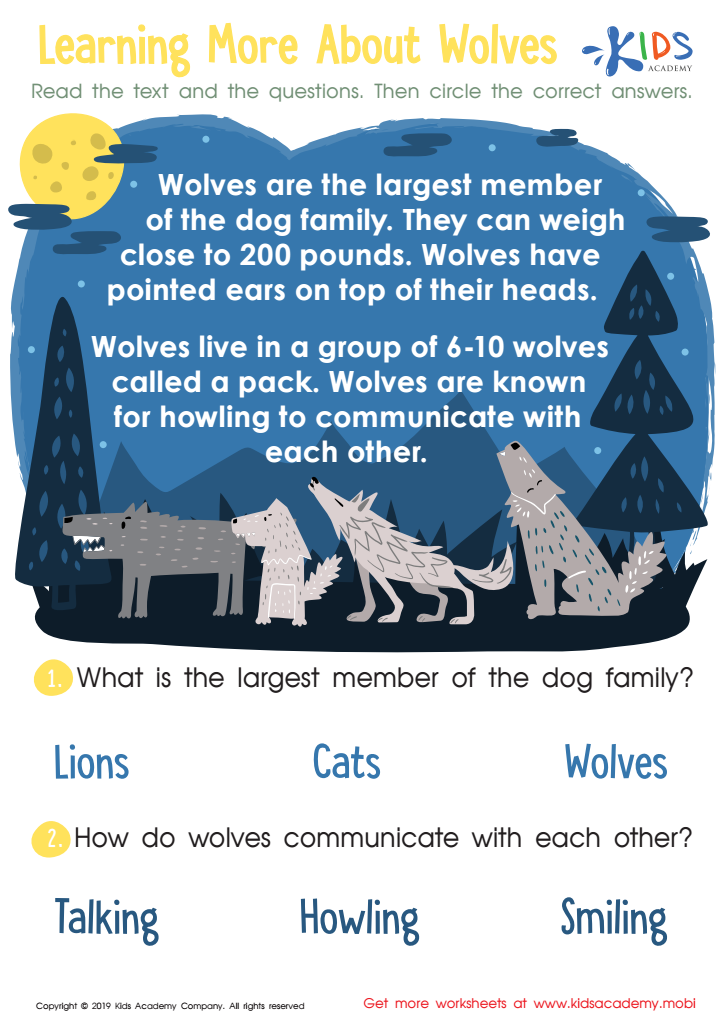
Learning More About Wolves Worksheet
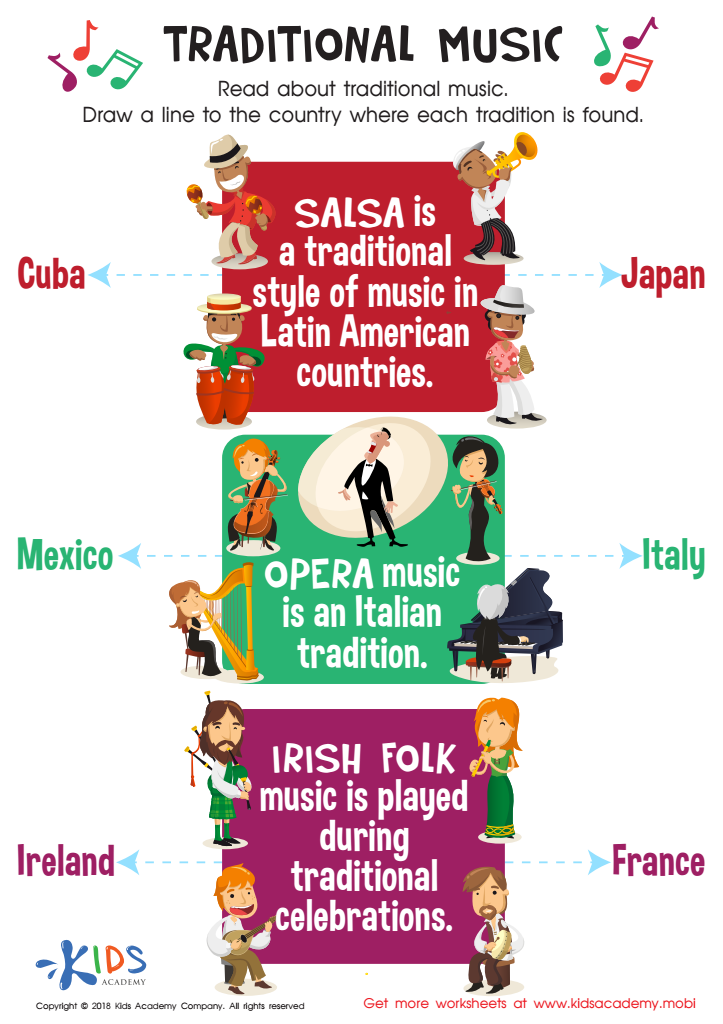
Traditional Music Worksheet
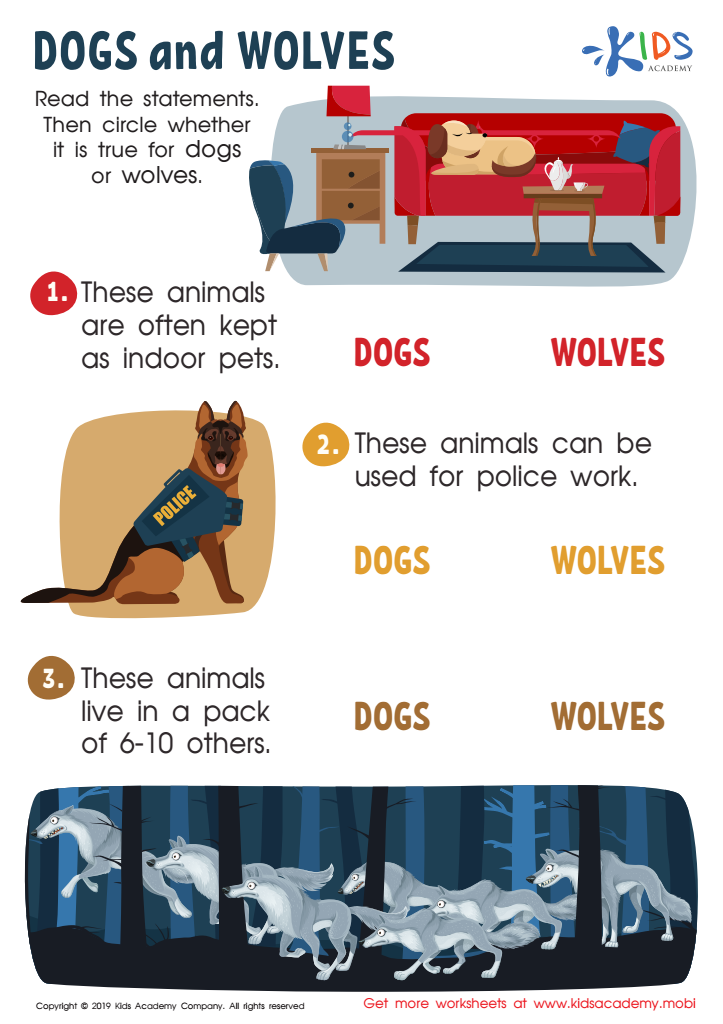
Dogs and Wolves Worksheet
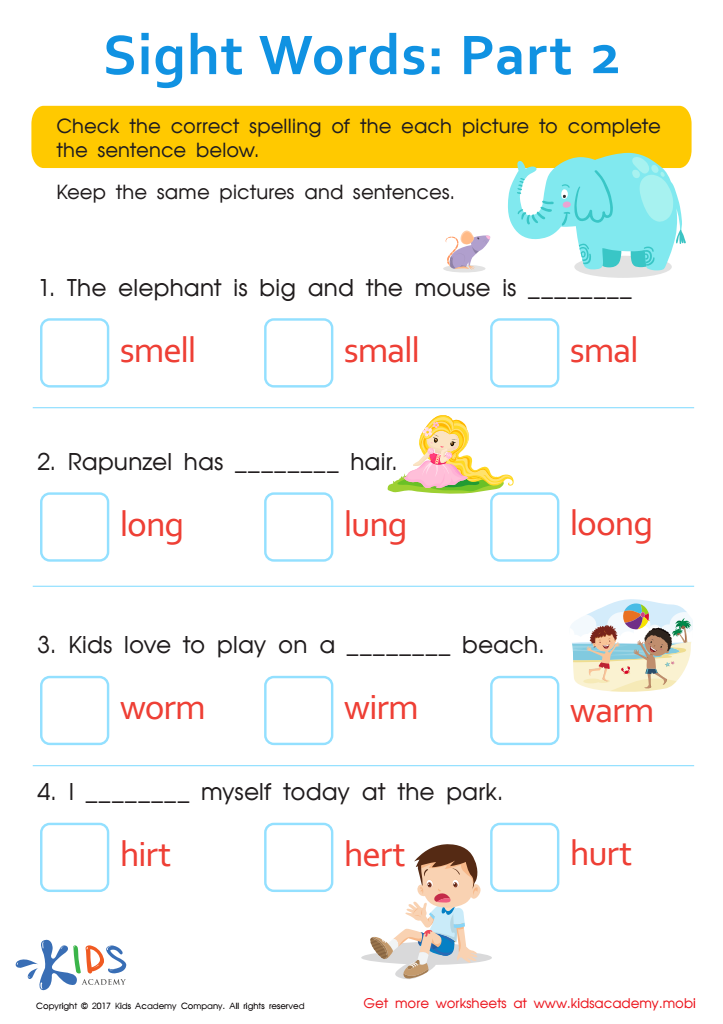
Sight Words Worksheet
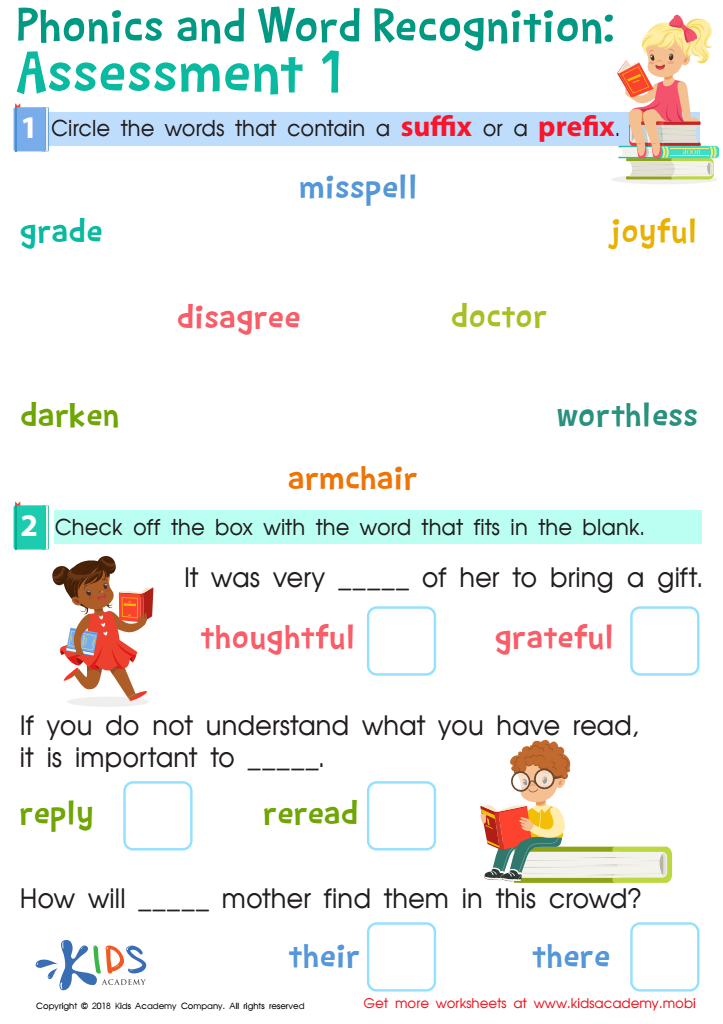
Phonics and Word Recognition: Assessment 1 Worksheet
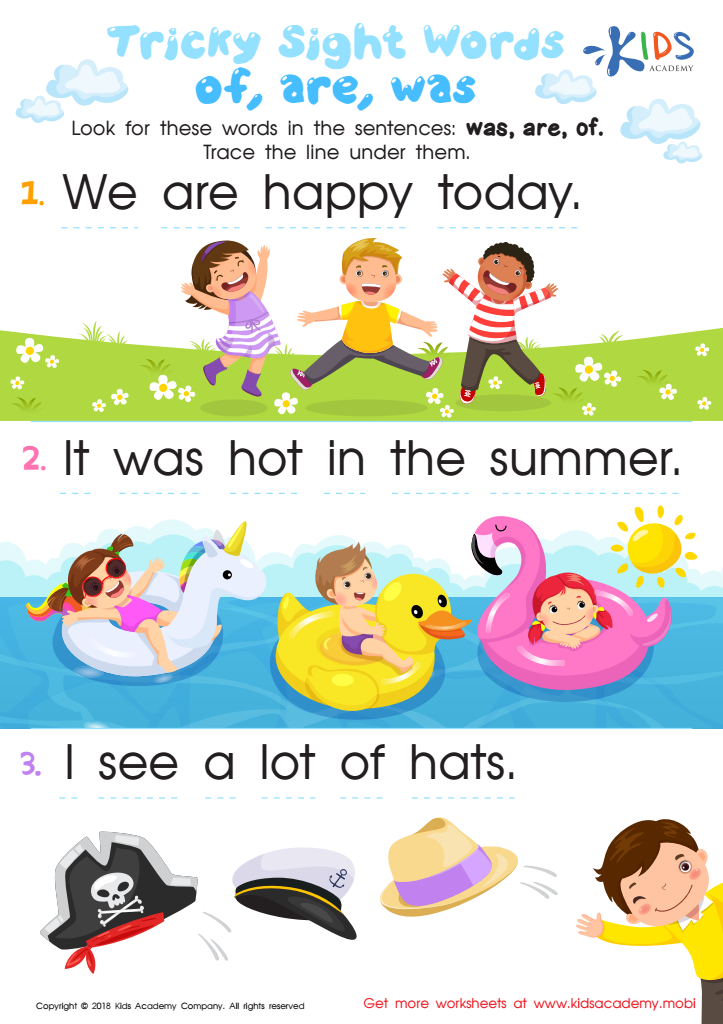
Tricky Sight Words Worksheet
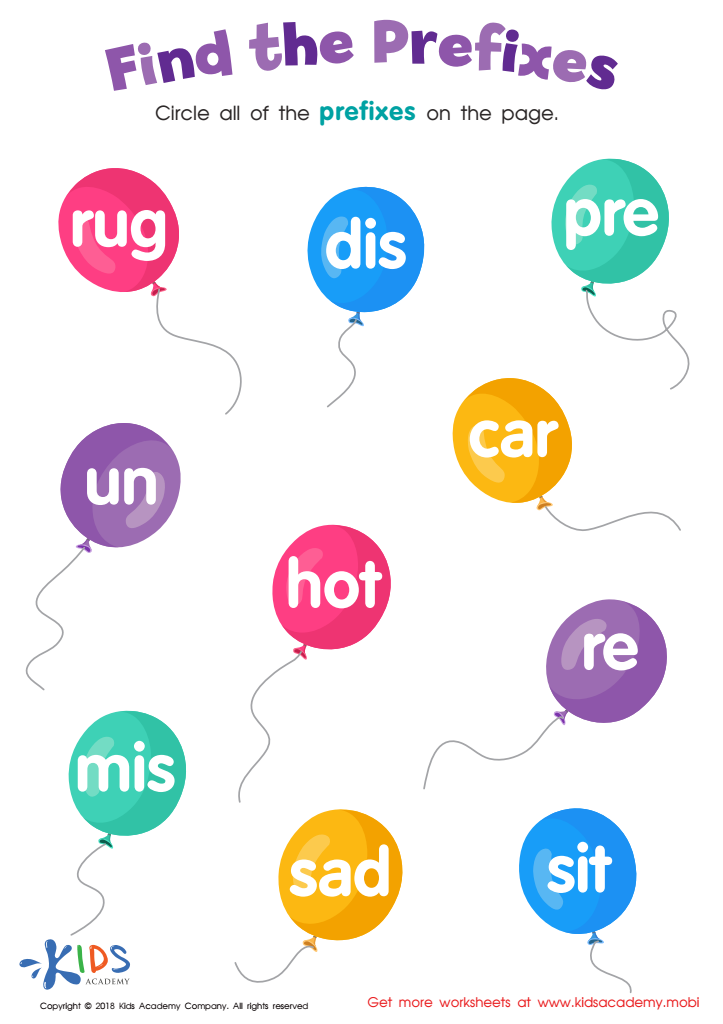
Reading: Find the Prefixes Worksheet
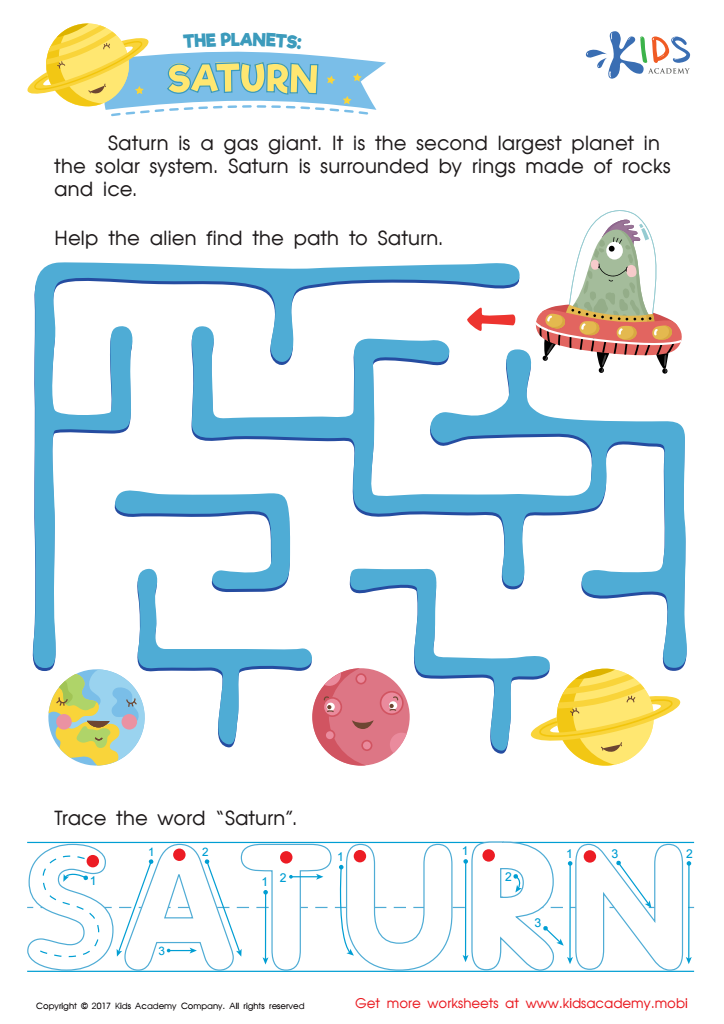
The Planets: Saturn Printable
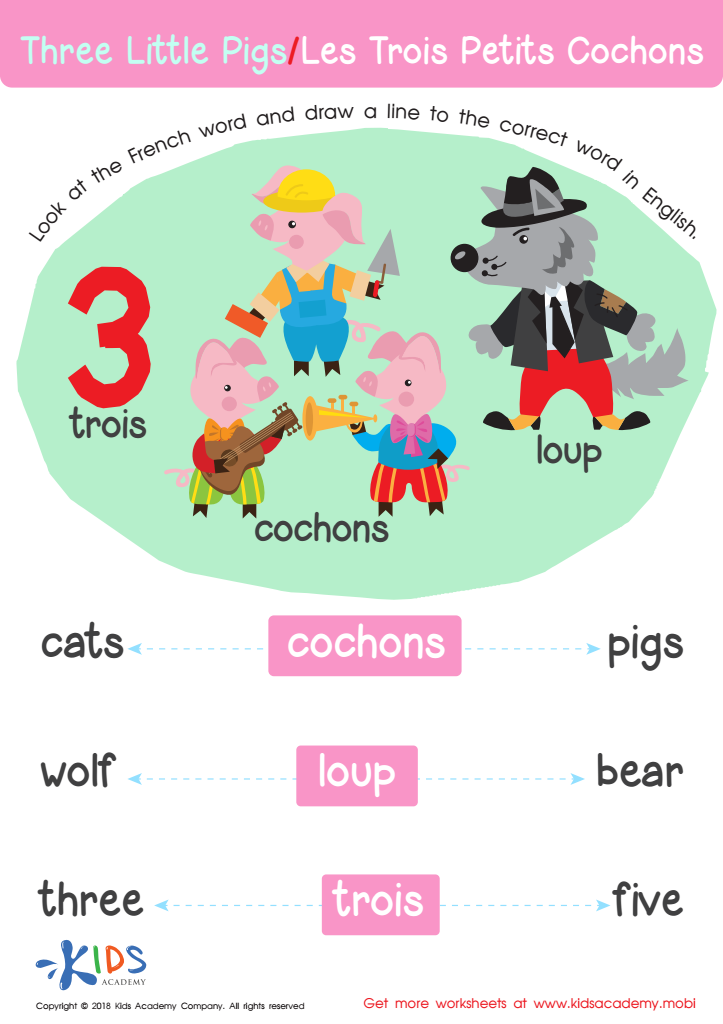
Three Little Pigs / Les Trois Petits Cochons Worksheet
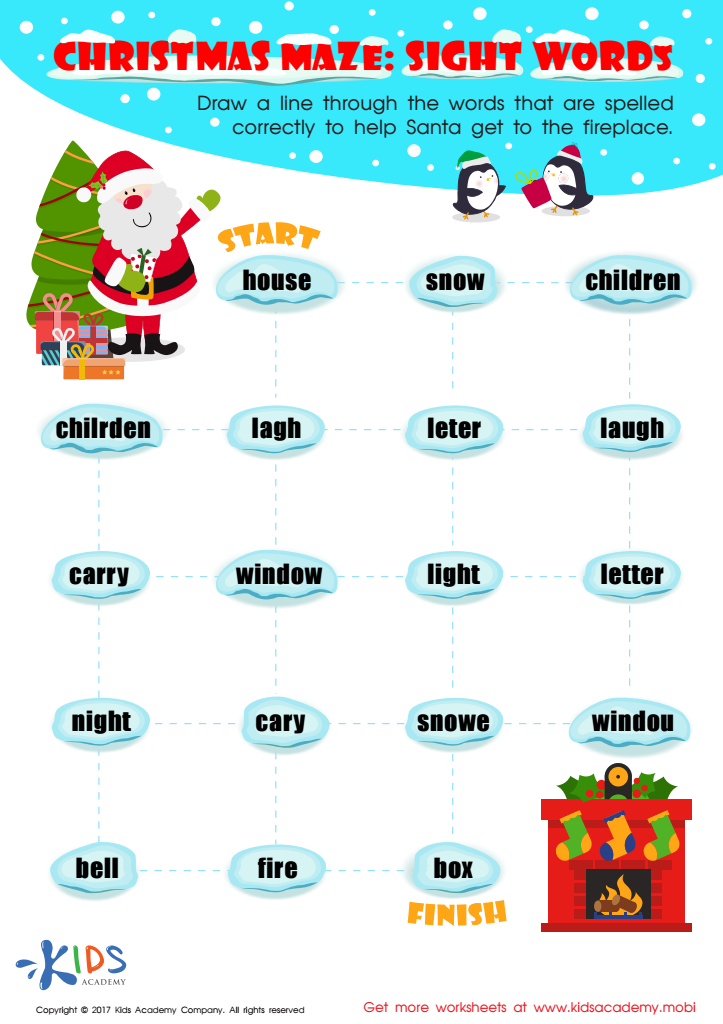
Sight Words Christmas Maze Printable
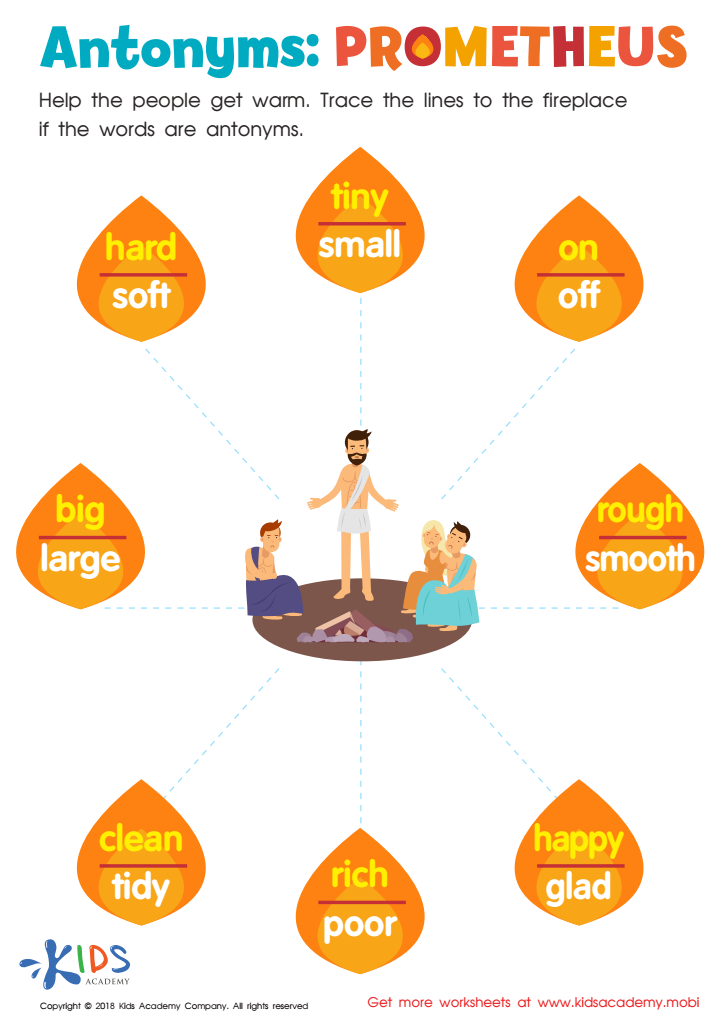
Antonyms: Prometheus Worksheet
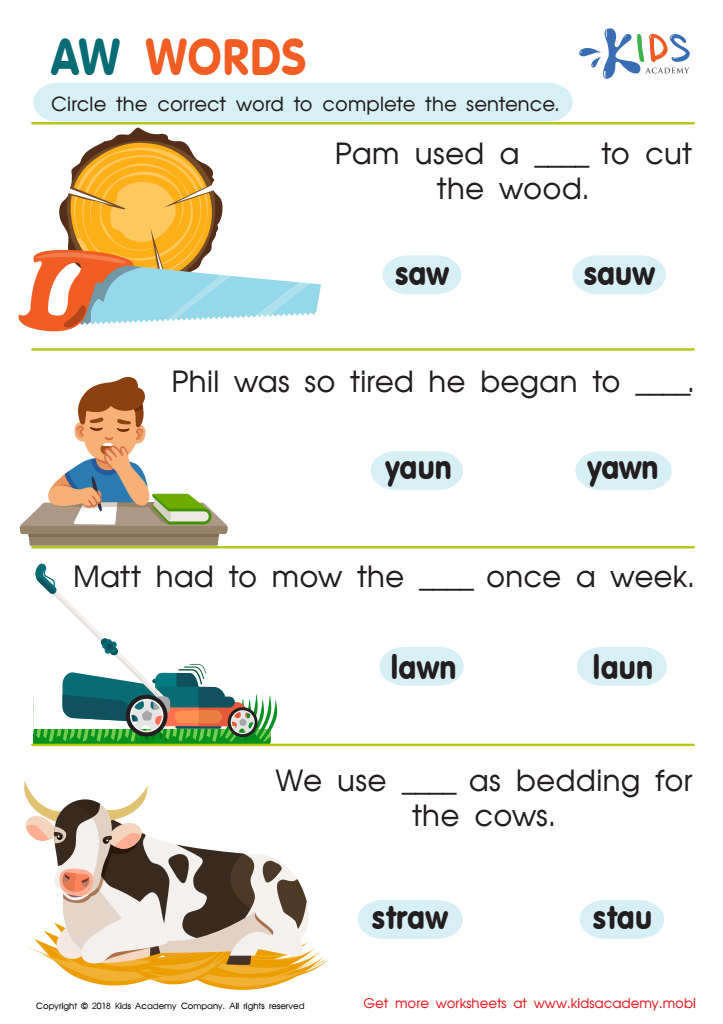
Reading: AW Words Worksheet
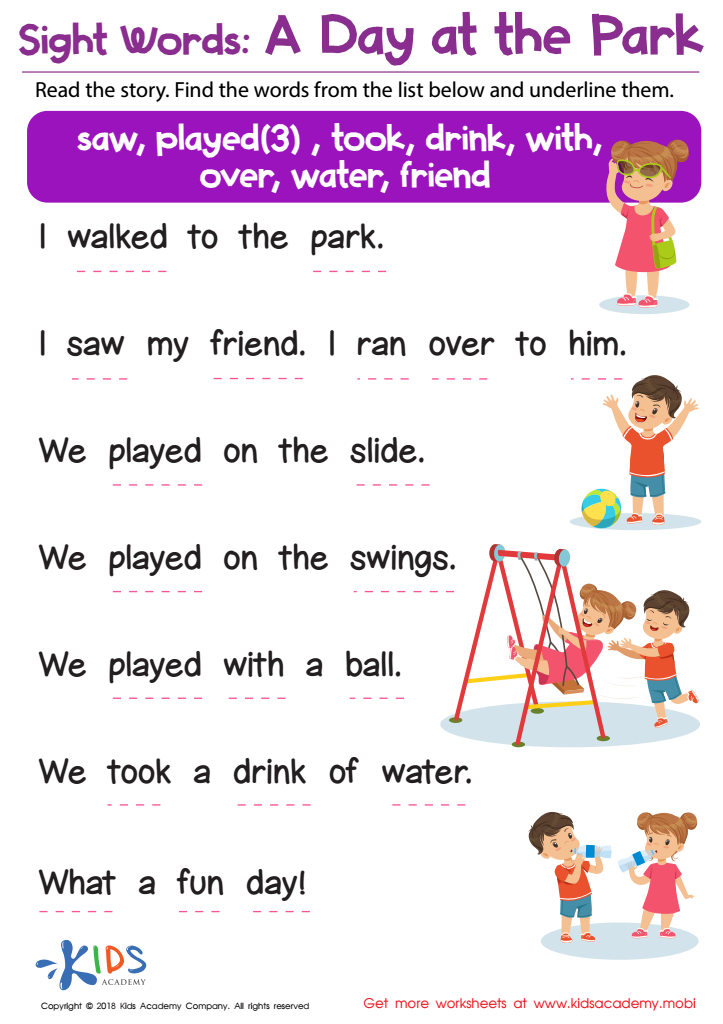
Sight Words: A Day at the Park Worksheet
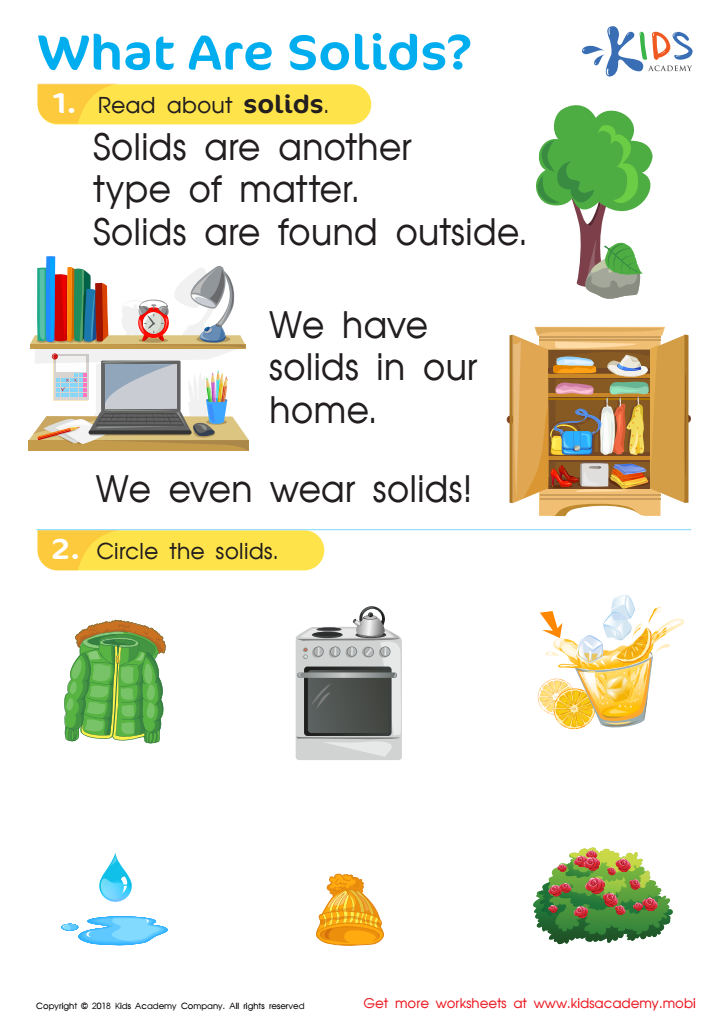
What Are Solids? Worksheet
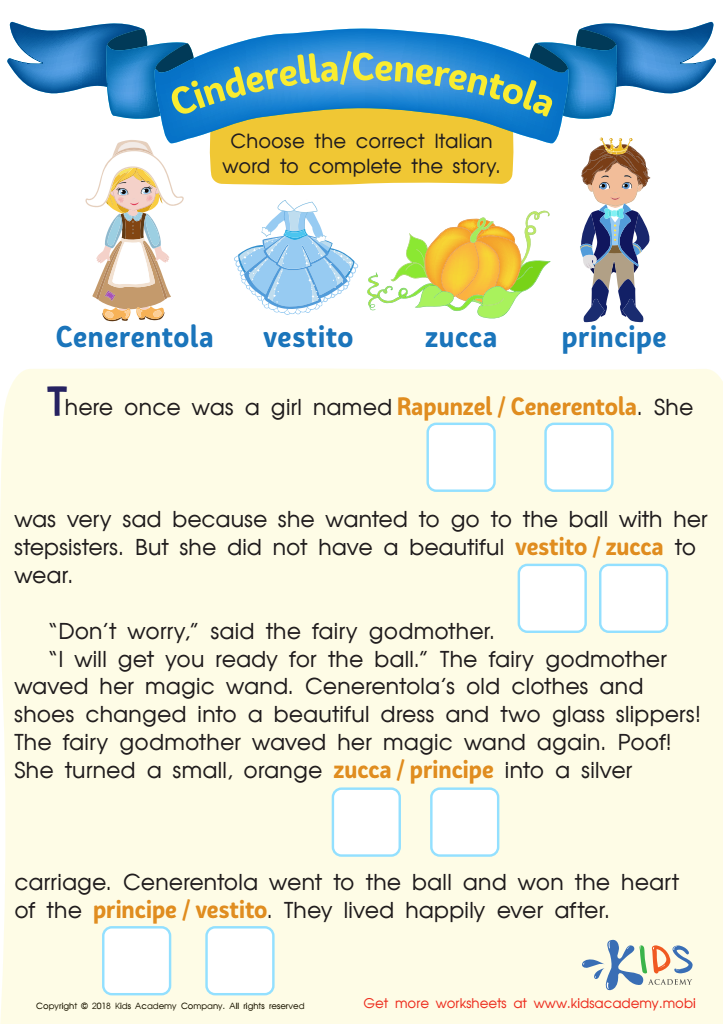
Cinderella / Cenerentola Worksheet
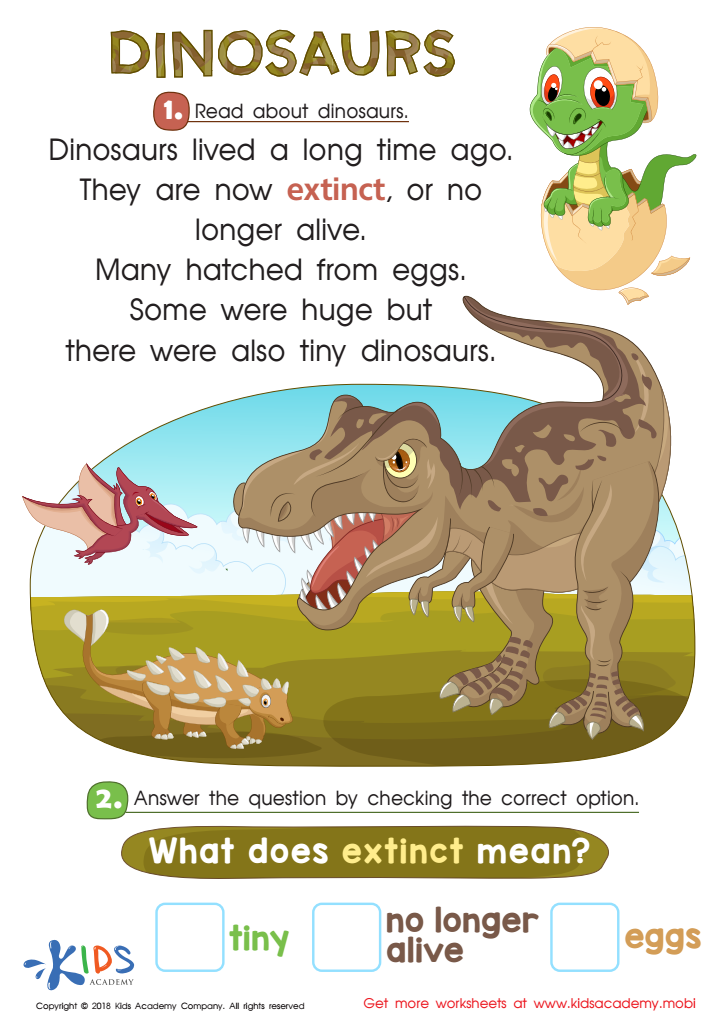
Dinosaurs Worksheet
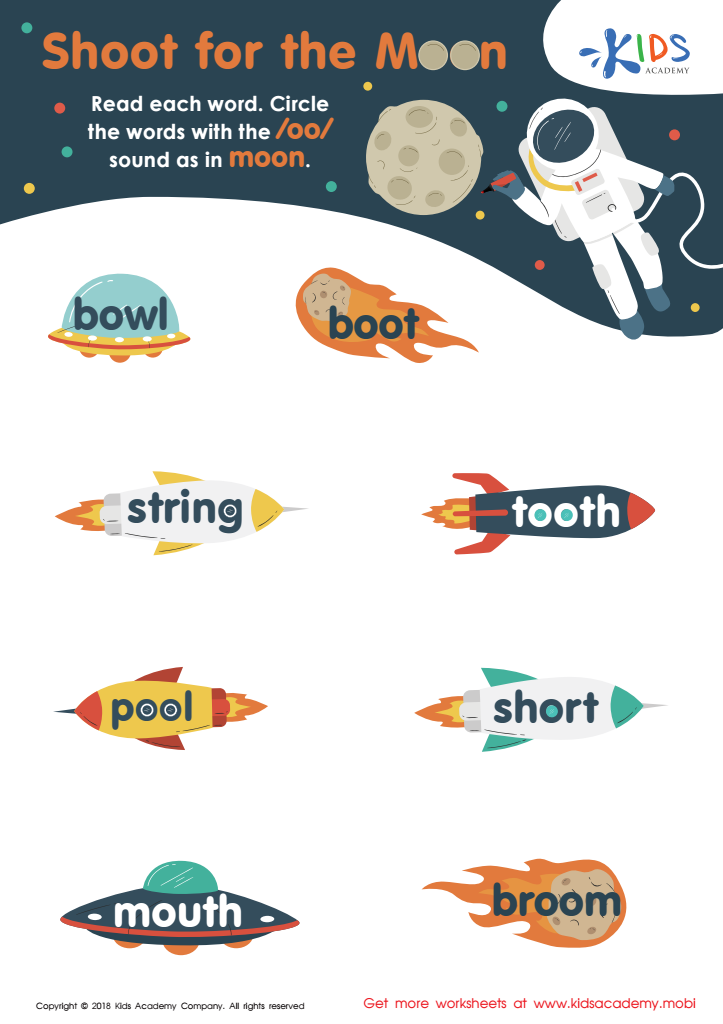
Reading: Shoot for the Moon Worksheet
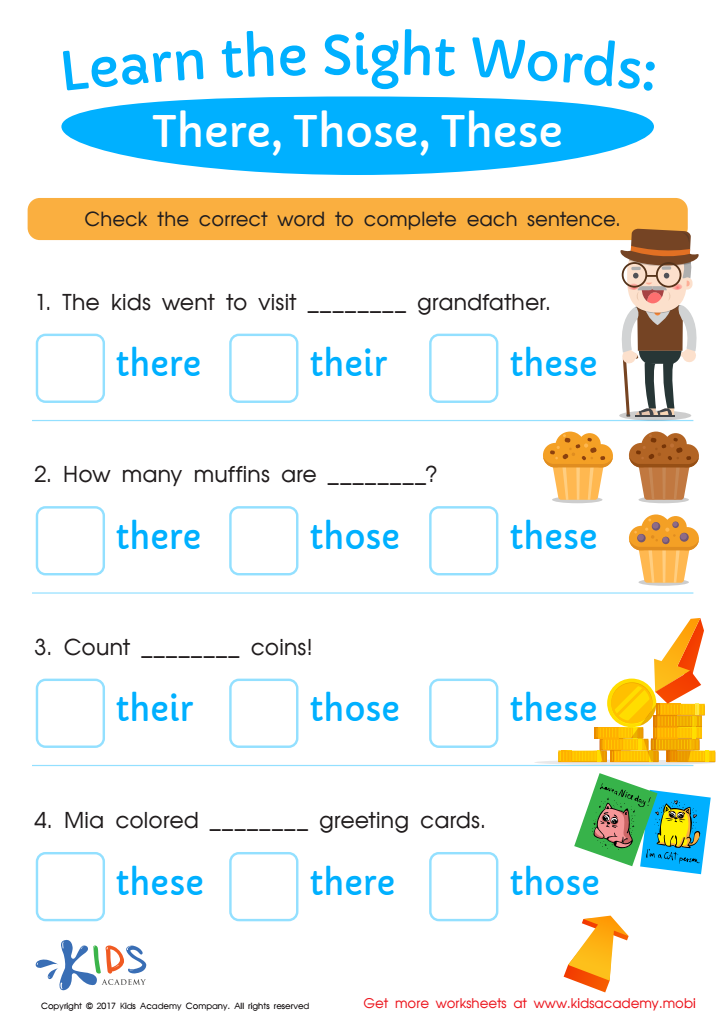
There, Those and These Sight Words Worksheet
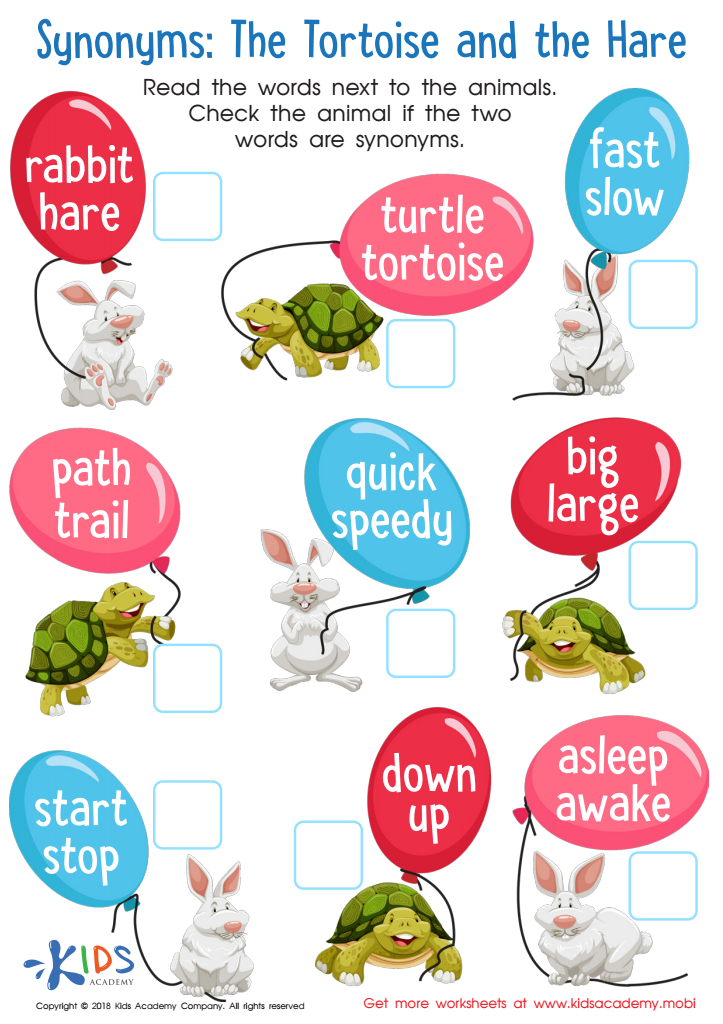
Synonyms: The Tortoise and Hare Worksheet
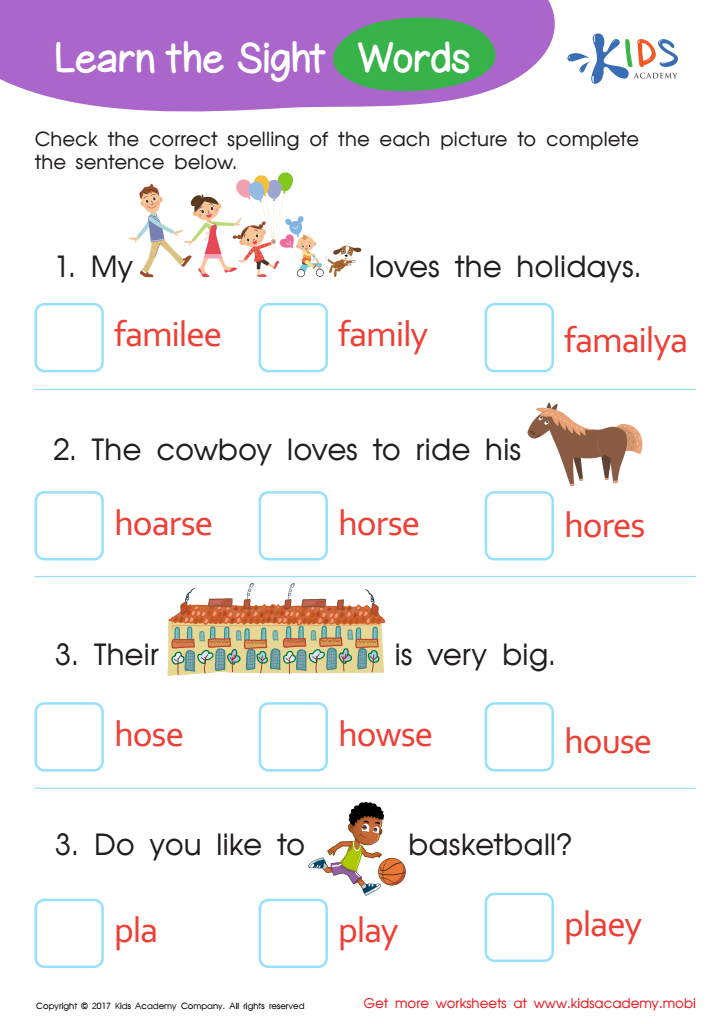
Family, Horse, House, Play Sight Words Worksheet
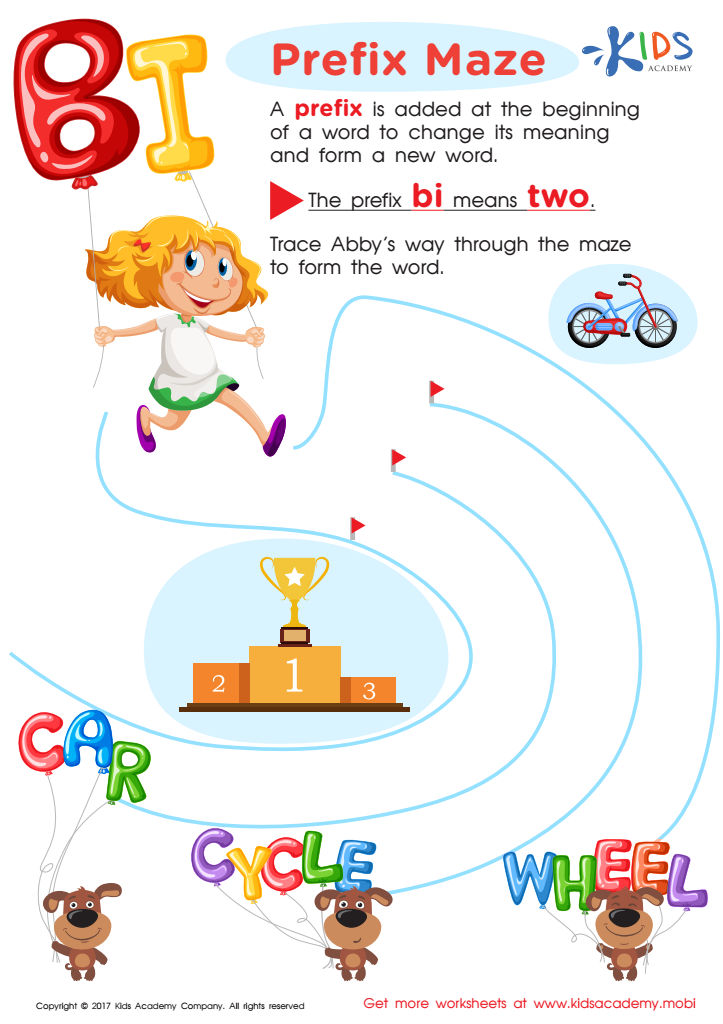
Prefix Bi Words Worksheet
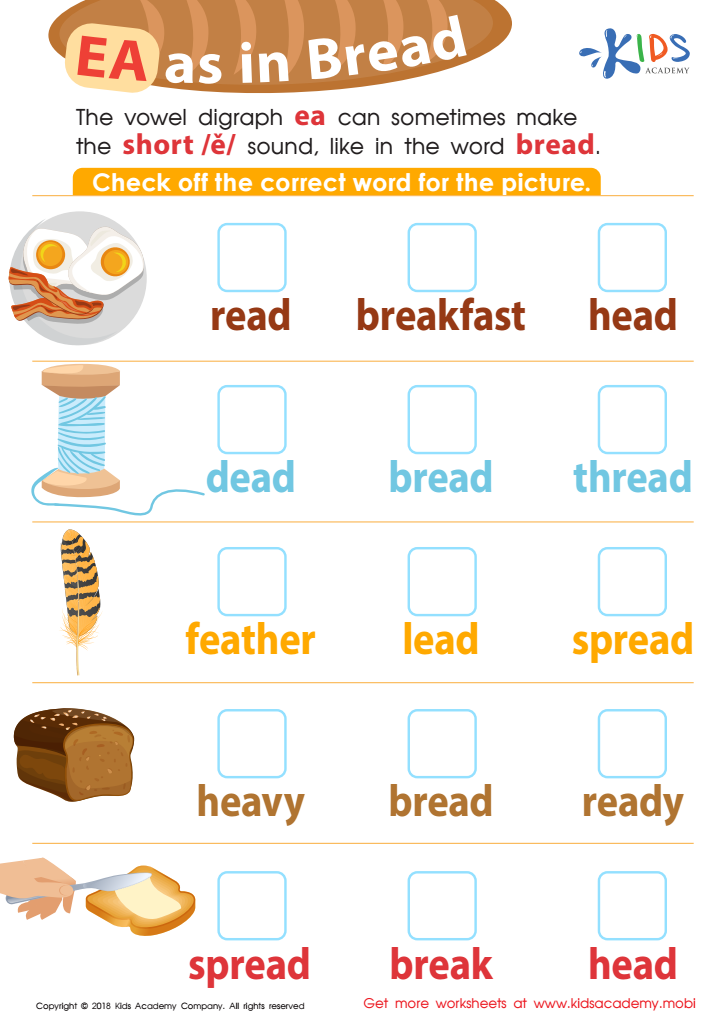
Reading: EA as in Bread Worksheet
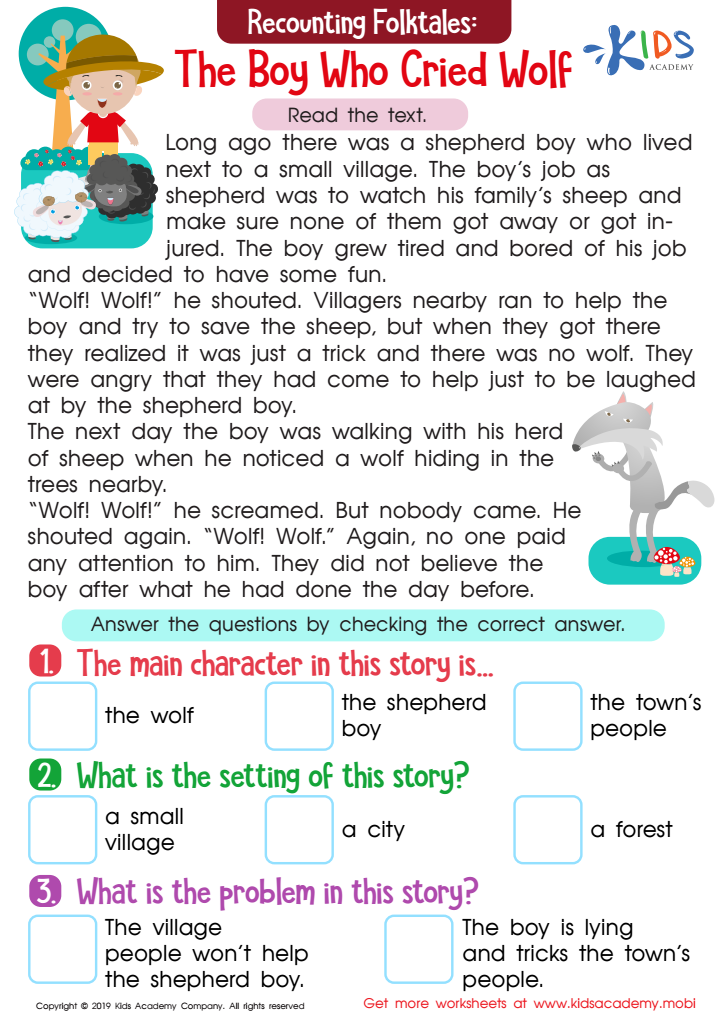
The Boy Who Cried Wolf Part 1 Worksheet



.jpg)



Parents and teachers play a pivotal role in nurturing essential reading comprehension and vocabulary skills in young children aged 7-8, a critical stage for cognitive development. During these formative years, children's brains are incredibly receptive to learning, making it the ideal time to build a strong foundation for future academic success.
Reading comprehension is not just about decoding words; it involves understanding, interpreting, and connecting ideas within the text. Proficient reading comprehension skills enable children to grasp complex concepts, follow narrative structures, and, importantly, derive joy from reading. This fundamental skill lays the groundwork for advanced studies, critical thinking, and effective communication skills.
Additionally, a robust vocabulary is integral to reading comprehension. A rich vocabulary allows children to understand texts more deeply, express thoughts and emotions more clearly, and engage more fully in learning activities. It enhances their ability to follow instructions, participate in discussions, and build stronger language skills. By prioritizing vocabulary development, parents and teachers help children bridge the gap between word cognition and meaning, fostering a more intuitive and rich language experience.
Investing attention and effort into building reading comprehension and vocabulary at this age not only propels academic achievement but also promotes lifelong learning and curiosity, equipping children with the tools they need to navigate a world full of information and opportunities.








