Spelling practice Normal Reading Worksheets for Ages 7-8 - Page 2
32 filtered results
-
From - To
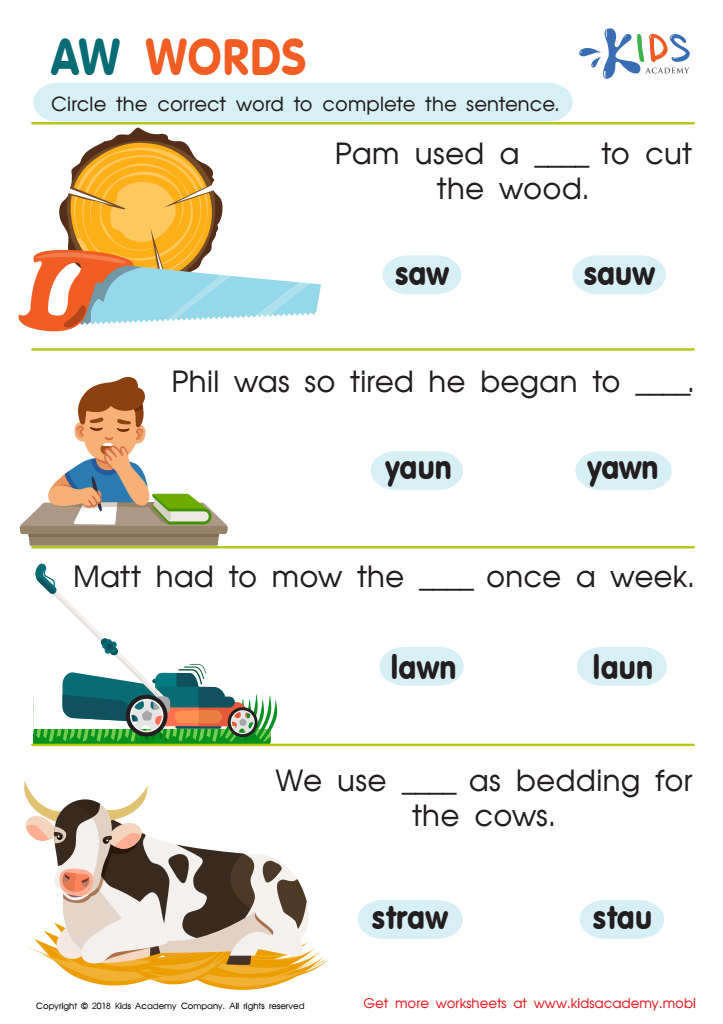
Reading: AW Words Worksheet
 Assign to My Students
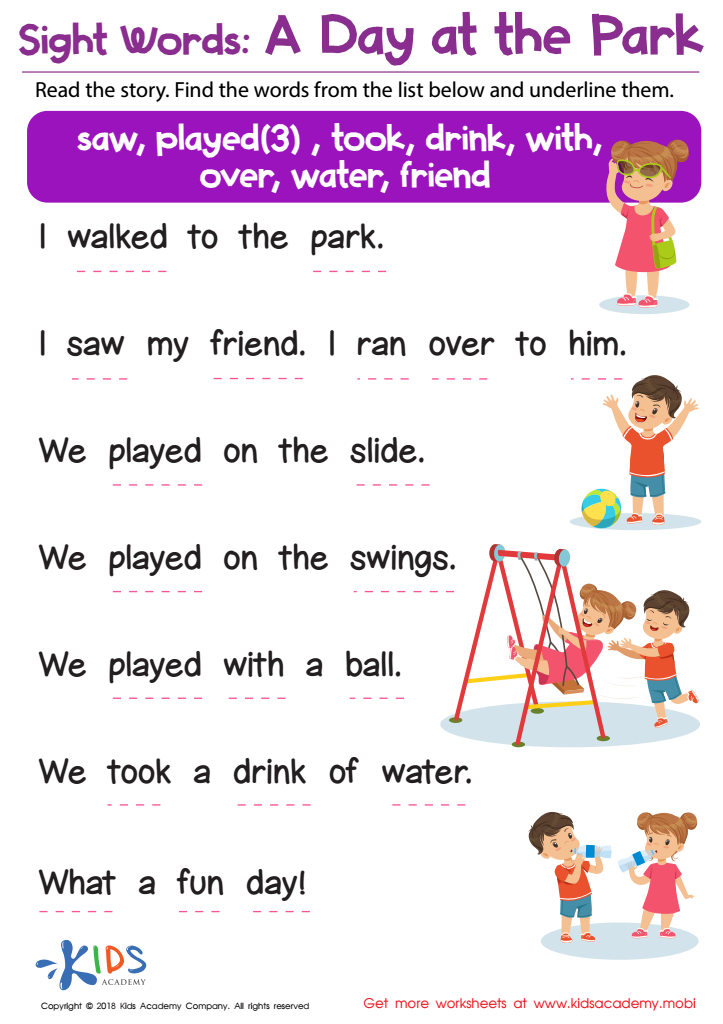
Sight Words: A Day at the Park Worksheet
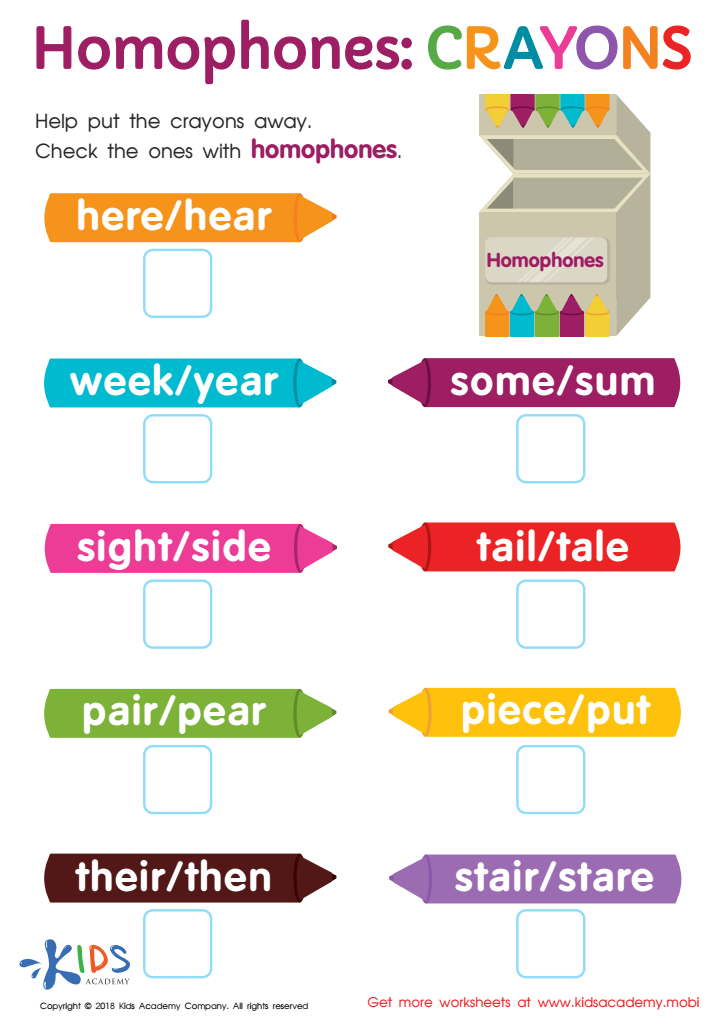
Homophones: Crayons Worksheet
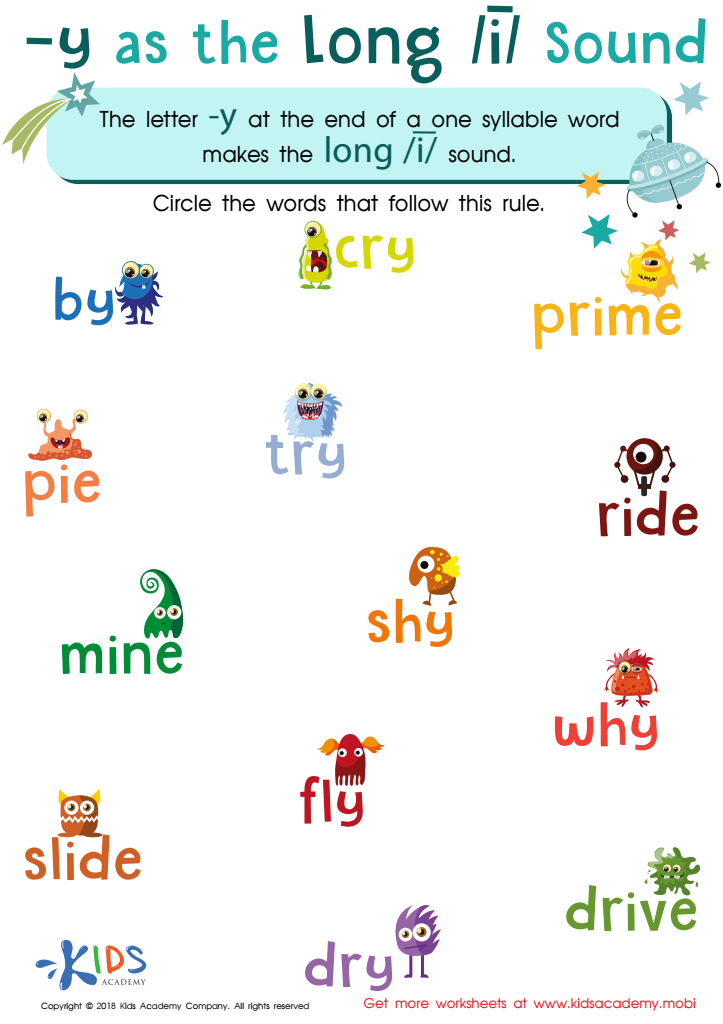
Reading: Y as Long I Worksheet
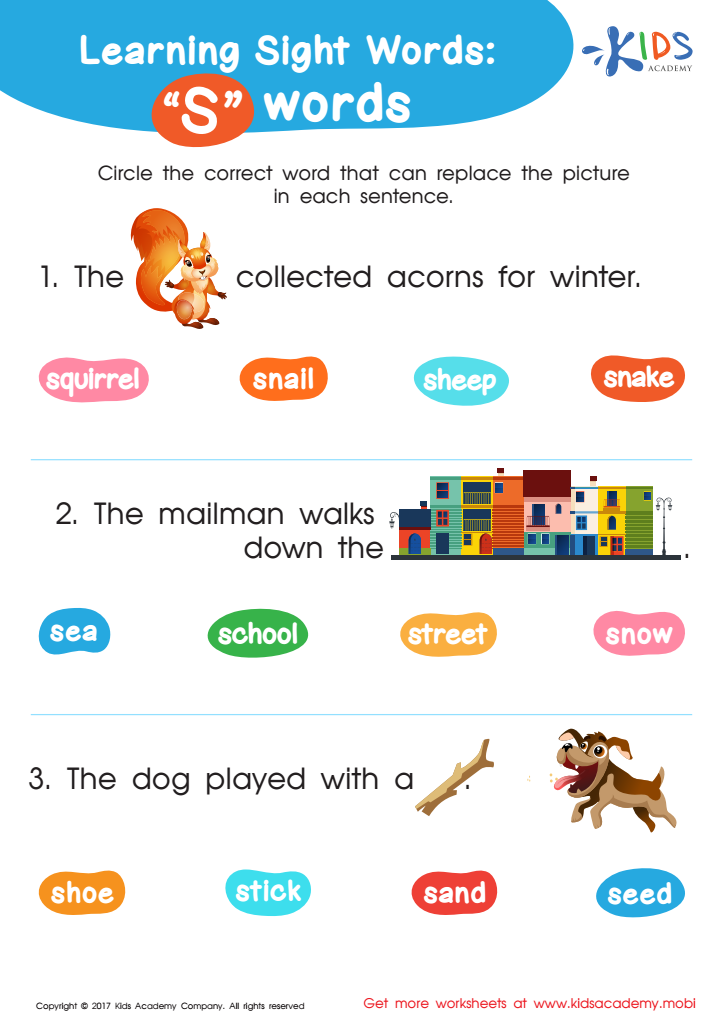
S Words Sight Words Worksheet
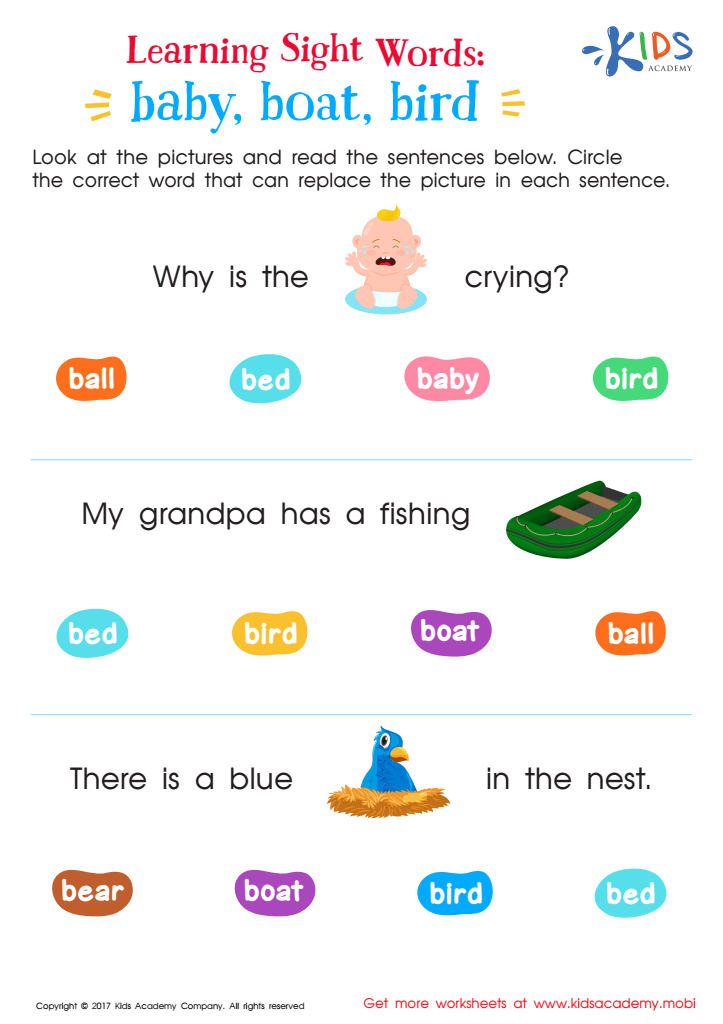
Baby, Boat, Bird Worksheet Sight Words Worksheet
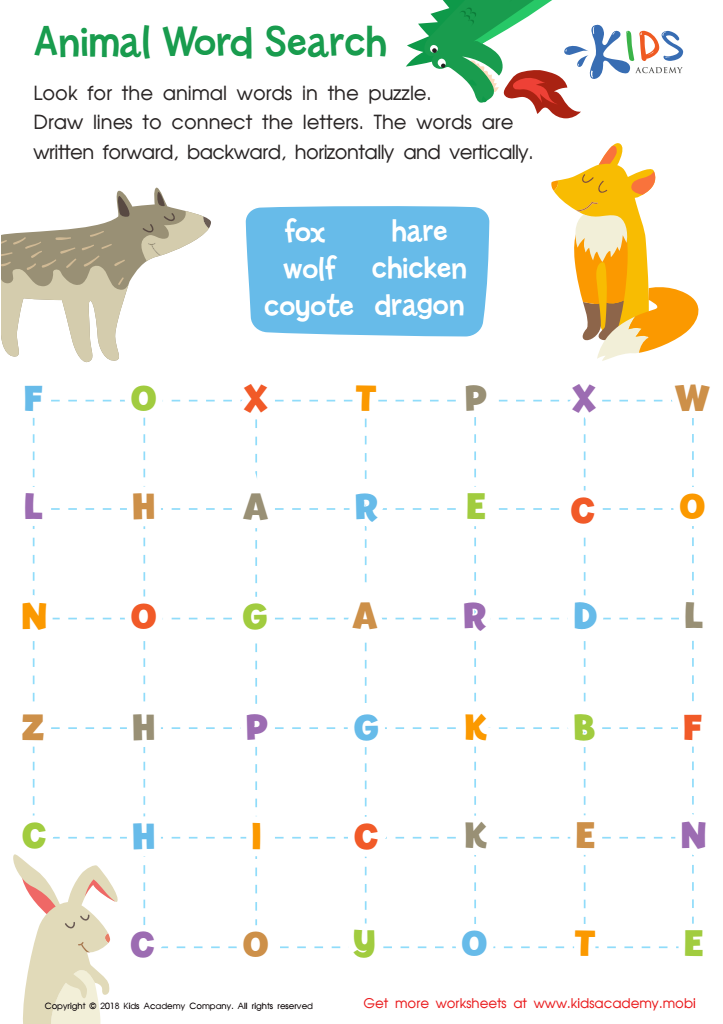
Animal Word Search Worksheet
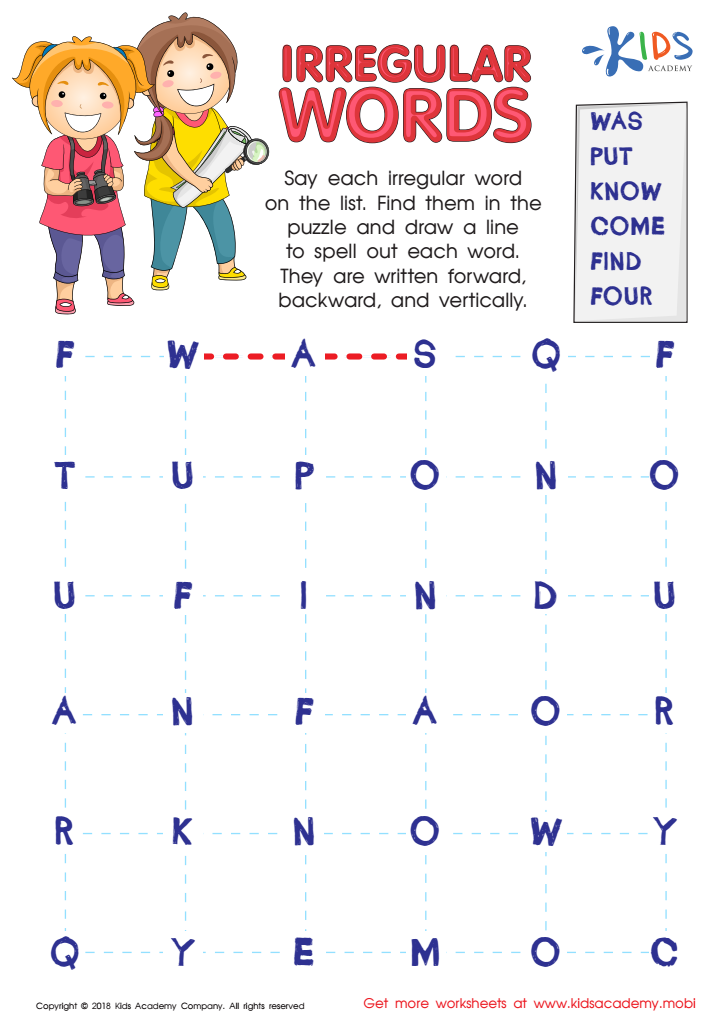
Irregular Words Worksheet








Spelling practice and normal reading for children aged 7-8 are crucial for several reasons. First, this period represents a key developmental stage in literacy. At this age, children transition from "learning to read" to "reading to learn." Strong spelling skills enhance their reading fluency, enabling them to comprehend texts more easily and effectively. When children practice spelling, they become familiar with word patterns and structures, which aids in word recognition during reading.
Moreover, proficiency in spelling contributes to better writing skills. It allows children to focus on composing their thoughts rather than getting hindered by spelling uncertainties. This practice nurtures their confidence, fostering a positive attitude towards reading and writing—essential components of lifelong learning.
In addition, spelling practice and reading promote cognitive benefits such as improved memory, concentration, and problem-solving skills. For parents and teachers, supporting these activities is a proactive approach to preparing children for future academic demands. Engaging in spelling exercises and regular reading helps to build a robust vocabulary, critical for effective communication.
Finally, instilling strong literacy habits early on encourages a love for reading. This can lead to a lifetime of curiosity, learning, and personal growth. Therefore, dedicating time and resources to spelling practice and normal reading at ages 7-8 is vital for holistic development.








