Vocabulary Building Normal Reading Worksheets for Ages 7-8
19 filtered results
-
From - To
Discover our engaging "Vocabulary Building Normal Reading Worksheets for Ages 7-8" designed to enhance your child's language skills effectively. These worksheets offer a variety of exercises, focusing on context clues, synonyms, antonyms, and word meanings. Each activity encourages children to read carefully and think critically, ensuring they comprehend the text while expanding their vocabulary. Perfect for students aged 7-8, these printable resources are ideal for both classroom and home use. Help your child unlock the power of words with exciting and educational worksheets from Kids Academy, supporting their journey to becoming confident readers.
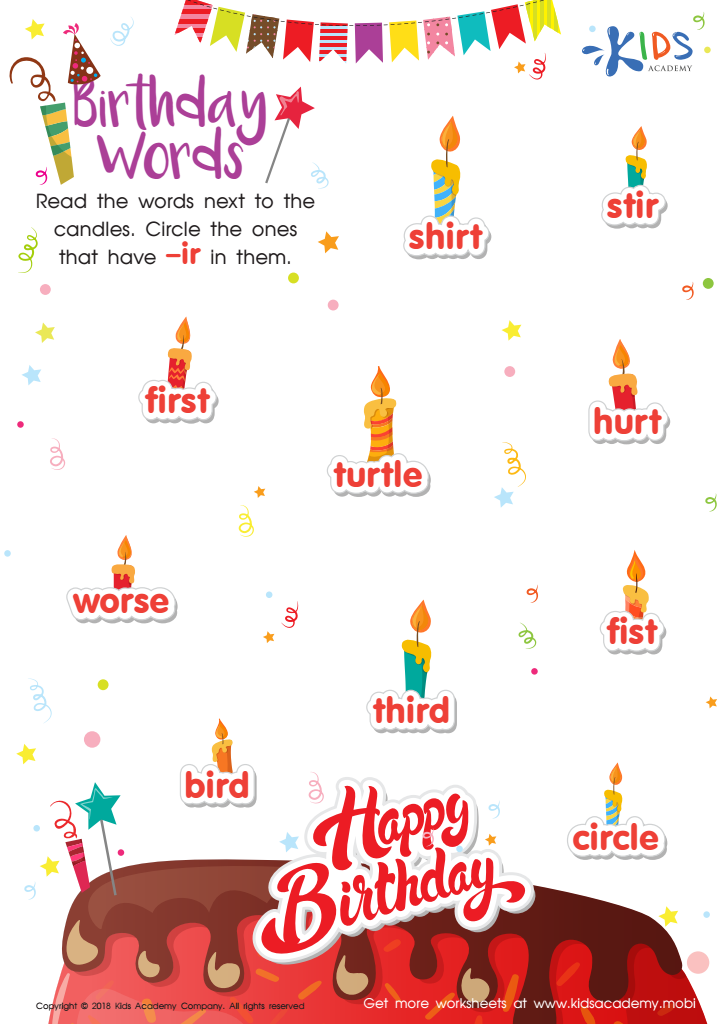
Birthday Words Worksheet
 Assign to My Students
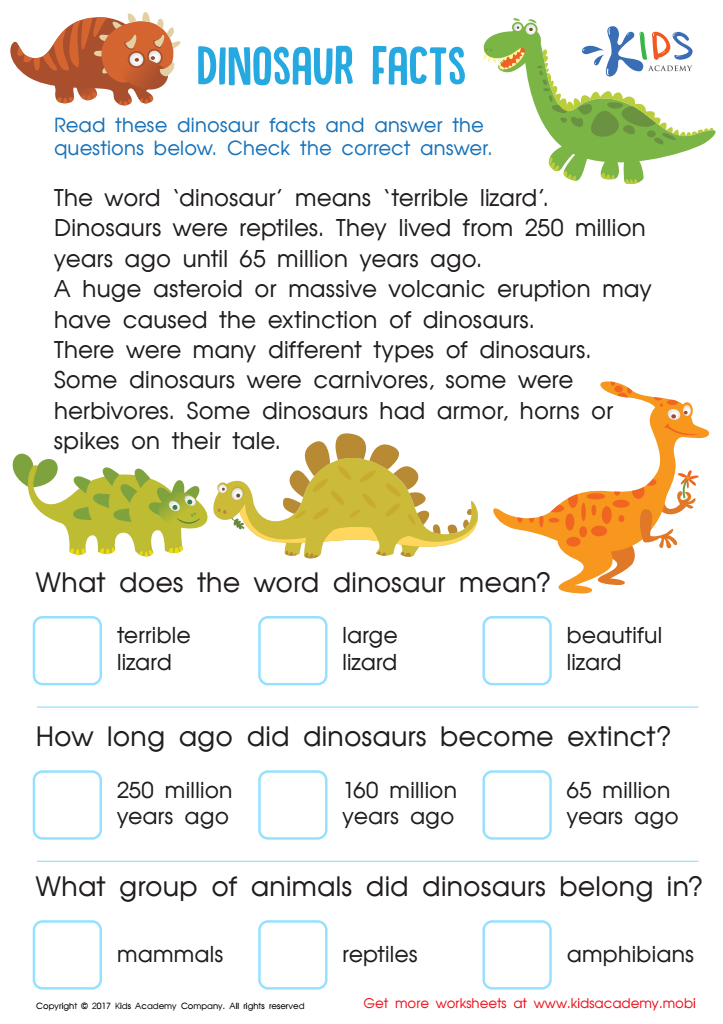
Dinosaur Facts Worksheet
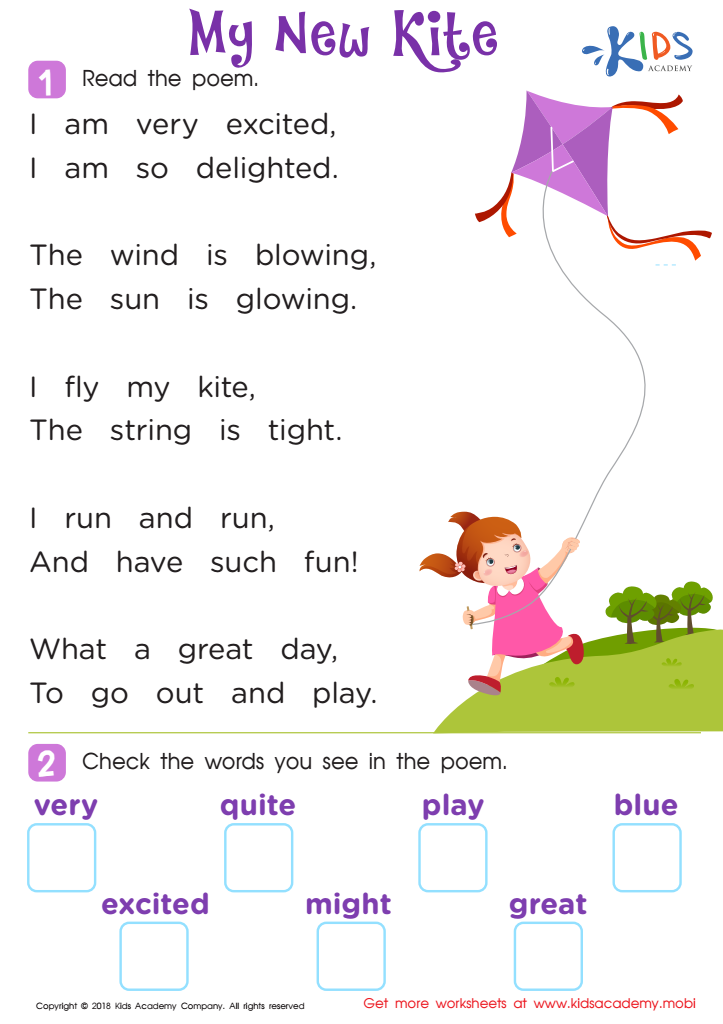
Poem: My New Kite Worksheet
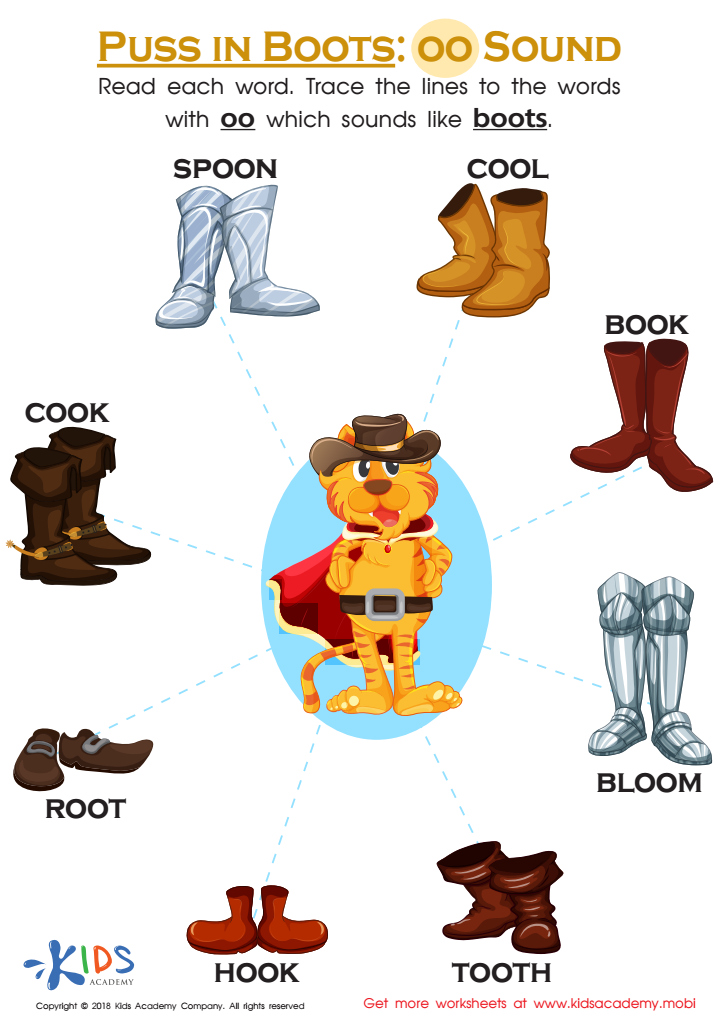
Puss in Boots: OO Sound Worksheet
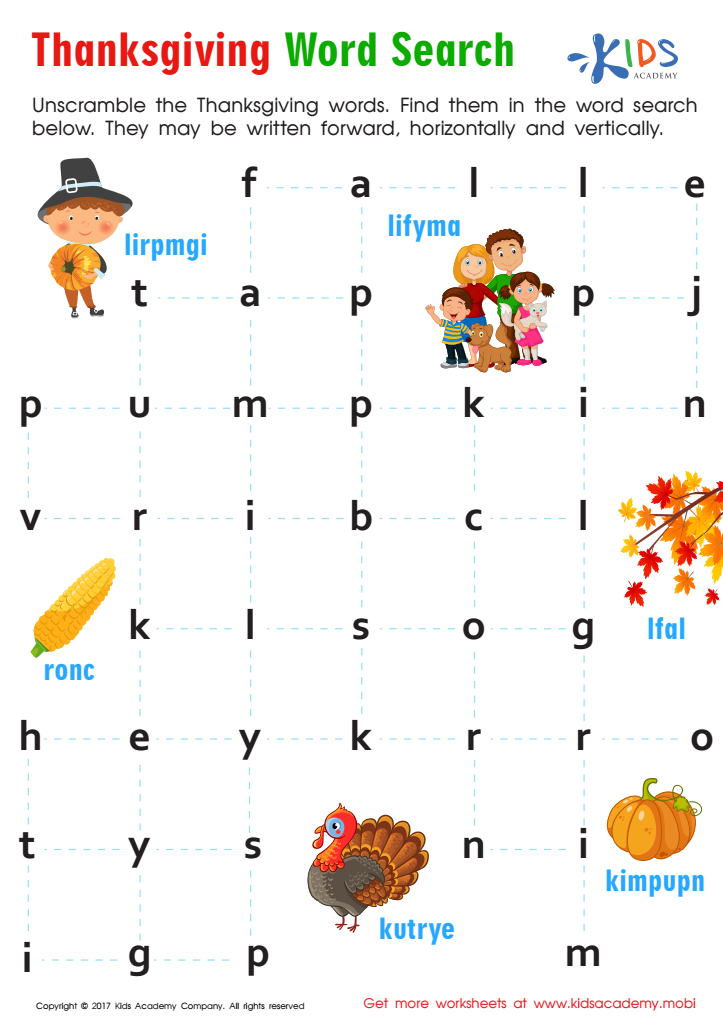
Thanksgiving Word Search Sight Words Worksheet
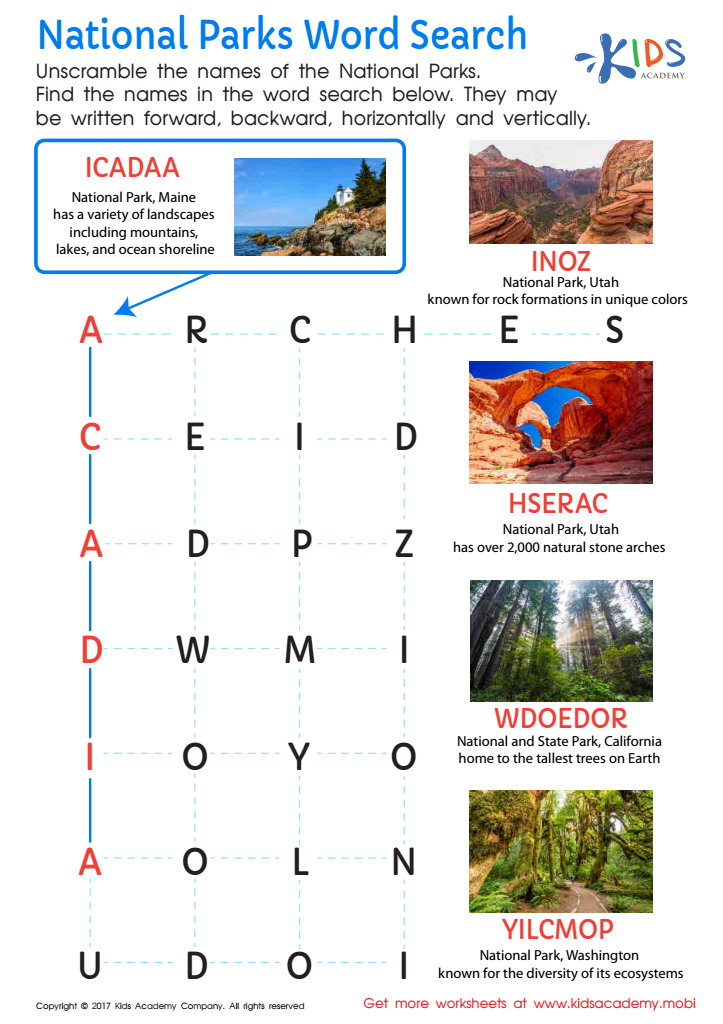
National Parks Word Search Worksheet
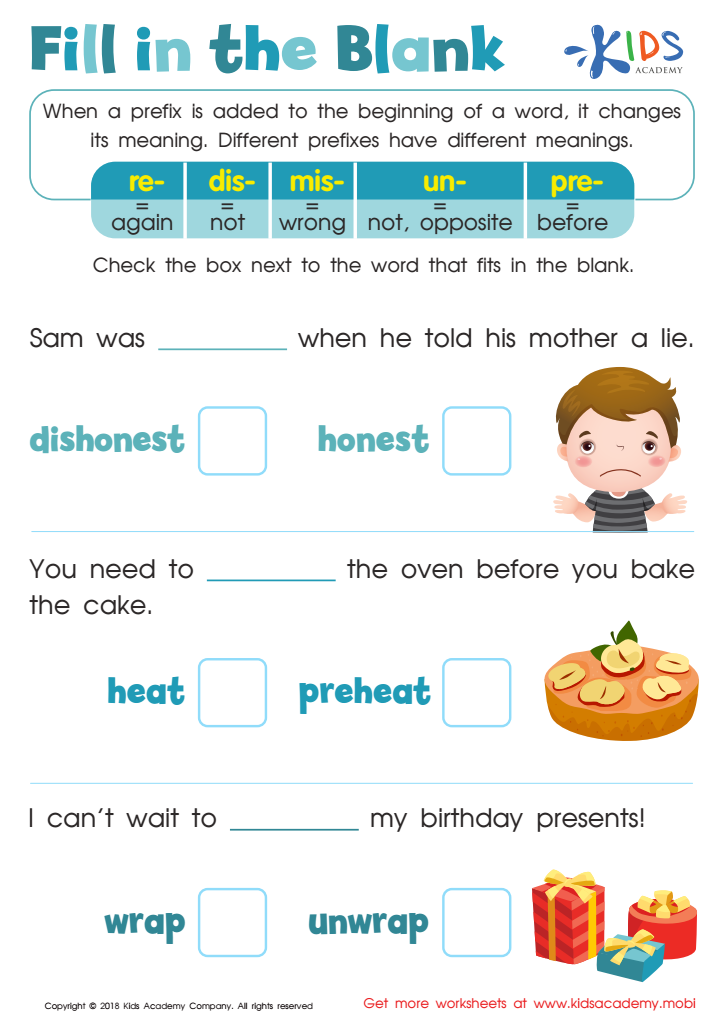
Reading: Fill in the Blank Worksheet
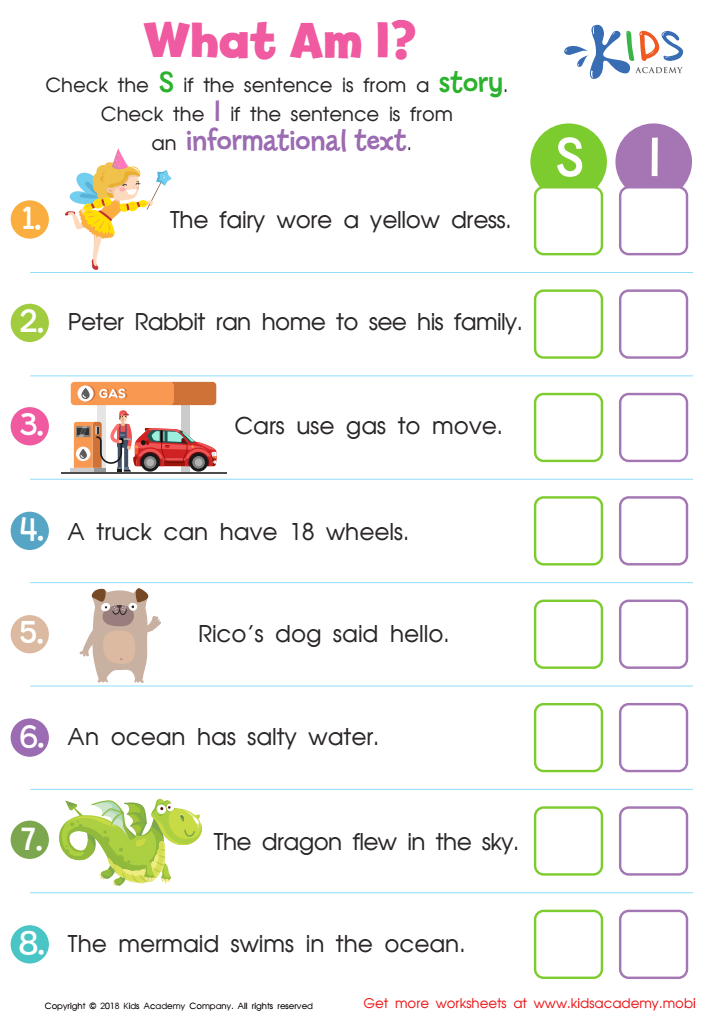
What Am I? Worksheet
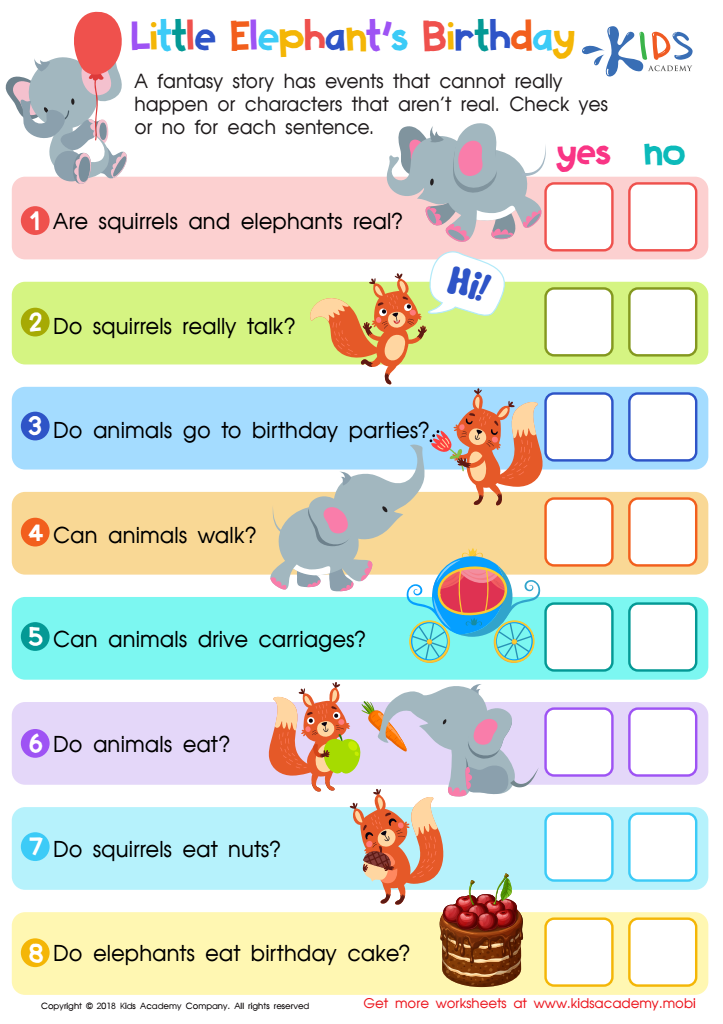
Little Elephant's Birthday Worksheet
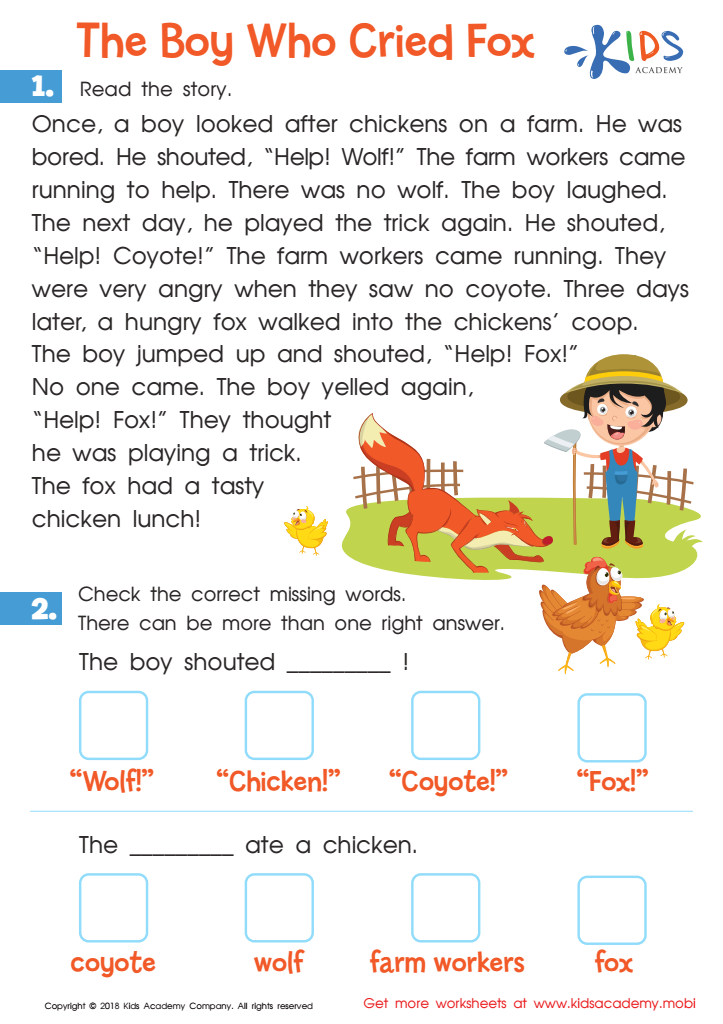
The Boy Who Cried Fox Worksheet
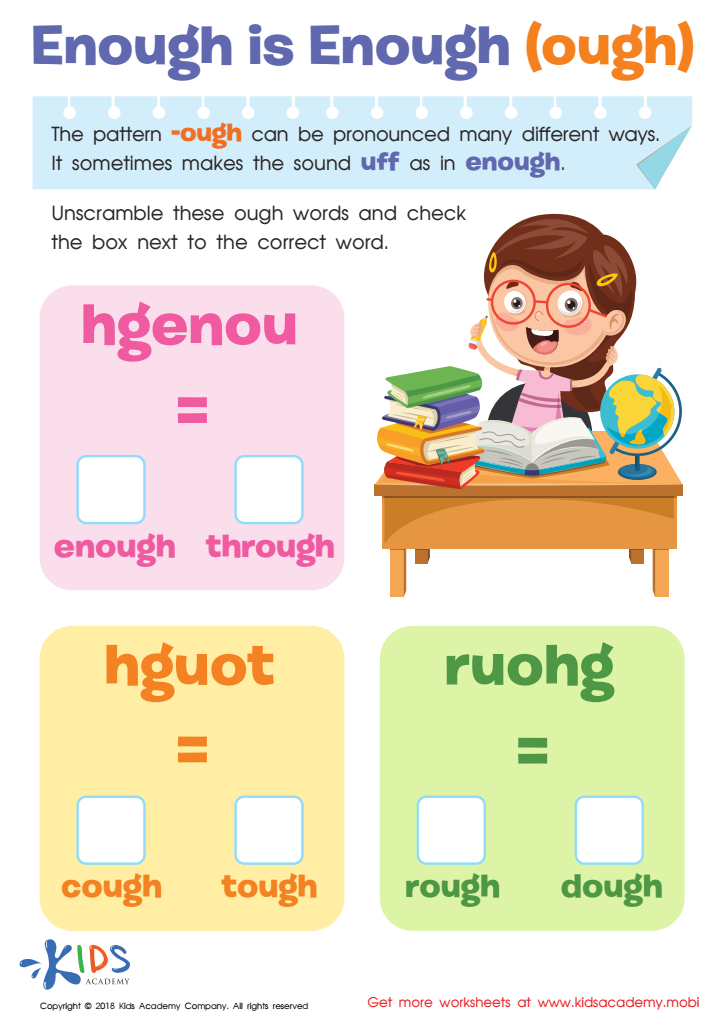
Enough Is Enough (ough) Worksheet
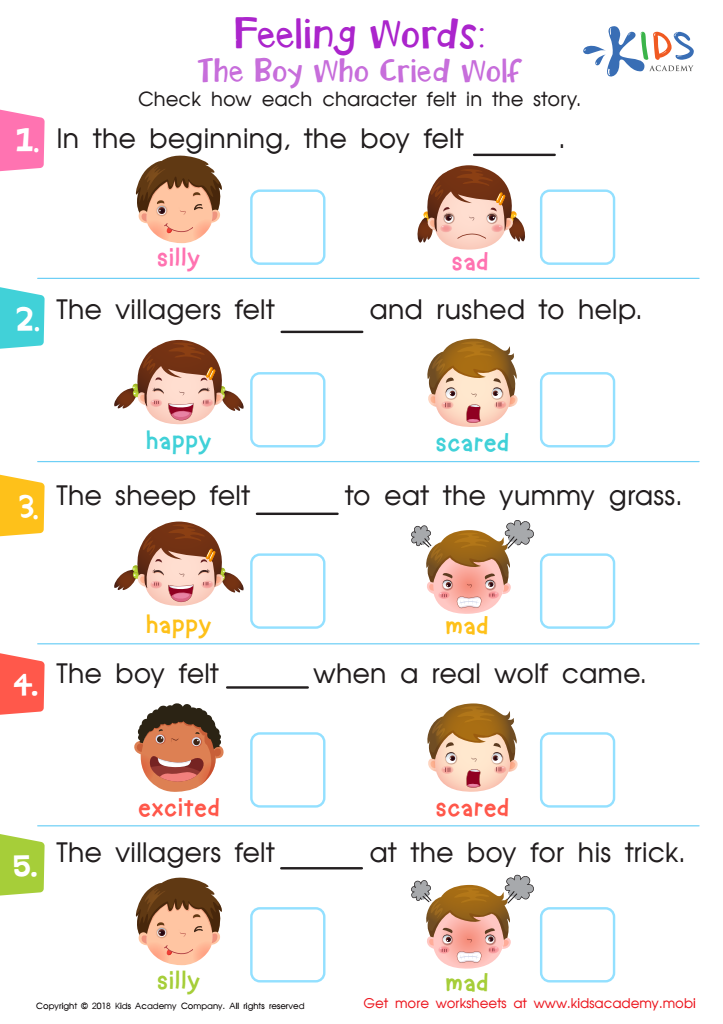
Feeling Words: The Boy Who Cried Wolf Worksheet

Golden Eagles Worksheet
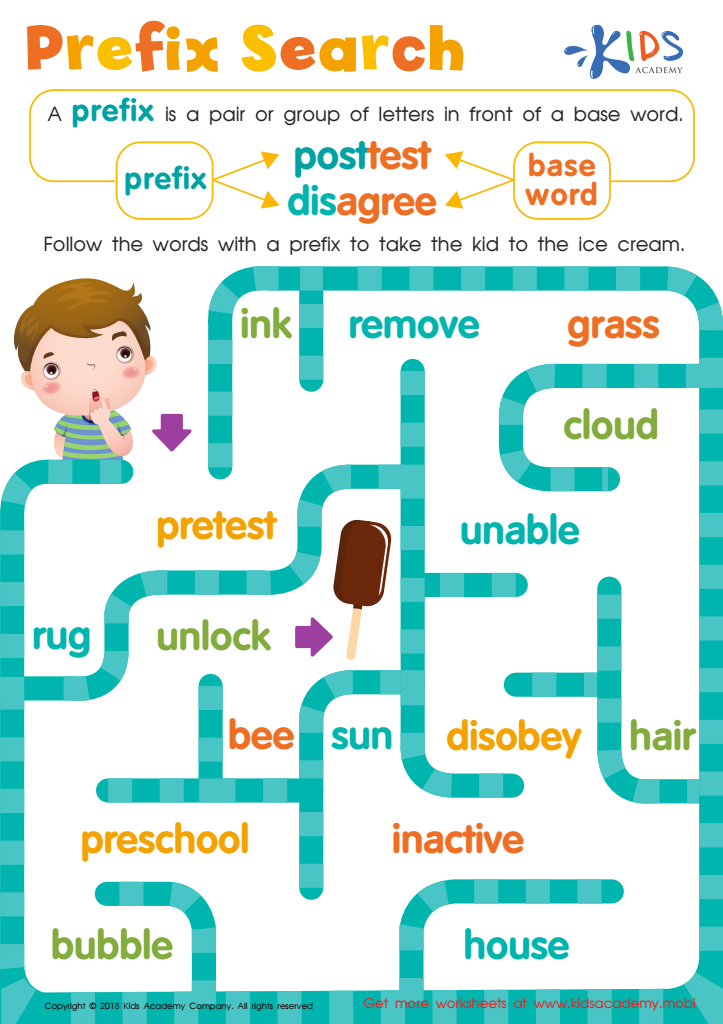
Reading: Prefix Search Worksheet
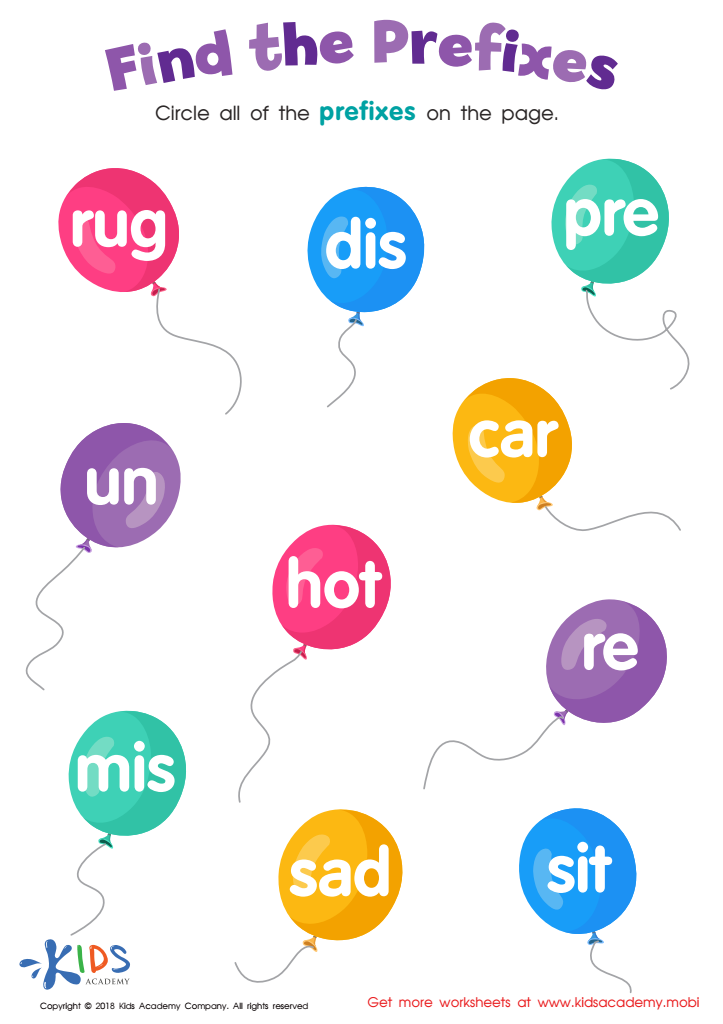
Reading: Find the Prefixes Worksheet
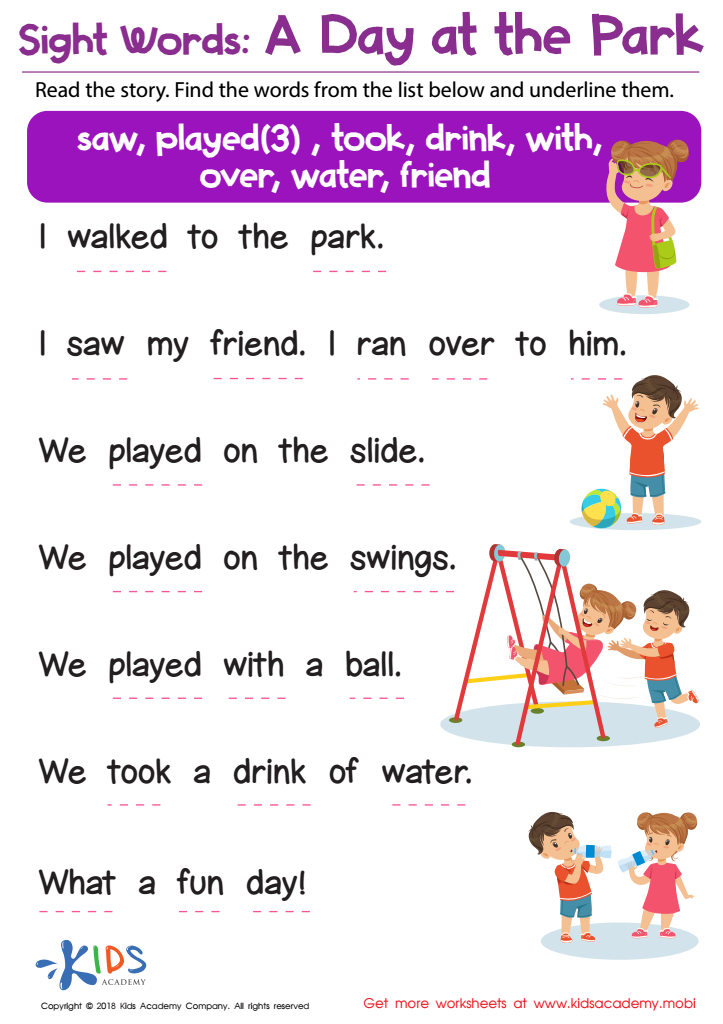
Sight Words: A Day at the Park Worksheet
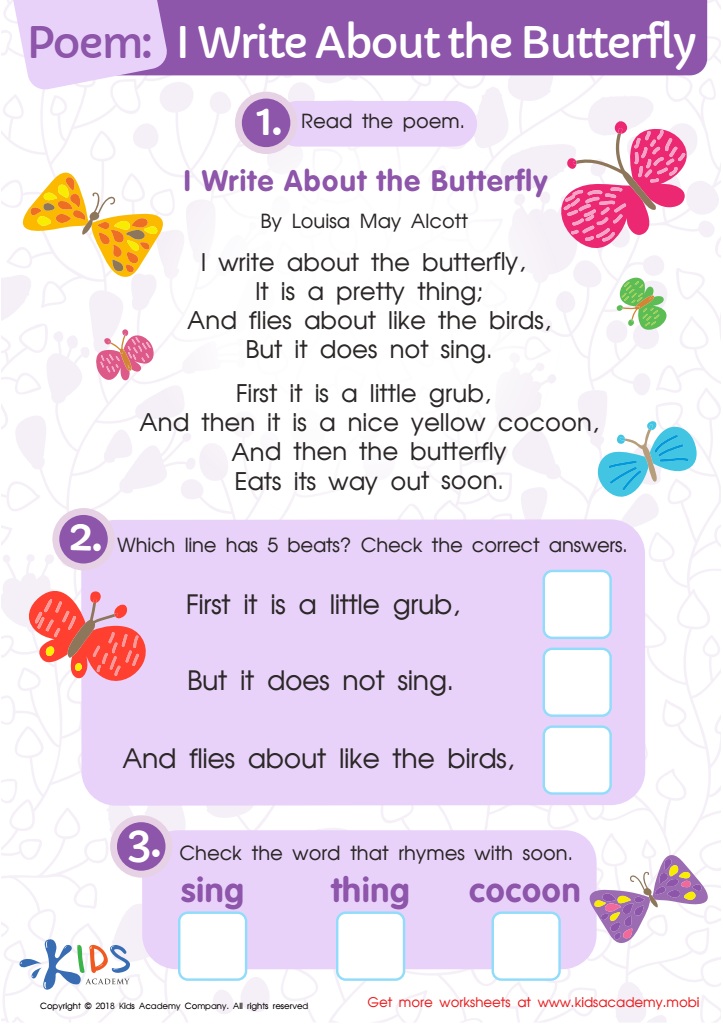
Poem: I Write About The Butterfly Worksheet
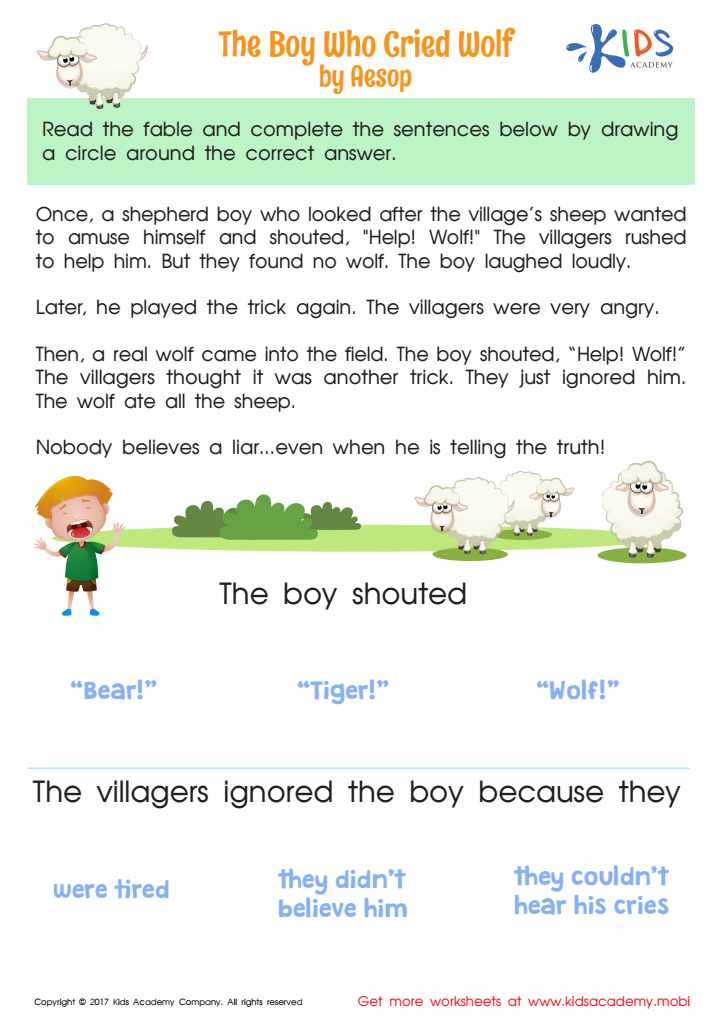
The Boy Who Cried Wolf Worksheet
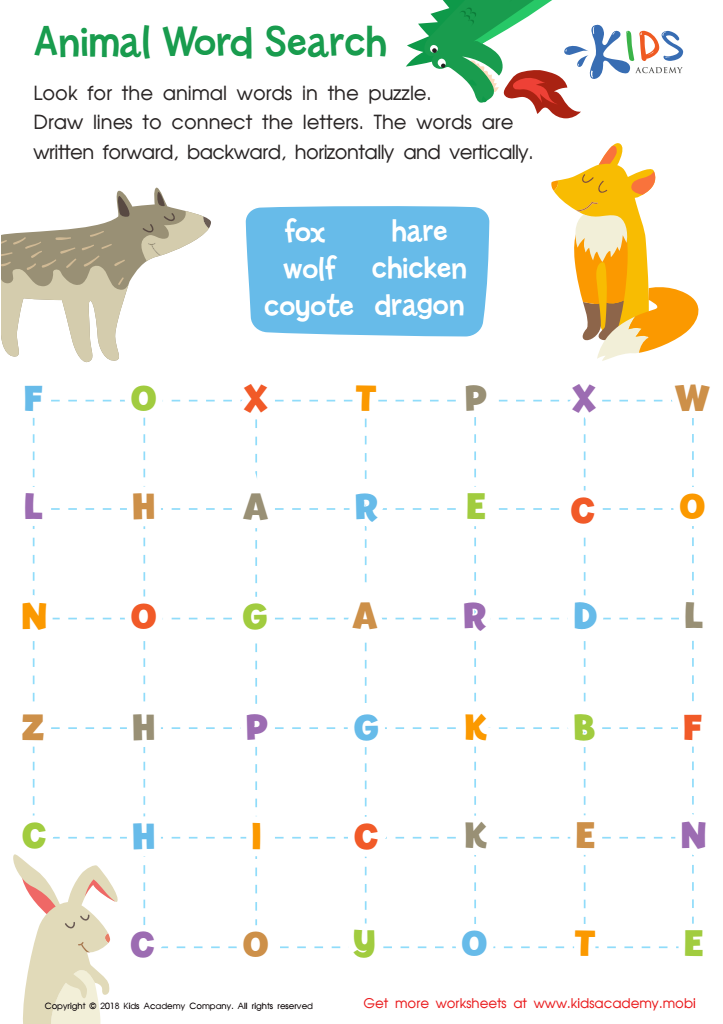
Animal Word Search Worksheet







.jpg)
Vocabulary building and normal reading habits for children aged 7-8 are crucial in their developmental journey because they lay the foundation for future academic success and personal growth. At this age, children are rapidly expanding their language skills and cognitive abilities. A robust vocabulary enhances their reading comprehension, enabling them to understand and engage with more complex texts.
Furthermore, when children read regularly, they encounter new words in context, which helps cement their understanding and proper usage of these words. This practice also fosters a love for reading, opening doors to lifelong learning and curiosity. Improved vocabulary contributes to better writing, speaking, and listening skills, making communication more effective in social and academic settings.
Parents and teachers play pivotal roles in encouraging reading habits by providing diverse and age-appropriate reading materials, modeling good reading behavior, and creating enriching literacy activities. Their encouragement and support significantly boost children's confidence and enthusiasm towards reading.
Investing time in building vocabulary and promoting reading during these formative years is essential. It prepares children not only for the linguistic demands of higher education but also helps them develop critical thinking skills, empathy, and cultural awareness through exposure to different perspectives and stories. In essence, it’s a significant step towards holistic childhood development.








