Vocabulary expansion Normal Reading Worksheets for Ages 7-8 - Page 3
52 filtered results
-
From - To
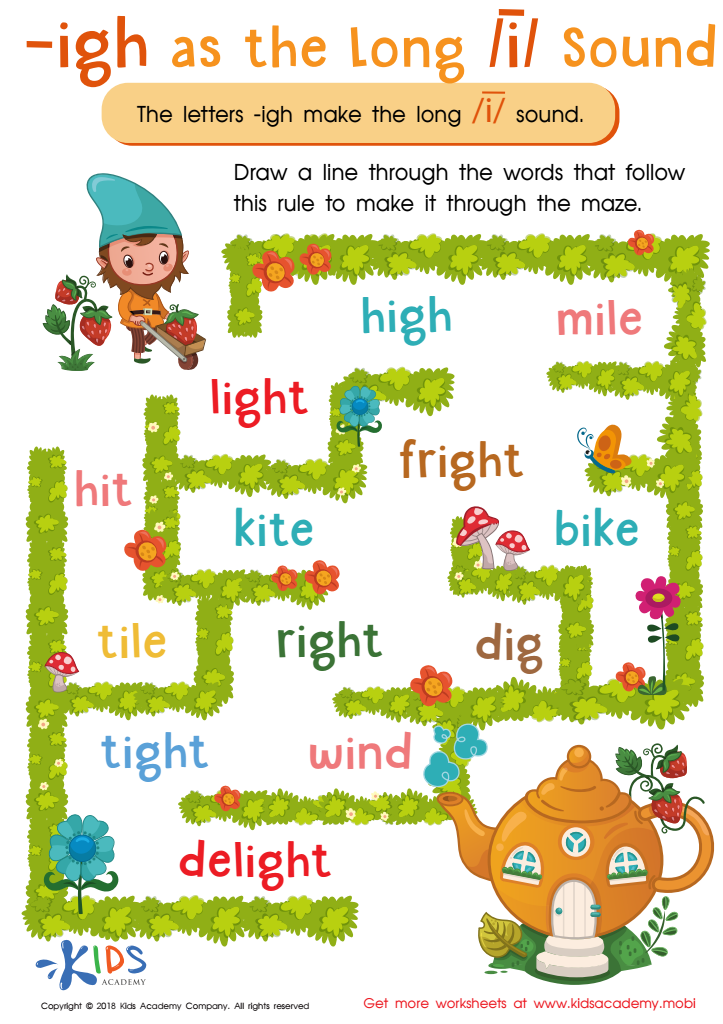
Reading: IGH as Long I Worksheet
 Assign to My Students
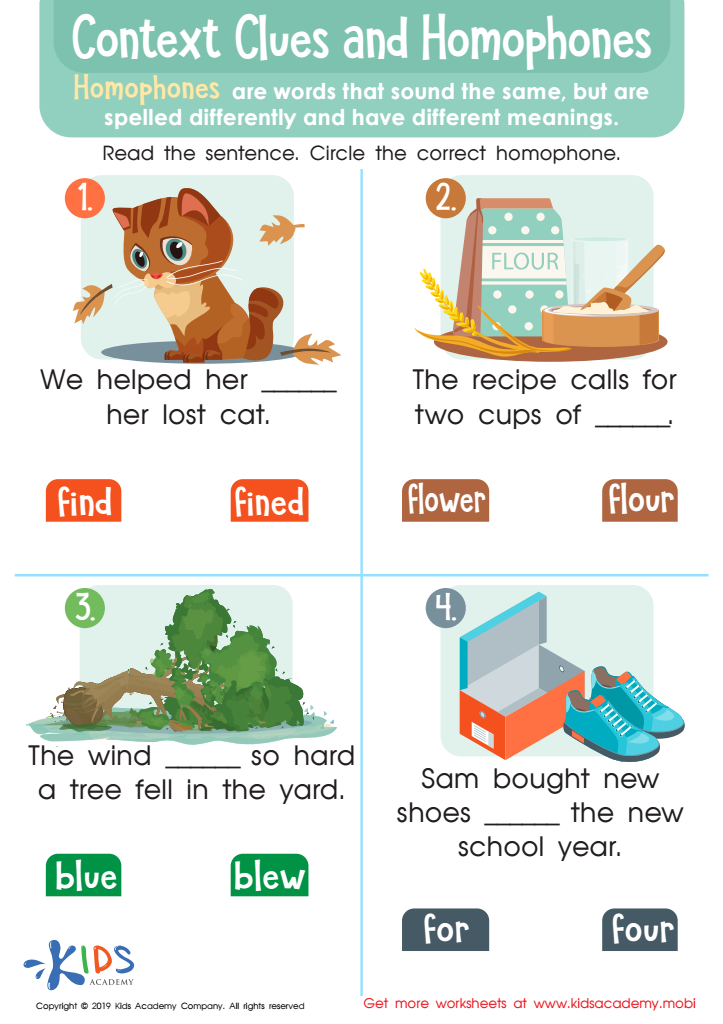
Context Clues and Homophones Worksheet
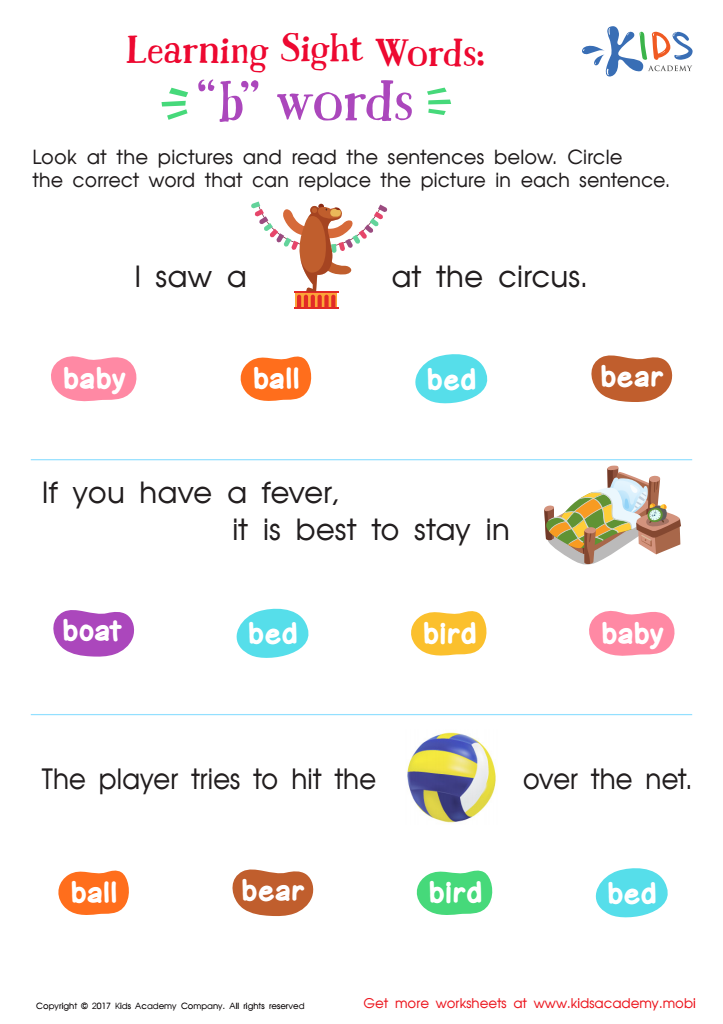
"B" Words Printable Sight Words Worksheet
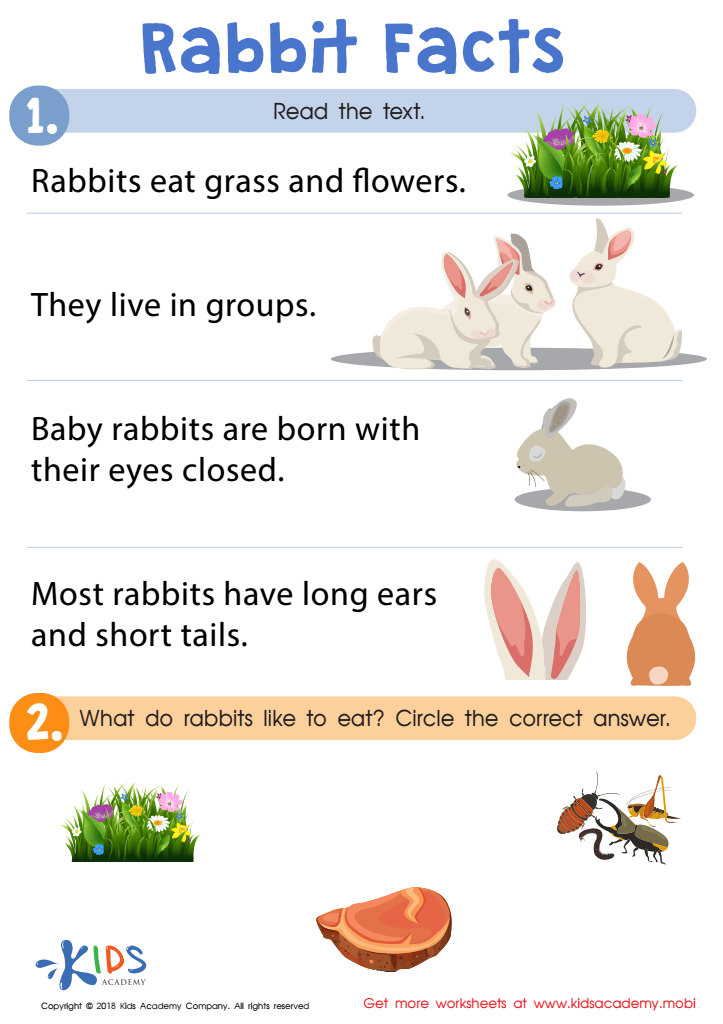
Rabbit Facts Worksheet






.jpg)

Vocabulary expansion during the ages of 7-8 is crucial for a child's overall academic success and personal development. At this stage, children are transitioning from learning to read to reading to learn. This shift makes vocabulary fundamental, as a richer vocabulary enhances comprehension, allowing students to engage more deeply with texts and materials across subjects. When children can understand and use a wide range of words, they are more likely to express themselves clearly and confidently, both in writing and speaking.
Moreover, vocabulary skills contribute to critical thinking. As children encounter new words and concepts, they develop the ability to make connections, draw inferences, and analyze information. This cognitive growth lays a foundation for lifelong learning and adaptability.
Parents and teachers play integral roles in this process. Engaging children in discussions, reading diverse books, and encouraging them to share their thoughts can help foster vocabulary acquisition. Interactive activities, such as vocabulary games or storytelling, make learning fun and memorable. By prioritizing vocabulary expansion, parents and teachers not only enhance academic performance but also nurture curious, articulate individuals who approach the world with confidence and resilience. Investing in a child's vocabulary is an investment in their future potential.








