Vocabulary development Normal Reading Comprehension Worksheets for Ages 7-8
9 filtered results
-
From - To
Enhance your child’s language skills with our Vocabulary Development Normal Reading Comprehension Worksheets for Ages 7-8! Designed for early learners, these engaging worksheets support vocabulary enrichment through fun and interactive reading exercises. Each activity encourages critical thinking and comprehension, helping young readers to decode text while expanding their word knowledge. Perfectly aligned with educational standards, our resources make learning enjoyable and effective. Foster a love for reading and boost confidence in your child’s literacy abilities with materials that blend creativity and education. Explore our collection today to transform reading time into a fun learning adventure!
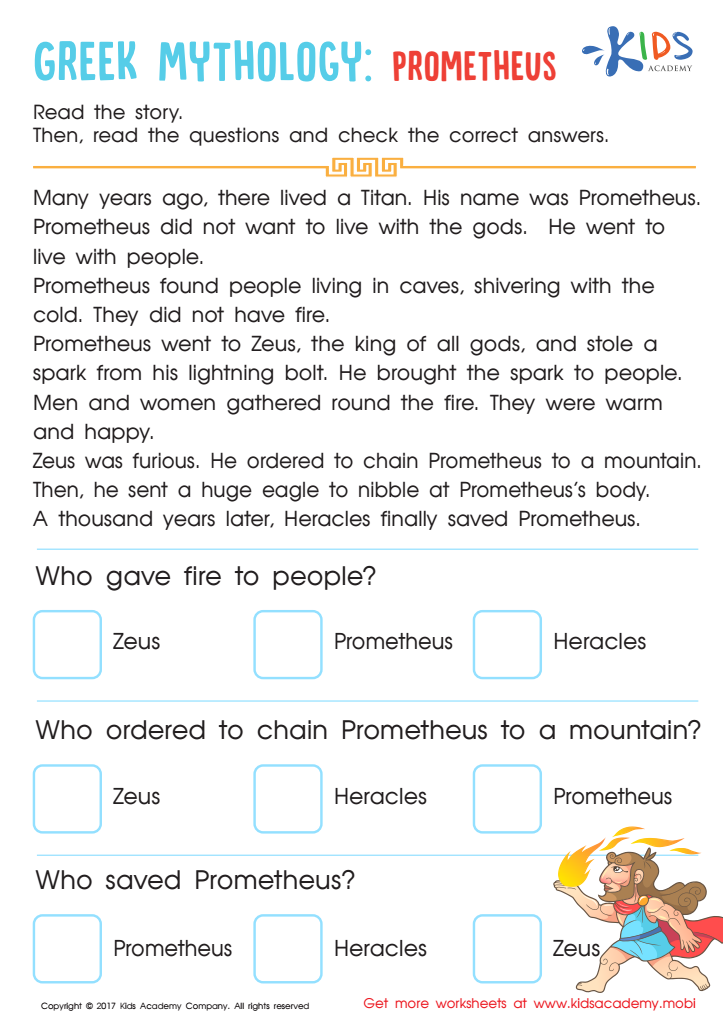
Prometheus Story Worksheet
 Assign to My Students
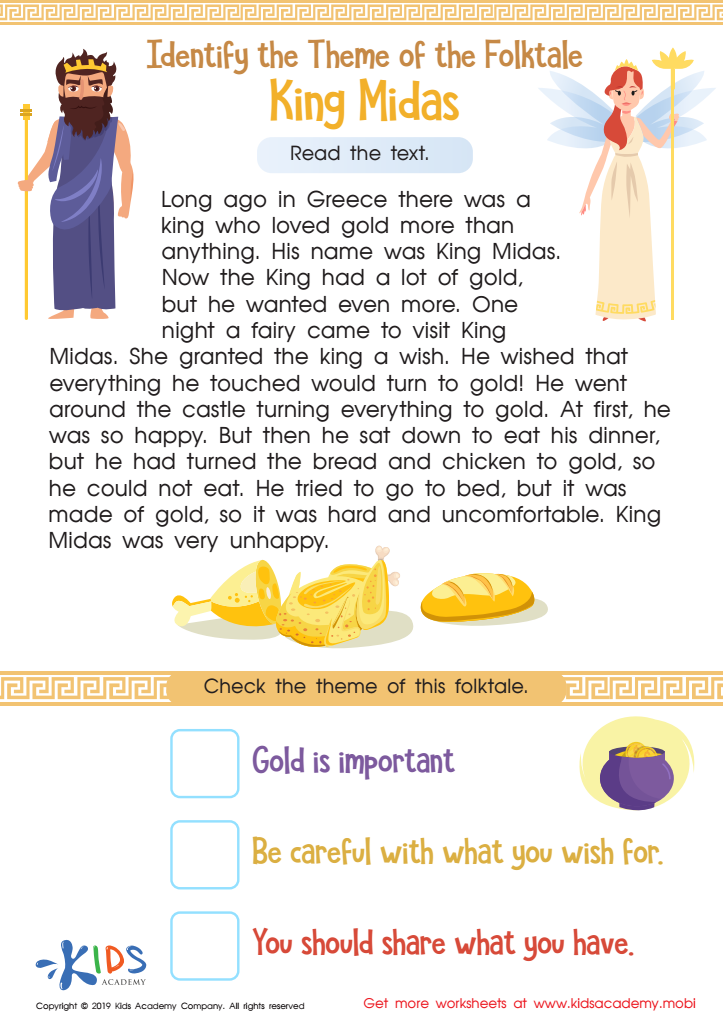
King Midas Worksheet
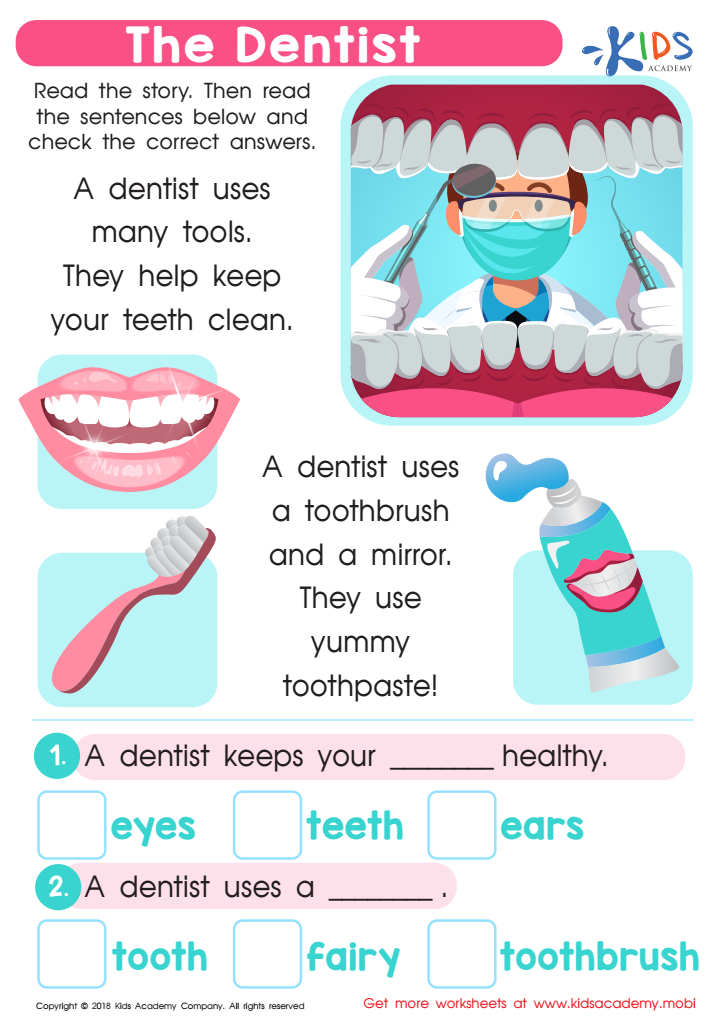
The Dentist Worksheet
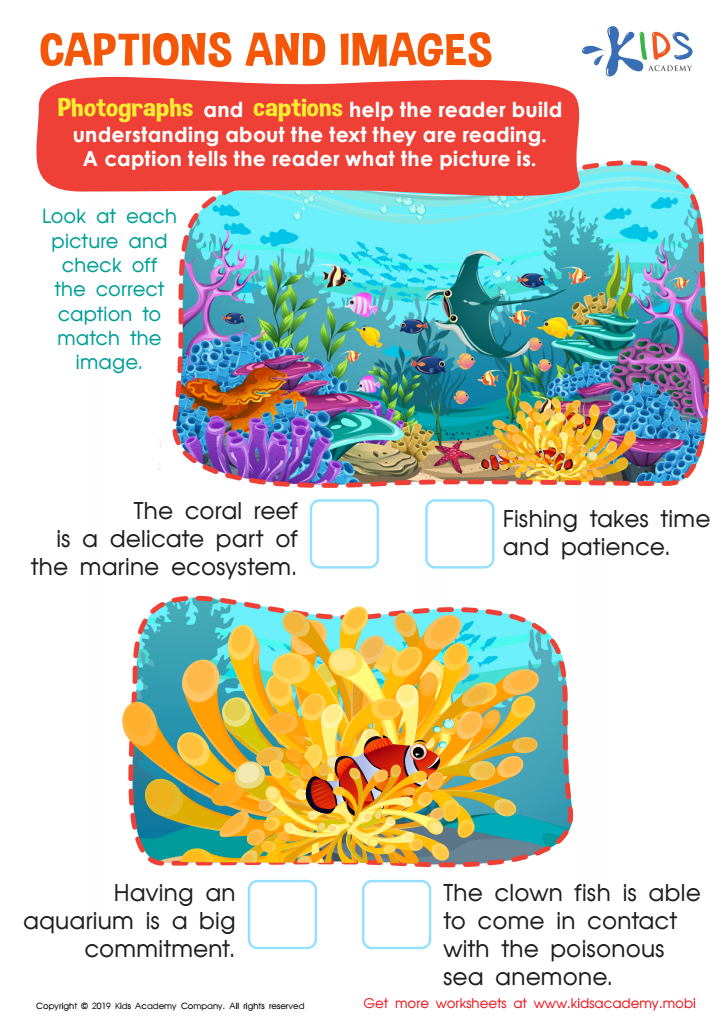
Captions and Images Worksheet
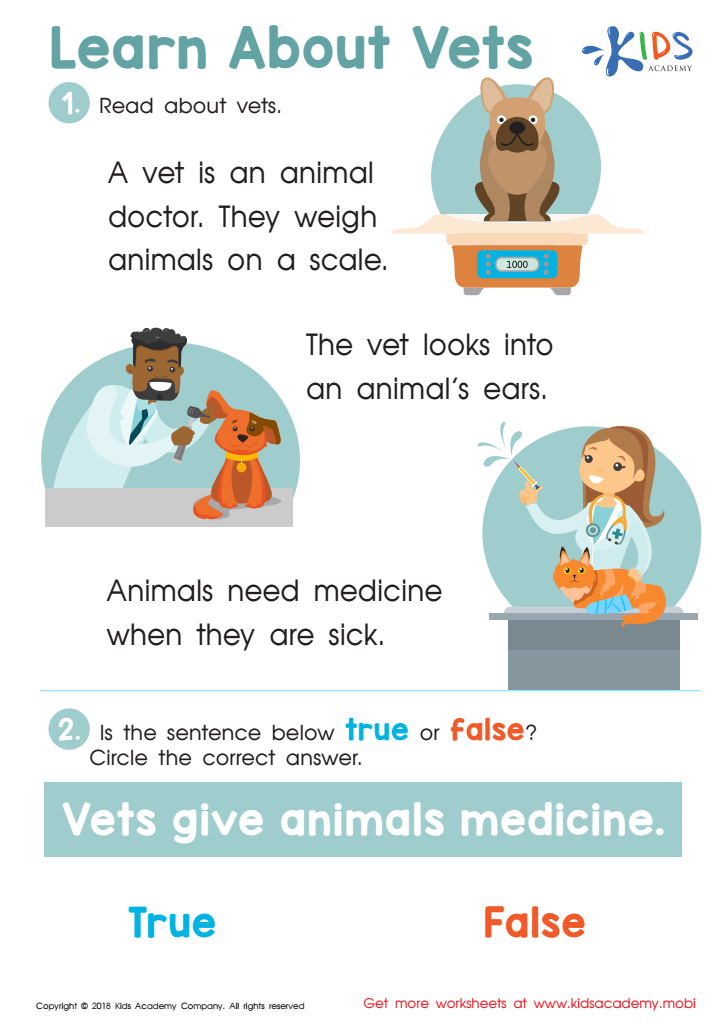
Learn About Vets Worksheet
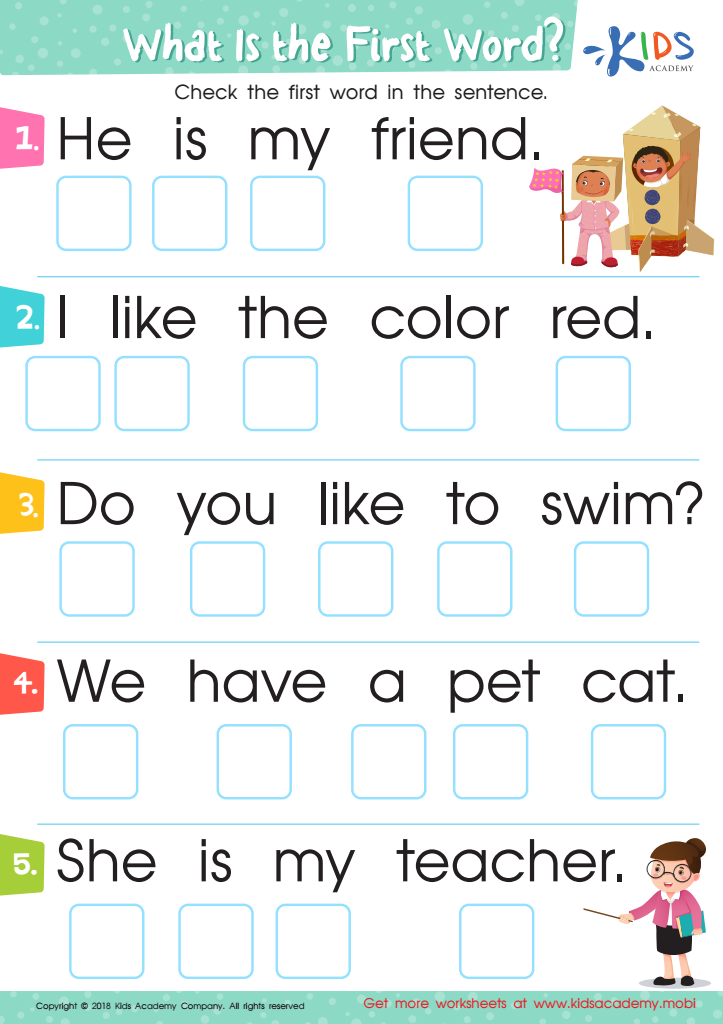
What is the First Word? Worksheet
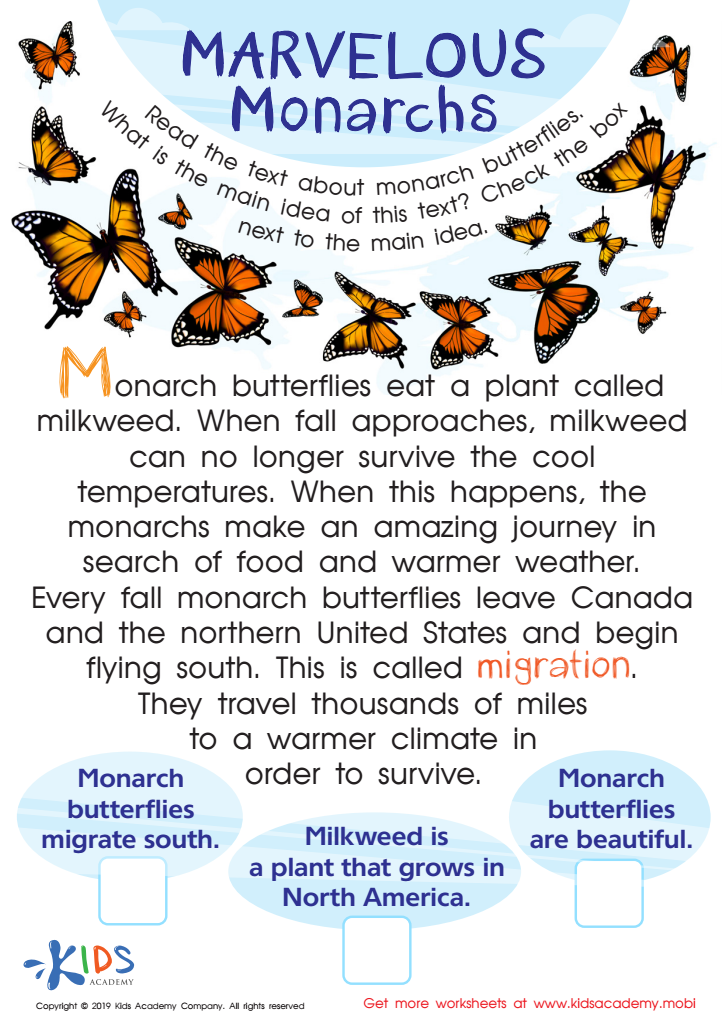
Marvelous Monarchs Worksheet
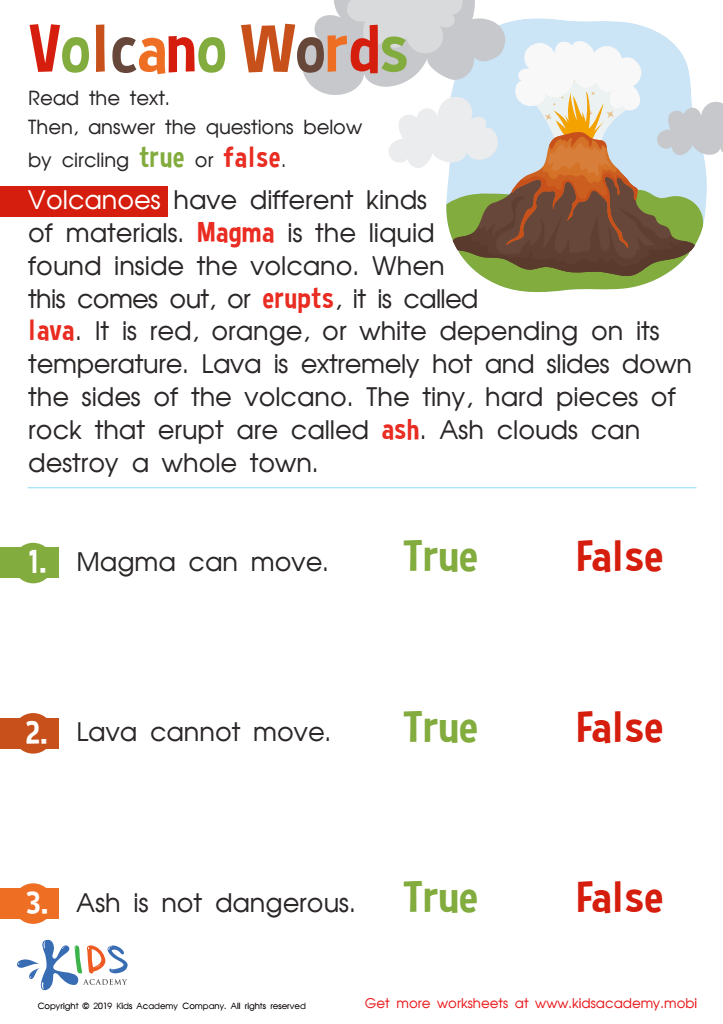
Volcano Words Worksheet
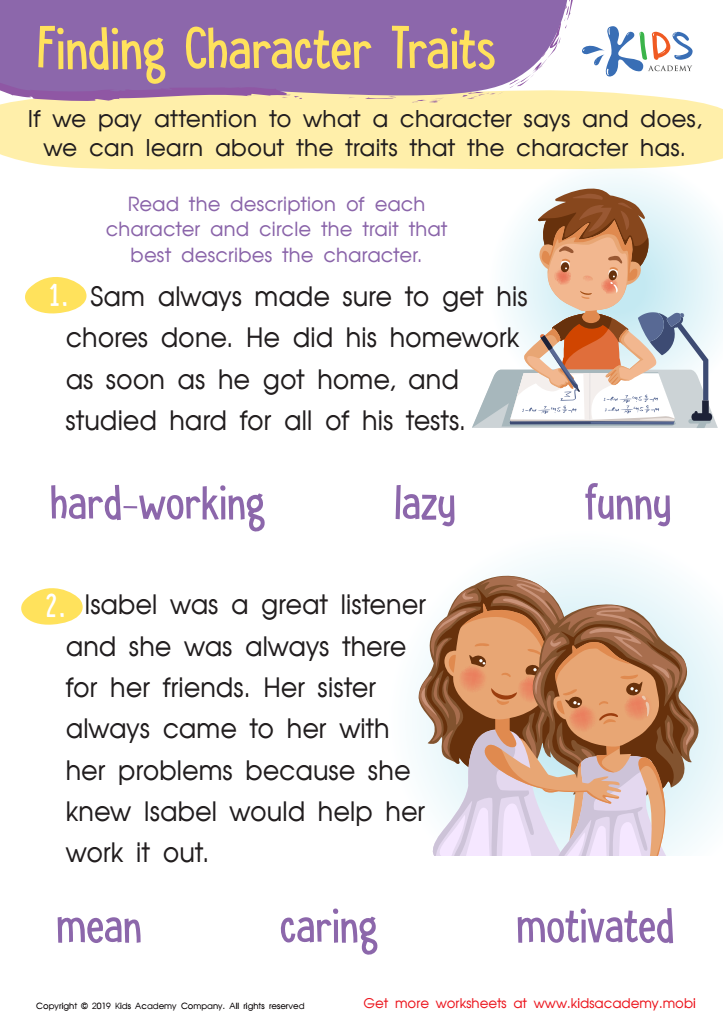
Finding Character Traits Worksheet








Vocabulary development and reading comprehension are crucial for children aged 7-8, as they form the foundational skills necessary for academic success and lifelong learning. At this age, children are transitioning from learning to read to reading to learn. A rich vocabulary enables them to understand and engage with increasingly complex texts, allowing them to explore new ideas and concepts.
When parents and teachers prioritize vocabulary development, they empower children to express themselves more clearly and articulate their thoughts effectively. A robust vocabulary enhances comprehension skills, enabling children to grasp subtle nuances and infer meanings, which are critical for analyzing and summarizing texts.
Additionally, strong vocabulary skills promote confidence in reading and academic performance. Children who struggle with vocabulary may find reading frustrating, leading to disengagement and a negative attitude toward learning. By fostering a rich language environment—through conversation, reading together, and introducing new words—adults can cultivate a positive attitude towards reading and storytelling.
Ultimately, nurturing vocabulary development not only supports literacy but also lays the groundwork for critical thinking and communication skills, which are essential for navigating future educational and social challenges. Parents and teachers must collectively prioritize these skills to empower the next generation.








