Animal identification Normal Science Worksheets for Ages 7-8
5 filtered results
-
From - To
Engage your 7-8 year-olds in the wonders of the animal kingdom with our Animal Identification Normal Science Worksheets! These interactive printables are designed to captivate young minds while developing essential scientific skills. As children explore various animals, they'll enhance their observation abilities, learn to classify different species, and understand distinctive animal features. Our fun, educational worksheets effortlessly integrate science into your child’s routine, making learning both enjoyable and effective. Suitable for classroom or homeschool use, these worksheets encourage curiosity and a love for nature, preparing your child for a lifetime of environmental awareness and discovery.
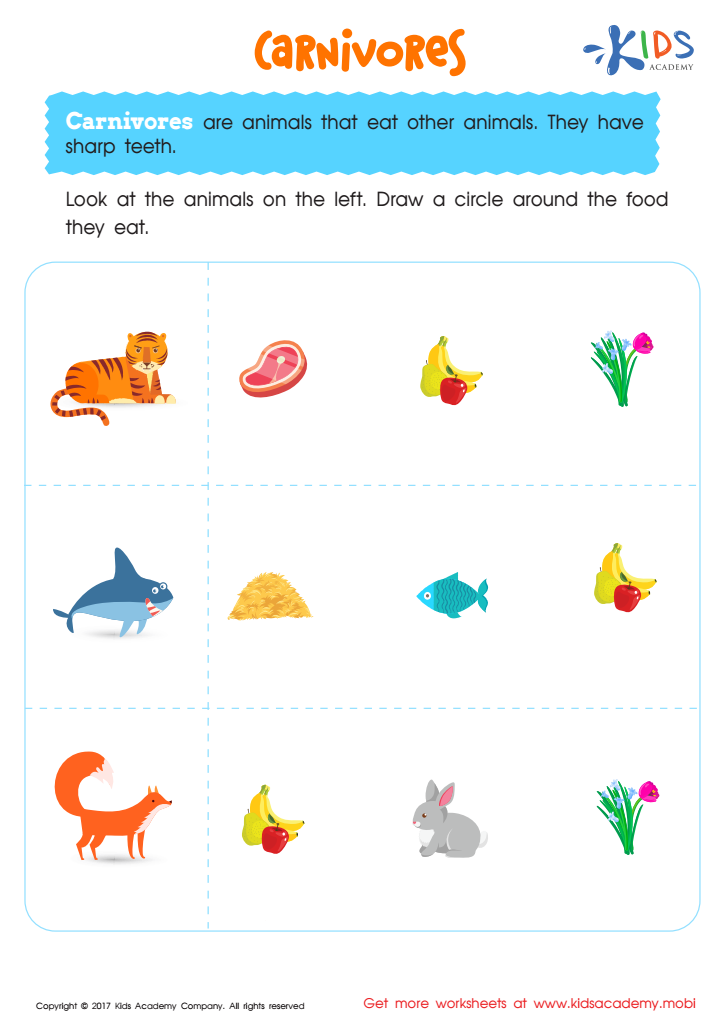
Carnivores Worksheet
 Assign to My Students
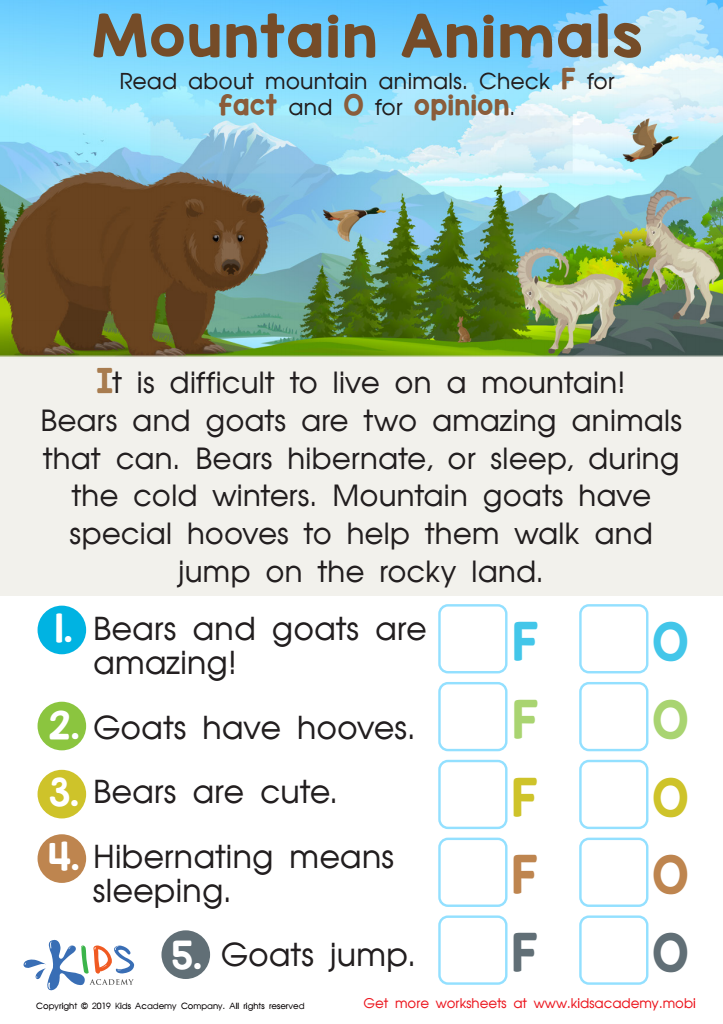
Mountain Animals Worksheet
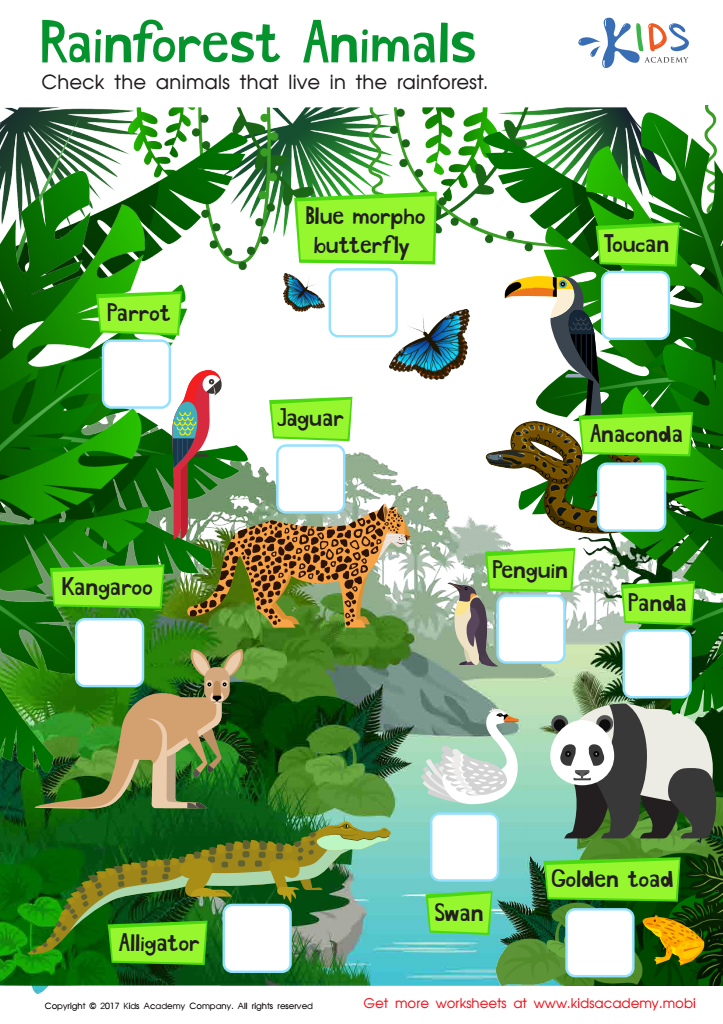
Rainforest Animals Worksheet
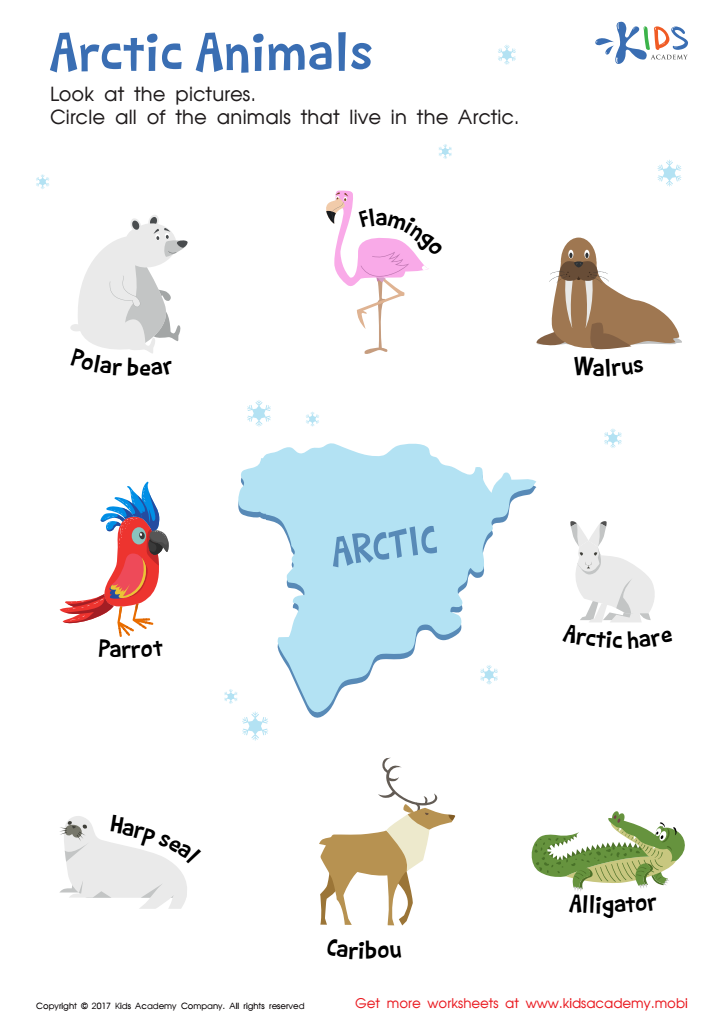
Arctic Animals Worksheet
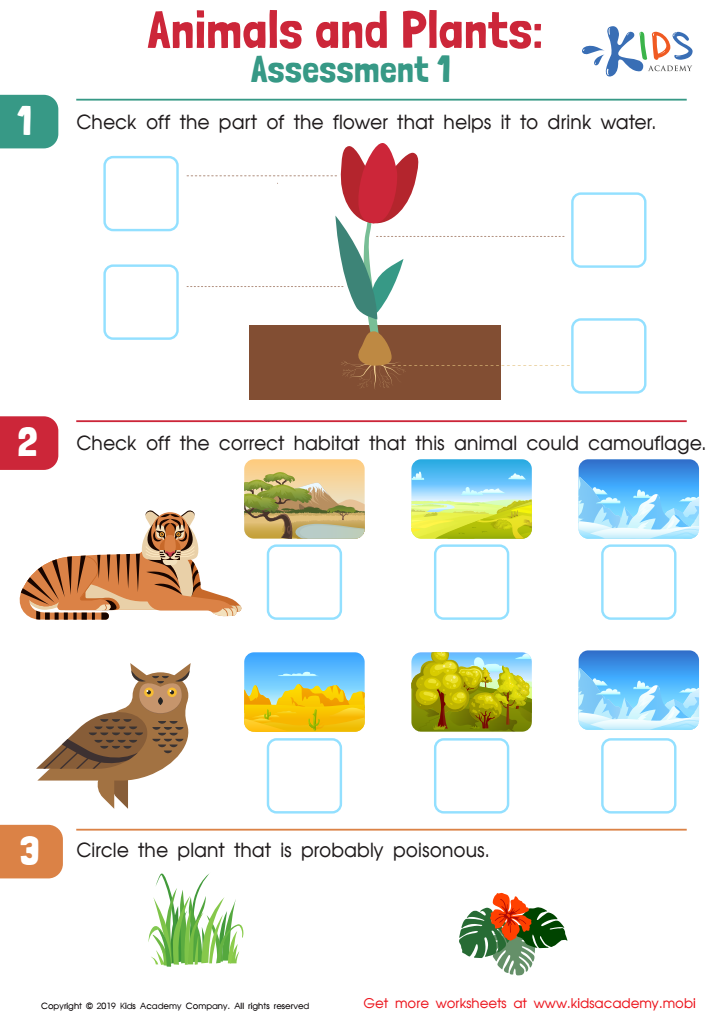
Animals and Plants: Assessment 1 Worksheet








Animal identification in Science for children aged 7-8 is critical for several reasons, whether in a classroom or at home.
Firstly, fostering an early appreciation for nature helps kids grow into environmentally conscious adults. Understanding different animals and their roles in the ecosystem promotes a sense of responsibility toward conservation.
Secondly, animal identification activities stimulate cognitive development. Kids sharpen observation skills and learn to classify and differentiate, which are core scientific practices. This cultivates more profound analytical and critical thinking abilities applicable across various subjects.
Moreover, early exposure to animal science nurtures curiosity and a love for learning. Introducing them to life's diversity can spur interest in other scientific domains, fostering lifelong learning and possibly even informing future career choices.
Socially and emotionally, children get to develop compassion and empathy. They learn how animals feel, live, and survive, which instills values of kindness to all living beings.
From reading-picture books to visiting zoos or engaging in nature walks, parents and teachers can use animal identification exercises to create rich, multisensory learning experiences. Effective during this critical learning age, these experiences lay a strong foundation for both emotional and intellectual growth.
Thus, engaging children in animal identification is multifaceted, enhancing learning, responsibility, empathy, and curiosity. It’s a small but integral step in holistic child development.







