Comparative analysis Normal Science Worksheets for Ages 7-8
3 filtered results
-
From - To
Explore our engaging Comparative Analysis Normal Science Worksheets tailored for young learners aged 7-8! These worksheets encourage critical thinking by prompting students to compare and contrast various scientific concepts and phenomena. Designed to align with educational standards, students will enhance their analytical skills through fun and interactive activities. Covering topics from ecosystems to the basics of matter, these worksheets make learning enjoyable and effective. Ideal for both classroom and home use, our resources support educators and parents in fostering scientific curiosity and understanding in children. Start your little one's journey into the world of science today!
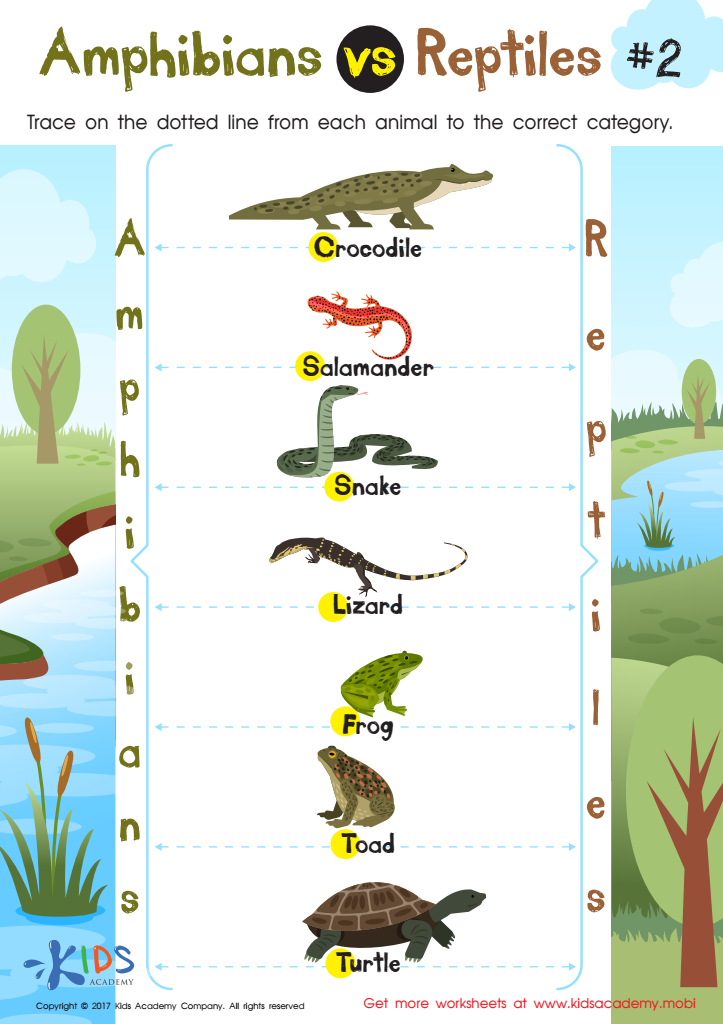
Amphibians vs Reptiles Worksheet for 3rd Grade
 Assign to My Students
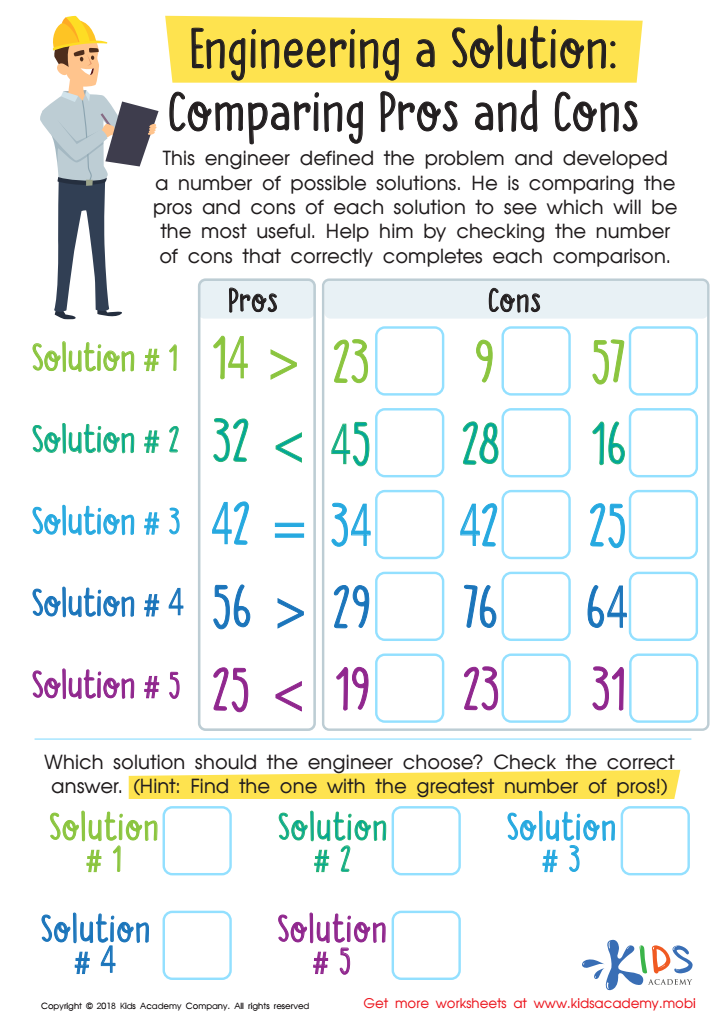
Engineering a Solution: Comparing Pros and Cons Worksheet
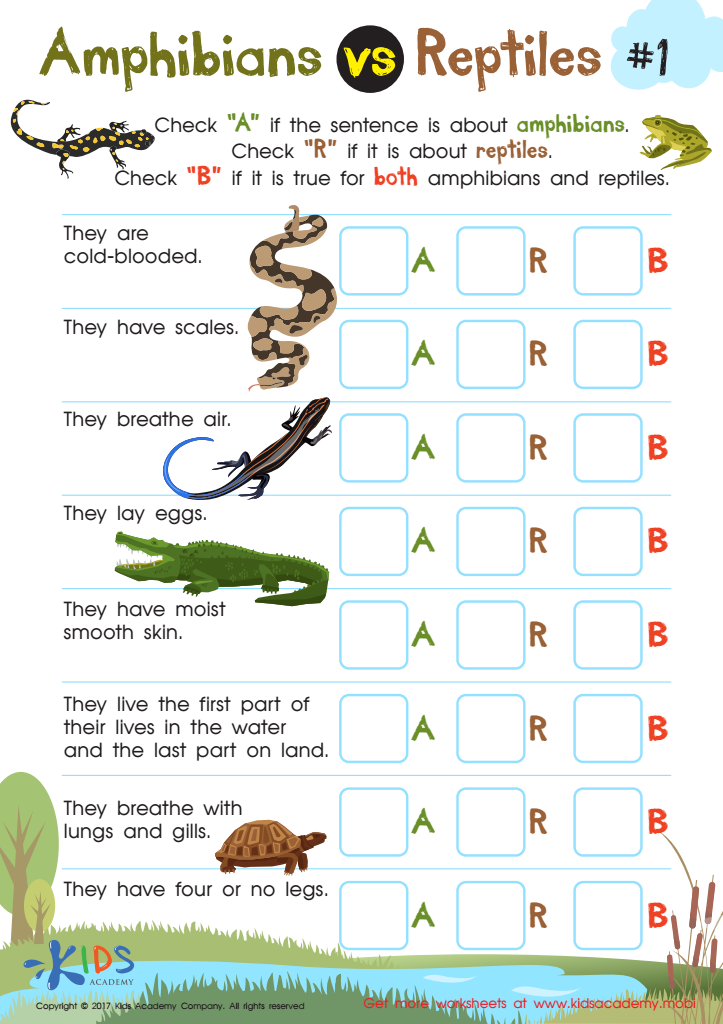
Amphibians vs Reptiles Worksheet








Parents and teachers should care about Comparative Analysis in Normal Science for Ages 7-8 because it lays the foundation for critical thinking and scientific literacy in young learners. At this age, children are naturally curious and beginning to explore the world around them. Comparative analysis encourages them to observe differences and similarities between various scientific phenomena—be it plants, animals, or simple physical changes. This practice fosters observation skills, curiosity, and analytical thinking.
Understanding these concepts at an early age supports the development of inquiry-based learning. As children analyze and compare, they learn to ask questions, formulate hypotheses, and draw conclusions, which are essential components of the scientific method. Additionally, these skills are transferable to other subjects, including math, language arts, and social studies.
Moreover, comparative analysis allows educators to connect science with real-world experiences, making learning more engaging and relevant. Involving parents in this process through discussions or simple hands-on experiments at home reinforces learning and nurtures a collaborative approach to education. Ultimately, focusing on comparative analysis in Normal Science contributes to a well-rounded intellectual growth, preparing children not only for future academic success but also for informed citizenship and lifelong learning.







