Animal identification Normal Plants and Animals Worksheets for Ages 7-8
3 filtered results
-
From - To
Explore our engaging "Animal Identification Normal Plants and Animals Worksheets" specifically designed for kids aged 7-8! These interactive resources help young learners develop essential skills in recognizing and distinguishing various species. Through fun activities and vibrant illustrations, children will enhance their understanding of animals and their habitats. Perfect for both classroom use and home learning, our worksheets encourage curiosity about the natural world while promoting critical thinking. Dive into captivating lessons that align with educational standards, making learning both enjoyable and informative. Foster a love for science and nature with our expertly crafted worksheets that inspire future wildlife enthusiasts!
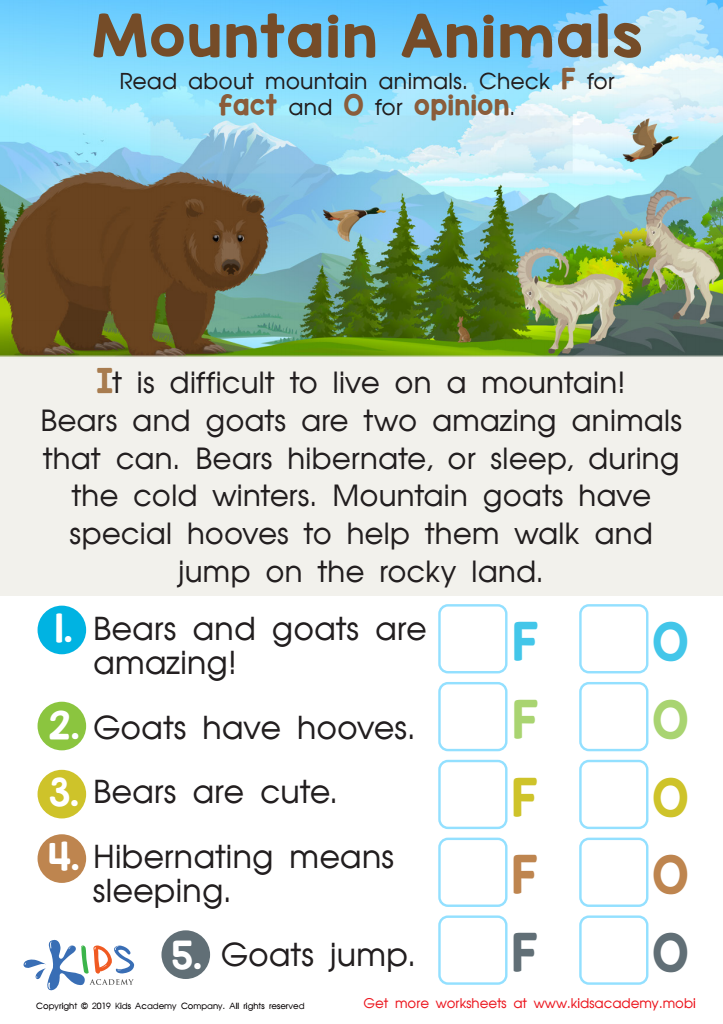
Mountain Animals Worksheet
 Assign to My Students











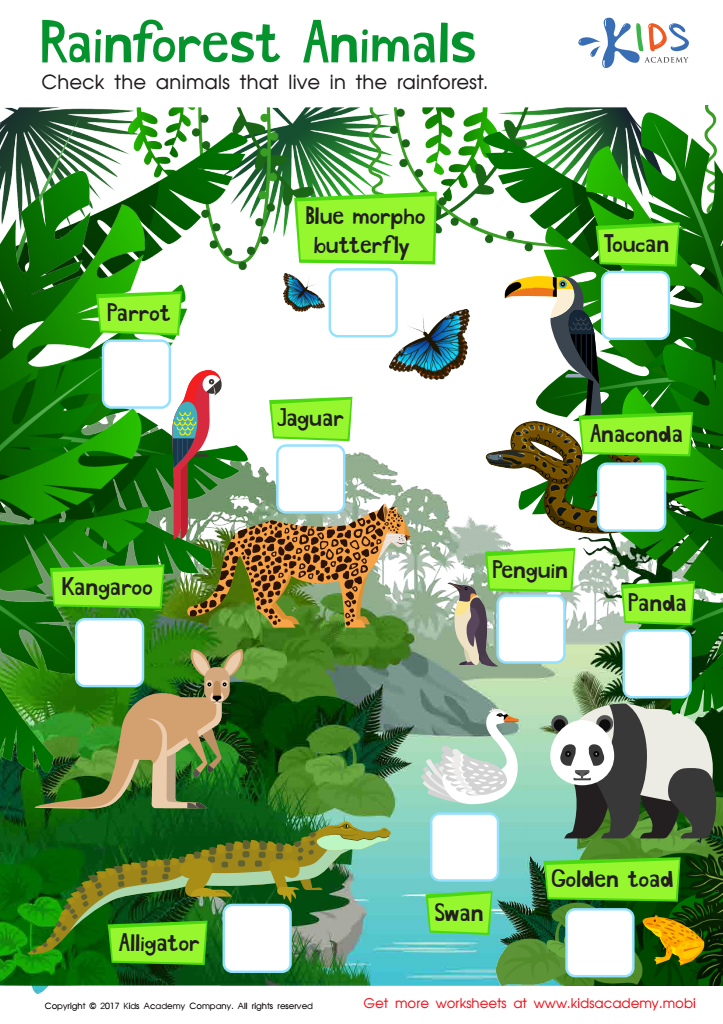
Rainforest Animals Worksheet
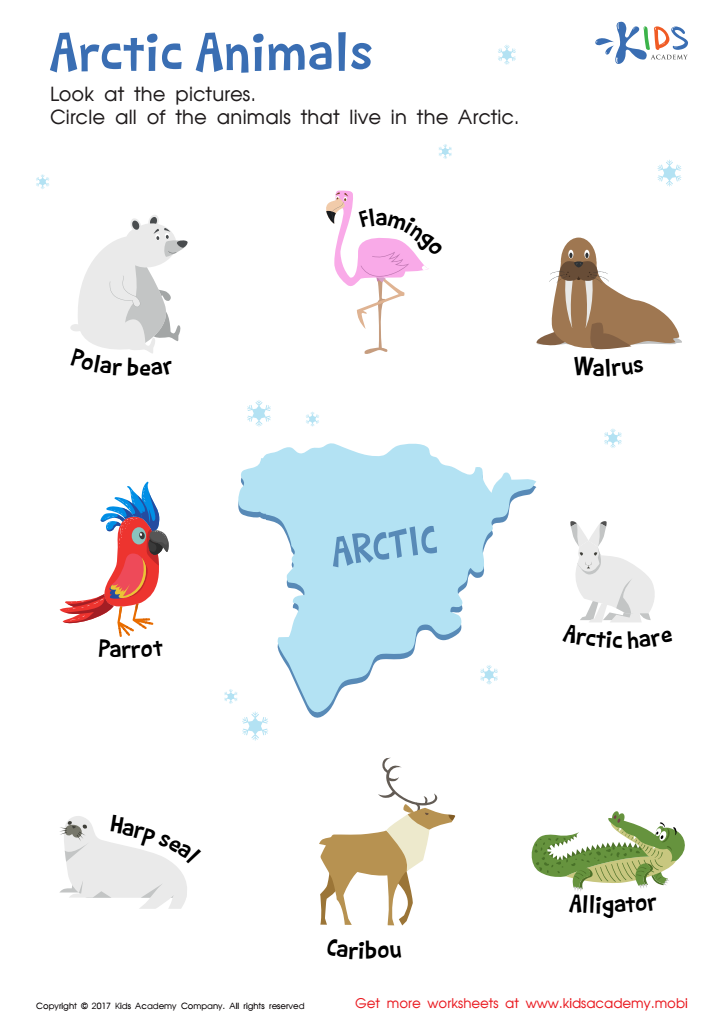
Arctic Animals Worksheet








Understanding animal identification in normal plants and animals is crucial for children aged 7-8, as it fosters a sense of curiosity and connection to the natural world. For parents and teachers, encouraging this knowledge supports several developmental areas. Firstly, it sparks children’s interest in science and nature, promoting critical thinking and observation skills. When children learn to identify different species, they become more aware of biodiversity, which is essential for nurturing environmental stewardship.
Secondly, knowledge of animal identification enhances language skills; as children learn the names and characteristics of various plants and animals, they enrich their vocabulary and learn to communicate their thoughts more effectively. This can lead to more meaningful conversations about nature during outdoor activities and exploration.
Moreover, understanding local wildlife helps children appreciate their surroundings, encouraging them to spend more time outdoors, which is vital for their physical and mental well-being. It can also instill a sense of responsibility towards the environment, as they become advocates for animal protection and conservation efforts. In essence, teaching children how to identify normal plants and animals not only lays the groundwork for scientific literacy, but also nurtures well-rounded, compassionate individuals committed to preserving their ecosystem.







