Observational skills Normal Space Worksheets for Ages 7-8
3 filtered results
-
From - To
Unlock your child's potential with our Observational Skills Normal Space Worksheets for Ages 7-8! Designed to enhance critical thinking and observation, these engaging worksheets take young learners on a journey through space-themed activities. Students will explore celestial bodies, analyze patterns, and practice their observational skills in a fun, interactive manner. Each worksheet fosters creativity and curiosity, making science education enjoyable and accessible. Perfect for home or classroom use, these resources aid in developing essential cognitive skills while immersing kids in the wonders of space. Empower your child's learning today with these exciting and educational printable worksheets!
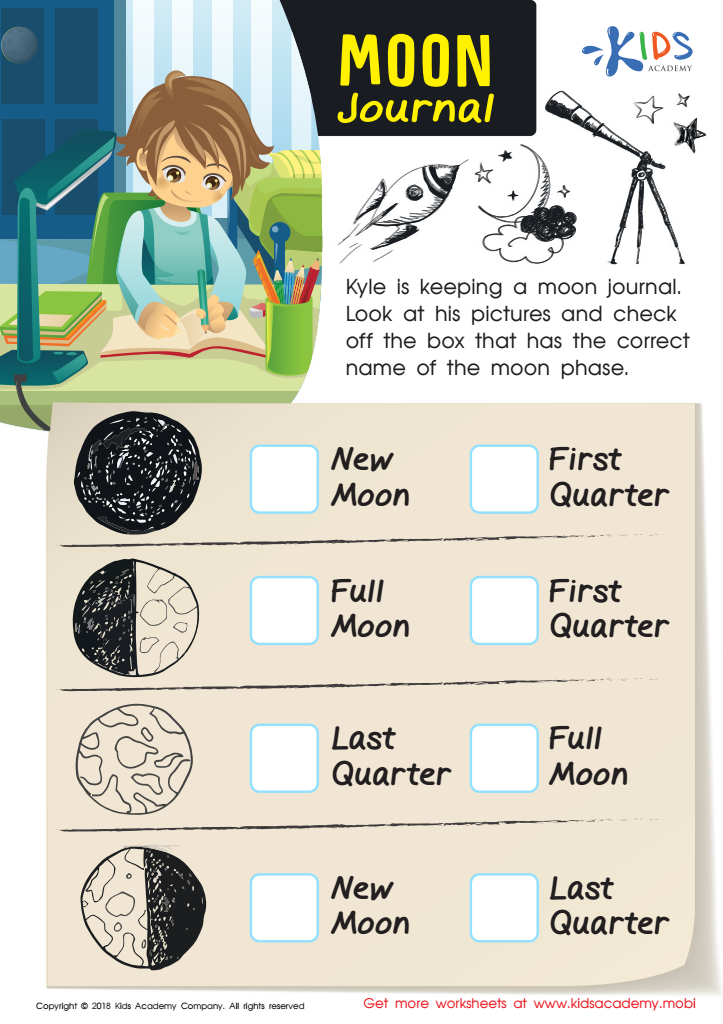
Moon Journal Worksheet
 Assign to My Students
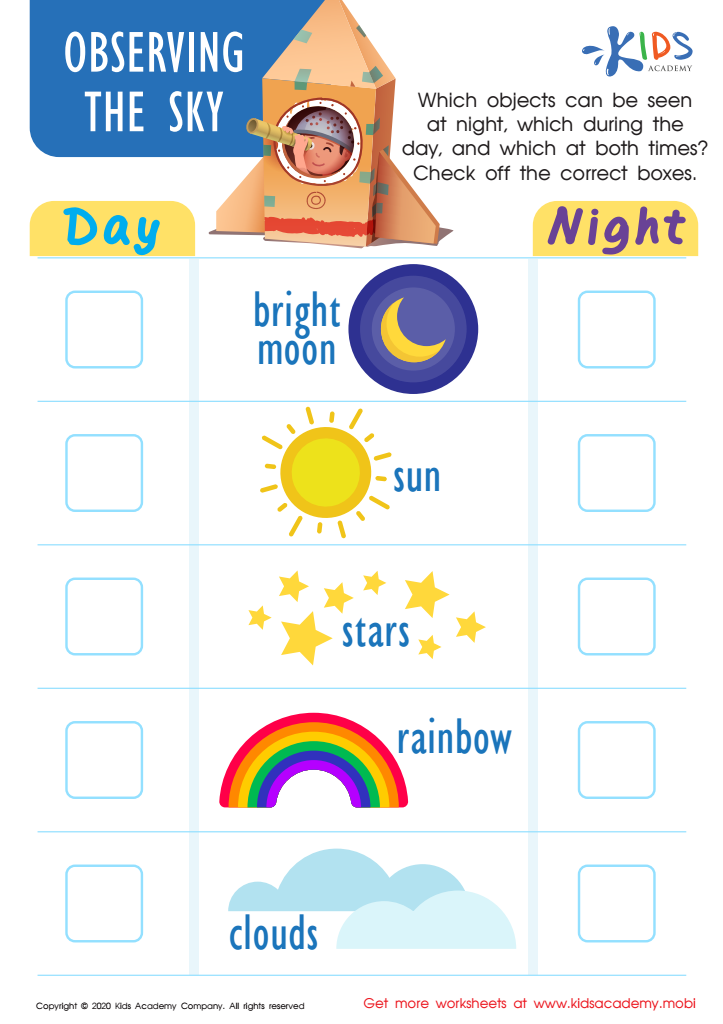
Observing the Sky Worksheet
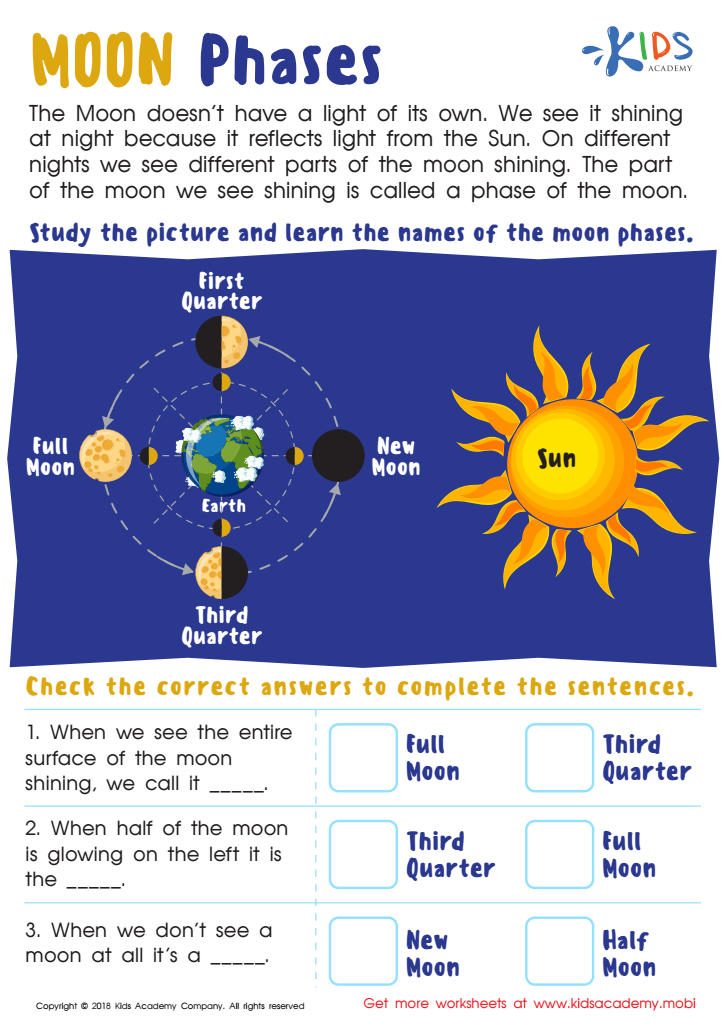
Moon Phases Worksheet



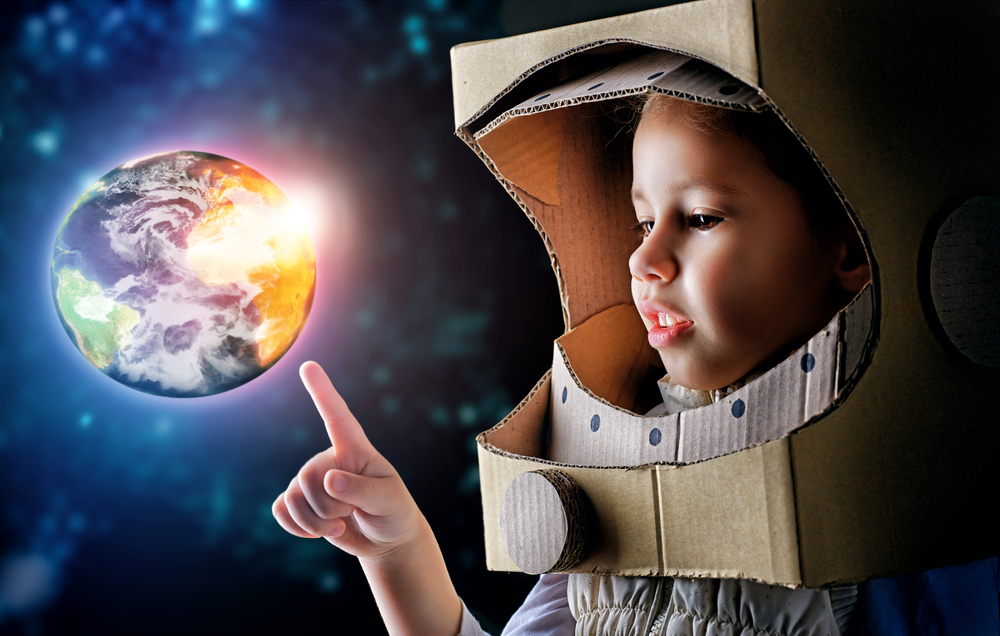



Observational skills in Normal Space are essential for children aged 7-8 as they serve as a foundation for cognitive development and real-world interactions. At this age, children are becoming more aware of their surroundings and learning to interpret spatial relationships—skills crucial for science, mathematics, and everyday problem-solving. Enhanced observational skills allow kids to notice details, understand patterns, and recognize changes in their environment, fostering curiosity and critical thinking.
Parents and teachers should emphasize these skills because they aid in academic achievement. For example, improved observational accuracy supports geometry understanding and enhances their ability to make predictions and draw conclusions in science experiments. Moreover, these skills also encourage social development by helping children perceive and respond to social cues in peer interactions.
Additionally, nurturing observational skills can lead to increased engagement in learning activities and improved concentration, as students become more adept at noticing important information. Creating opportunities for exploration—whether through guided play, outdoor excursions, or interactive classroom activities—can significantly bolster these skills. Therefore, prioritizing the development of observational skills not only enriches a child's learning experience but also prepares them for future academic and social challenges.







