Fine Motor Skills Normal Alphabet Worksheets for Ages 7-9 - Page 2
30 filtered results
-
From - To

Letter J Coloring Sheet
 Assign to My Students
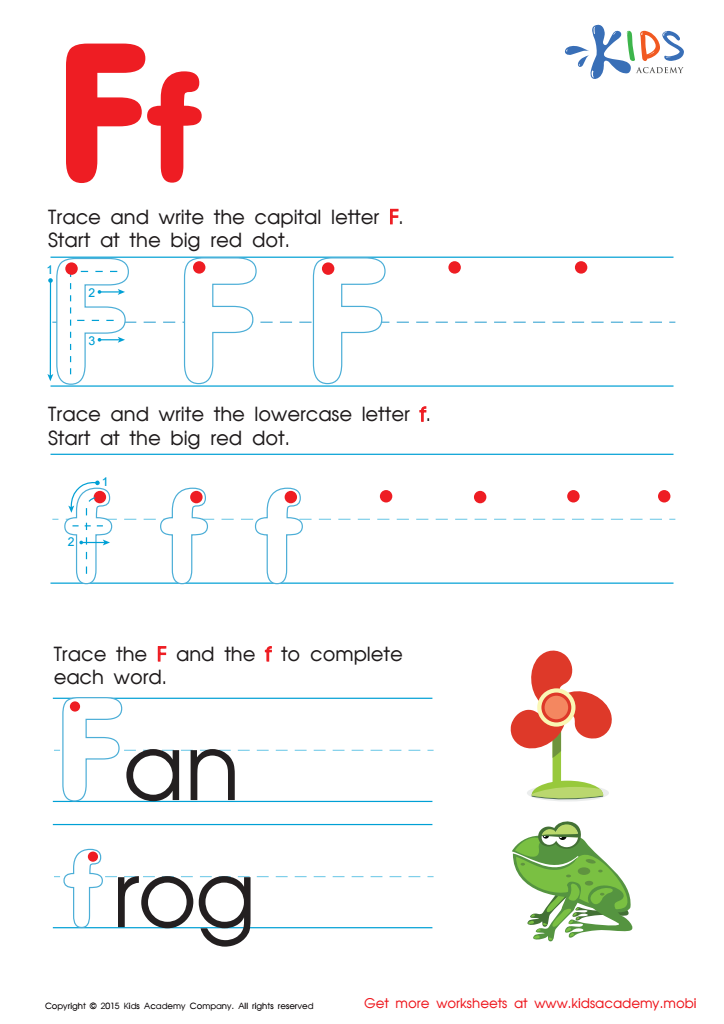
Letter F Tracing Page
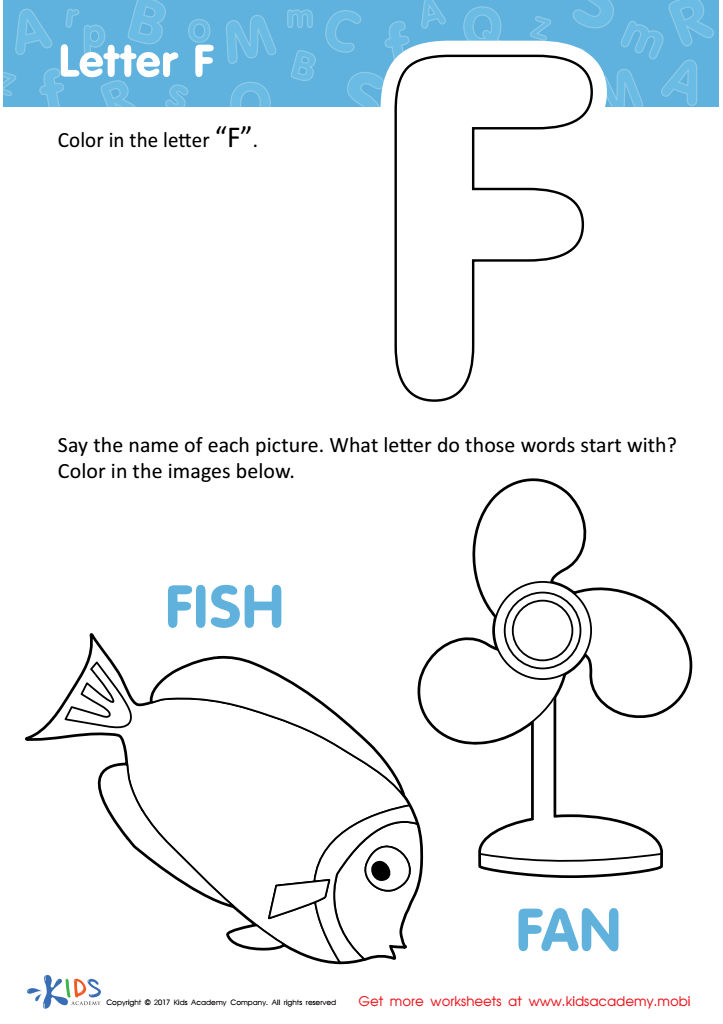
Letter F Coloring Sheet
Assign to My Students
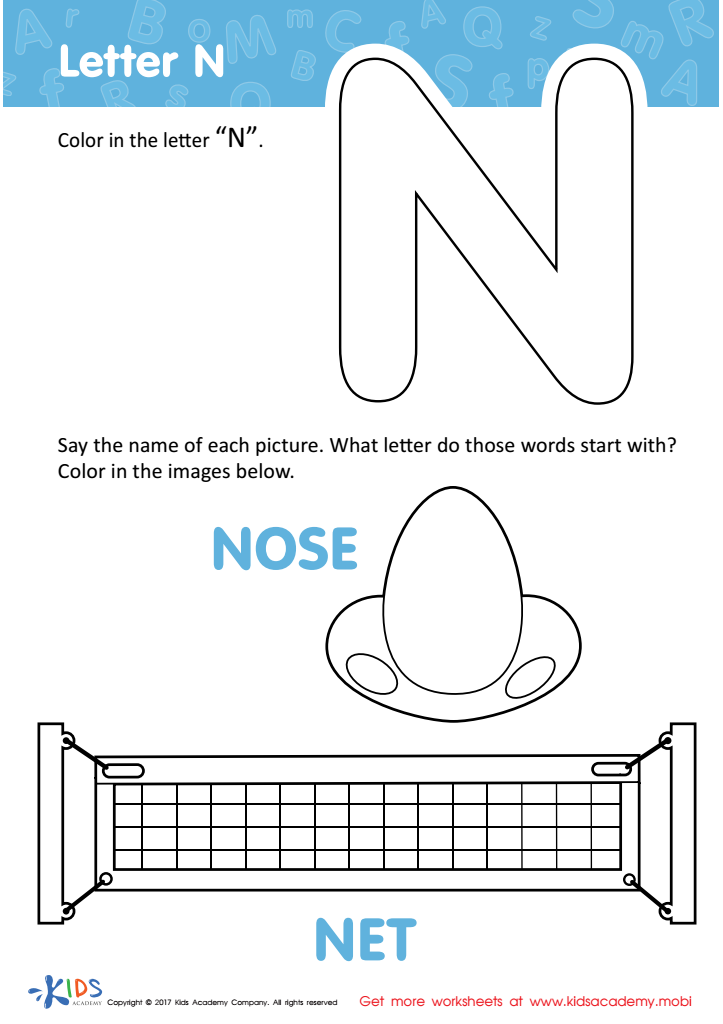
Letter N Coloring Sheet
Assign to My Students
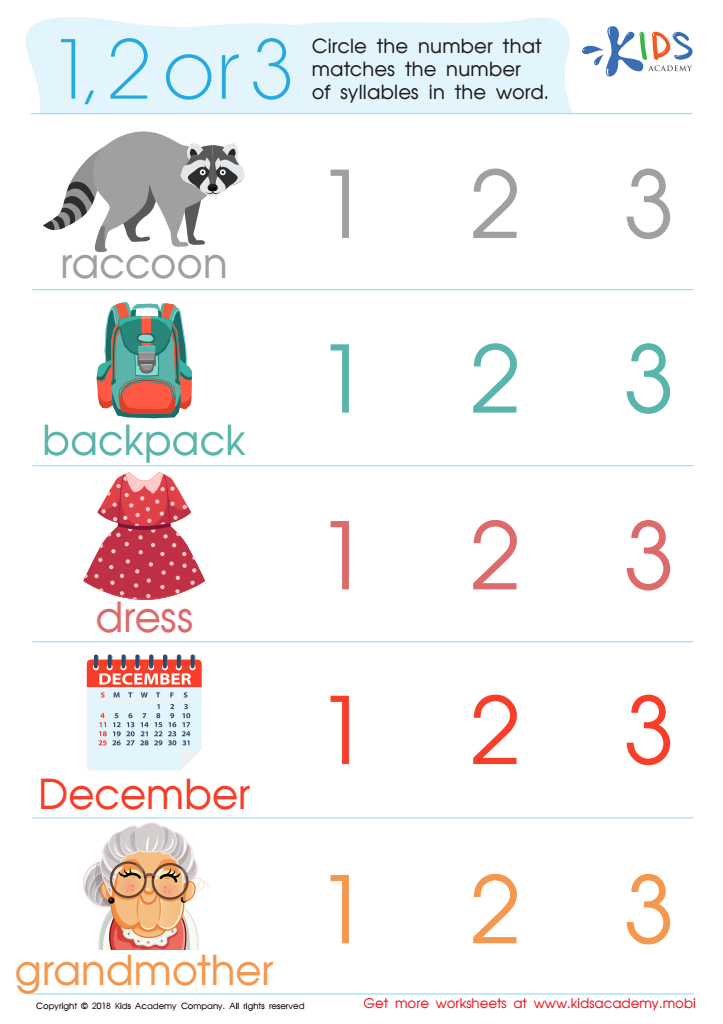
1, 2 or 3? Worksheet

Letter D Tracing Page








Parents and teachers should pay close attention to the development of fine motor skills as children aged 7-9 are in a crucial stage of refining their dexterity and coordination. Strong fine motor skills are essential for a range of activities, including writing, drawing, and tying shoelaces, which are essential as children transition from early childhood to more complex academic tasks. Mastery of these skills supports not only academic success but also boosts self-esteem and independence.
During this age, children begin to produce more legible handwriting, which is linked to their literacy development. Fine motor skills also promote critical hand-eye coordination, allowing for better engagement in activities such as playing musical instruments, handling tools, and arts and crafts, which can enhance creativity and problem-solving abilities.
Furthermore, fine motor skill development is intertwined with cognitive growth. Activities that require precision can sharpen focus and improve overall concentration, beneficial in both academic and social settings. By prioritizing activities that advance these skills, parents and teachers foster a supportive environment that encourages growth, creativity, and confidence, setting the stage for lifelong learning and adaptability. Supporting fine motor skill development pays dividends in the holistic growth of children during these formative years.







