Problem-Solving Skills Normal Alphabet Worksheets for Ages 7-9
4 filtered results
-
From - To
Enhance your child's critical thinking and problem-solving abilities with our engaging normal alphabet worksheets, designed specifically for ages 7-9. These interactive activities encourage young learners to practice essential skills while reinforcing their understanding of letters and sounds. Each worksheet challenges students to think creatively and analytically, solving puzzles and completing tasks that foster cognitive development. With a focus on fun and learning, our printables help improve literacy while promoting independent and collaborative problem-solving. Unlock your child's potential and make learning enjoyable with these thoughtfully crafted worksheets that blend essential skills and creativity, perfect for both home and classroom use!

Hotel Mix-up Worksheet
 Assign to My Students
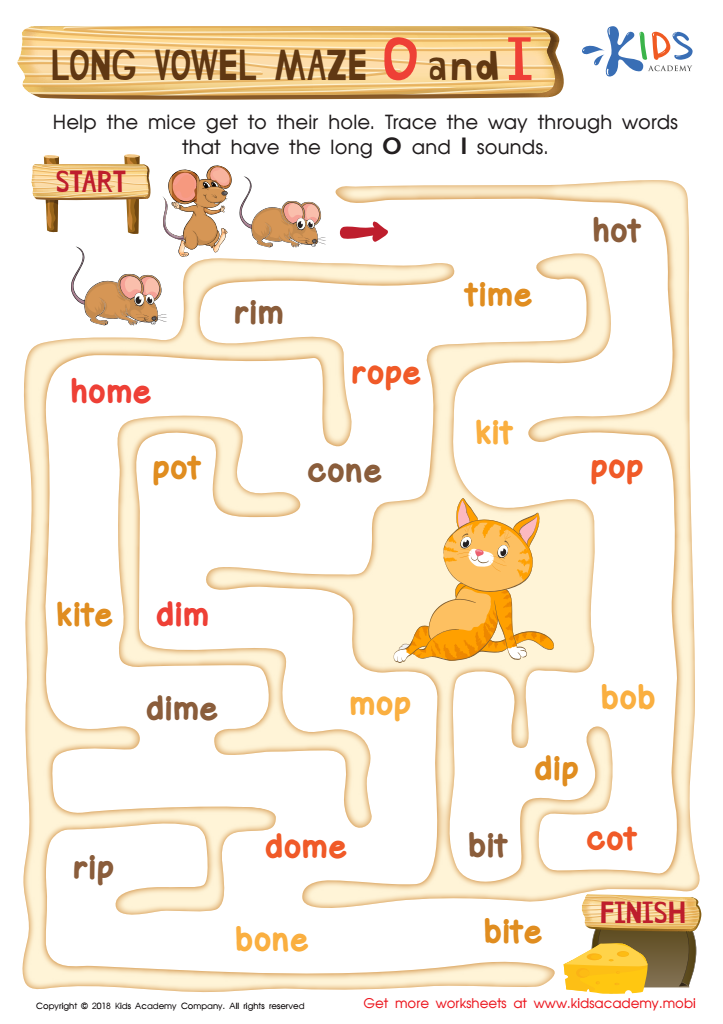
Long Vowel Maze /o/ and /i/ Worksheet
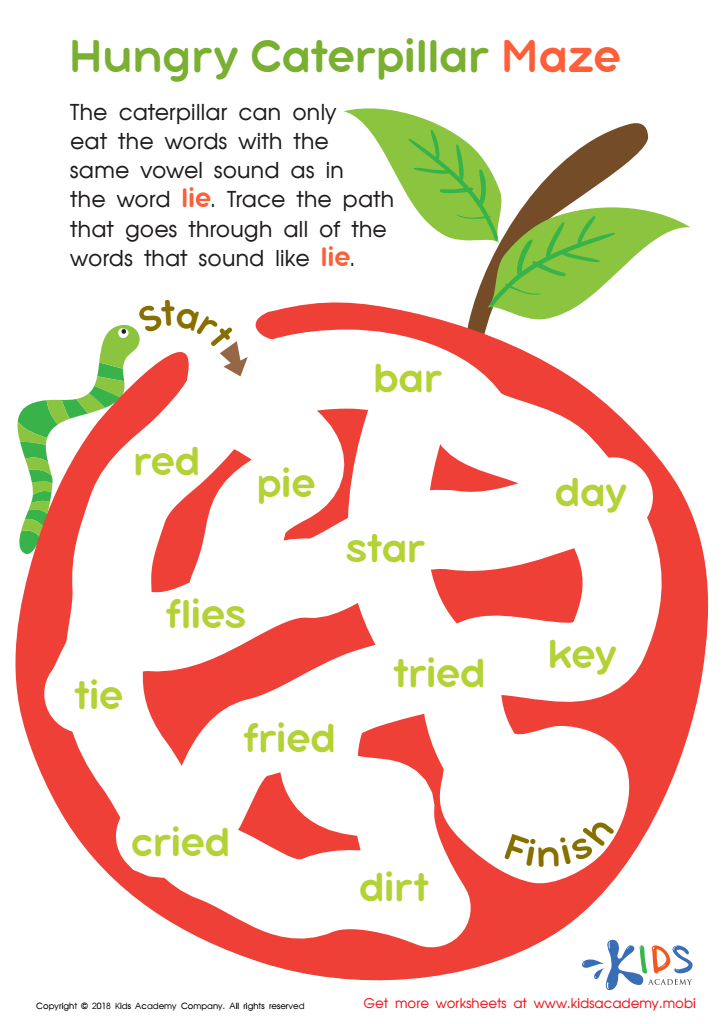
Hungry Caterpillar Maze Worksheet
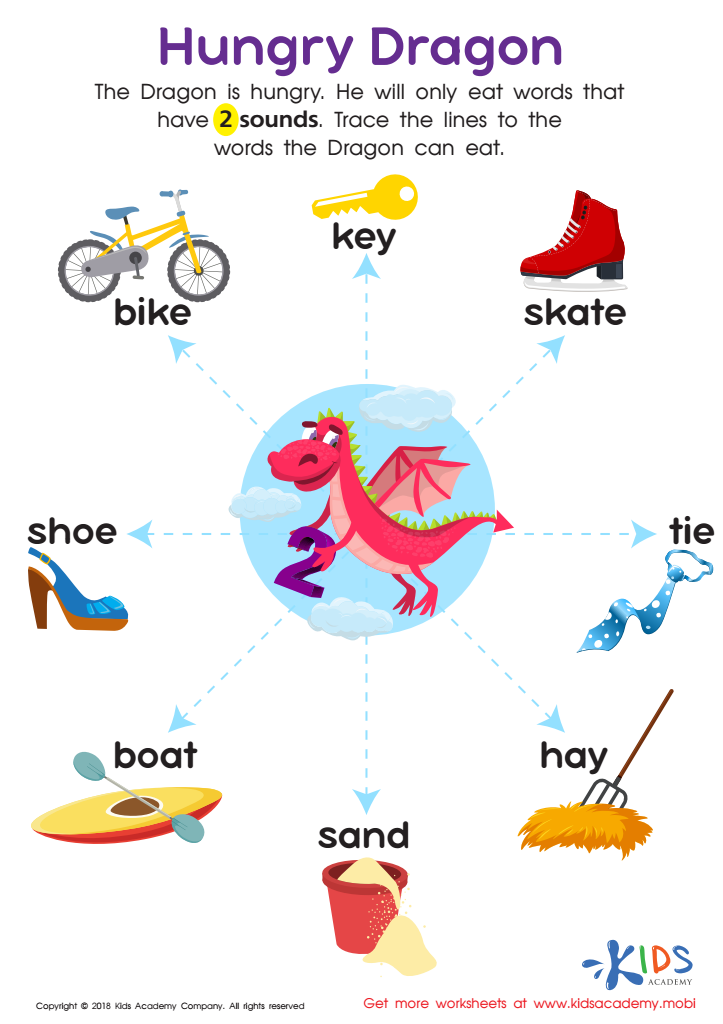
Hungry Dragon Worksheet








Problem-solving skills are crucial for children aged 7-9 as they form the foundation for critical thinking, decision-making, and resilience. At this age, children begin to encounter more complex challenges, both academically and socially. Teaching them how to approach problems systematically helps develop their analytical abilities and boosts their confidence in facing difficulties.
When parents and teachers nurture problem-solving skills, they equip children with the tools needed to navigate not only academic tasks—such as math problems and reading comprehension challenges—but also real-life situations, like resolving conflicts with peers or making choices about their activities. This skill set promotes independence and encourages children to take initiative.
Furthermore, strong problem-solvers often display greater creativity and adaptability, key traits in an ever-changing world. By fostering these skills in ages 7-9, parents and teachers also cultivate a growth mindset—teaching children that intelligence and skills can be developed through effort and perseverance. This attitude contributes to lifelong learning and success.
Ultimately, investing in problem-solving skills during these formative years contributes to well-rounded, confident individuals who are prepared to face future challenges with resilience and innovation. Thus, both parents and teachers have a significant role in developing these essential life skills in young learners.







