Sound Association Normal Alphabet Worksheets for Ages 7-9
7 filtered results
-
From - To
Unlock the world of language with our "Sound Association Normal Alphabet Worksheets" designed specifically for ages 7-9! These engaging resources enhance phonetic understanding by helping young learners connect sounds with their respective letters. Each worksheet is tailored to boost reading and writing prowess through enjoyable activities that reinforce sound-letter association. Perfect for both classroom and at-home learning, these worksheets encourage creative thinking and improve vocabulary. Accompanied by colorful illustrations, our materials make learning fun and interactive. Ideal for educators and parents seeking effective tools to foster linguistic skills, these worksheets are essential for nurturing confident communicators! Explore the wonders of sound and letters today!
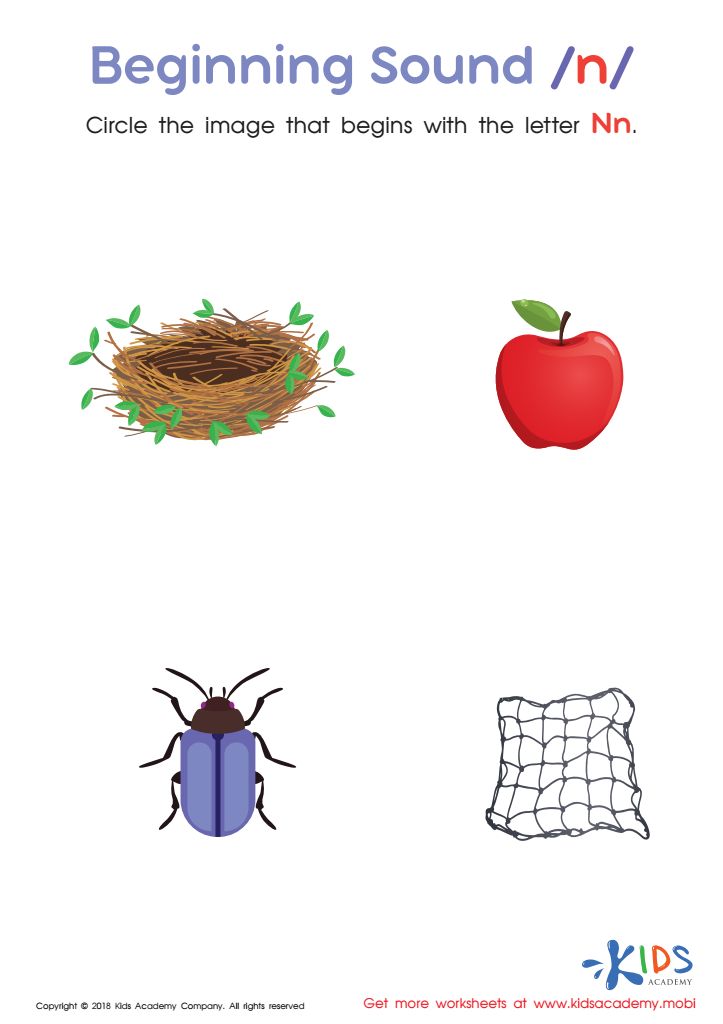
Beginning Sound «n» Worksheet
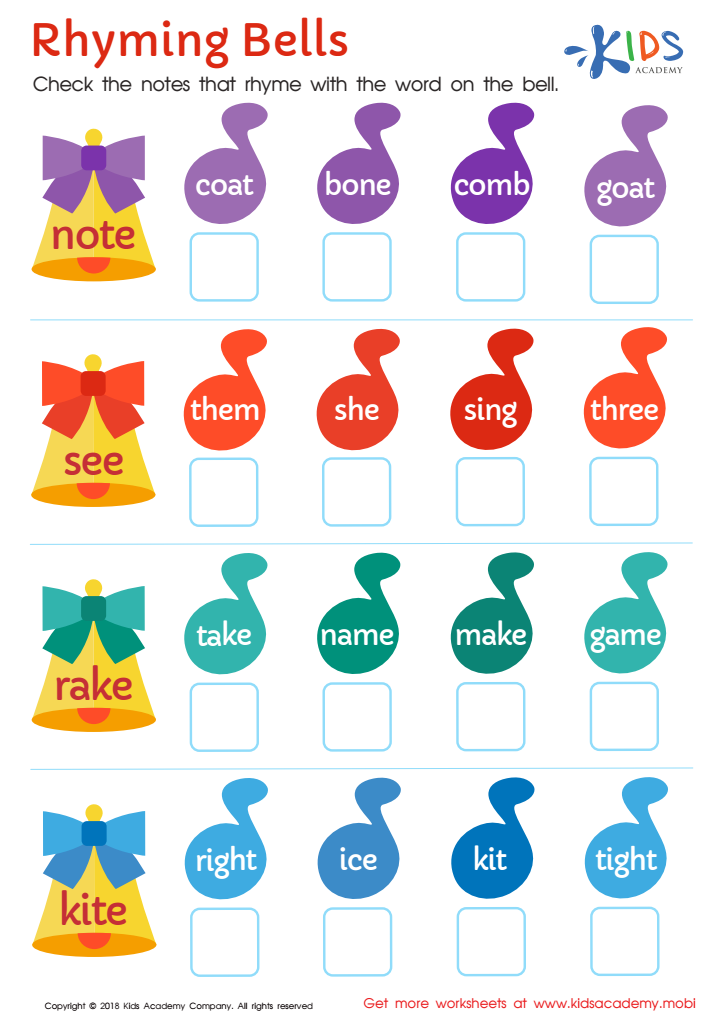
Rhyming Bells Worksheet
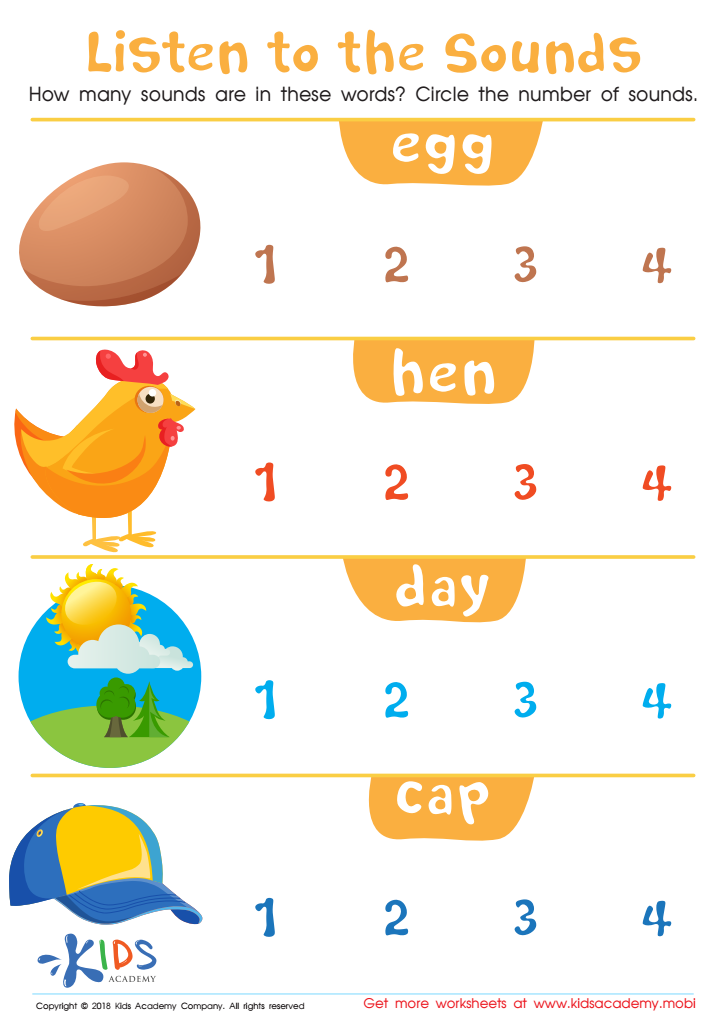
Listen to the Sounds Worksheet
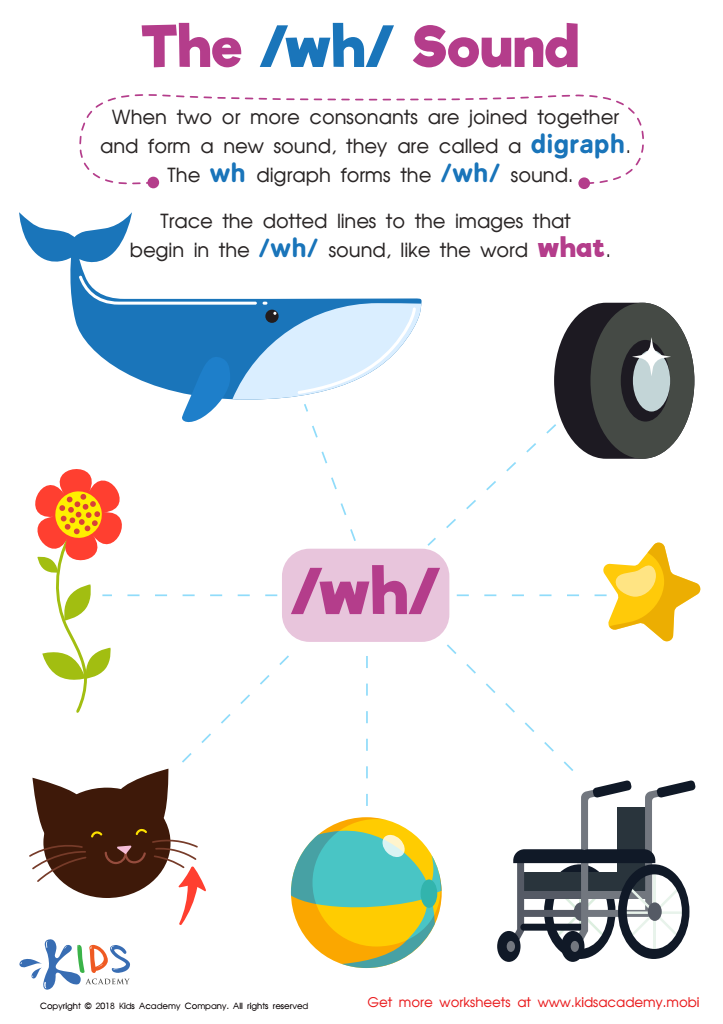
The /wh/ Sound Worksheet
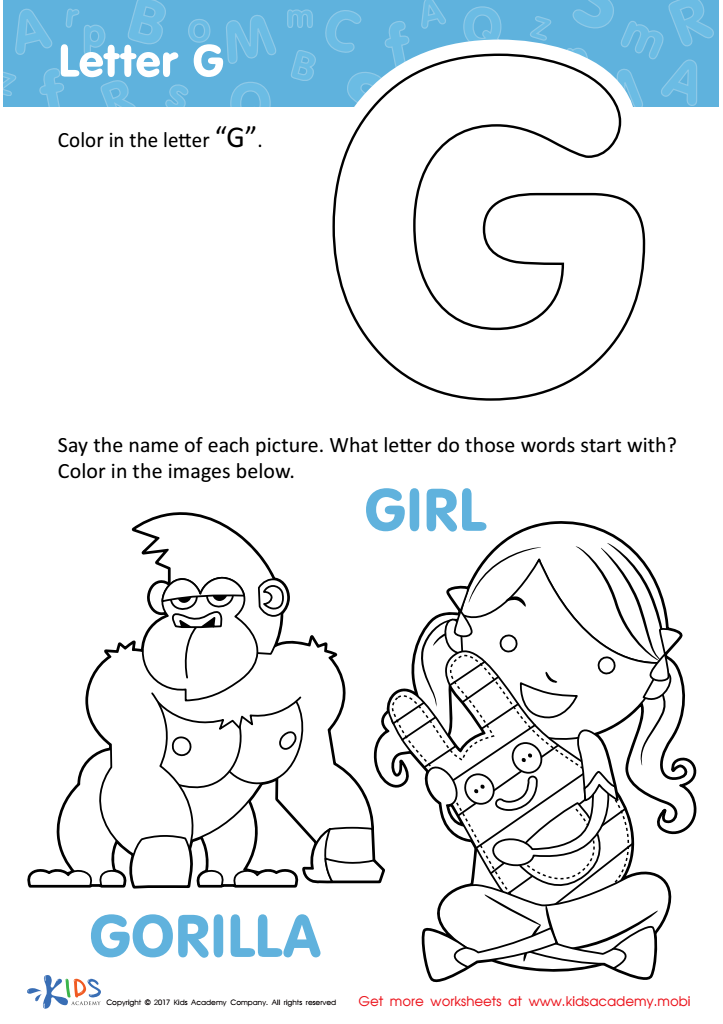
Letter G Coloring Sheet
 Assign to My Students
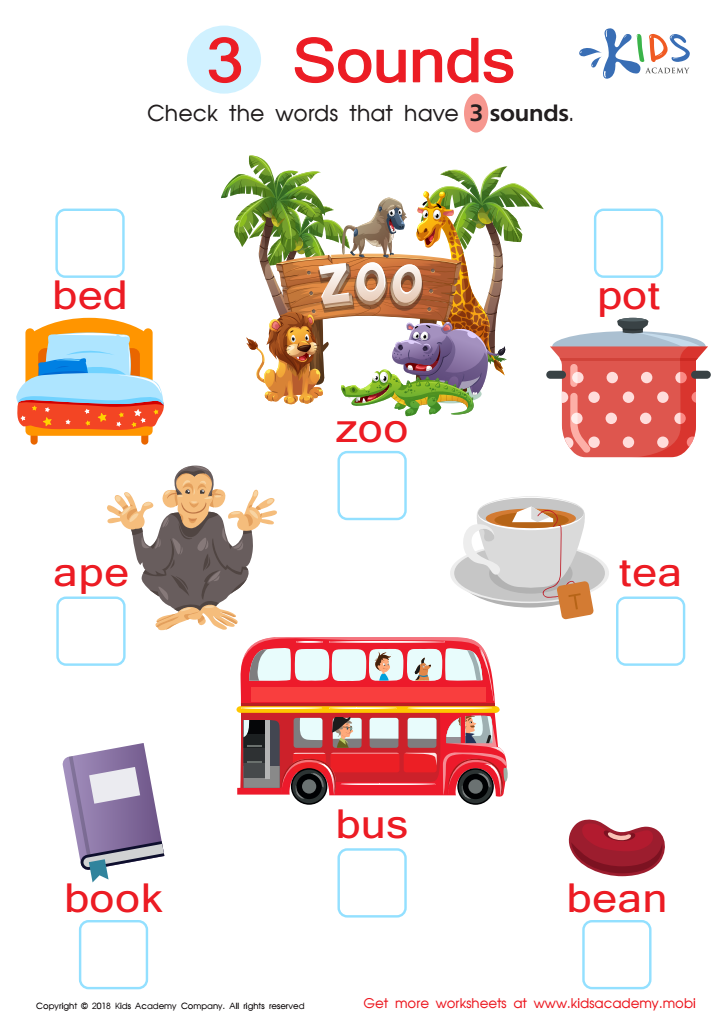
3 Sounds Worksheet
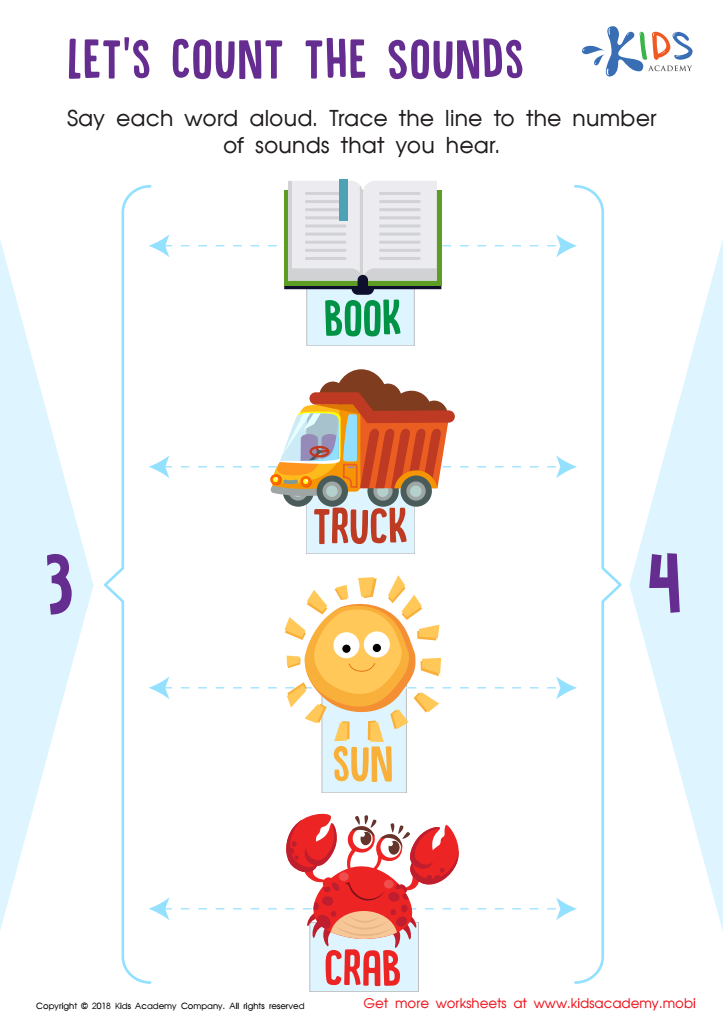
Let's Count the Sounds Worksheet







Sound Association Normal Alphabet (SANA) is a crucial learning tool for children aged 7-9, primarily because it bridges phonemic awareness with literacy development. At this stage, children are transitioning from decoding simple words to reading fluently and comprehending more complex texts. Understanding sound associations fosters better reading skills, which are foundational for academic success.
Practicing sound associations helps students grasp phonics more effectively; this understanding enhances their ability to recognize patterns in words, leading to improved spelling and vocabulary acquisition. As many young learners encounter challenges with traditional reading approaches, SANA offers an engaging way to make connections between sounds and letters.
Moreover, SANA addresses individual learning needs. Many children learn best through auditory methods, and sound associations cater to these learning styles, providing a multisensory experience. This approach can help develop confidence in struggling readers and nurturing a lifelong love for literature.
For parents and teachers, prioritizing SANA means fostering an inclusive learning environment that recognizes diverse learning paces and styles. By creating engaging and relevant lessons centered around sound associations, educators and parents can equip children with essential literacy skills that will benefit them throughout their educational journey and beyond.







