Filters

7 filtered results

Clear all filters
Favorites
With answer key
Interactive

7 filtered results

Difficulty Level

Grade


Subject

    Explore our engaging Normal Letter Sounds Worksheets designed specifically for children ages 7-9! Perfect for reinforcing phonetic skills, these worksheets help young learners master fundamental letter sounds through fun and interactive exercises. Each worksheet features a variety of activities, including matching sounds to letters, filling in missing letters, and engaging in creative writing prompts. Our carefully crafted resources support diverse learning styles, making phonics enjoyable and accessible. Utilize these worksheets in the classroom or at home to boost your child's reading and writing confidence. Unlock their full potential with our dynamic and educational letter sounds worksheets today!

    Check out this FREE Trial Lesson on Letter Sounds for age 7-9!

    Count the Phonemes in a Word

    Favorites
    With answer key
    Interactive
    • 7-9
    • Letter Sounds
    • Normal
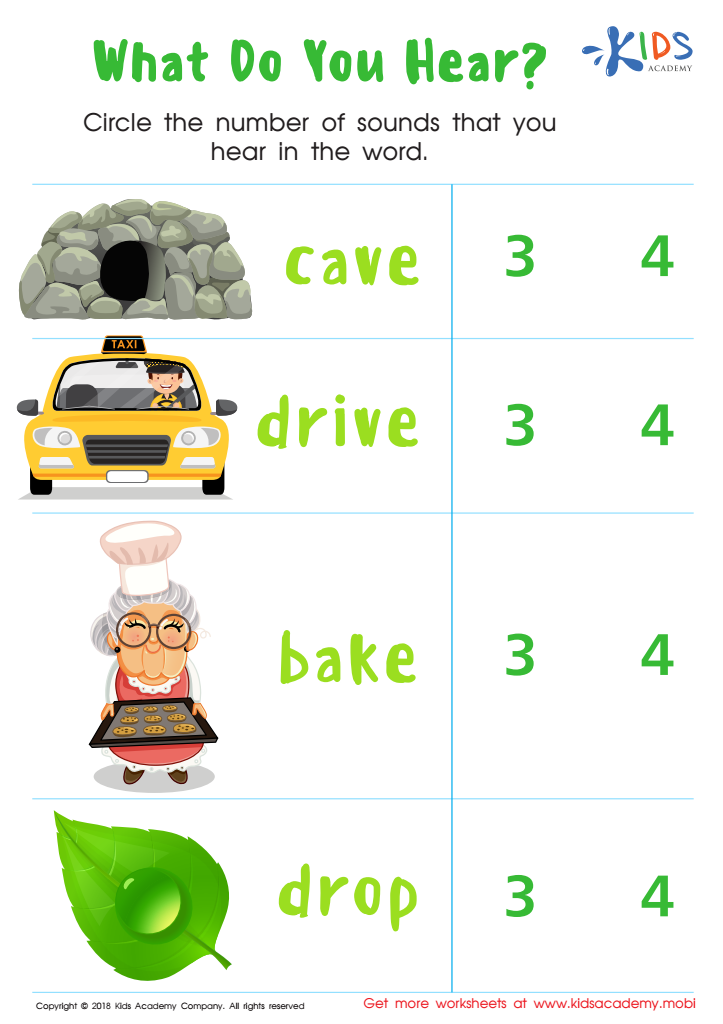
    What Do You Hear? Worksheet
    What Do You Hear? Worksheet

    What Do You Hear? Worksheet

    New readers can develop phonological awareness with this fun worksheet. They'll isolate sounds in words and count them, then circle the number of sounds heard. It'll help build their auditory discrimination and decoding skills, leading to more fluent reading. Without even knowing it, their reading skills are improving!
    What Do You Hear? Worksheet
    Worksheet
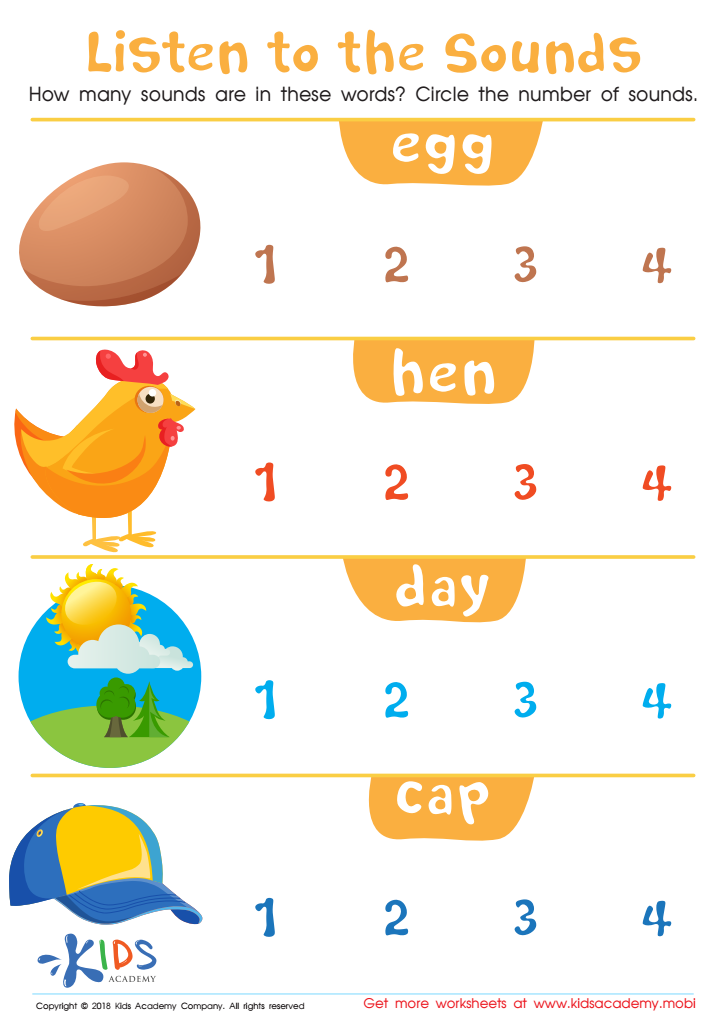
    Listen to the Sounds Worksheet
    Listen to the Sounds Worksheet

    Listen to the Sounds Worksheet

    This worksheet builds emerging readers' skills in using sounds for reading and spelling. It helps strengthen auditory processing by having them count the sounds in each word, then trace the corresponding number. Fun and cheerful!
    Listen to the Sounds Worksheet
    Worksheet
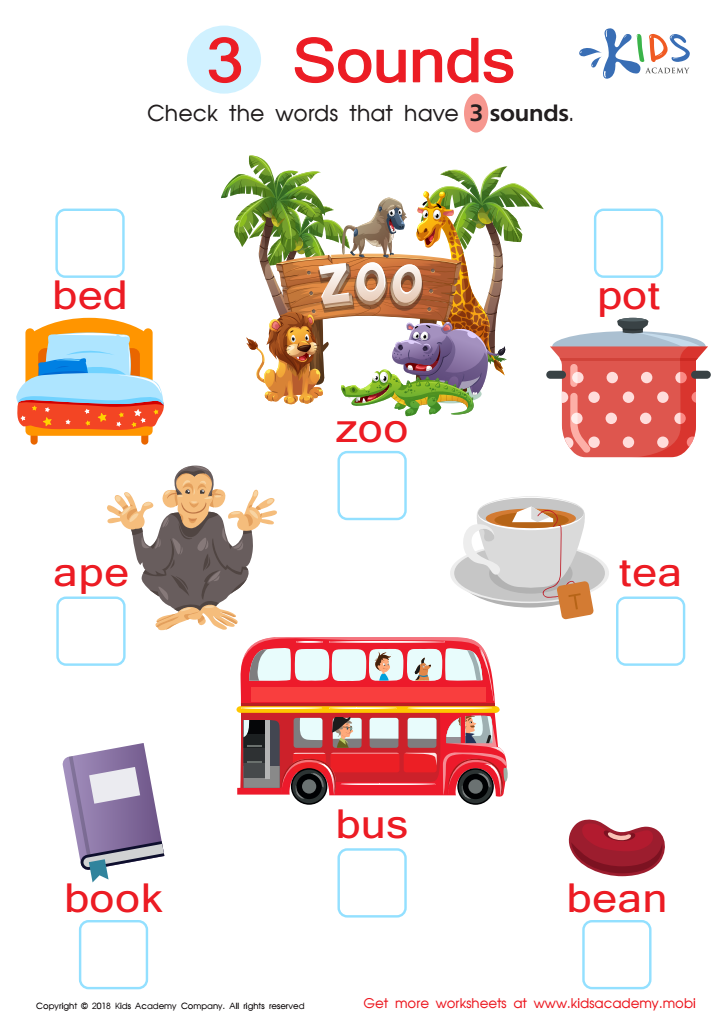
    3 Sounds Worksheet
    3 Sounds Worksheet

    3 Sounds Worksheet

    Kids will love learning with this free, colorful worksheet. It's full of familiar words they can name and sound out with three distinct sounds. This helps build decoding skills, plus they get to check off words they read. It's a fun way to teach children to identify and use sounds.
    3 Sounds Worksheet
    Worksheet
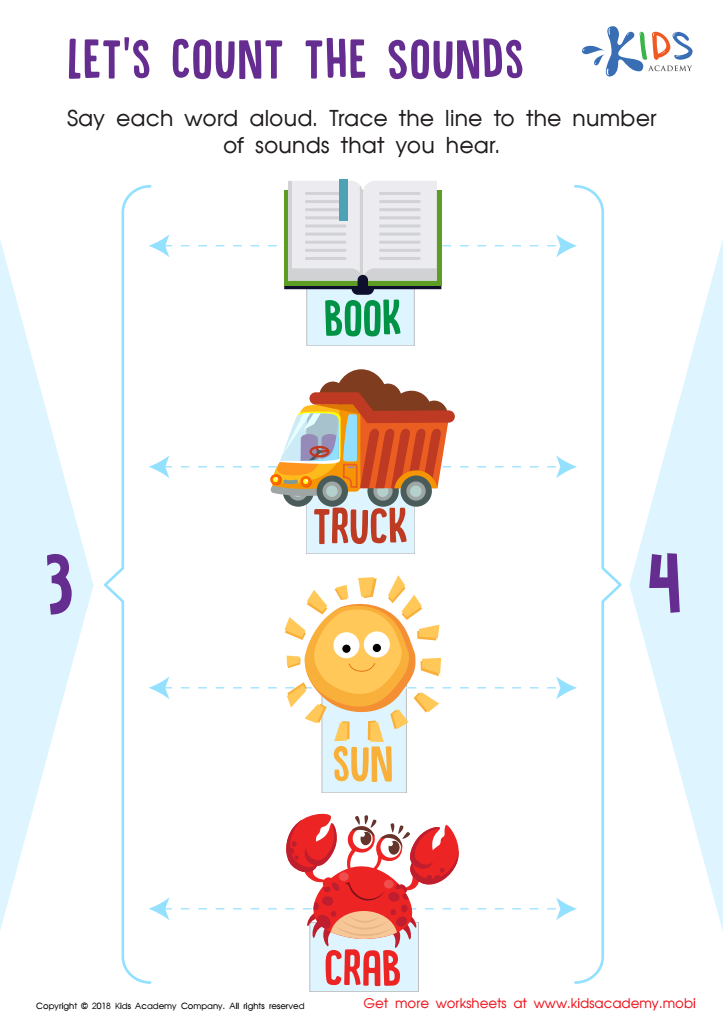
    Let's Count the Sounds Worksheet
    Let's Count the Sounds Worksheet

    Let's Count the Sounds Worksheet

    This bright and cheery traceable worksheet encourages children to practice auditory discrimination and phonological awareness. Using picture clues, they read each word and trace the line that represents the number of sounds heard. This builds decoding skills and helps them become successful readers.
    Let's Count the Sounds Worksheet
    Worksheet
    Finding the Sounds Worksheet
    Finding the Sounds Worksheet

    Finding the Sounds Worksheet

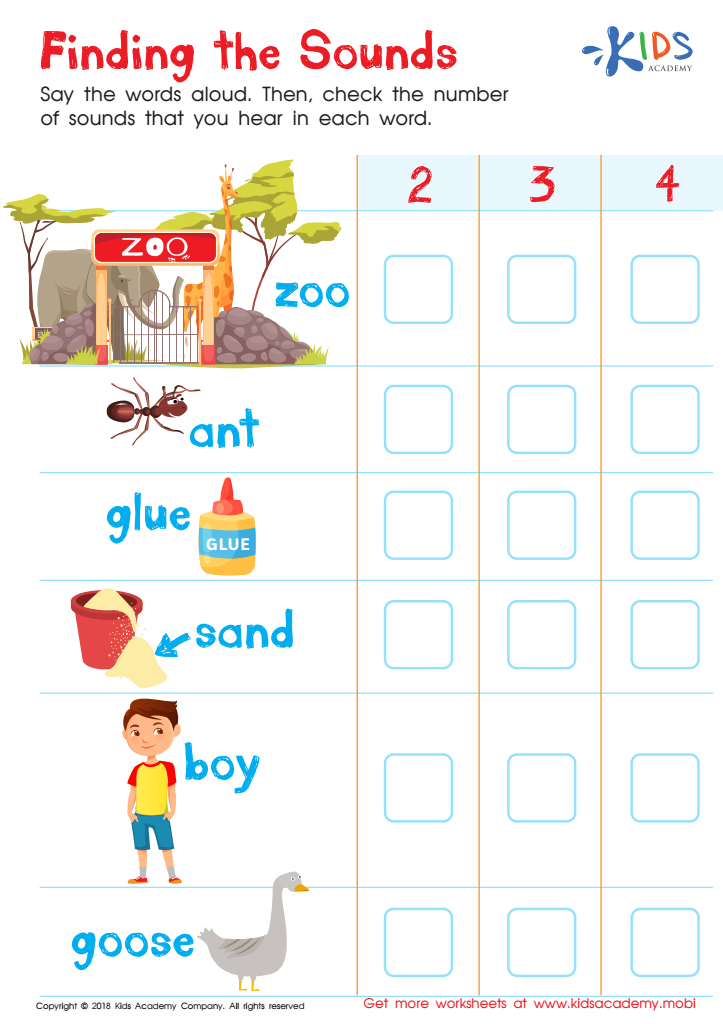
    This free colorful worksheet assists children in learning words and breaking them down into sounds. It boosts auditory discrimination, phonological awareness and fine motor skills. Picture clues help them read confidently, and they can check the appropriate boxes to practice their reading skills.
    Finding the Sounds Worksheet
    Worksheet
    Let's Check for «i» Sounds Worksheet
    Let's Check for «i» Sounds Worksheet

    Let's Check for «i» Sounds Worksheet

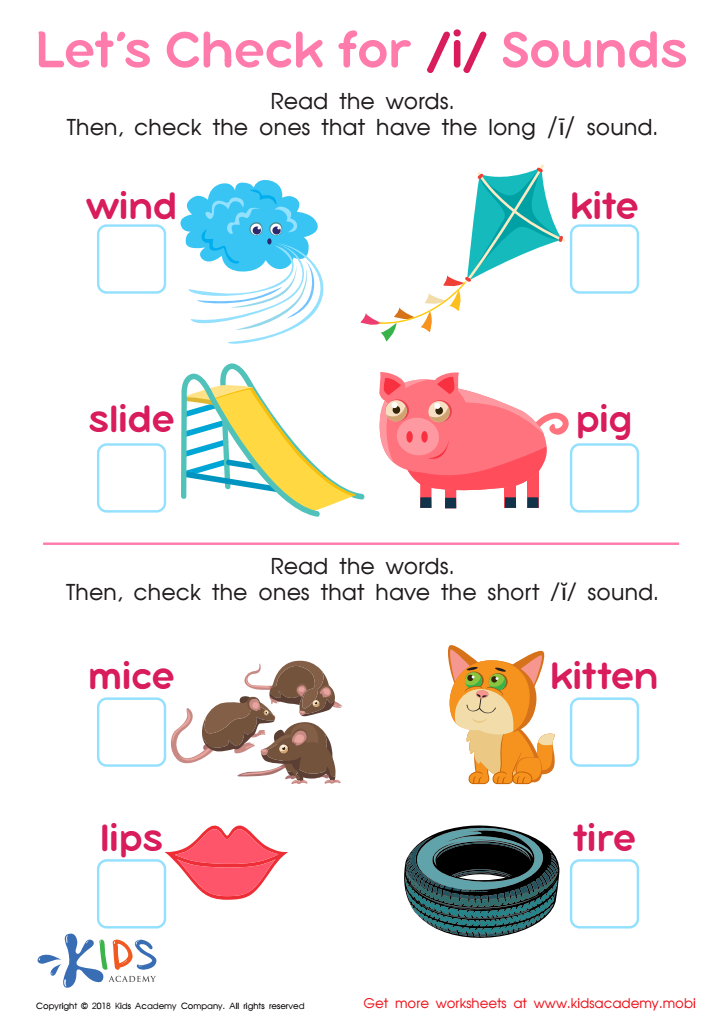
    This fun worksheet with pictures boosts phonics skills - differentiating between long «ī» and short «i» sounds in 1- and 2-syllable words. Kids use picture clues to read words, then check off the correct ones. It's a great way for new readers to practice early reading skills and find success on their own.
    Let's Check for «i» Sounds Worksheet
    Worksheet
    Hungry Dragon Worksheet

    Hungry Dragon Worksheet

    Hungry Dragon Worksheet

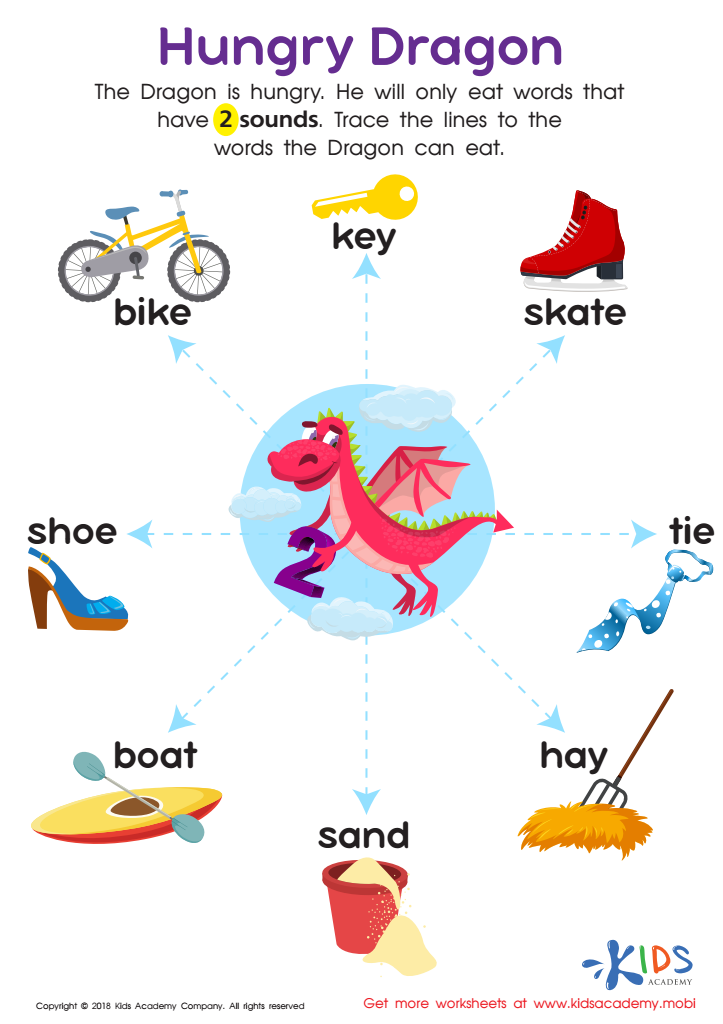
    Feed the dragon words and watch your child strengthen their phonological awareness and auditory discrimination skills! Download this free PDF for tracing exercises that build their fine motor skills too. Kids will love spending time with the cute dragon while they unwittingly learn reading skills!
    Hungry Dragon Worksheet
    Worksheet


    Normal letter sounds are fundamental to literacy development in children aged 7 to 9, making them a crucial focus for parents and teachers. At this stage, children transition from basic phonics to mastering reading and spelling complex words. Understanding normal letter sounds supports this process by enhancing their phonemic awareness—the ability to hear, identify, and manipulate sounds, which is vital for deciphering unfamiliar words.

    Parents and teachers play a pivotal role in reinforcing these sounds through engaging activities and effective reading strategies. When children grasp normal letter sounds, they can decode words more confidently and develop fluency, which in turn fosters comprehension. Improved reading skills positively impact academic performance across subjects since reading is foundational in mathematics, science, and social studies.

    Moreover, a strong grasp of normal letter sounds can boost a child's motivation and self-esteem, as they experience success in reading and writing tasks. This competence encourages a lifelong love for learning. Therefore, by emphasizing normal letter sounds, parents and teachers can not only aid in their child’s literacy development but also promote a sense of accomplishment, paving the way for future academic and personal success. Engaging with these sounds is essential for building a solid foundation for effective communication skills.