Phonics Skills Normal Long And Short Vowel Worksheets for Ages 7-9
6 filtered results
-
From - To
Unlock your child's reading potential with our engaging Phonics Skills Worksheets, tailored for ages 7-9! Focused on distinguishing long and short vowels, these worksheets help reinforce essential phonetic concepts through fun, interactive activities. Designed to cater to diverse learning styles, each worksheet promotes phonemic awareness, ensuring early readers build a strong foundation in literacy. Whether at home or in the classroom, our easy-to-use resources make learning enjoyable. Ideal for supplementing lessons or as practice exercises, these worksheets guide your child in mastering vowel sounds, paving the way for confident reading and writing skills. Explore our collection and spark a love for learning today!
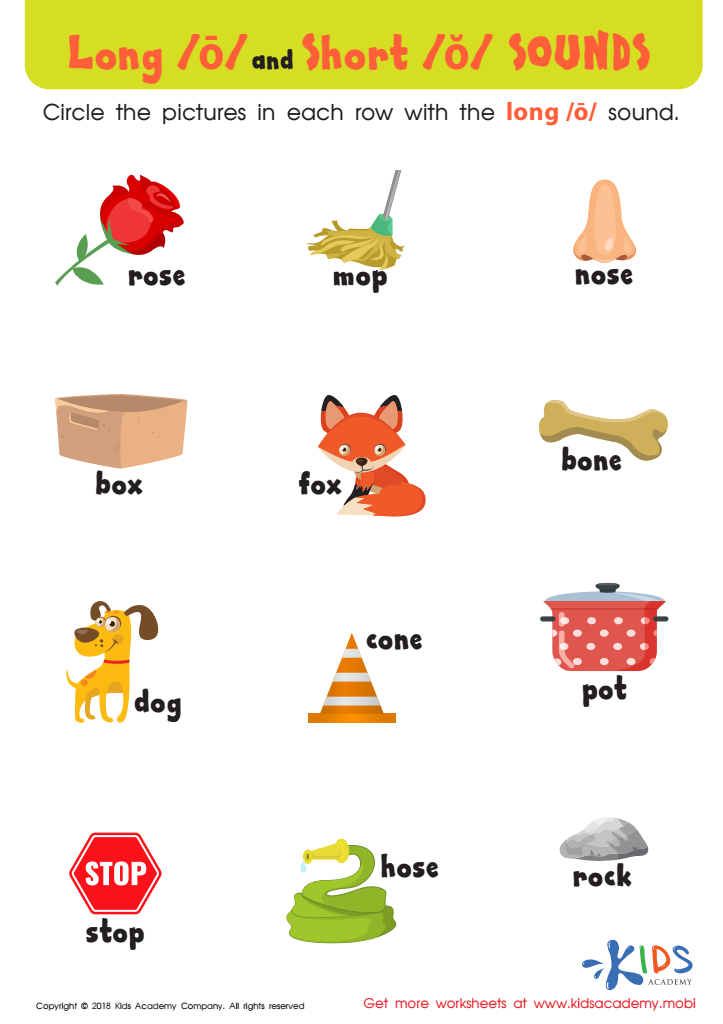
Reading: Long O and Short O Sounds Worksheet
 Assign to My Students
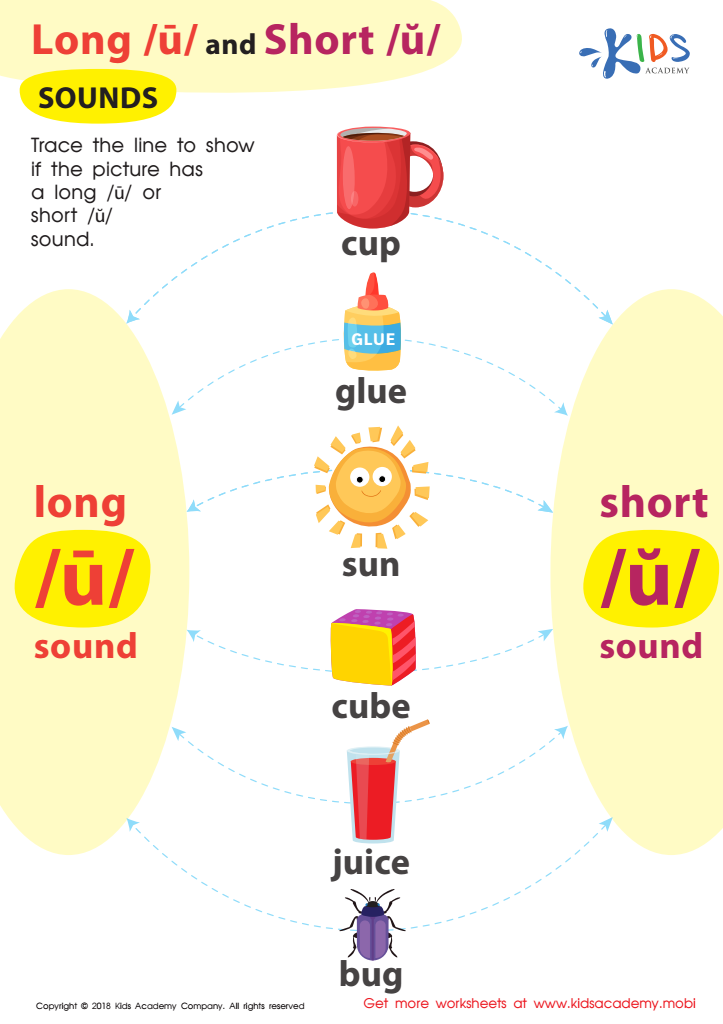
Reading: Long U and Short U Sounds Worksheet
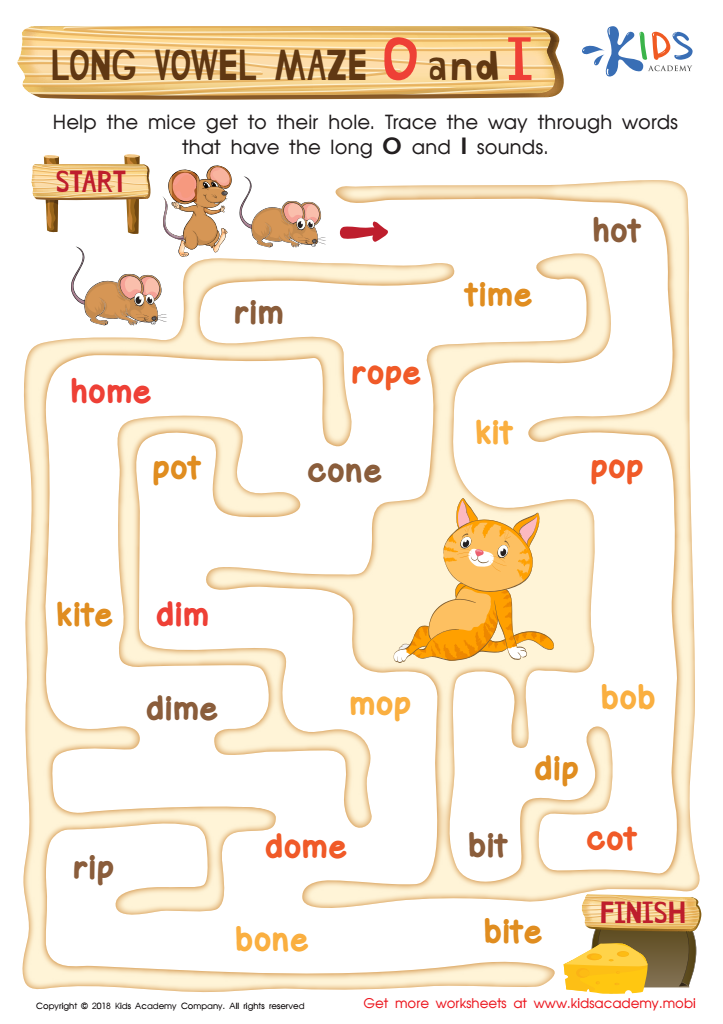
Long Vowel Maze /o/ and /i/ Worksheet
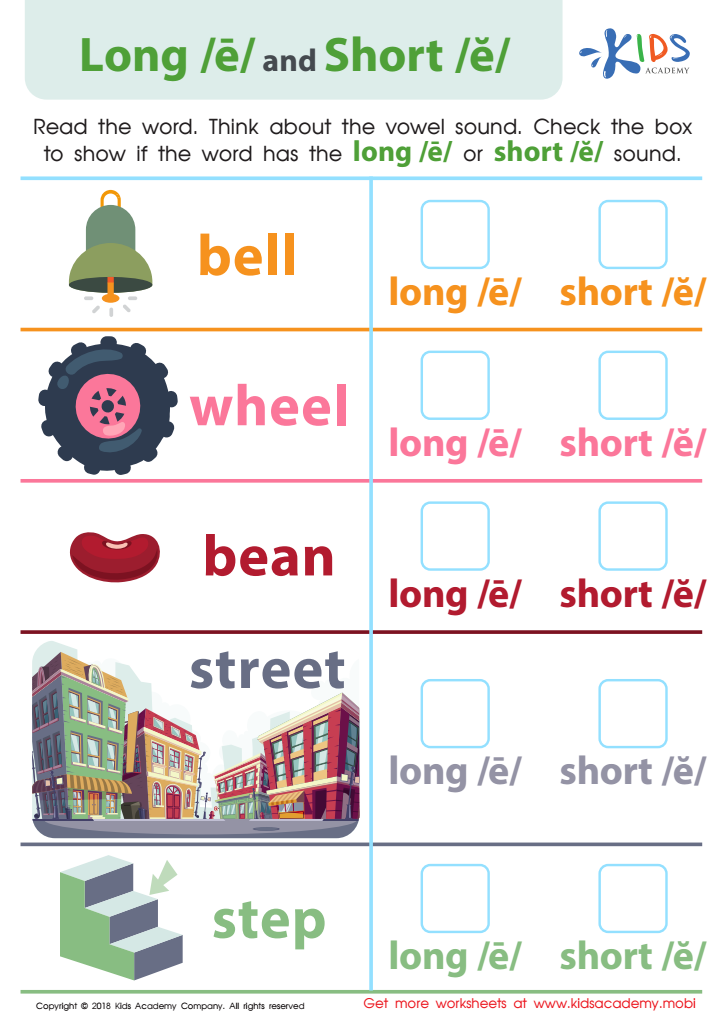
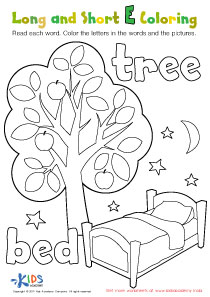
Reading: Long E and Short E Worksheet
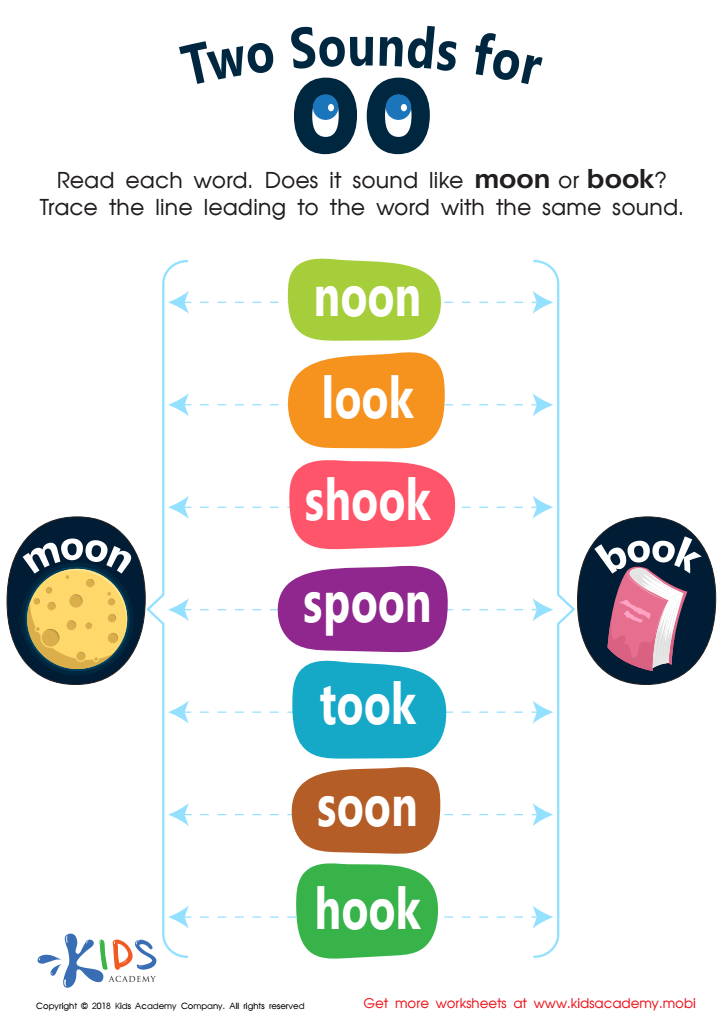
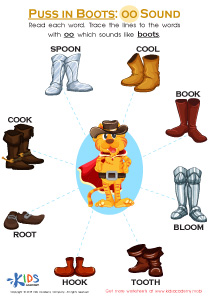
Two Sounds for OO Worksheet
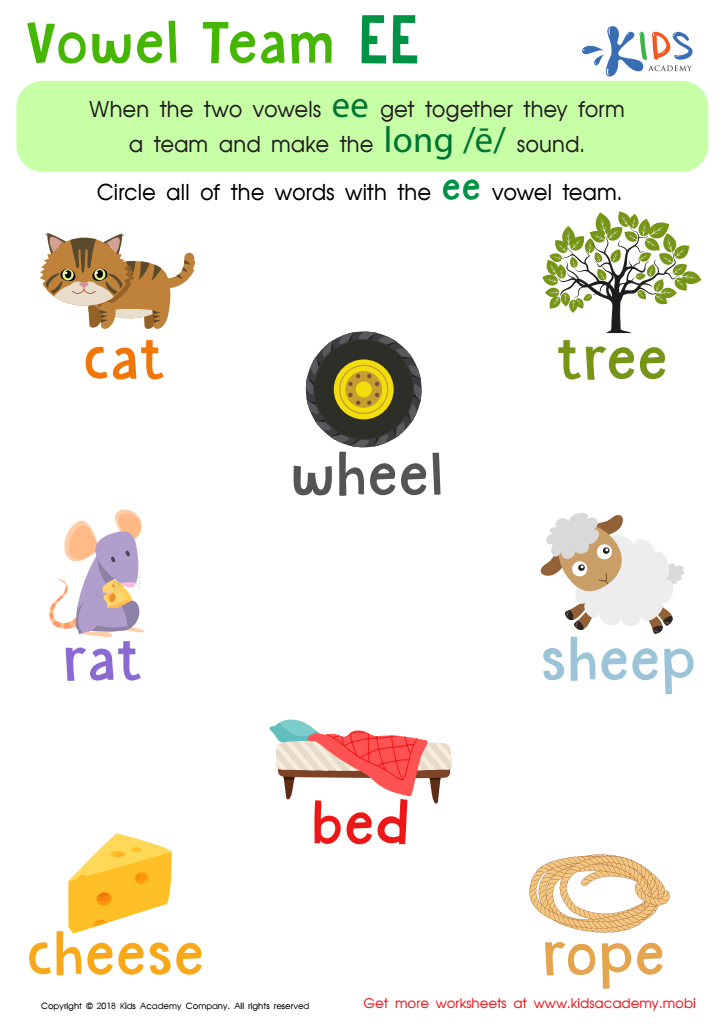
Reading: Vowel Team EE Worksheet




Phonics skills, particularly understanding long and short vowels, are crucial for children ages 7-9 as they form the foundation of reading and writing abilities. At this age, children begin to encounter more complex words, and a solid grasp of vowel sounds aids in decoding and spelling. Long and short vowels help children differentiate between words like "bat" and "bait," which is essential for reading fluency and comprehension.
For teachers and parents, fostering phonics skills can enhance a child's overall literacy development, boosting their confidence and enthusiasm for reading. As children successfully navigate new vocabulary, they are more likely to engage with texts, resulting in increased academic performance across subjects.
Moreover, understanding vowel sounds assists in faster identification of unfamiliar words, enabling children to tackle reading assignments or homework with ease. Phonics knowledge also promotes critical thinking, as students learn to analyze vowel patterns and word structures.
Finally, strong phonics skills are linked to lifelong learning; children with proficient reading abilities are more likely to pursue higher education and expand their knowledge throughout their lives. Hence, prioritizing phonics skills in their educational journey is an investment in their future success as learners and communicators.