Reading fluency Normal Long Vowels Worksheets for Ages 7-9
3 filtered results
-
From - To
Enhance your child's reading fluency with our engaging "Long Vowels Worksheets" designed specifically for ages 7-9. These worksheets focus on normal long vowel sounds, helping young learners recognize and articulate these essential phonetic components. Through a variety of fun activities, children will practice reading in context, build their vocabulary, and boost their confidence as they develop crucial literacy skills. Each worksheet is thoughtfully created to cater to diverse learning styles, ensuring every child thrives. Perfect for teachers and parents alike, these resources will make learning about long vowels an exciting part of your child's reading journey!
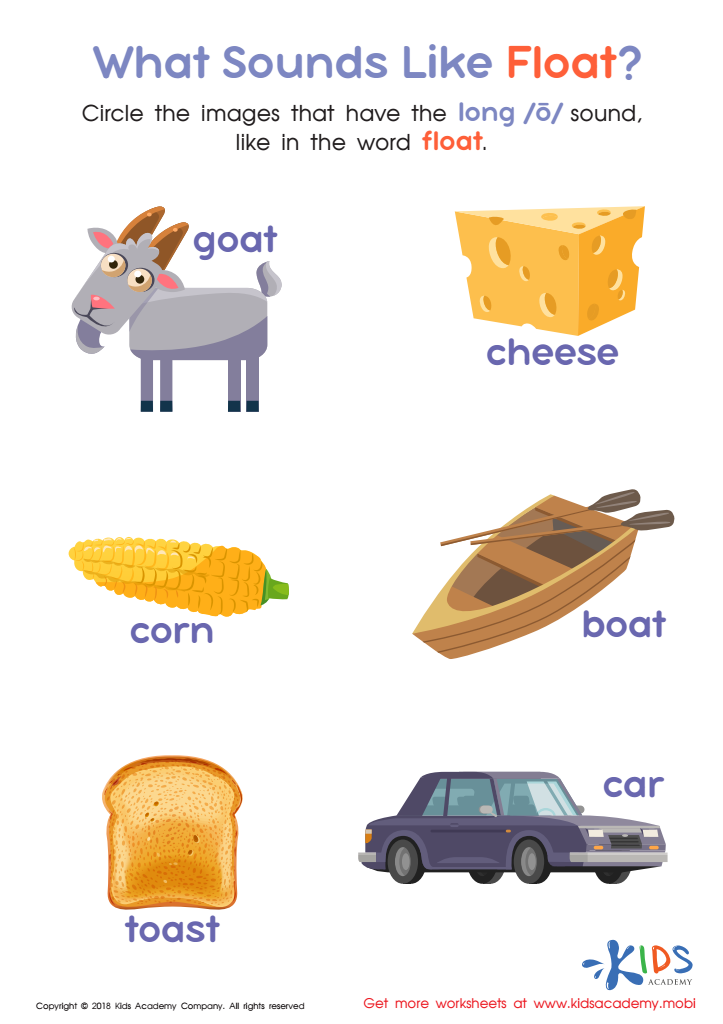
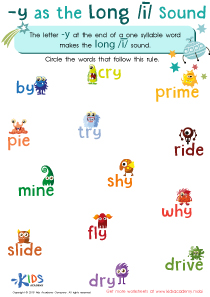
What Sounds Like Float? Worksheet
 Assign to My Students
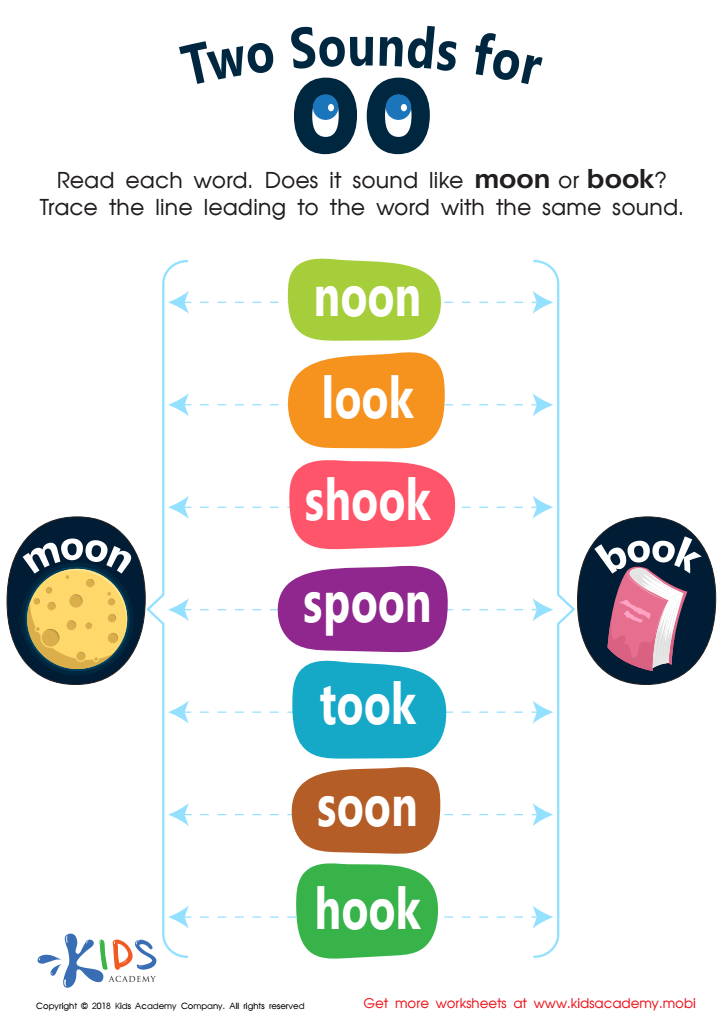
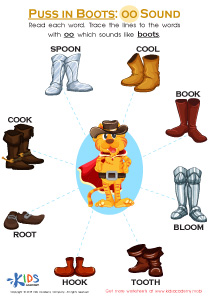
Two Sounds for OO Worksheet
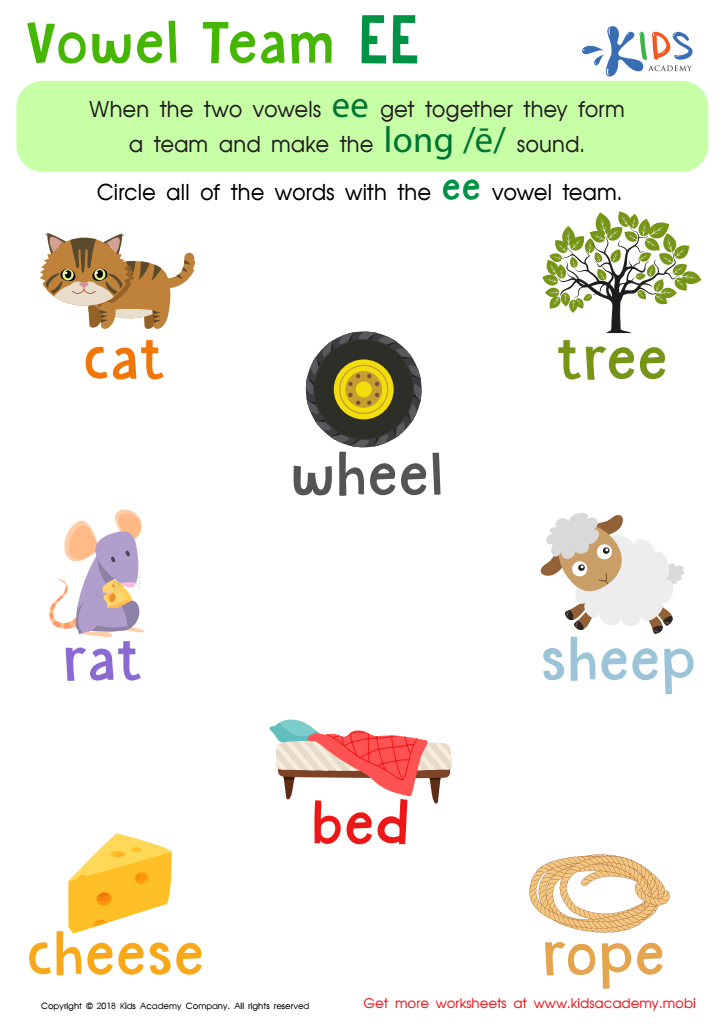
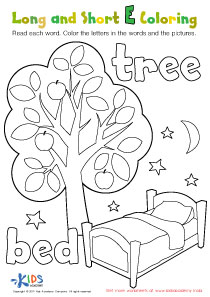
Reading: Vowel Team EE Worksheet



Reading fluency, particularly with normal long vowels, is crucial for children aged 7-9 as it lays the foundation for overall literacy development. At this age, students are transitioning from learning to read to reading to learn. Proficient reading fluency, which includes recognizing and accurately pronouncing long vowel sounds, enables students to decode more complex texts confidently.
Parents and teachers should care about this aspect of reading because fluency directly impacts comprehension. When children are fluent readers, they spend less cognitive energy on decoding words and can focus instead on grasping the meaning of what they read. This shift is vital for their academic success across subjects, as many curricula rely heavily on reading comprehension.
Furthermore, mastering long vowels plays a key role in vocabulary development. Understanding these sounds helps children read and pronounce a wider array of words, enhancing their ability to express themselves effectively.
Additionally, strong reading fluency contributes to a child’s self-esteem and motivation. As children gain confidence in their reading abilities, they are more likely to engage with books, fostering a lifelong love of reading. Thus, prioritizing reading fluency in early education is essential for fostering future academic success and a love for literacy.