Reading fluency Normal Long Vowels Worksheets for Ages 6-7
3 filtered results
-
From - To
Boost your child's reading skills with our "Reading Fluency Normal Long Vowels Worksheets" designed for ages 6-7. These engaging worksheets focus on helping young readers master long vowels, enhancing pronunciation and fluency. Each activity offers fun exercises to practice vowel sounds in common words, fostering a smoother, more confident reading experience. Perfect for home or classroom use, these are an essential tool for developing strong foundational reading skills. Download today from Kids Academy and watch as your child's fluency and enthusiasm for reading soar.
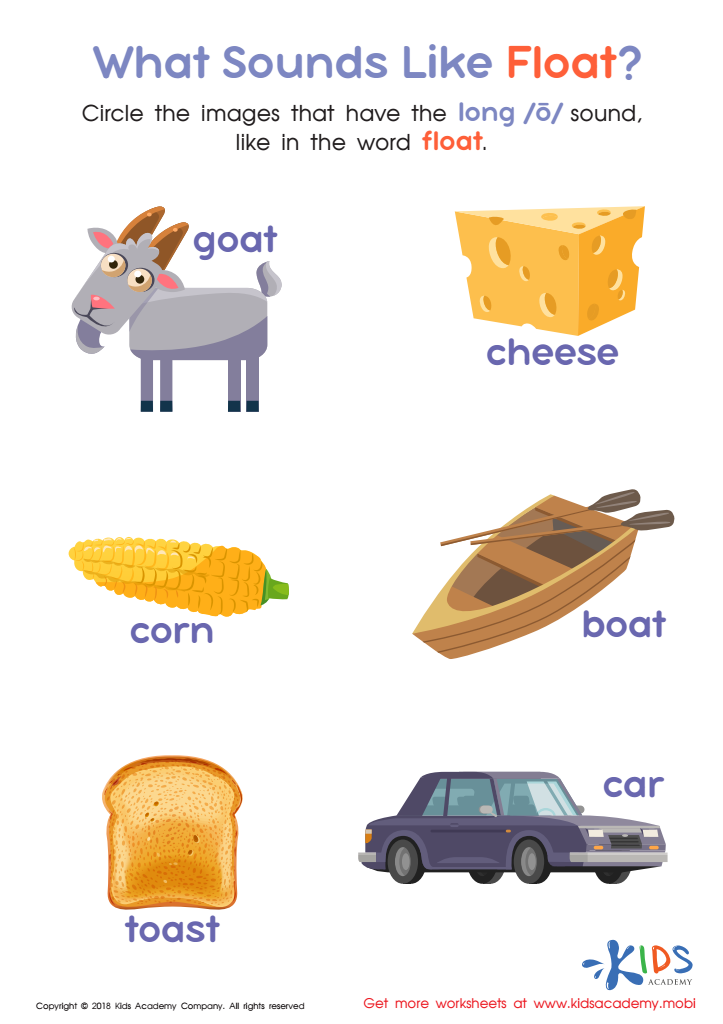
What Sounds Like Float? Worksheet
 Assign to My Students
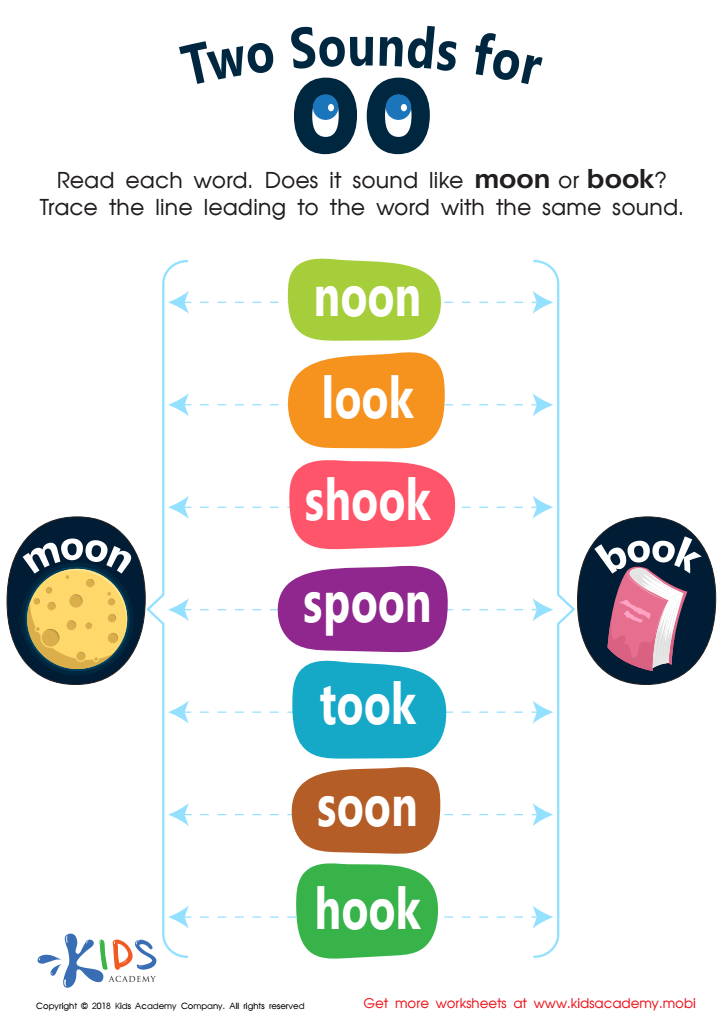
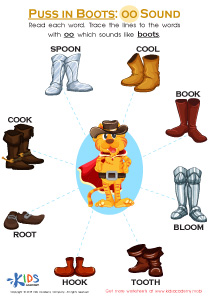
Two Sounds for OO Worksheet
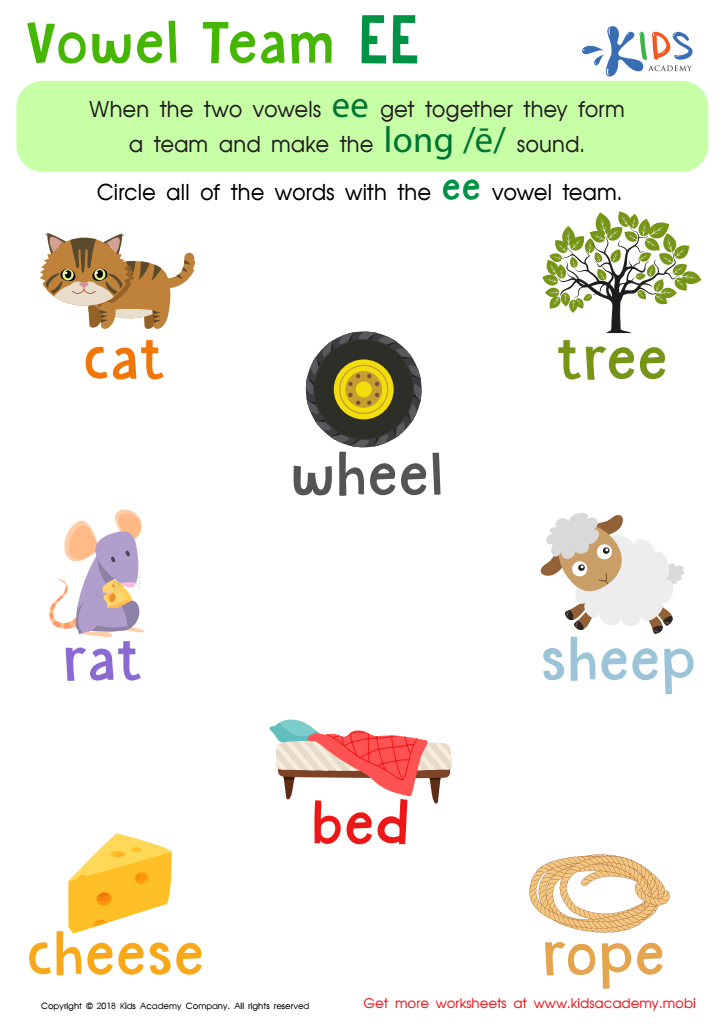
Reading: Vowel Team EE Worksheet



Reading fluency, particularly in recognizing and pronouncing long vowels, is a crucial milestone for children aged 6-7. At this developmental stage, mastery of reading fluency not only aids in accurate word recognition but also contributes significantly to comprehension, a key component of overall literacy. Long vowels, which are vowels that say their name (e.g., "a" in "cake" or "i" in "pie"), often pose a challenge to young readers because they break away from the simpler sound patterns learned initially.
When children become fluent in reading long vowels, they can focus less on decoding words letter-by-letter and more on understanding the meaning of the text. This shift greatly enhances their confidence and enjoyment of reading, which can instill a lifelong love of books. Additionally, reading fluently makes children more comfortable with complex syllables, reducing frustration and allowing for greater independence in their reading efforts.
For teachers and parents, supporting the development of reading fluency in long vowels means incorporating appropriate instructional strategies such as phonics games, decodable texts, and read-alouds that emphasize these sounds. Engagements like these scaffold learning, reinforcing both the skill and enthusiasm for reading. By promoting fluency in reading long vowels, caregivers set a strong foundation for a child’s future academic success and enthusiastic engagement with literature.