Reading development Normal Phonics Worksheets for Ages 7-9
3 filtered results
-
From - To
Unlock your child's reading potential with our "Normal Phonics Worksheets" designed specifically for ages 7-9. These engaging worksheets focus on key phonics skills that enhance reading development and comprehension. Tailored to support budding readers, the activities encourage letter recognition, sound blending, and vocabulary expansion. Whether at home or in the classroom, these worksheets provide fun, interactive learning experiences that keep children motivated. Teachers, parents, and caregivers can seamlessly integrate phonics practice into daily routines, ensuring foundational literacy skills are mastered. Explore our collection now and inspire a love for reading through effective phonics exercises that make learning enjoyable!
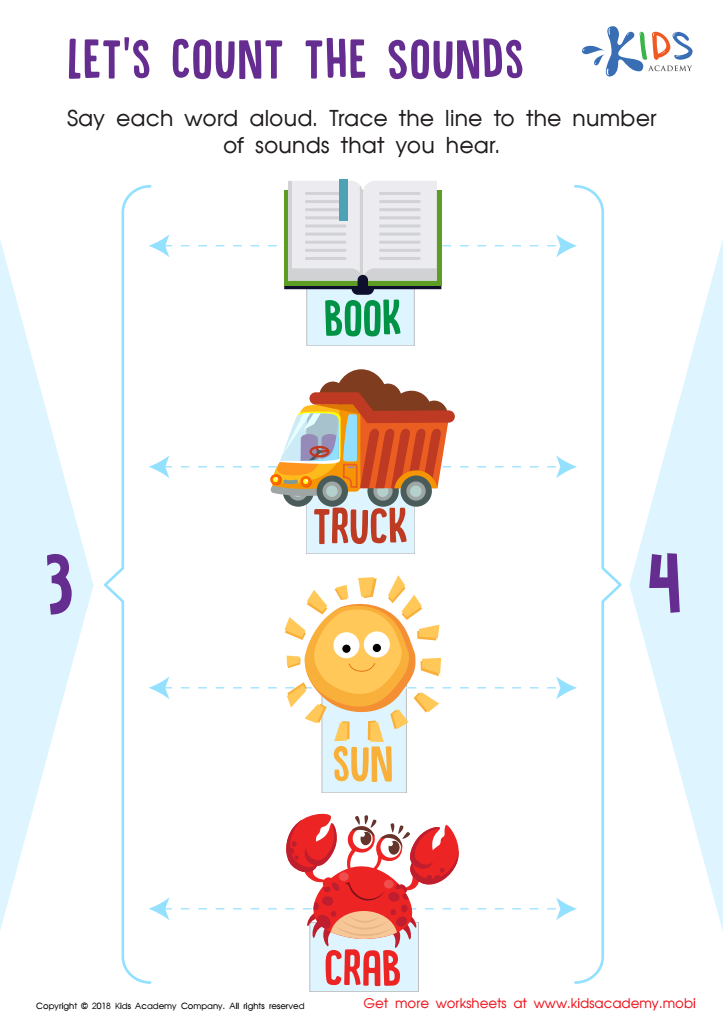
Let's Count the Sounds Worksheet
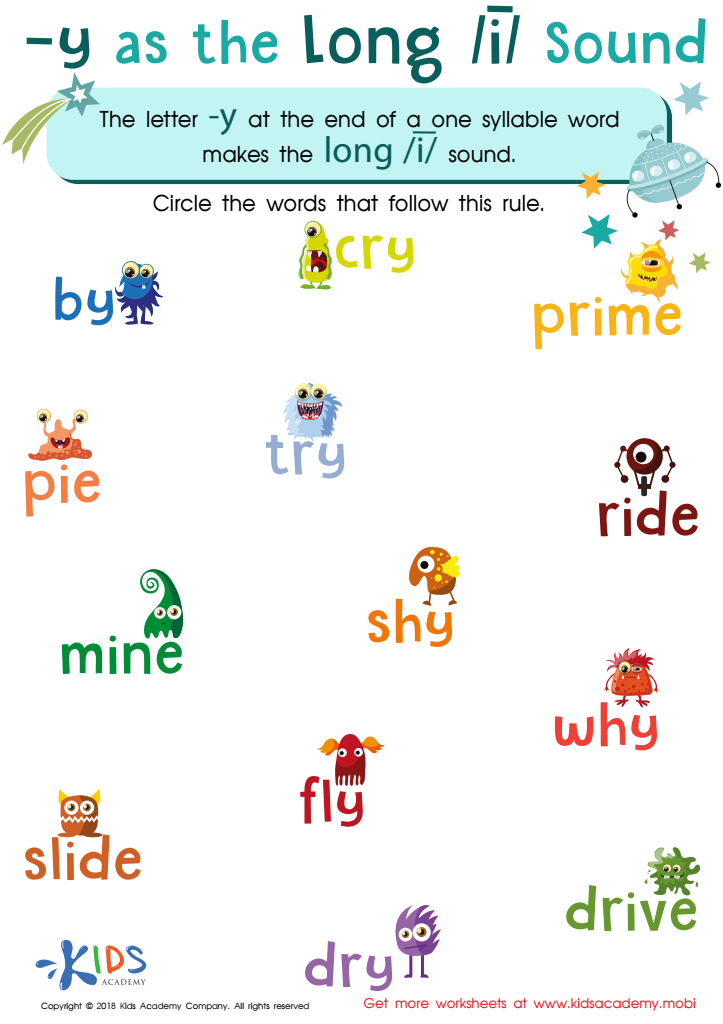
Reading: Y as Long I Worksheet
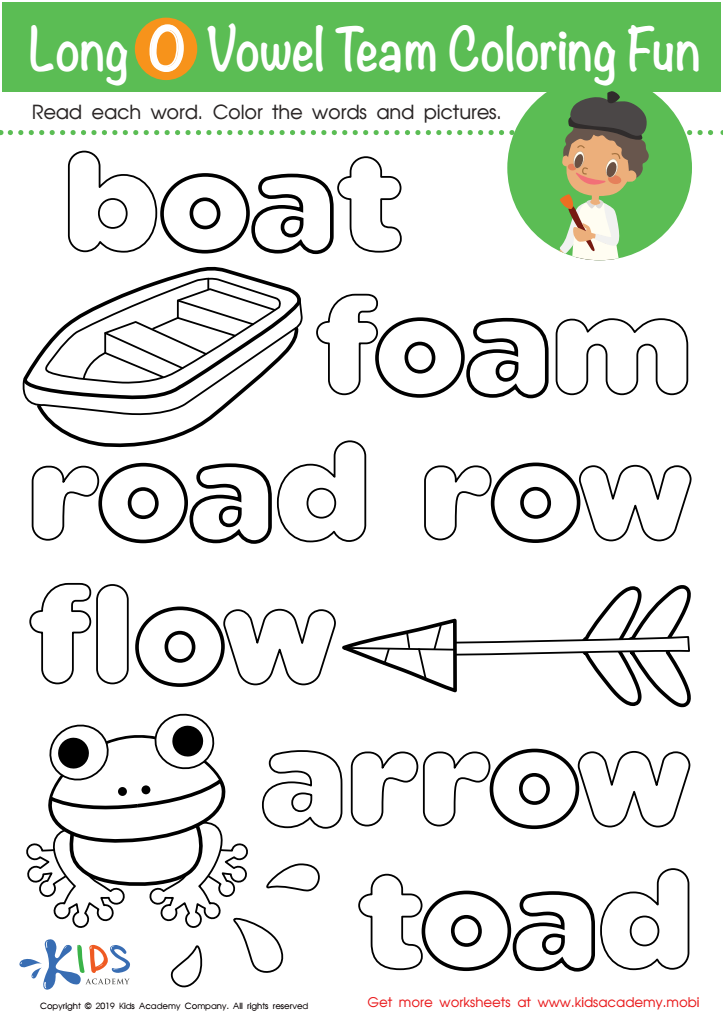
Long O Vowel Team Coloring Worksheet
 Assign to My Students








Parents and teachers should care about reading development and phonics for children aged 7-9 because this is a crucial period for literacy skills that lays the foundation for future academic success. During these years, children transition from learning to read to reading to learn, making reading proficiency essential for understanding complex subjects across the curriculum. Normal phonics instruction helps children decode words, recognize patterns in language, and improve their spelling—all vital for effective communication.
Moreover, phonics promotes fluency and comprehension, enabling children to engage with texts at a deeper level. When children understand how sounds correlate to letters and letter combinations, they gain the confidence to tackle unfamiliar words independently, fostering a love for reading.
Additionally, strong reading skills contribute to emotional and social development, as children can connect with stories and ideas across cultures. Parents and teachers have a unique opportunity to encourage positive reading habits and provide a supportive learning environment that can stimulate curiosity and motivation.
Investing time in phonics education helps ensure that children become proficient readers, empowering them to navigate their world successfully and opening doors to lifelong learning.







