Phonics Skills Normal Short Vowels Worksheets for Ages 7-9
5 filtered results
-
From - To
Enhance your child's reading and spelling abilities with our "Phonics Skills Normal Short Vowels Worksheets" designed for ages 7-9. These engaging and educational worksheets focus on mastering short vowel sounds, a foundational aspect of phonics. Each activity is crafted to strengthen their understanding of vowel patterns in words, helping them recognize and pronounce short vowels with confidence. Perfect for both classroom and home use, these worksheets provide a fun and interactive way to develop essential literacy skills. Foster your child’s love for reading and give them the tools they need for phonics success with our expertly designed resources.
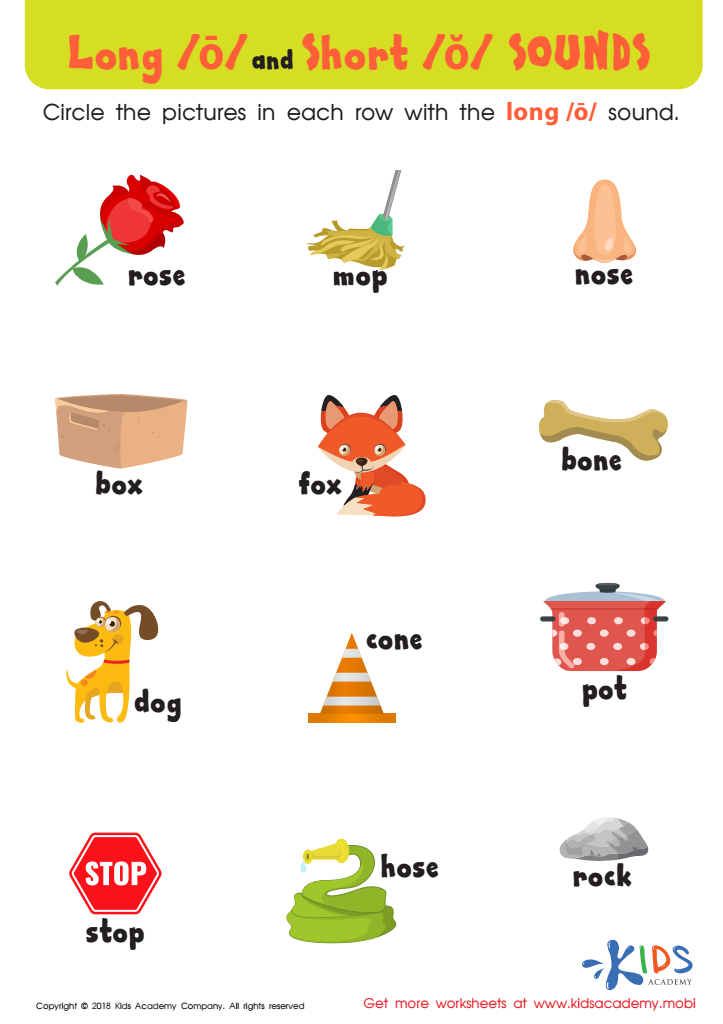
Reading: Long O and Short O Sounds Worksheet
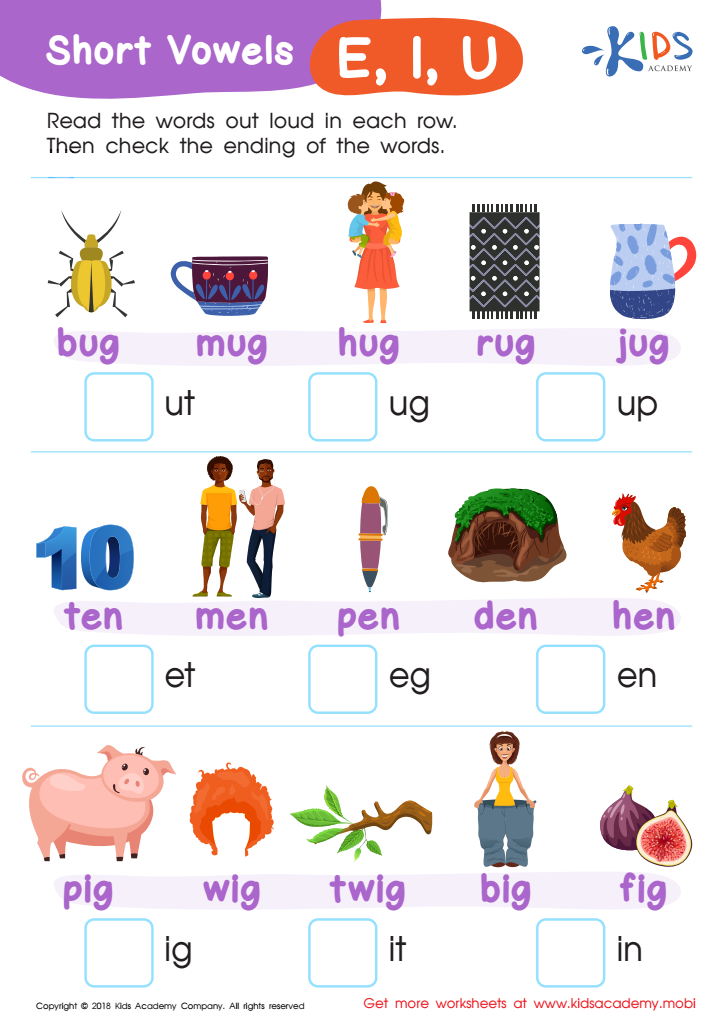
Short Vowels /e/, /i/, and /u/ Worksheet
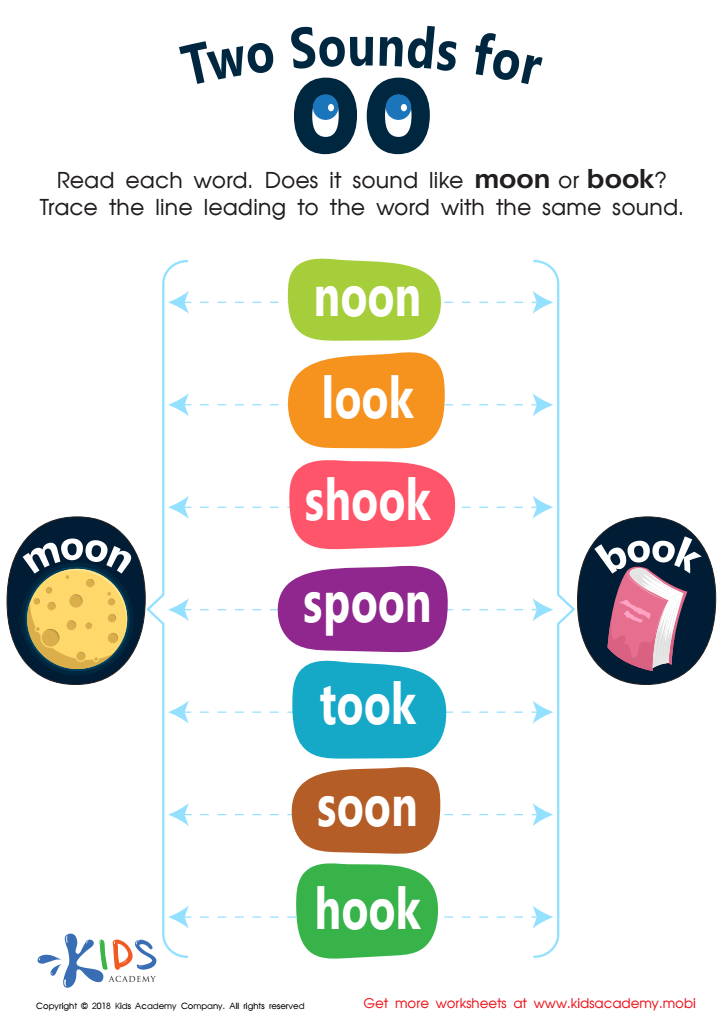
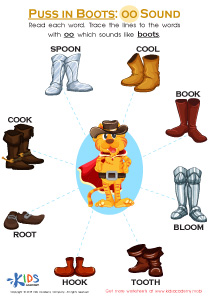
Two Sounds for OO Worksheet
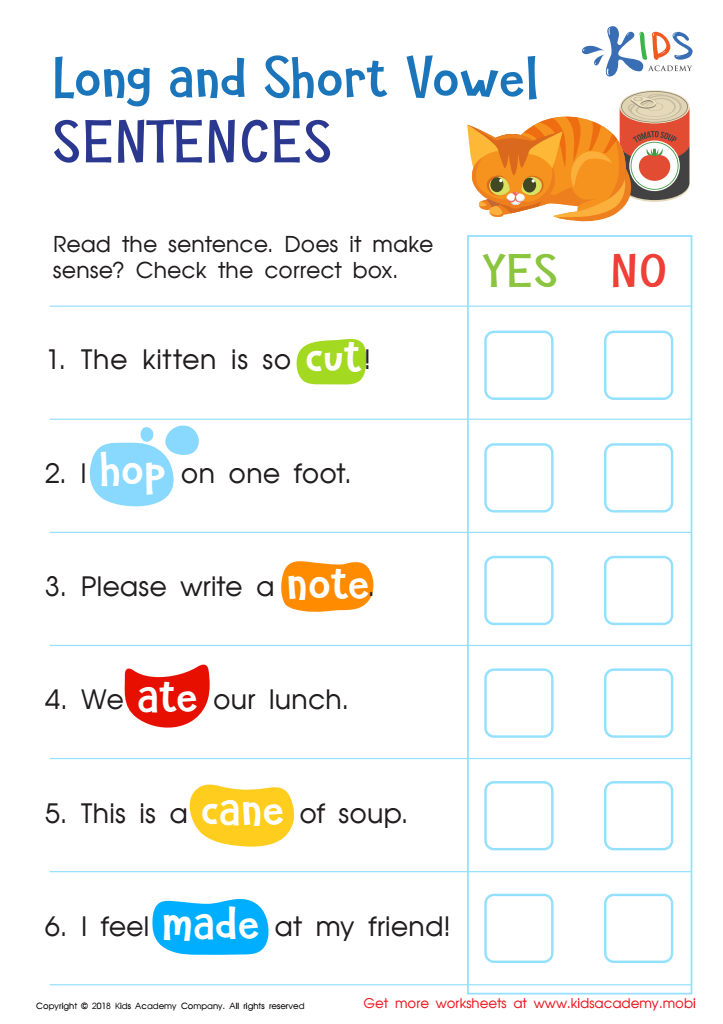
Long and Short Vowel Sentences: Assessment Worksheet

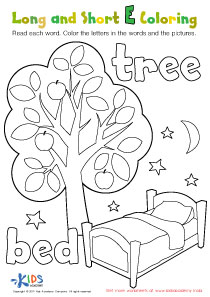
Long and Short E Worksheet
 Assign to My Students



Phonics skills are the foundation of reading and literacy, making them crucial for children aged 7-9. During these formative years, kids transition from learning to read to reading to learn. Normal short vowel sounds (like the sounds "a" in "cat," "e" in "pen," "i" in "pig," "o" in "pot," and "u" in "jug") are fundamental components of phonics instruction. Understanding these sounds helps children decode new words independently, enhancing their confidence and proficiency in reading.
Being adept at recognizing short vowel sounds enables children to tackle increasingly complex texts, fostering better comprehension skills. This ability correlates strongly with future academic success, as reading becomes a primary tool for learning across various subjects. Moreover, strong phonics skills can mitigate the risk of future reading difficulties, which can affect self-esteem and enthusiasm for learning.
For parents and teachers, emphasizing phonics skills in early education creates a robust literacy foundation. Activities such as interactive read-alouds, phonics games, and phonics worksheets make learning phonics engaging and effective. By caring about and investing in phonics instruction, both at home and in the classroom, adults equip children with the essential tools they need to unlock lifelong learning and academic achievement.