Directional skills Normal Worksheets for Ages 7-9
3 filtered results
-
From - To
Unlock the potential of your child's navigational abilities with our "Directional Skills Normal Worksheets for Ages 7-9." Tailored to enhance spatial awareness and understanding of directional concepts, these worksheets provide engaging and age-appropriate activities. Through fun tasks and stimulating exercises, children will learn to follow instructions, recognize left from right, and improve their map reading skills. Perfect for classroom or home use, these printable resources foster critical thinking and boost confidence in young learners. Equip your 7-9 year old with essential directional skills that pave the way for academic success and everyday navigation!
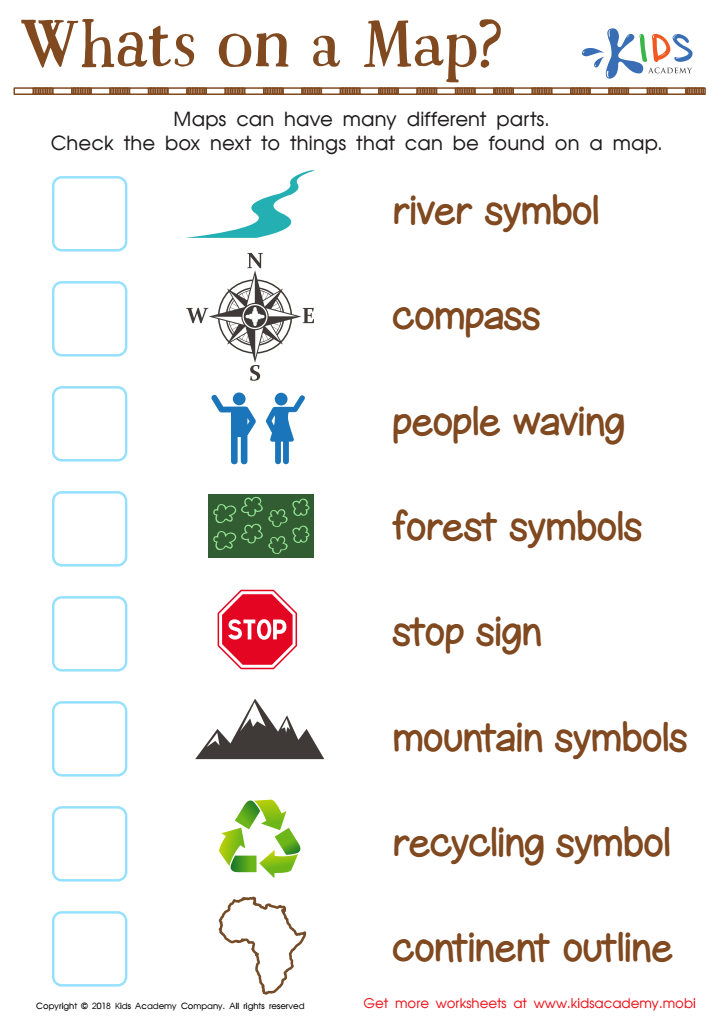
Whats on a Map? Worksheet
 Assign to My Students
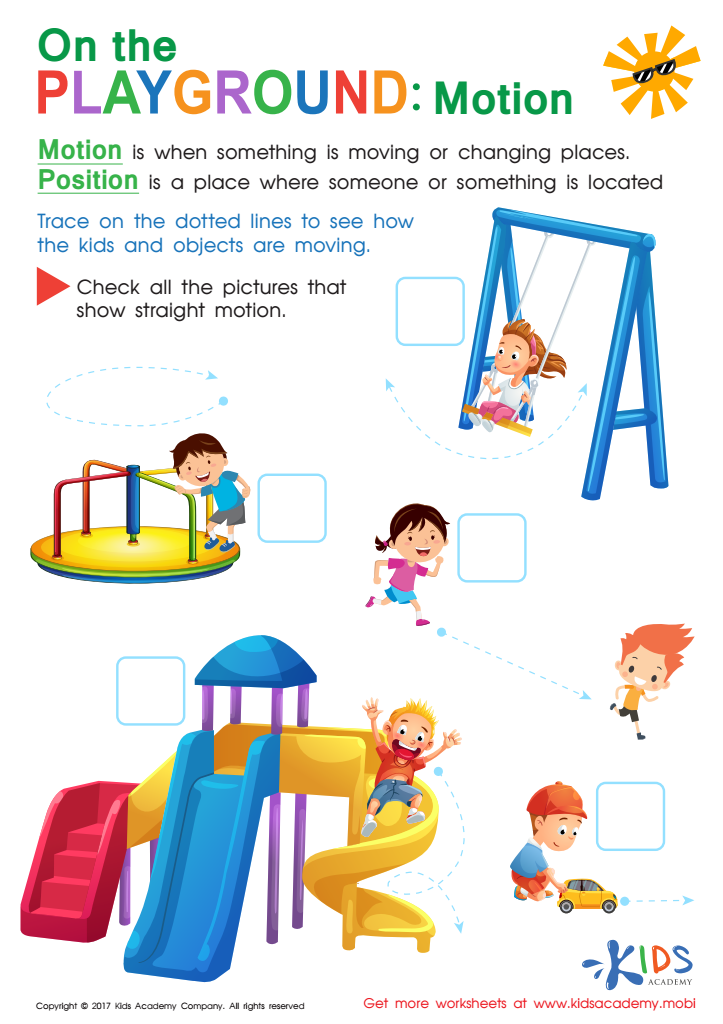
Position and Motion Worksheet
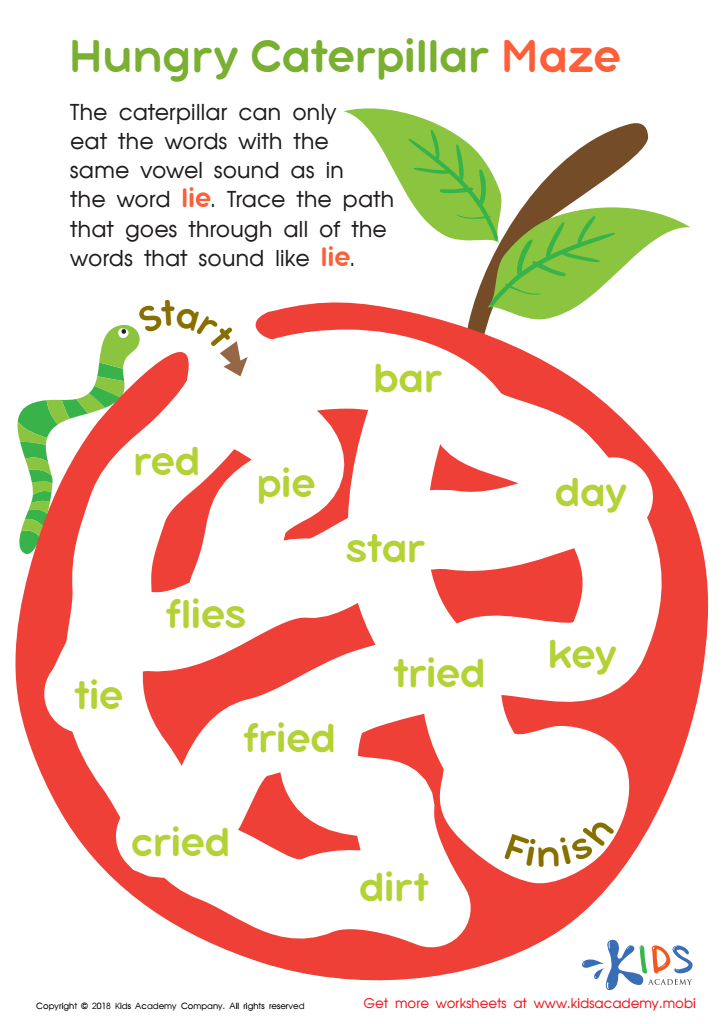
Hungry Caterpillar Maze Worksheet




.jpg)



Developing directional skills in children ages 7-9 is crucial for multiple aspects of their growth. These skills—which include understanding left from right, navigating space, and following directions—are foundational for academic success and daily activities. Strong directional skills enhance spatial awareness, a critical component for mathematics and problem-solving tasks. For instance, understanding what "left" and "right" mean helps children grasp geometry concepts and improves their ability to read maps and graphs.
In reading and writing, directional skills are equally important. Children need to follow the left-to-right convention and top-to-bottom progression to read fluently and comprehend textual material effectively. Poor directional understanding can lead to challenges in literacy, manifesting as confusion with letter or number orientation, impacting reading accuracy and speed.
Moreover, these skills are paramount for safety and independence. They enable children to follow navigation instructions, recognize traffic signs, and safely perform daily routines like crossing the street or finding their way in unfamiliar locations.
Social and recreational activities often involve directional understanding. Whether following game rules, engaging in sports, or participating in team activities, children with solid directional skills are better equipped to interact harmoniously and confidently with peers.
Overall, nurturing directional skills not only supports academic proficiency but also ensures children carry out everyday tasks with greater competence and safety.








