Enhancing problem-solving abilities Normal Worksheets for Ages 7-9
3 filtered results
-
From - To
Unlock the potential of young minds with our "Enhancing Problem-Solving Abilities: Normal Worksheets for Ages 7-9." Designed to bolster critical thinking, these worksheets offer a fun and engaging way for kids to develop essential problem-solving skills. Each activity promotes logical reasoning, strategic thinking, and creativity, transforming challenges into exciting learning experiences. As children navigate stimulating puzzles and tasks, they gain confidence and improve their analytical abilities, preparing them for real-world scenarios. Ideal for both classroom and home use, these worksheets become an integral part of a child’s educational journey, fostering a love for problem-solving and lifelong learning.
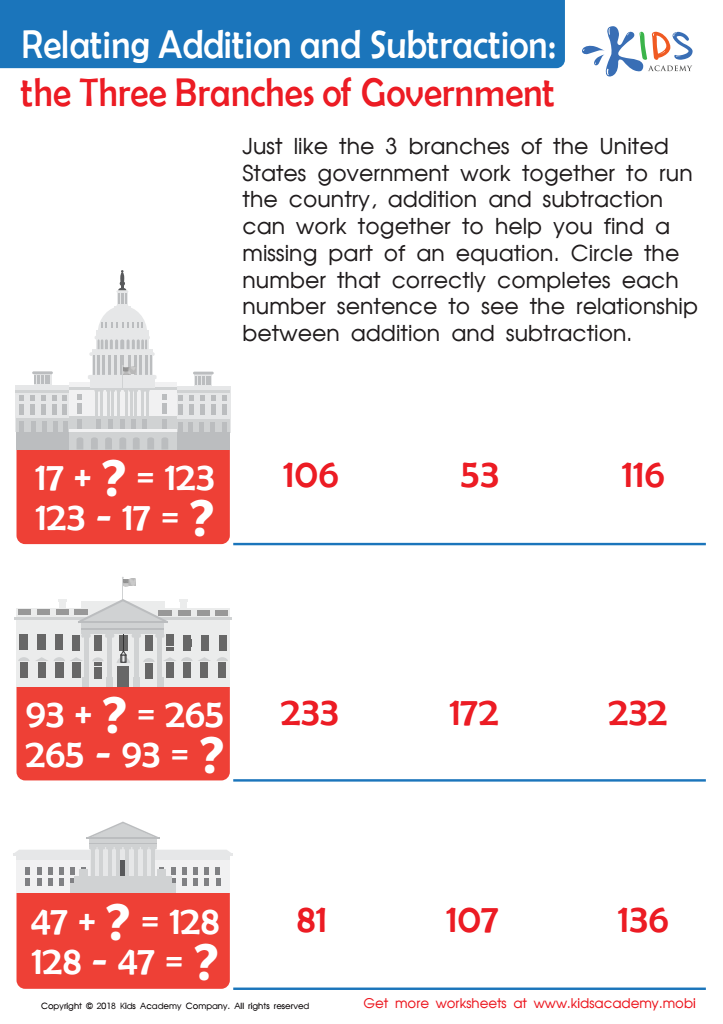
The Three Branches of Government Worksheet
 Assign to My Students
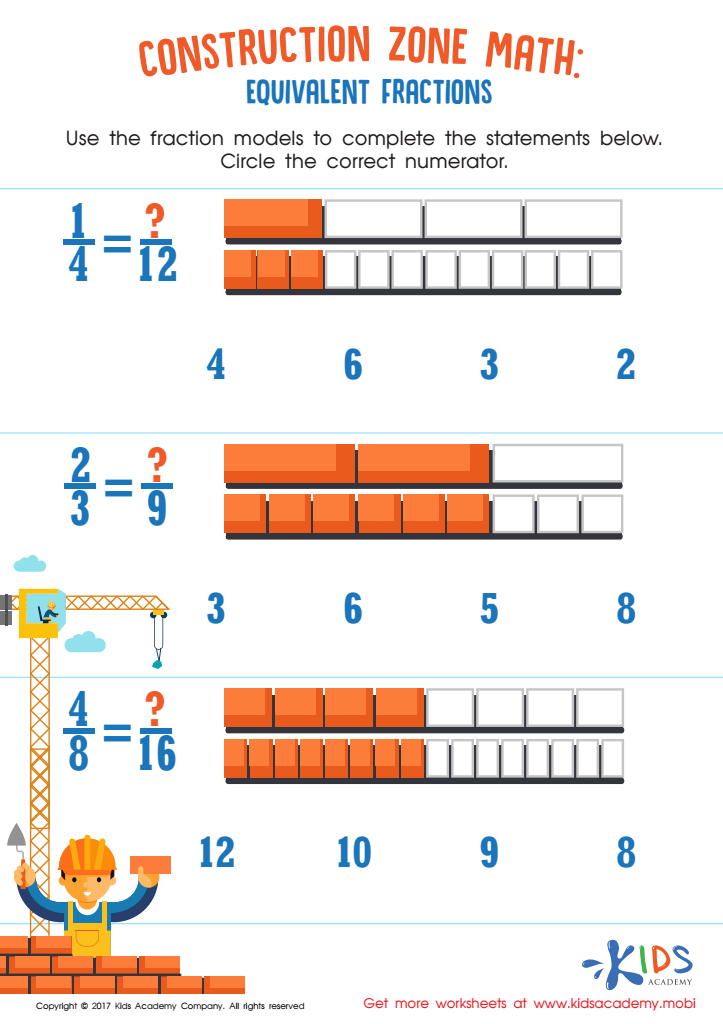
Equivalent Fractions Worksheet
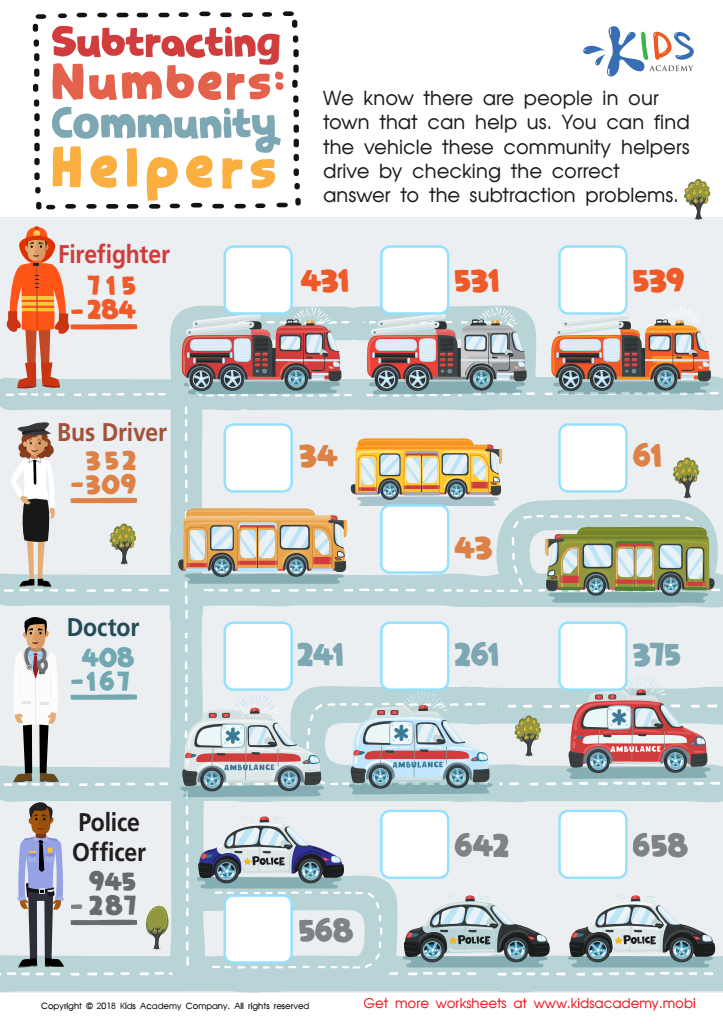
Subtracting Numbers: Community Helpers Worksheet




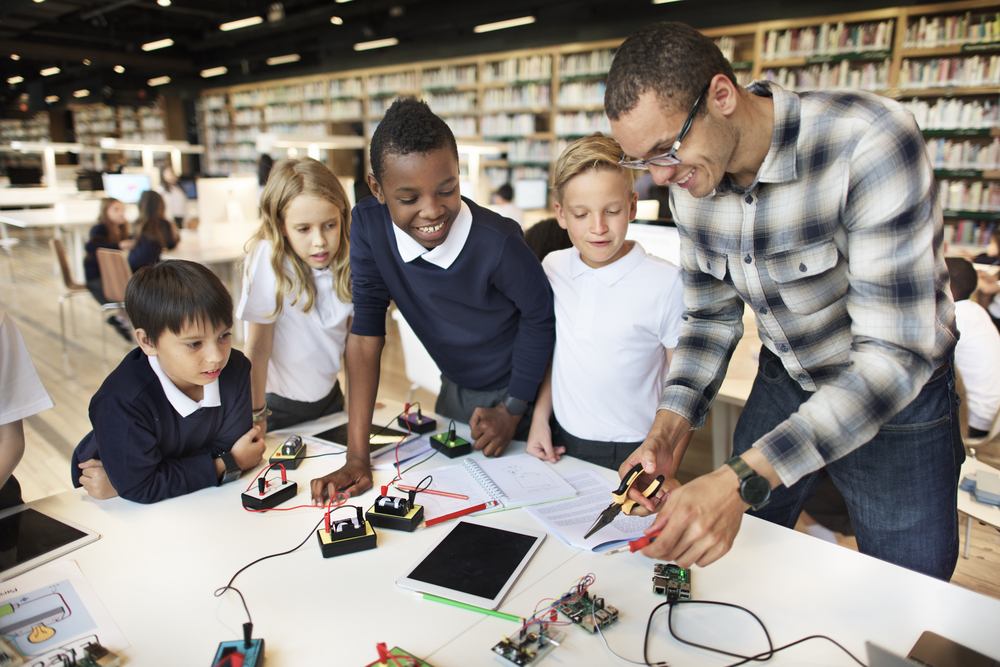


Enhancing problem-solving abilities in children aged 7-9 is crucial for their cognitive and emotional development. At this formative stage, their brains are highly adaptable and receptive to learning new skills. When parents and teachers focus on cultivating problem-solving abilities, they equip children with the tools to navigate challenges, both academic and personal, confidently.
Problem-solving skills foster critical thinking, enabling children to evaluate situations, identify possible solutions, and make sound decisions. This not only enhances their academic performance across subjects but also encourages a love for learning as they feel more competent and less intimidated by difficult tasks. In addition, these skills promote creativity and innovation, encouraging kids to think outside the box and come up with novel solutions.
On a social and emotional level, strong problem-solving abilities help children build resilience. When they successfully navigate problems, they gain a sense of accomplishment and self-assurance, which is vital for their self-esteem. Furthermore, this resilience helps them cope with setbacks and reduces anxiety, as they are better prepared to handle obstacles.
Lastly, in a world that increasingly values collaboration and teamwork, the ability to solve problems enhances communication and cooperation skills. Children learn to articulate their thoughts, listen to differing viewpoints, and work towards common goals, setting a strong foundation for future interpersonal relationships and professional success.








