Letter Tracing Practice Normal Worksheets for Ages 7-9
3 filtered results
-
From - To
Discover our engaging "Letter Tracing Practice Normal Worksheets" designed specifically for children aged 7-9. These printable worksheets help solidify handwriting skills while nurturing fine motor development. Through fun and interactive exercises, kids can practice tracing both uppercase and lowercase letters, improving their letter recognition and retention. Perfect for home or classroom learning, these worksheets include a variety of activities that keep young learners motivated and excited about writing. Supplement your child's education with valuable tools that promote creativity and confidence in their writing abilities. Start fostering a love for letters today with our thoughtfully crafted resources!
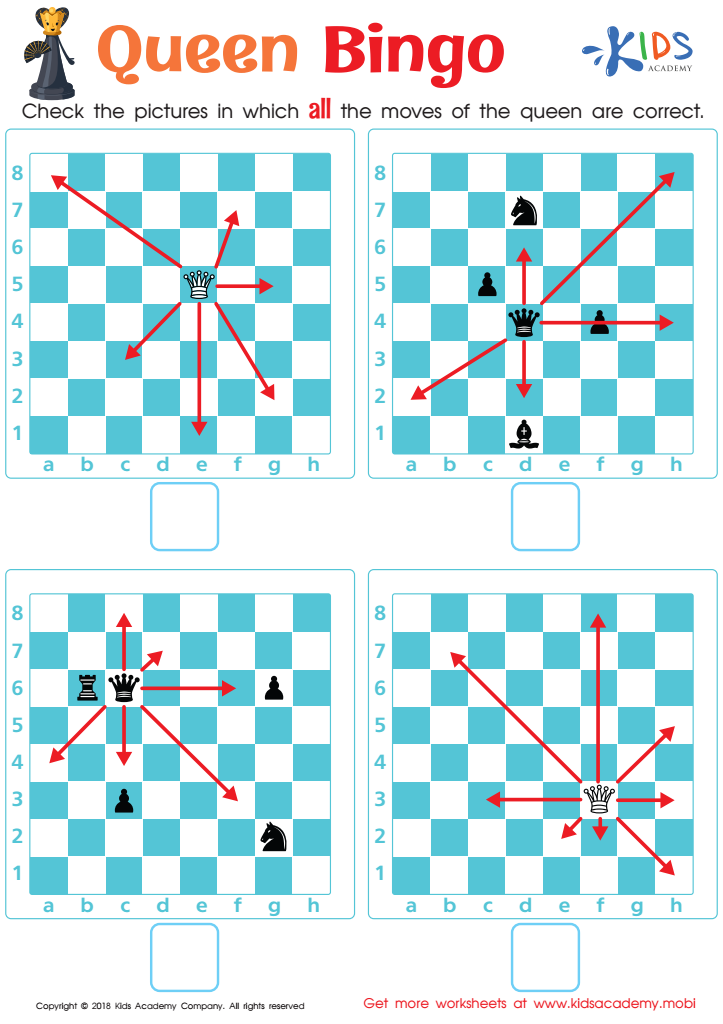
Queen Bingo Worksheet
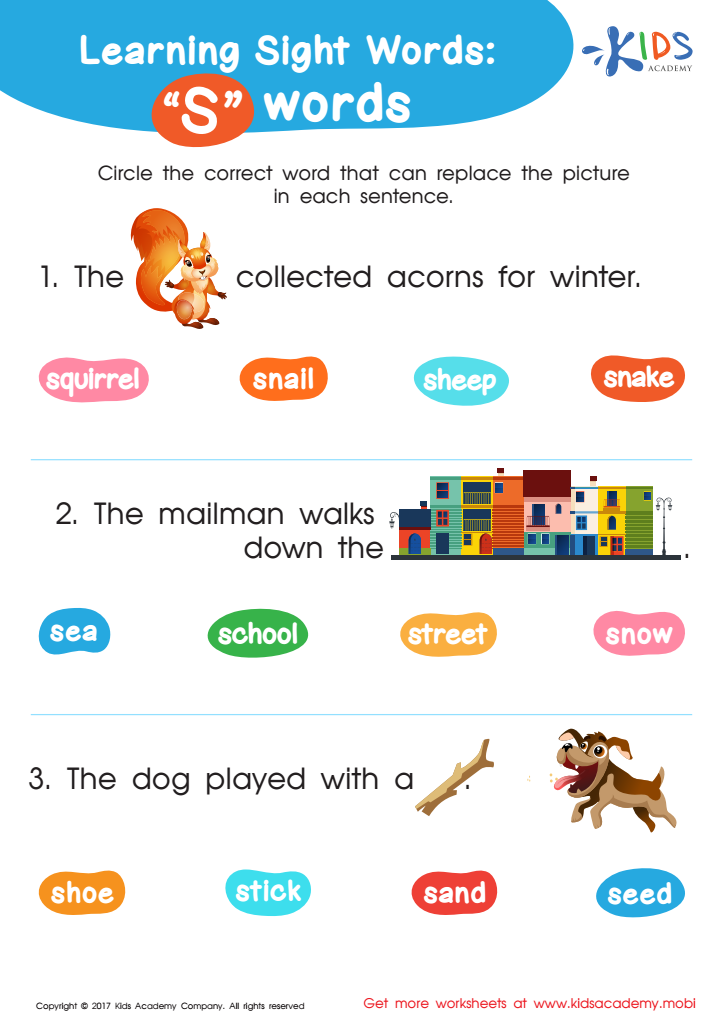
S Words Sight Words Worksheet
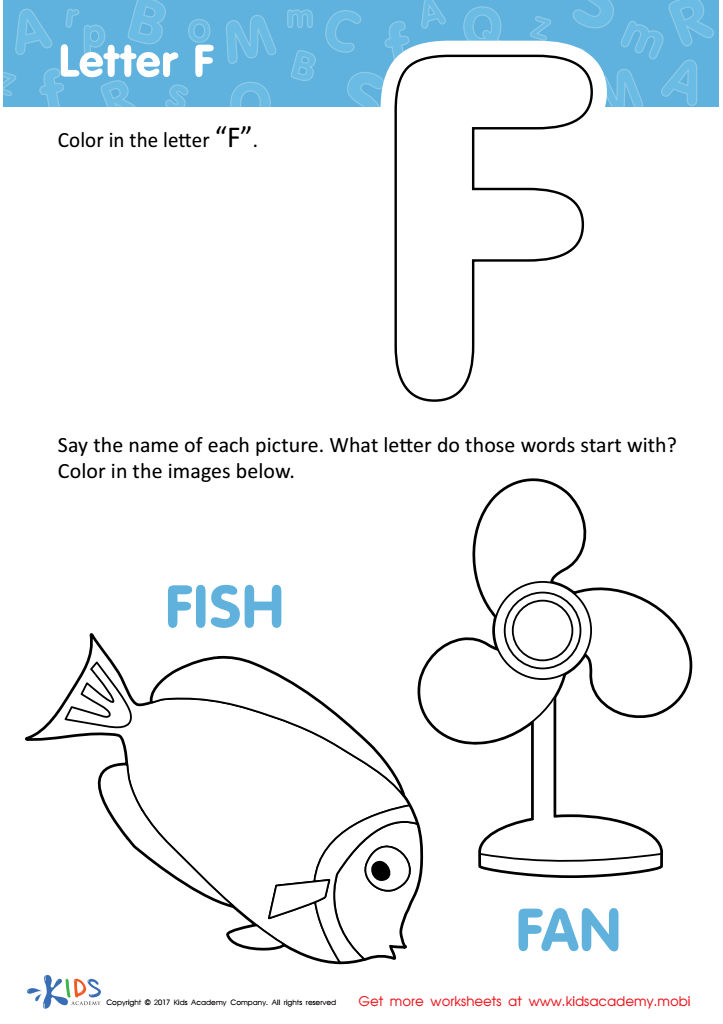
Letter F Coloring Sheet
 Assign to My Students







.jpg)
Letter tracing practice for children aged 7-9 is crucial for several reasons. At this stage, children are refining their writing skills, developing fine motor control, and enhancing their literacy abilities. Engaging in letter tracing activities helps solidify their understanding of letter formation and enhances their handwriting. This foundation is vital, as clear written communication is essential in both academic and everyday settings.
Furthermore, letter tracing can improve children’s confidence in their writing. Mastering the shapes and flows of letters enables them to express their thoughts and ideas more effectively. When students write proficiently, they are more likely to enjoy and engage with written activities, such as journaling or creative writing, which can positively impact their overall learning experience.
Moreover, this practice can support the development of memory skills. By tracing letters regularly, children reinforce their recognition and recall abilities, which are essential for reading and spelling. Lastly, incorporating fun, engaging activities during tracing can promote creativity and make learning enjoyable, fostering a positive attitude toward literacy. Therefore, parents and teachers should prioritize letter tracing exercises as a significant element of children's educational development, paving the way for lifelong learning and communication skills.








