Mathematical reasoning Normal Worksheets for Ages 7-9
16 filtered results
-
From - To
Explore our comprehensive collection of Mathematical Reasoning Normal Worksheets specifically designed for ages 7-9! These engaging worksheets aim to enhance critical thinking and problem-solving skills through interactive activities tailored for young learners. Covering various topics, such as shape recognition, simple addition and subtraction, and basic multiplication, our resources make learning math enjoyable. Each worksheet promotes active engagement, helping students develop a strong foundation in mathematical concepts. Ideal for classroom use or at-home practice, these worksheets support educators and parents in fostering a love for math while building essential reasoning skills. Start your child's journey to mathematical mastery today!
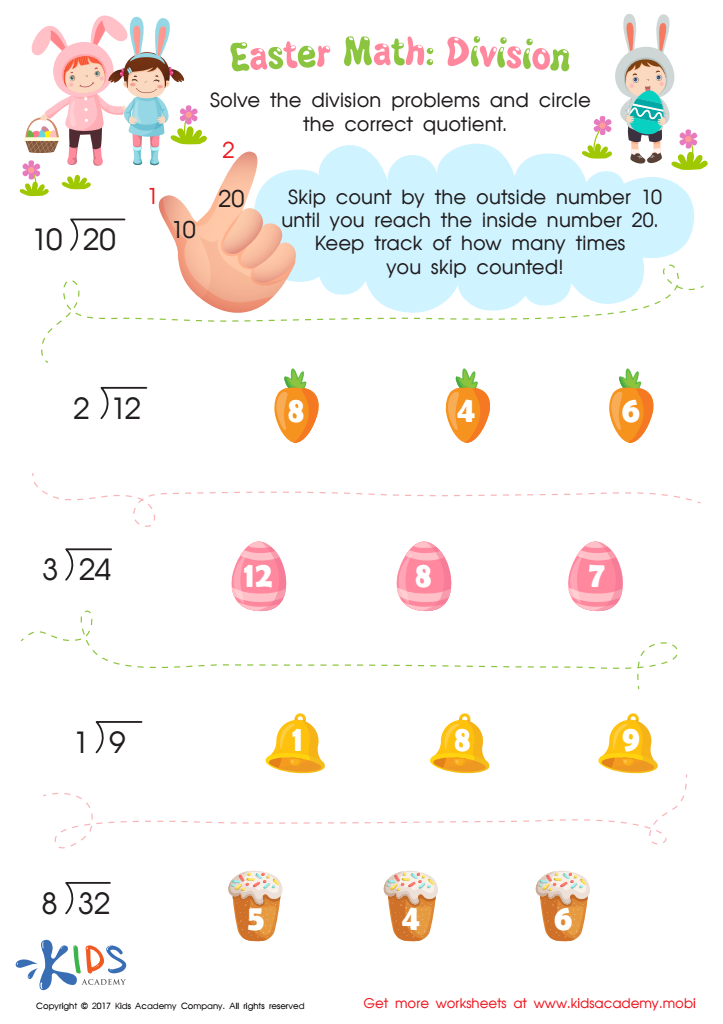
Division Worksheet
 Assign to My Students
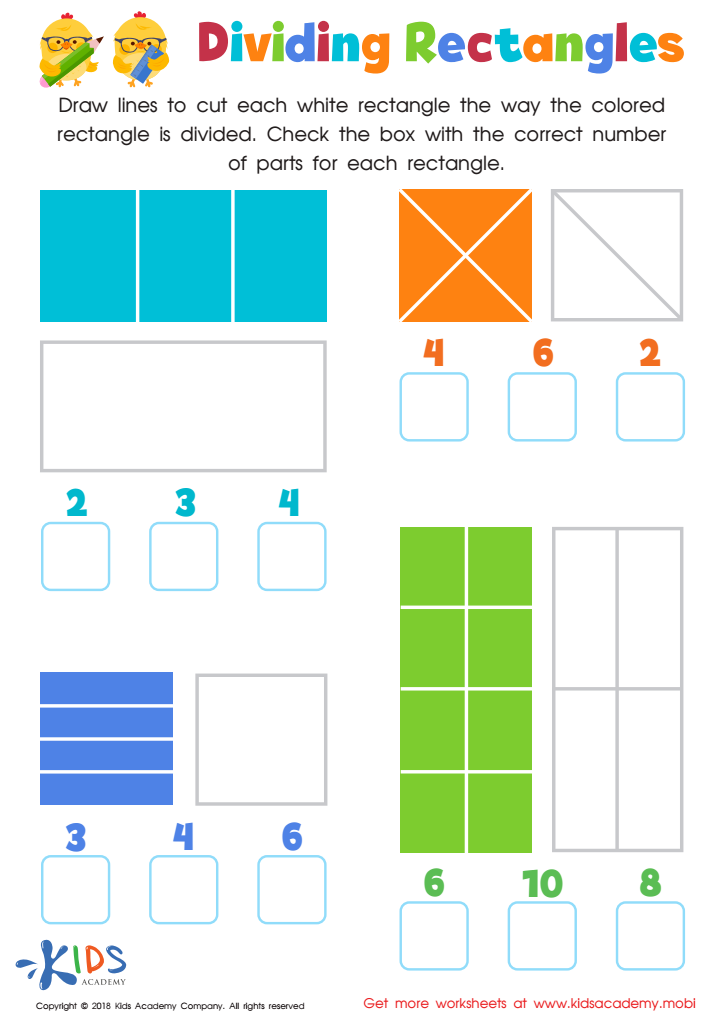
Dividing Rectangles Worksheet
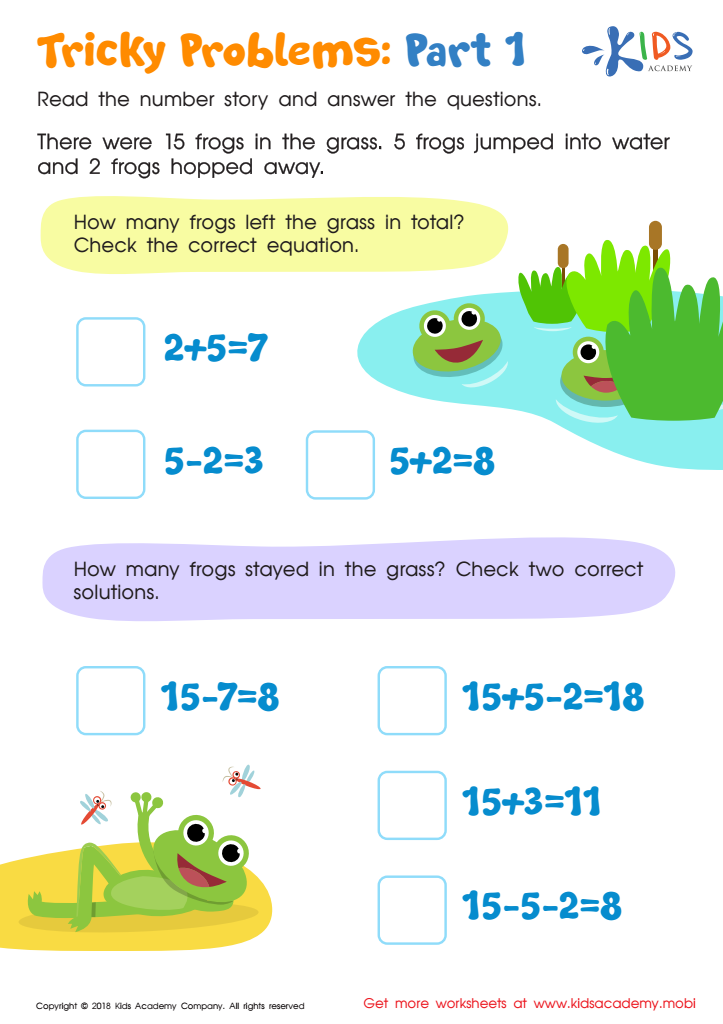
Tricky Problems Worksheet: Part 1
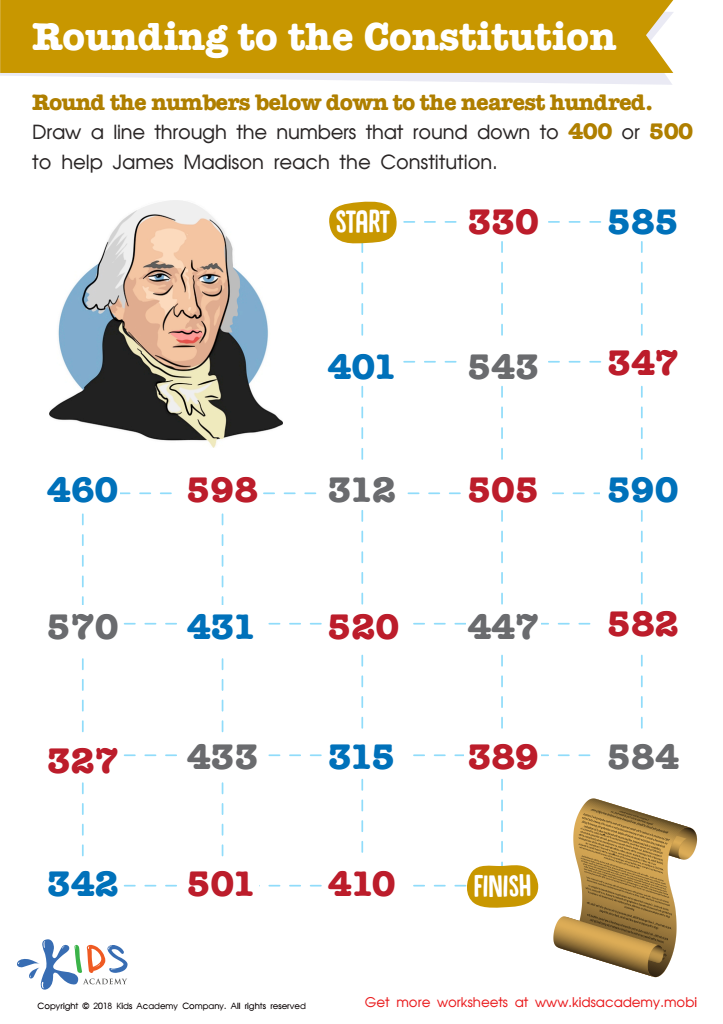
Rounding to the Constitution Worksheet
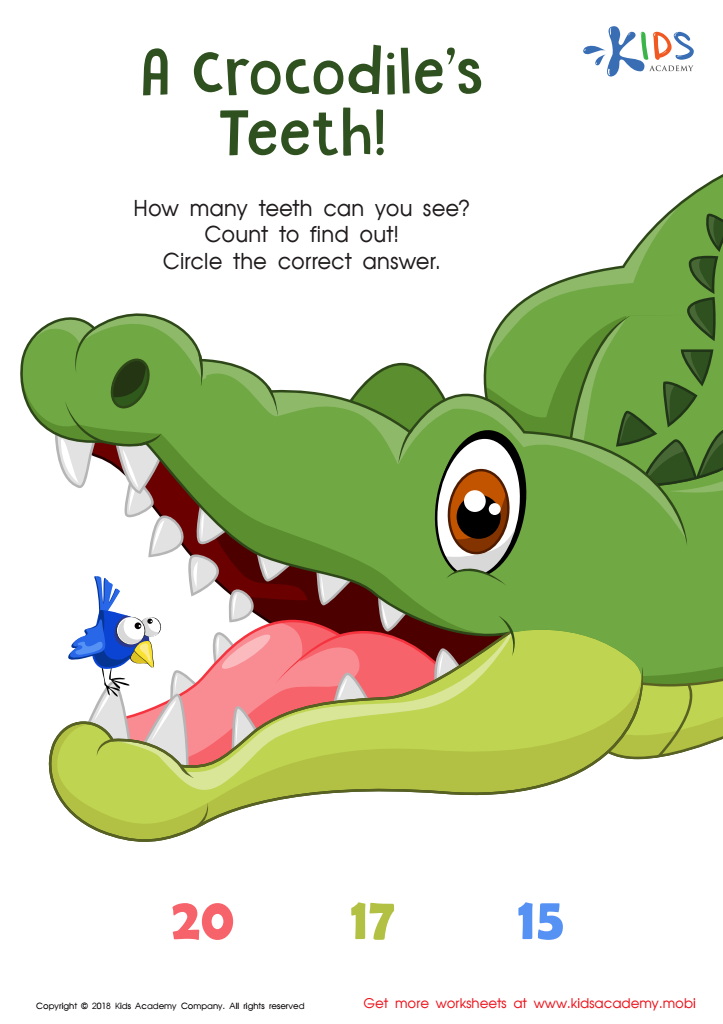
A Crocodile's Teeth Worksheet
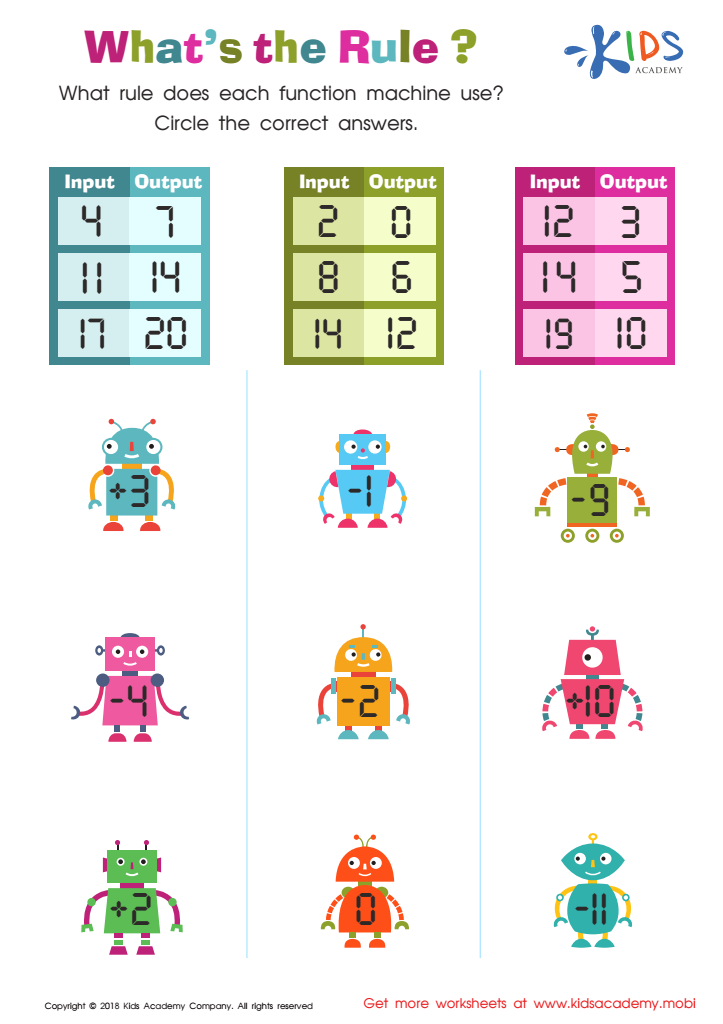
What's the Rule Worksheet
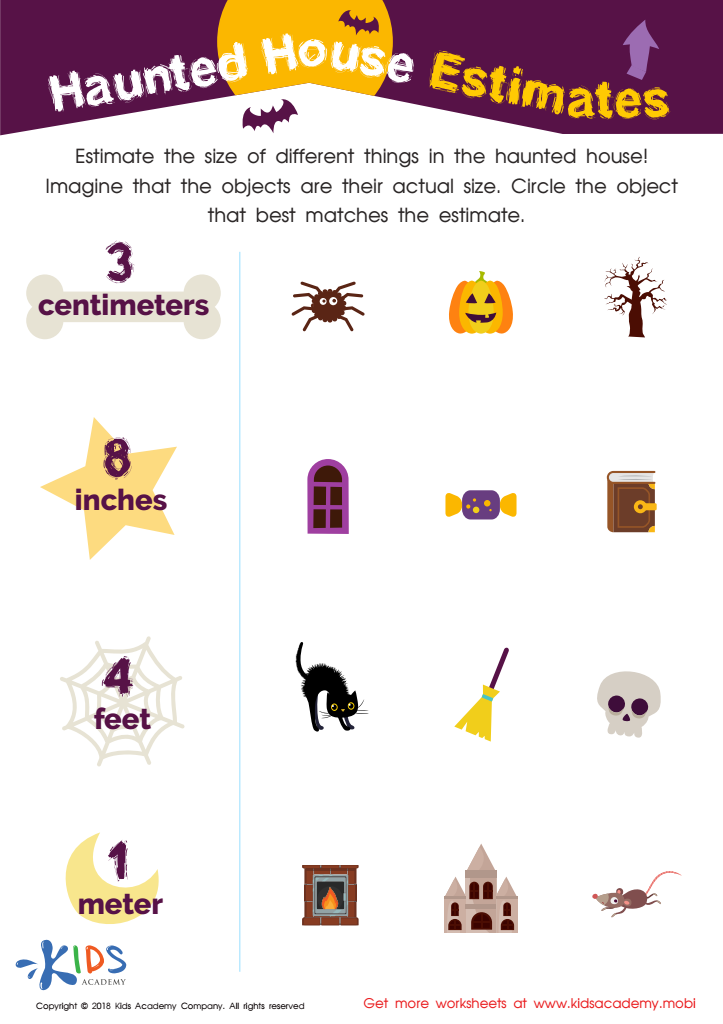
Haunted House Estimates Worksheet
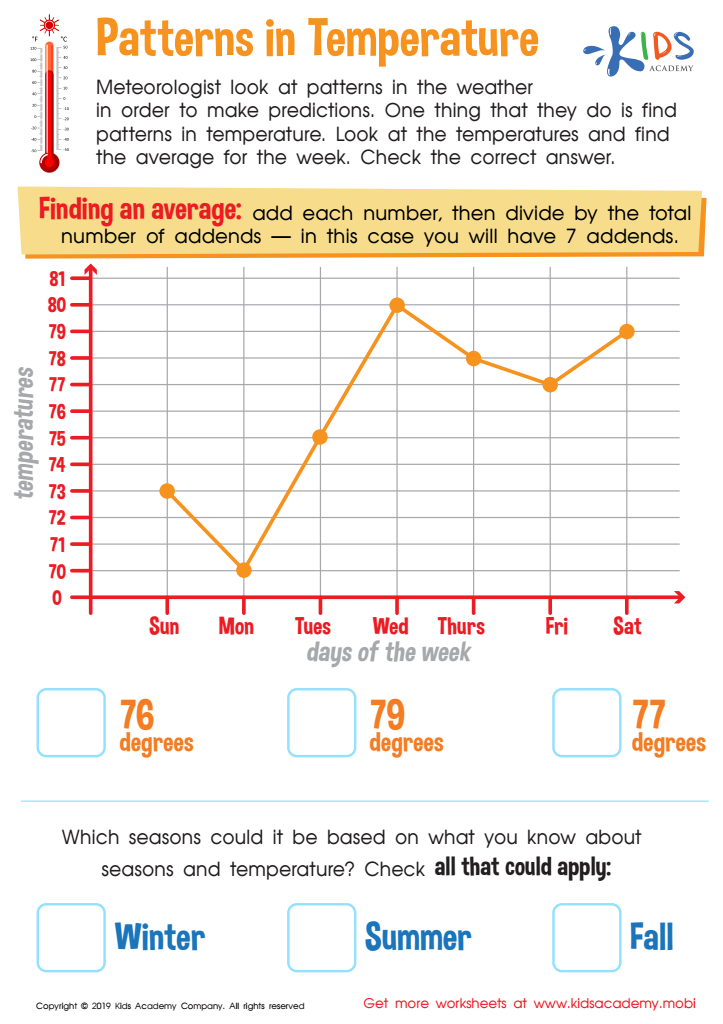
Patterns in Temperature Worksheet
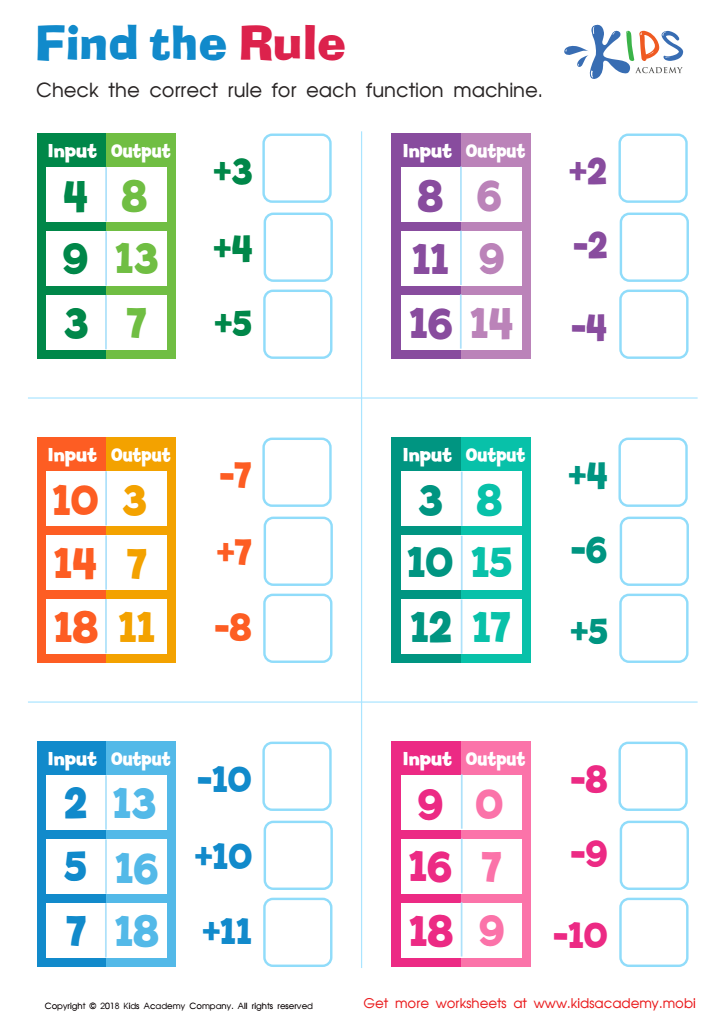
Find the Rule Worksheet
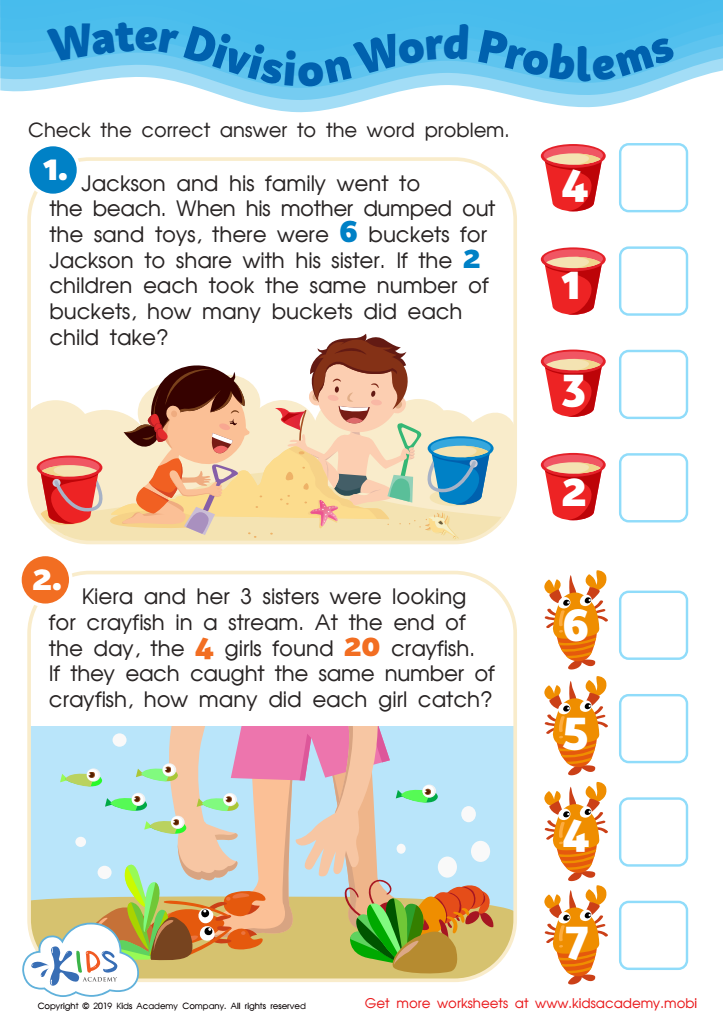
Water Division Word Problems Worksheet
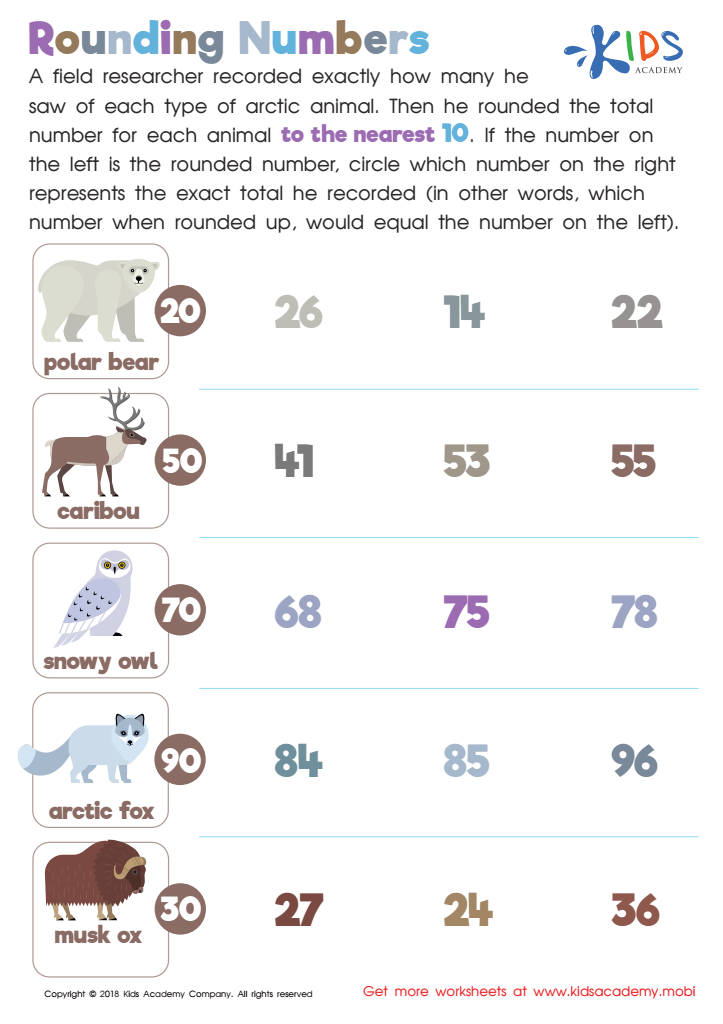
Rounding Numbers Worksheet
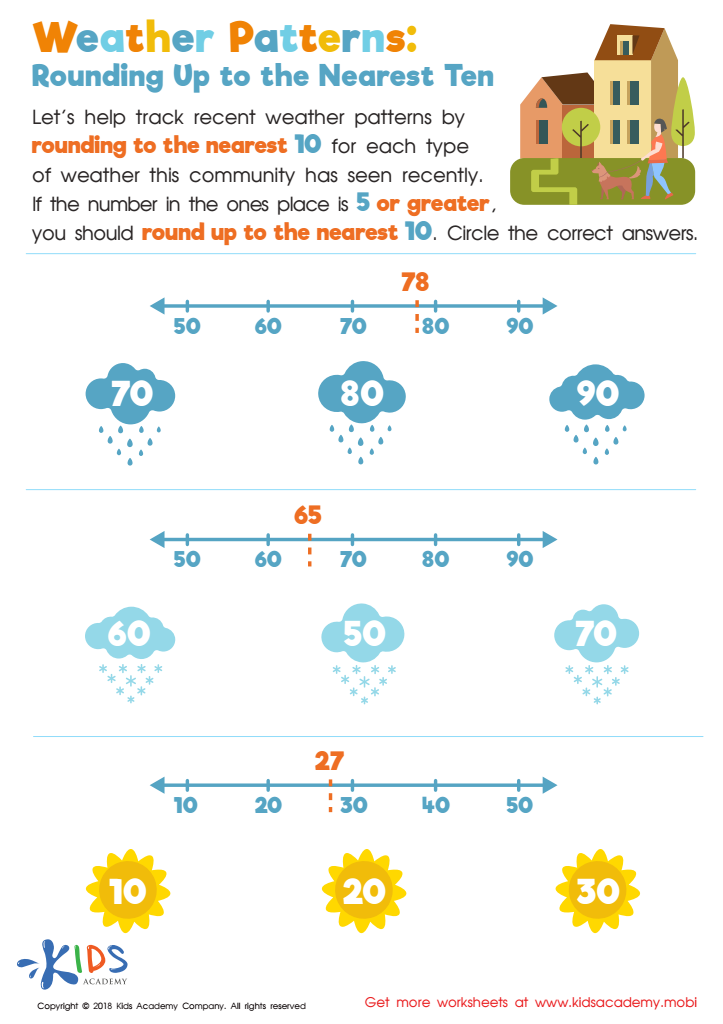
Weather Patterns Worksheet
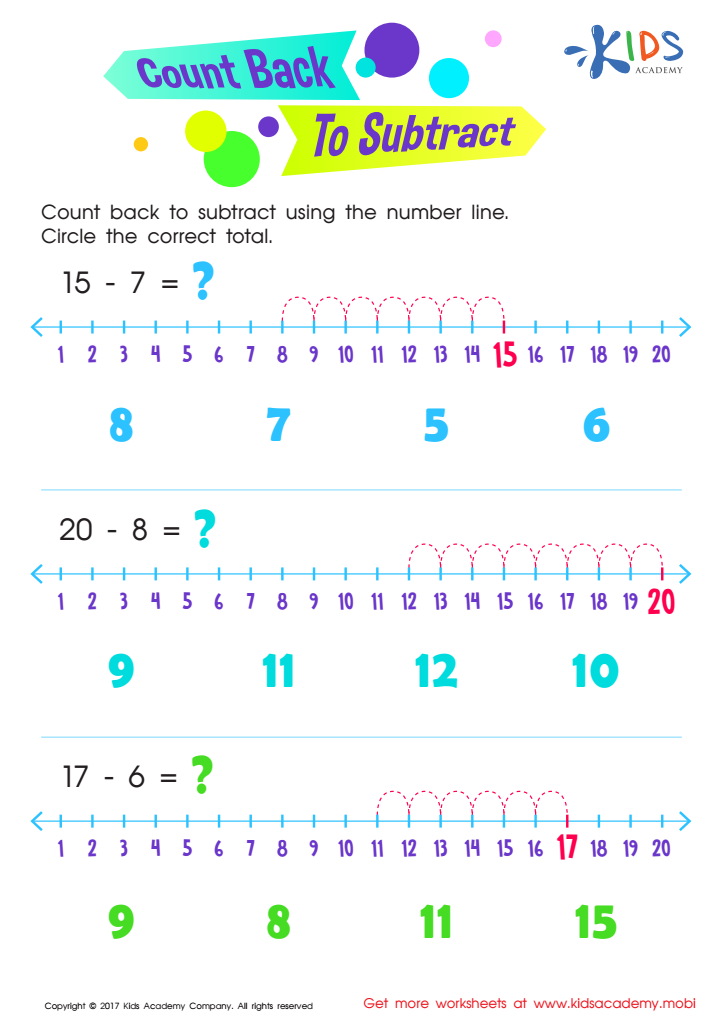
Count Back to Subtract Substraction Worksheet
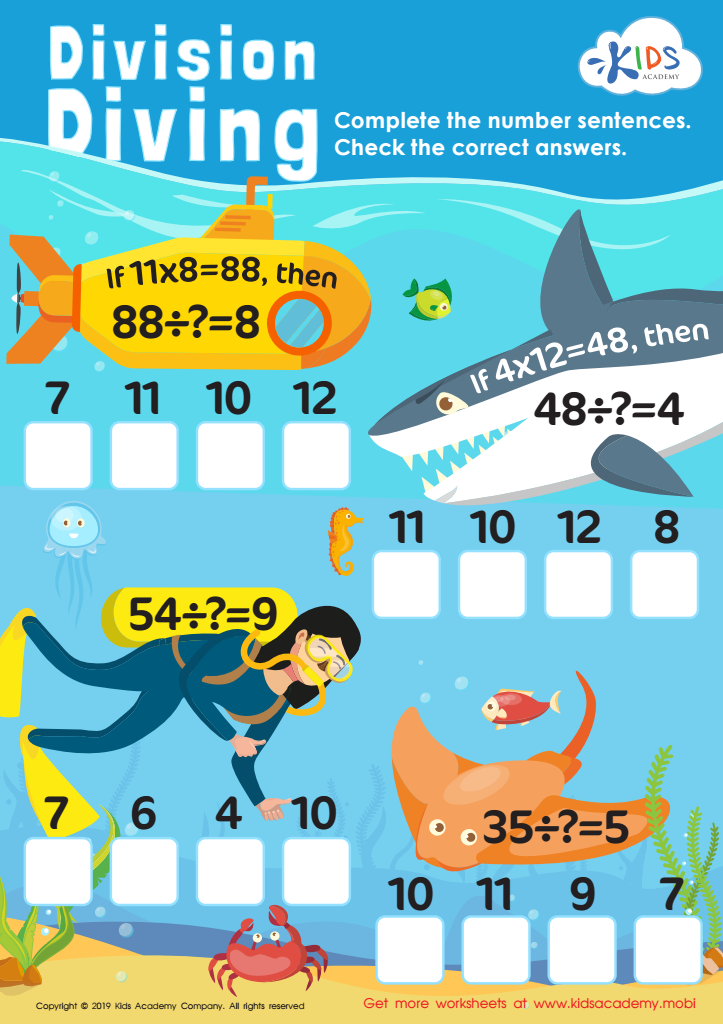
Division Diving Worksheet
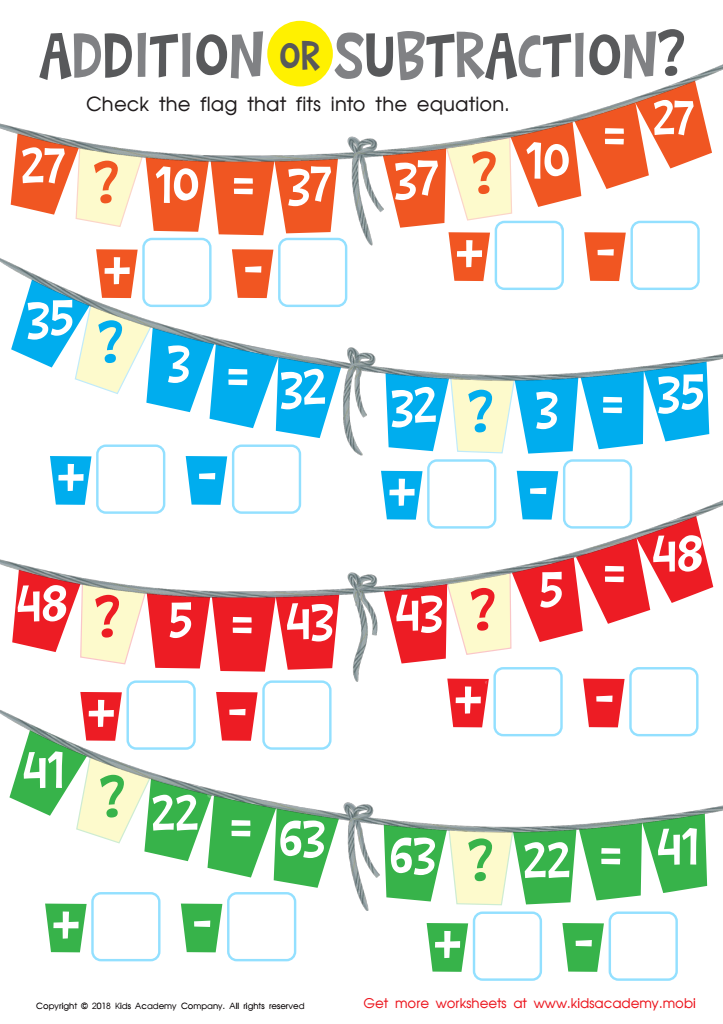
Addition or Subtraction? Worksheet
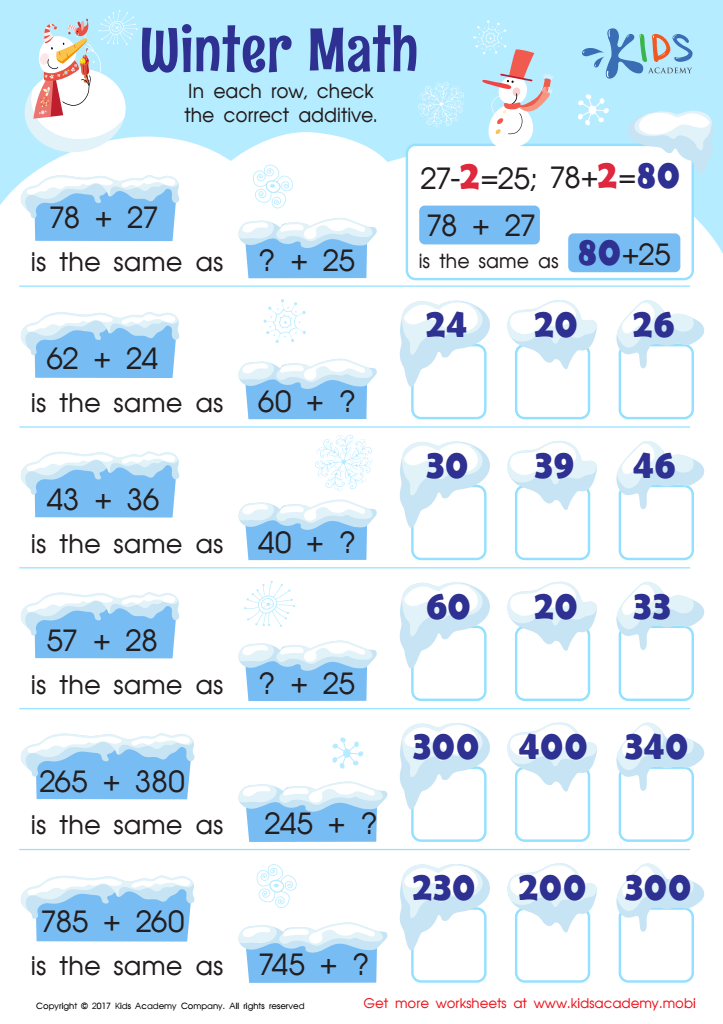
Free Addition Worksheet







Mathematical reasoning is crucial for children ages 7-9 as this stage serves as a foundation for their future understanding of mathematics and problem-solving. During these formative years, children begin to encounter more complex mathematical concepts, such as addition, subtraction, multiplication, and basic fractions. Developing strong reasoning skills helps them make sense of these mathematical operations, enabling them to explain their thought processes and justify their answers.
For parents and teachers, fostering mathematical reasoning promotes critical thinking. When children learn to reason mathematically, they are not only memorizing procedures but also understanding the ‘why’ behind them. This deeper comprehension aids in the retention of mathematical concepts and allows children to tackle new problems with confidence.
Additionally, strong mathematical reasoning skills are linked to academic success across all subjects, as problem-solving and logical thinking are essential in areas such as science and literacy. Encouraging these skills can also enhance a child's perseverance and resilience when faced with challenging tasks. Ultimately, developing mathematical reasoning for children aged 7-9 lays a vital groundwork for their ongoing education, helping them become engaged and capable learners who appreciate the relevance of mathematics in everyday life.








