Basic Addition Normal Numbers Worksheets for Ages 7-9
5 filtered results
-
From - To
Unlock the potential of young mathematicians with our "Basic Addition Normal Numbers Worksheets for Ages 7-9." Designed to make learning fun and interactive, these worksheets help children master addition with ease. Suitable for second and third graders, our resources provide engaging exercises that reinforce basic addition skills. Kids will enjoy colorful, diverse problems that boost confidence and foster a love for math. Perfect for both classroom and at-home practice, these worksheets lay a solid foundation for future success in math. Explore our collection to support your child's learning journey today!
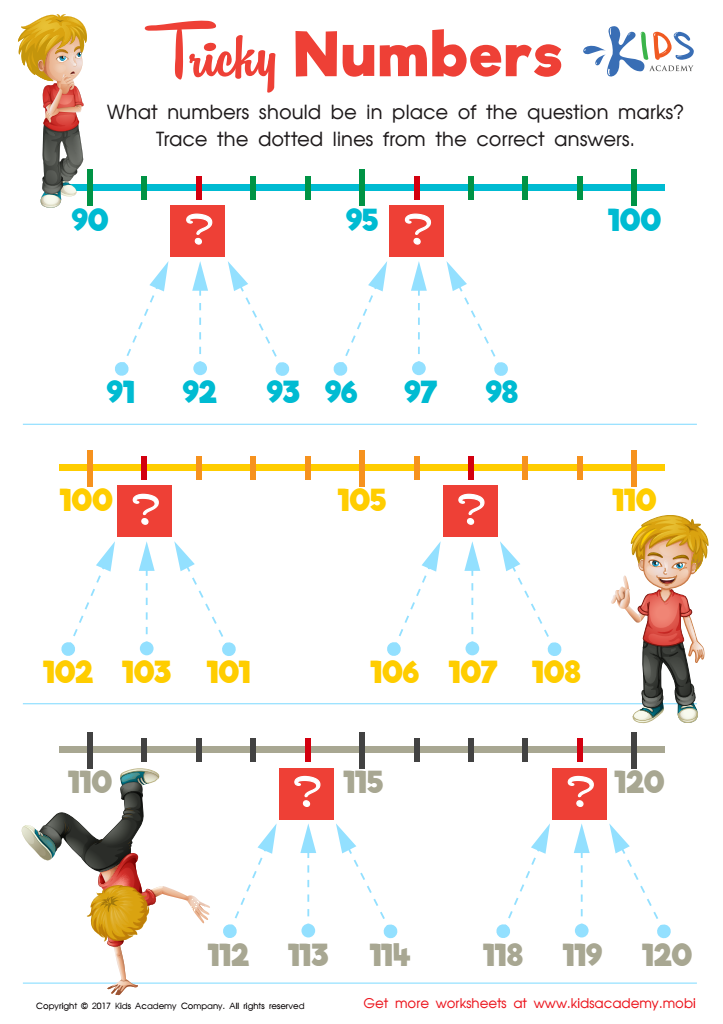
Tricky Numbers Worksheet
 Assign to My Students
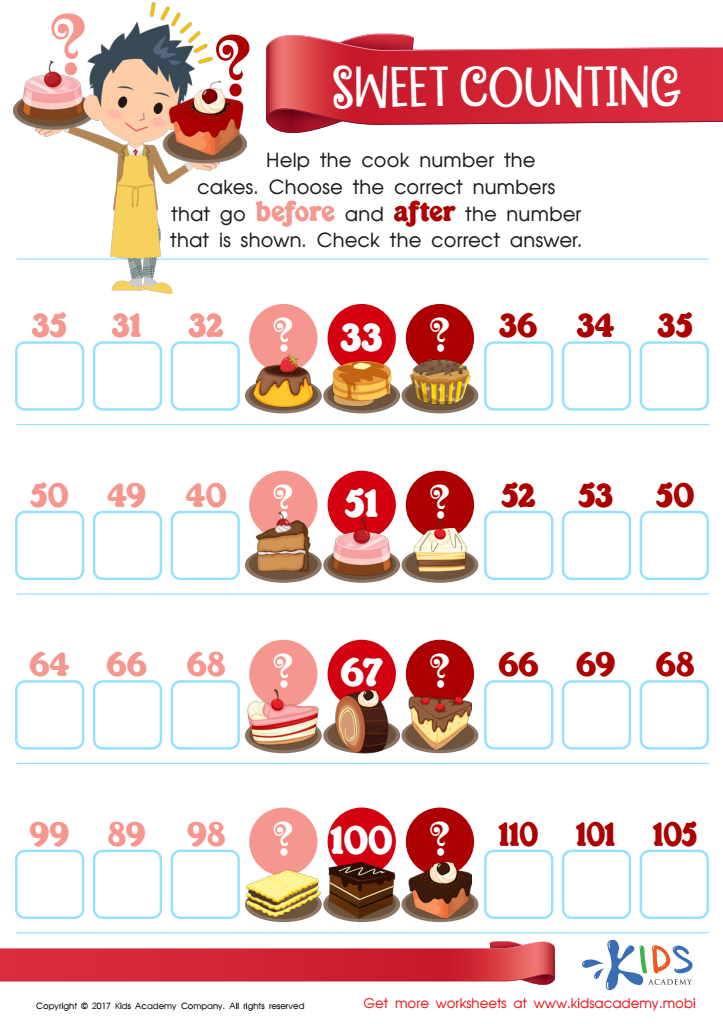
Sweet Counting - Part 1 Worksheet
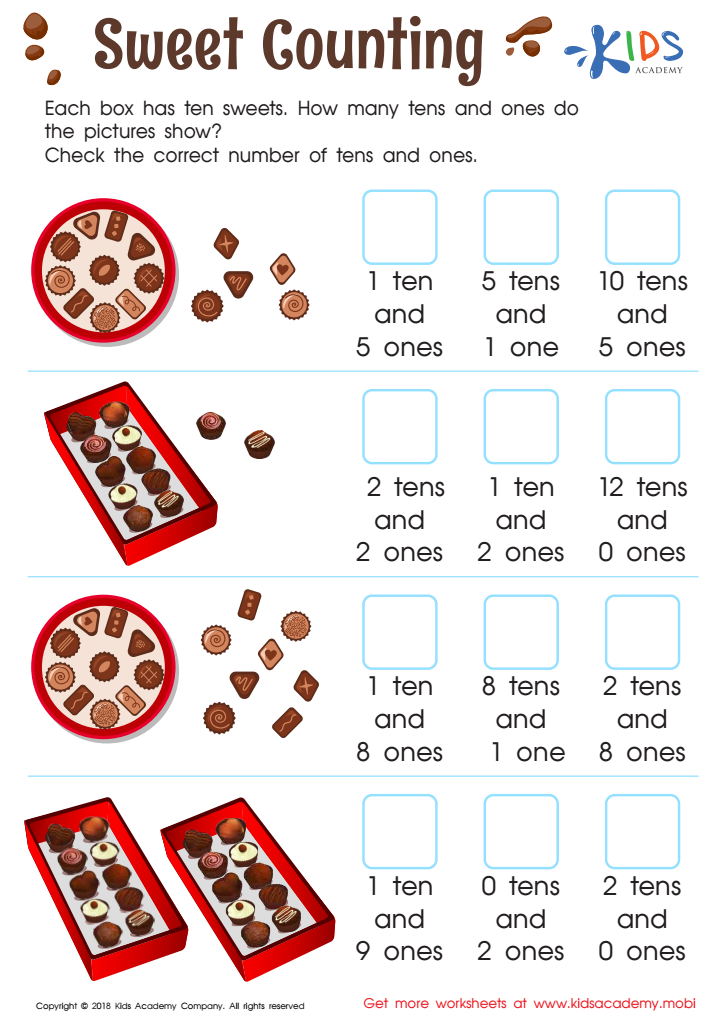
Sweet Counting - Part 2 Worksheet
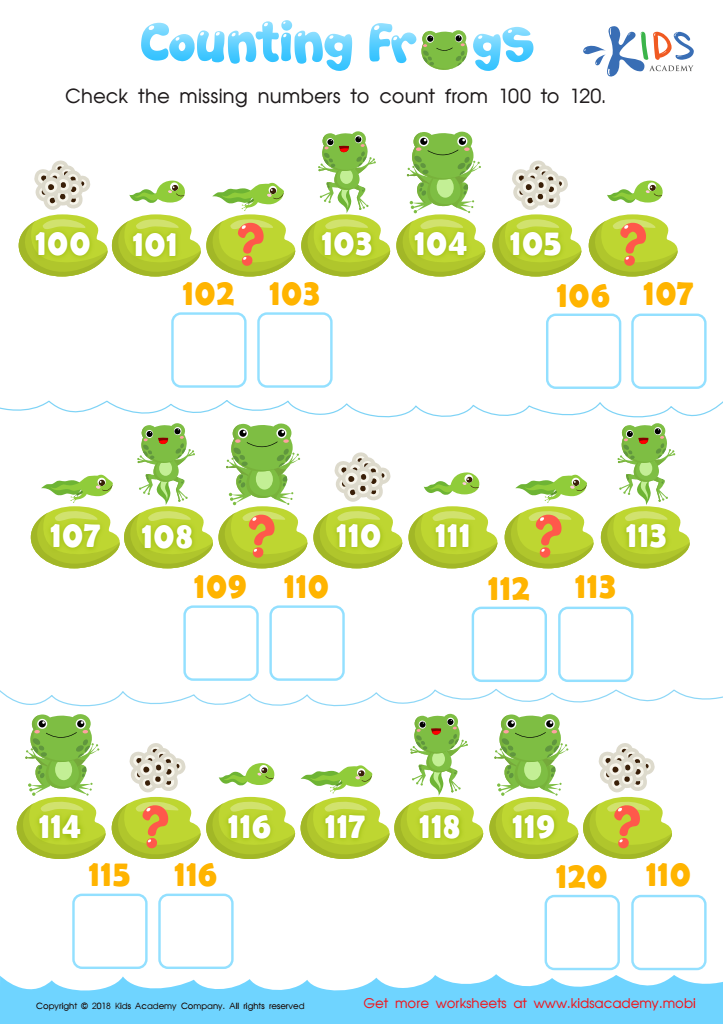
Counting Frogs Worksheet
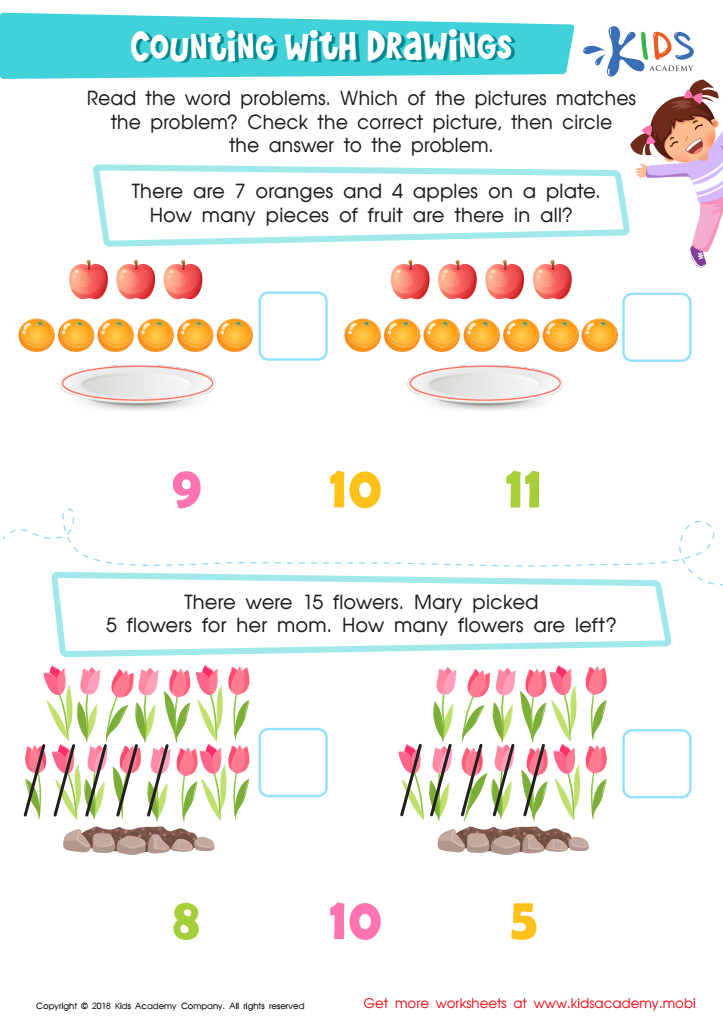
Counting with Drawings:Fruits & Flowers Worksheet







Basic addition skills are fundamental for children aged 7-9, forming the cornerstone of their mathematical education and daily life problem-solving abilities. At this formative stage, children are building the numeric foundation critical for advanced arithmetic, algebra, and higher-level math concepts they will encounter later. Mastery of simple additions enhances their number sense, boosts confidence, and improves mental computation skills – essential not just in academics, but in everyday tasks like making change, telling time, or measuring ingredients for recipes.
For parents and teachers, fostering these skills early supports cognitive development, enhancing logical thinking and reasoning abilities. Encouraging regular practice helps in the development of perseverance and attention to detail. In classrooms, a solid grasp of basic addition allows students to engage more fully with collaborative tasks and paves the way for smooth transitions to more complex subjects, minimizing frustration and disengagement.
Additionally, proficiency in basic addition is intertwined with other key educational milestones, such as literacy and critical thinking, as it necessitates focus, memory, and problem-solving strategies. By prioritizing these foundational math skills, parents and teachers not only boost academic success but also empower children with the tools necessary for lifelong learning and practical day-to-day functions in a numerate society.








