Understanding symmetry Normal Math Worksheets for Ages 7-9
3 filtered results
-
From - To
Explore our "Understanding Symmetry" math worksheets tailored for children ages 7-9, designed to make learning engaging and fun! These worksheets help young learners grasp the concept of symmetry through a variety of interactive activities and exercises that challenge their critical thinking skills. Students will practice identifying symmetrical shapes, completing patterns, and creating their own symmetrical designs. Ideal for classroom use or homework, our resources encourage hands-on learning and reinforce geometry skills. As children delve into the world of symmetry, they will build a strong foundation for future mathematical concepts. Download and empower your child’s learning journey today!
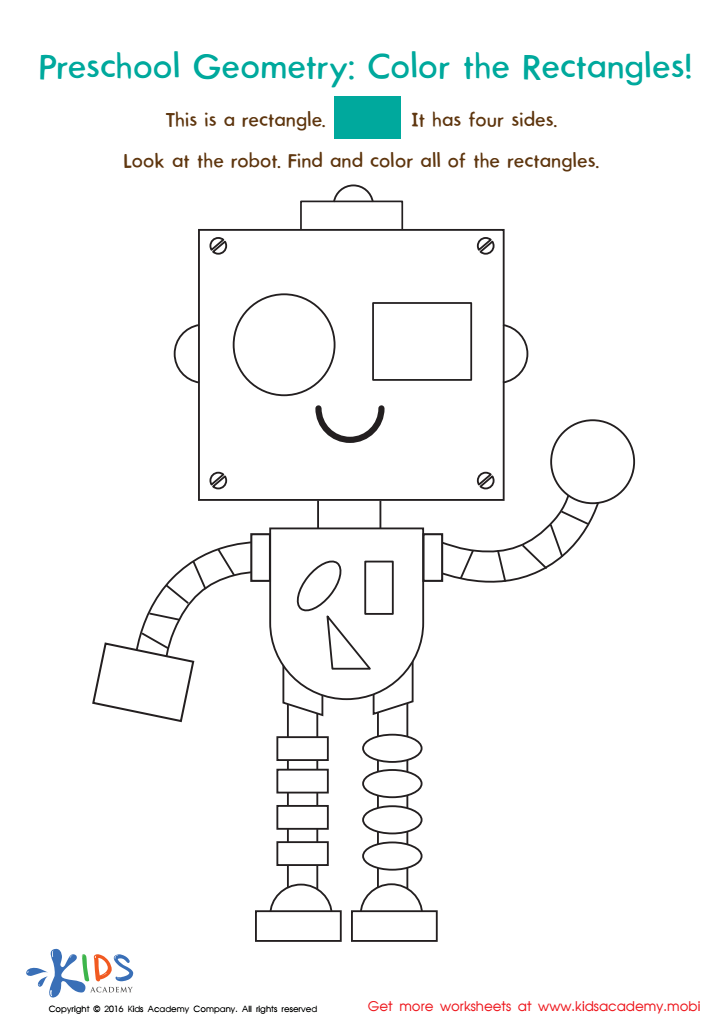
Geometry Worksheet
 Assign to My Students
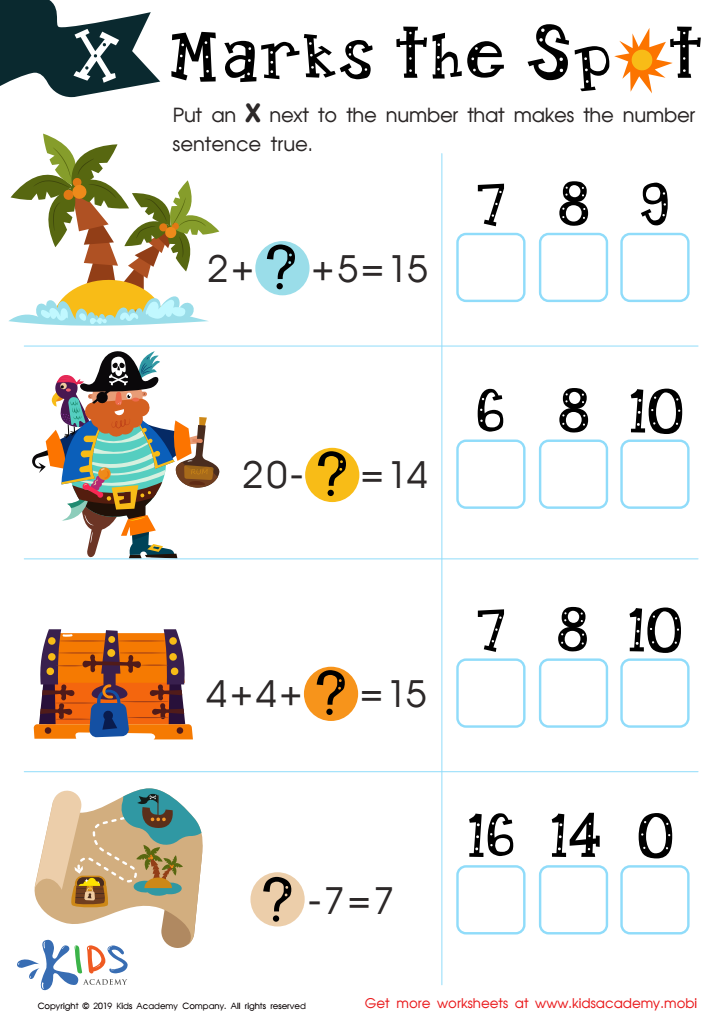
X Marks the Spot Worksheet
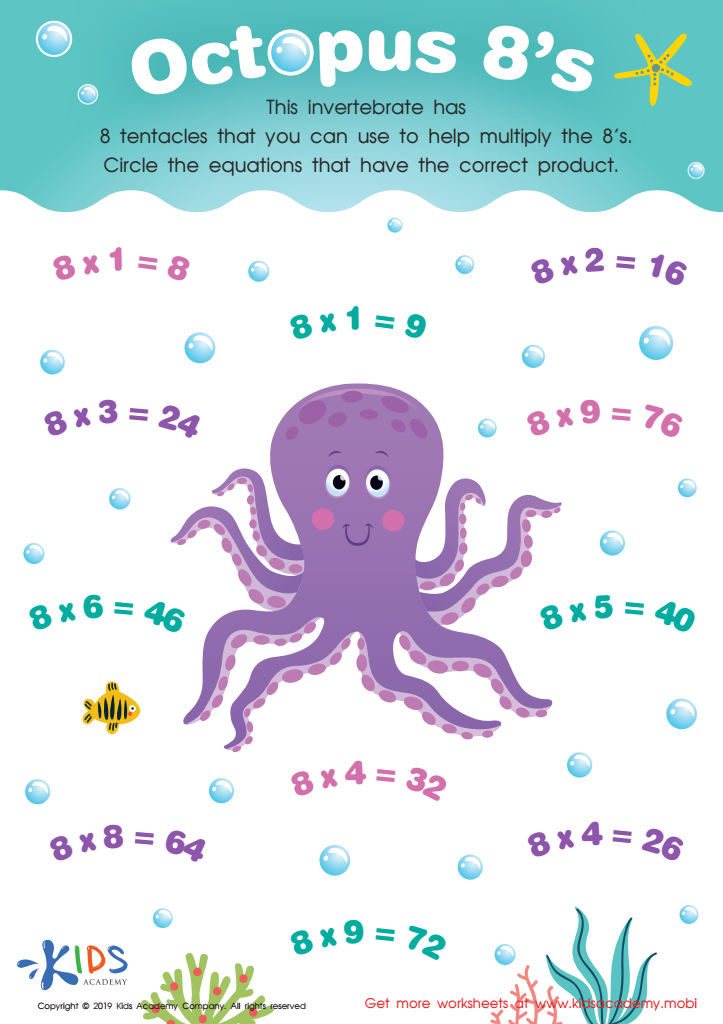
Octopus 8’s Worksheet








Understanding symmetry is crucial for students aged 7-9 as it forms the foundation for essential math concepts and promotes critical thinking skills. During this developmental stage, children are naturally inclined to explore patterns and relationships in the world around them. Teaching symmetry helps harness this curiosity and channel it into mathematical understanding.
Symmetry is not just a mathematical concept; it also has visual and artistic implications. By understanding shapes that are symmetrical, children can enhance their spatial reasoning, which is critical in fields such as geometry and design. This understanding supports their ability to recognize patterns and regularities in various contexts, aiding in problem-solving skills.
Moreover, grasping symmetry encourages logical reasoning as students explore transformations like flips and rotations. As they learn to identify symmetrical attributes, they develop the capacity to think abstractly, which is integral for success in more complex mathematics later on.
Additionally, incorporating symmetry into lessons allows teachers to create engaging, hands-on activities that appeal to diverse learning styles, making math more enjoyable. For parents and educators, fostering this skill not only nurtures students' academic growth but also instills a lasting appreciation for mathematics in everyday life.








