Logical Reasoning Normal Reading Worksheets for Ages 7-9
8 filtered results
-
From - To
Discover our engaging collection of Logical Reasoning Normal Reading Worksheets designed specifically for children ages 7 to 9. These worksheets encourage young learners to enhance their critical thinking and problem-solving skills while enjoying the process of reading. Each activity is crafted to challenge students' comprehension and reasoning abilities, featuring relatable scenarios and age-appropriate language. By incorporating fun and interactive exercises, our worksheets promote independent learning and foster a love for reading. Ideal for classroom or home use, these resources help students excel in logical reasoning and prepare them for future academic success. Explore our worksheets and empower your child's learning journey today!
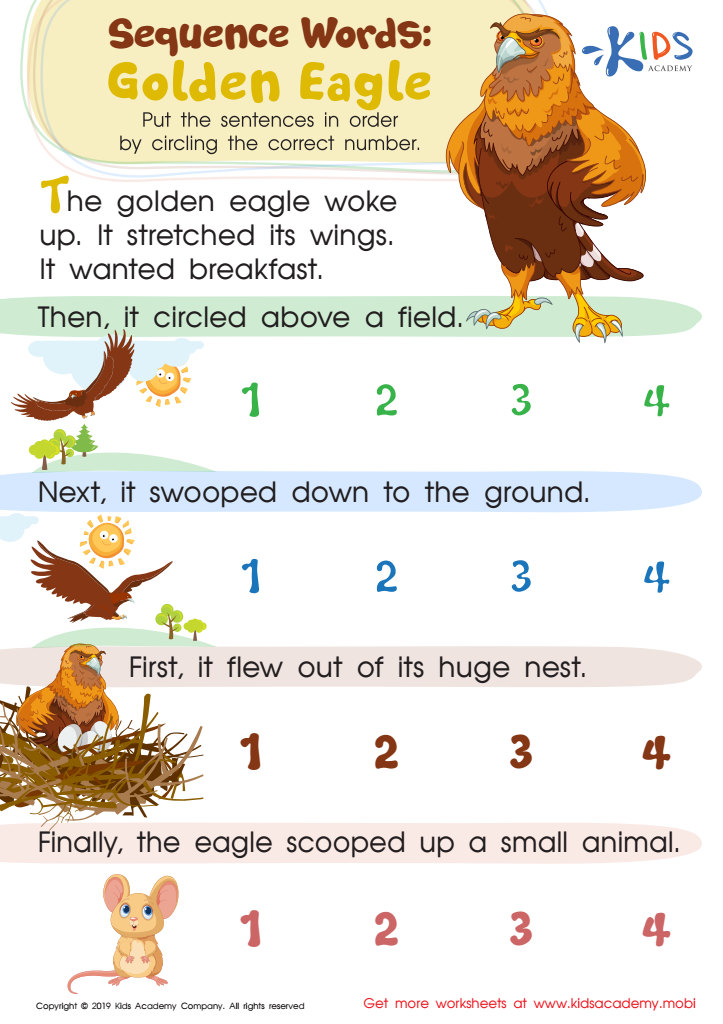
Sequence Word Eagle Worksheet
 Assign to My Students
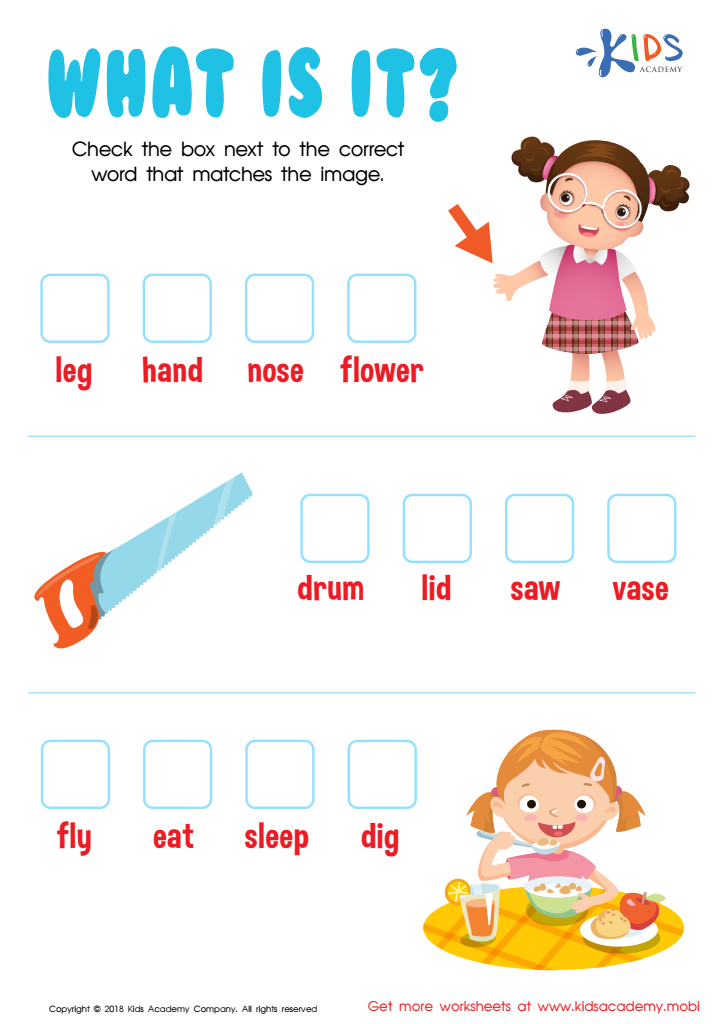
What Is It? Worksheet
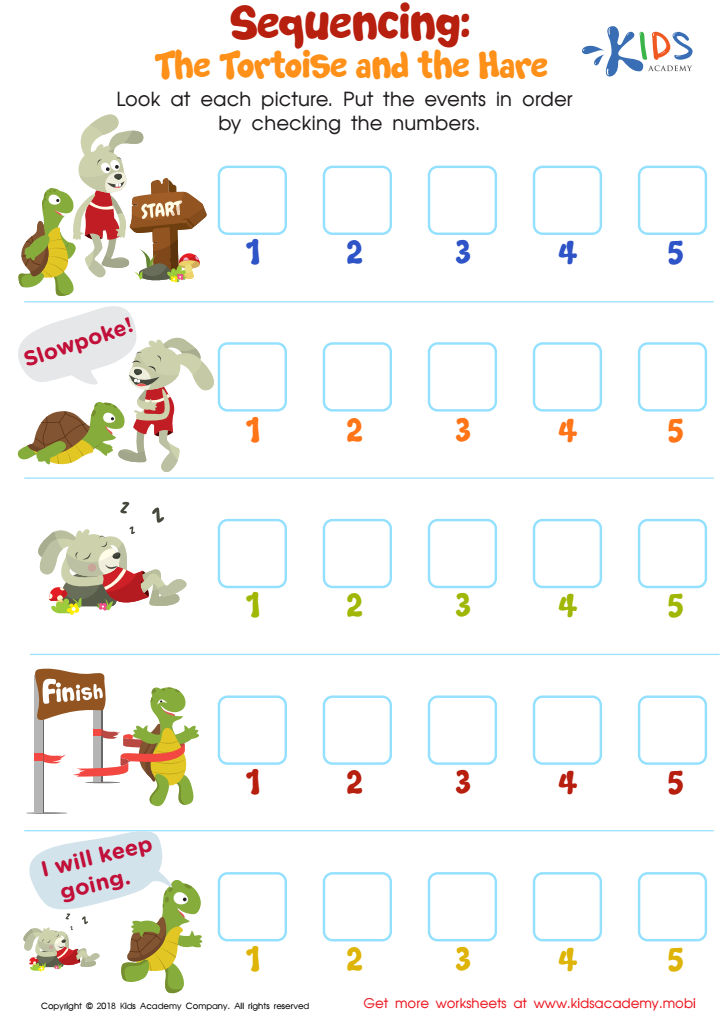
Sequencing: The Tortoise and the Hare Worksheet
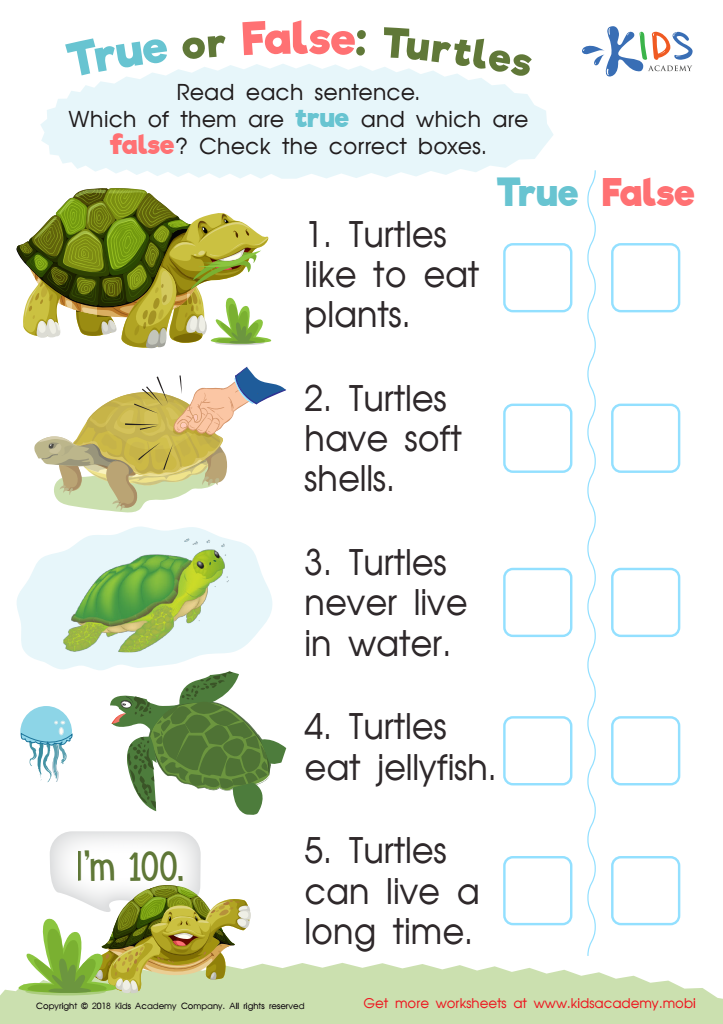
True or False: Turtles Worksheet
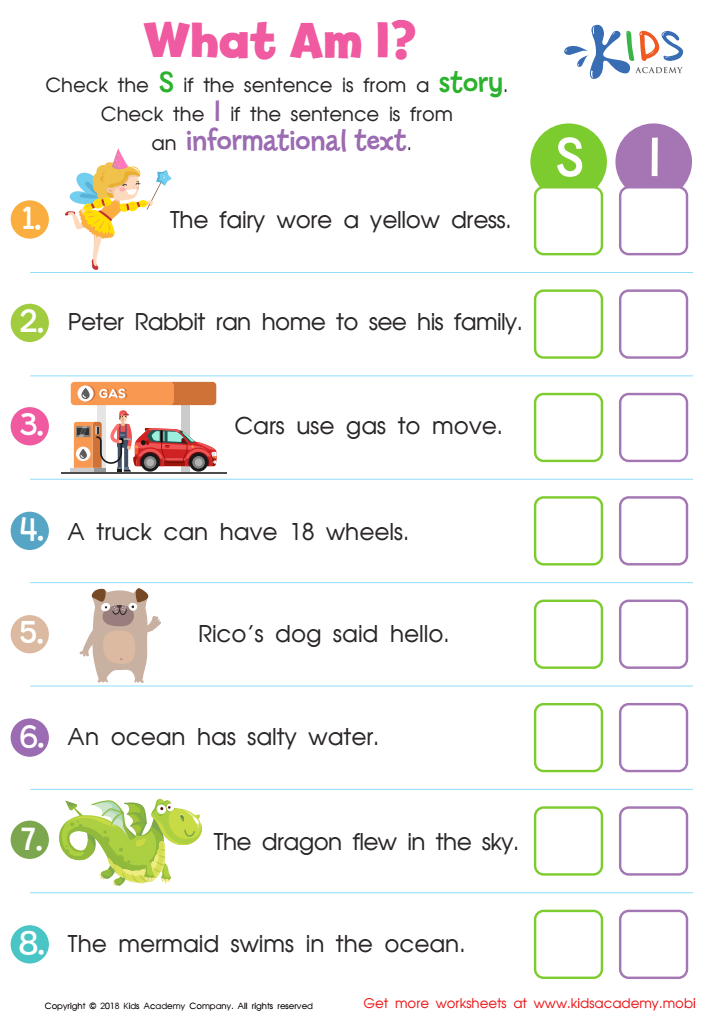
What Am I? Worksheet
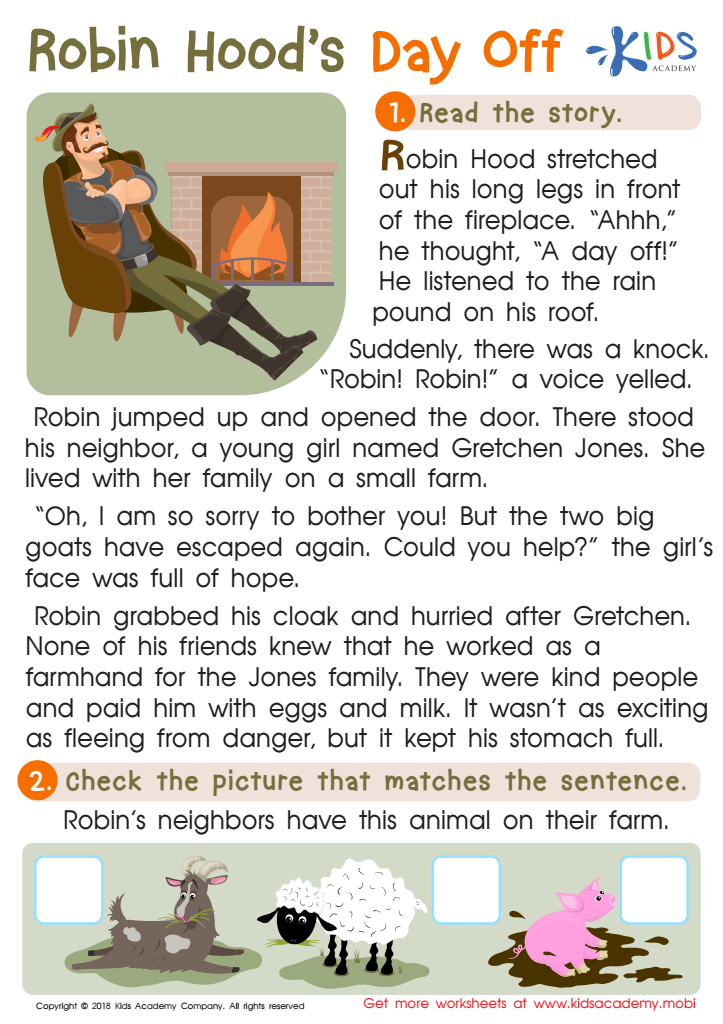
Robin Hood's Day Off Worksheet
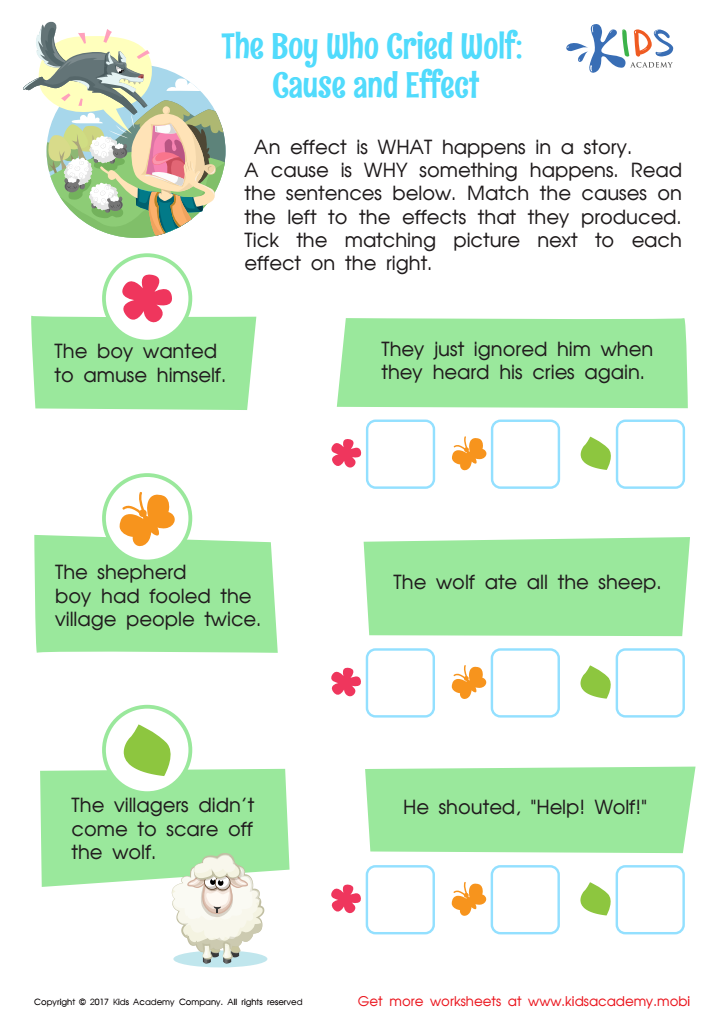
The Boy Who Cried Wolf: Cause and Effect Worksheet
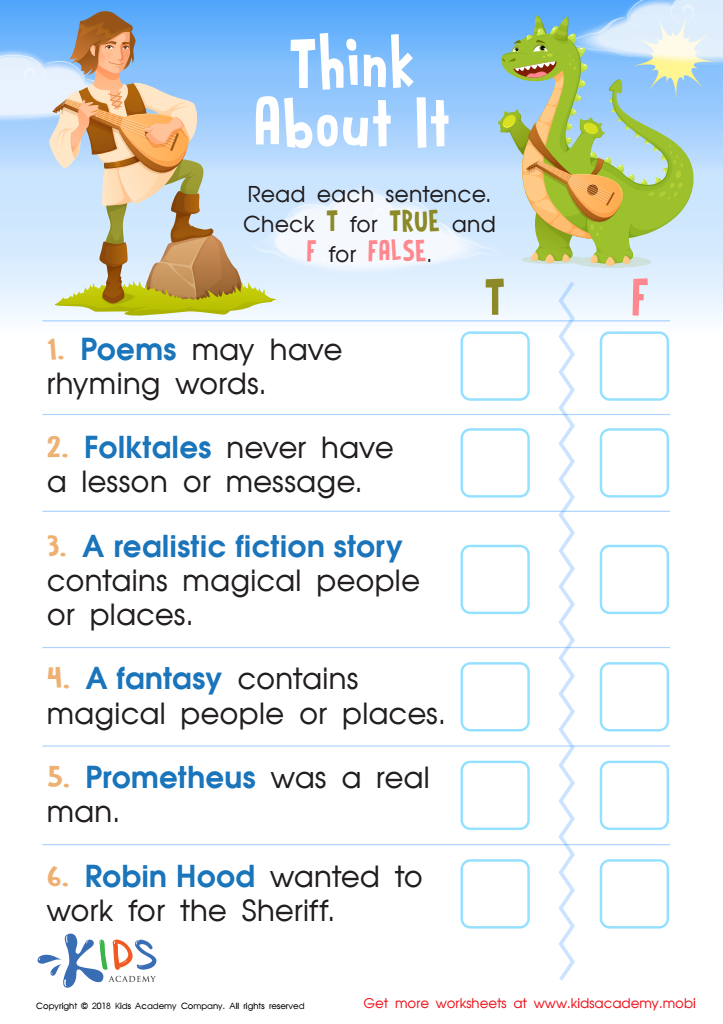
Think About It: Assessment Worksheet






Logical reasoning is a critical cognitive skill that underpins problem-solving, decision-making, and analytical thinking. For children aged 7-9, developing these skills through normal reading is crucial as it enables them to understand and interpret complex narratives, discern relationships between events or characters, and enhance their critical thinking abilities. When parents and teachers prioritize logical reasoning in reading, they equip children with the tools to navigate academic challenges more effectively, fostering a stronger foundation for future learning.
Moreover, reading at this age often involves texts that encourage children to predict outcomes, analyze characters' motivations, and infer connections. Engaging with such material helps children become thoughtful readers who can evaluate information, a skill vital not only in academics but in everyday life.
Additionally, logical reasoning promotes social-emotional learning, as children learn to see different perspectives through characters' experiences. By nurturing these skills, parents and teachers can help instill a love for reading that transcends simple comprehension. Ultimately, fostering logical reasoning during these formative years enriches children's educational experiences, building their confidence and curiosity as they approach more complex subjects in the future.








