Logical thinking Normal Reading Worksheets for Ages 7-9
3 filtered results
-
From - To
Enhance your child's critical thinking skills with our engaging "Logical Thinking Normal Reading Worksheets" designed for ages 7-9. These thoughtfully crafted worksheets challenge young learners to develop their analytical abilities while encouraging a love for reading. Each exercise promotes logical reasoning through fun comprehension activities, puzzles, and problem-solving tasks that stimulate a child's mind. Ideal for classroom use or at-home learning, these worksheets support educational development and align with core curriculum standards. Empower your child to think independently and confidently while enjoying the benefits of logical thinking. Explore our selection and make learning an exciting adventure today!
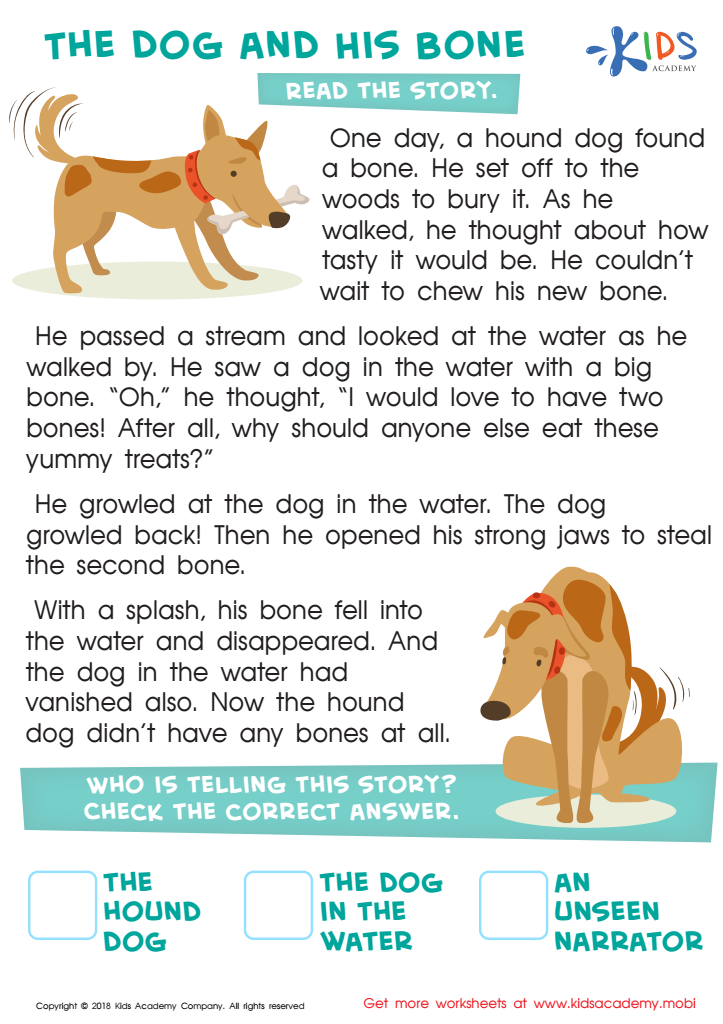
The Dog and His Bone Worksheet
 Assign to My Students
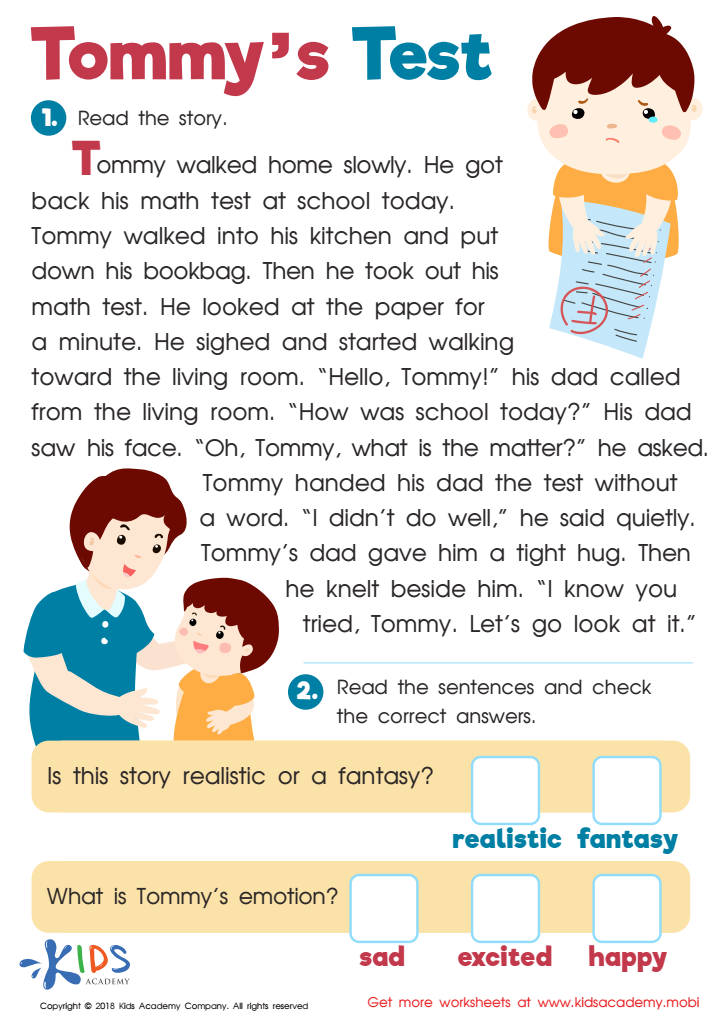
Tommys Test Worksheet
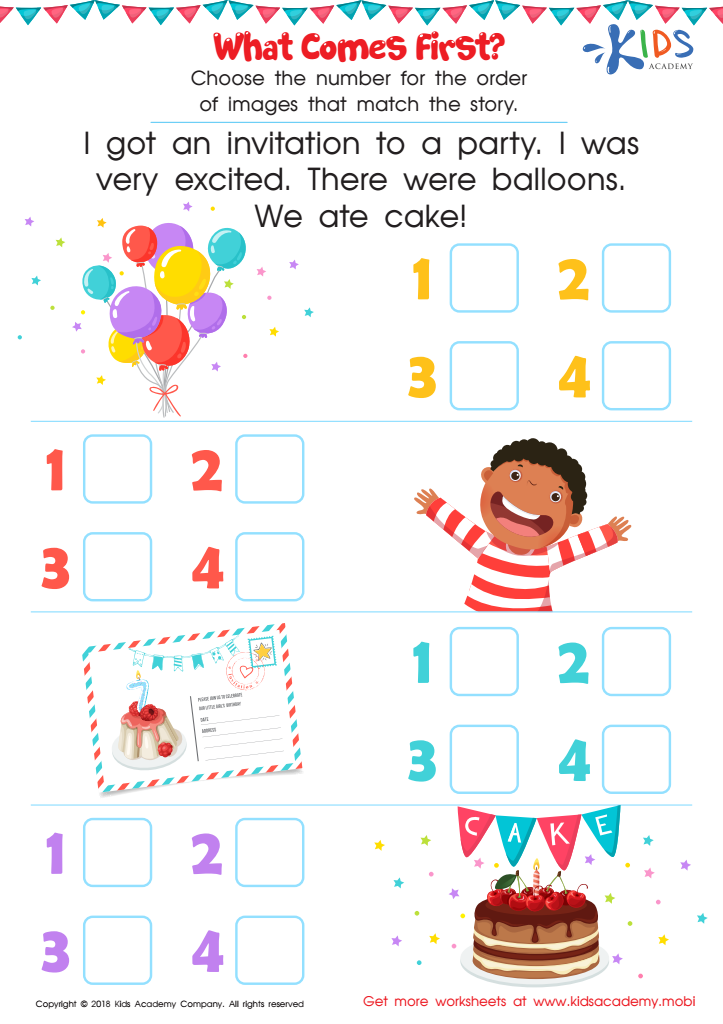
What Comes First Worksheet








Parents and teachers should prioritize fostering logical thinking in children aged 7-9 as it lays the foundational skills necessary for success in academics and everyday problem-solving. At this developmental stage, children start to enhance their analytical abilities and begin to understand complex concepts. Logical thinking promotes critical reasoning, enabling kids to make connections, recognize patterns, and draw conclusions from their observations.
Incorporating logical puzzles and games into reading activities not only makes learning engaging but also reinforces comprehension skills. When children decipher stories, they must sequence events, infer meanings, and understand cause-and-effect relationships, all key components of logical reasoning. Moreover, strong reading skills allow children to explore diverse perspectives and enhance their emotional intelligence, crucial for social interactions.
By nurturing logical thinking and reading comprehension, educators and parents equip children with the tools needed for higher-level reasoning in mathematics, science, and language arts—subjects that become increasingly complex as they advance in their education. Ultimately, these skills prepare children not just for academic success, but for a lifetime of thoughtful, informed decision-making. Encouraging logical thinking through reading thus creates a robust pathway for continuous learning and adaptability in our rapidly evolving world.








