Vocabulary expansion Normal Reading Worksheets for Ages 7-9 - Page 3
52 filtered results
-
From - To
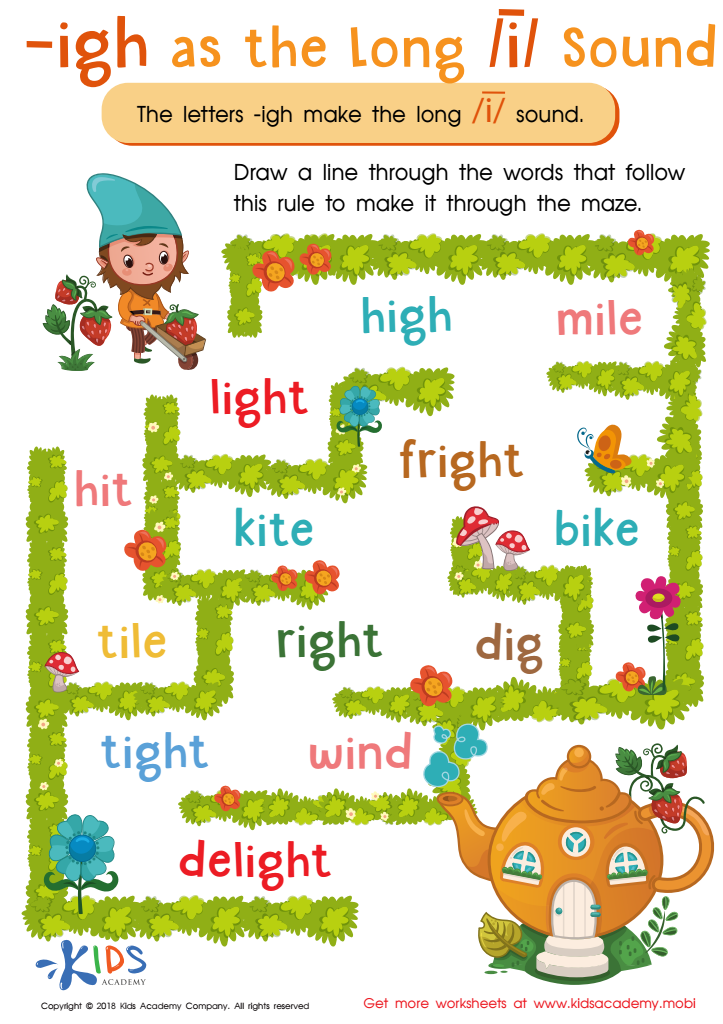
Reading: IGH as Long I Worksheet
 Assign to My Students
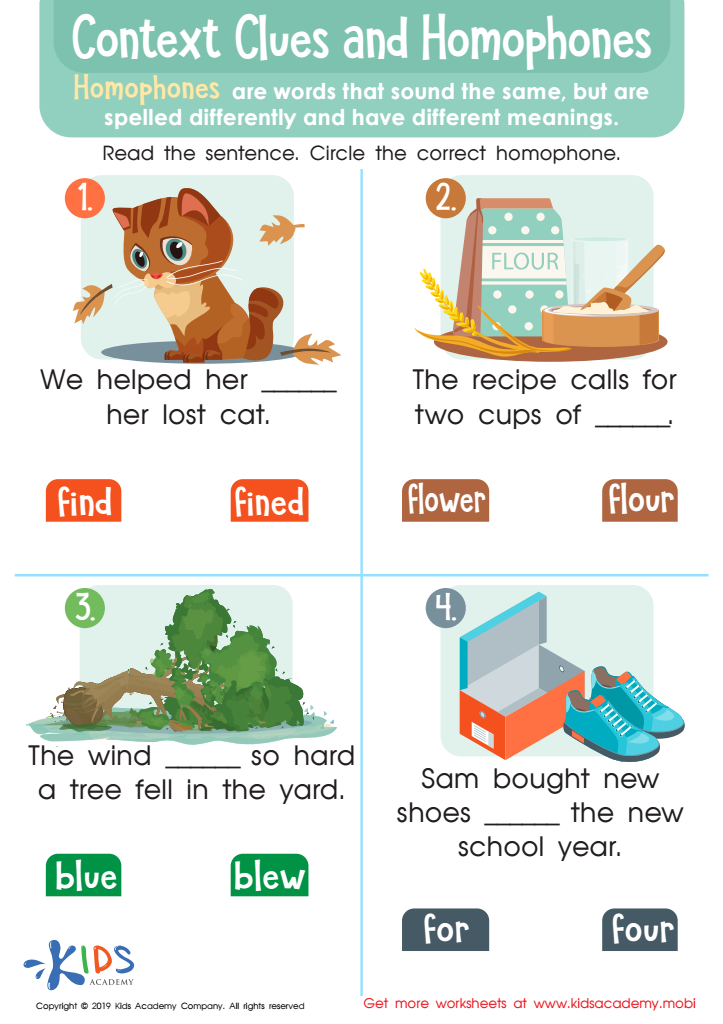
Context Clues and Homophones Worksheet
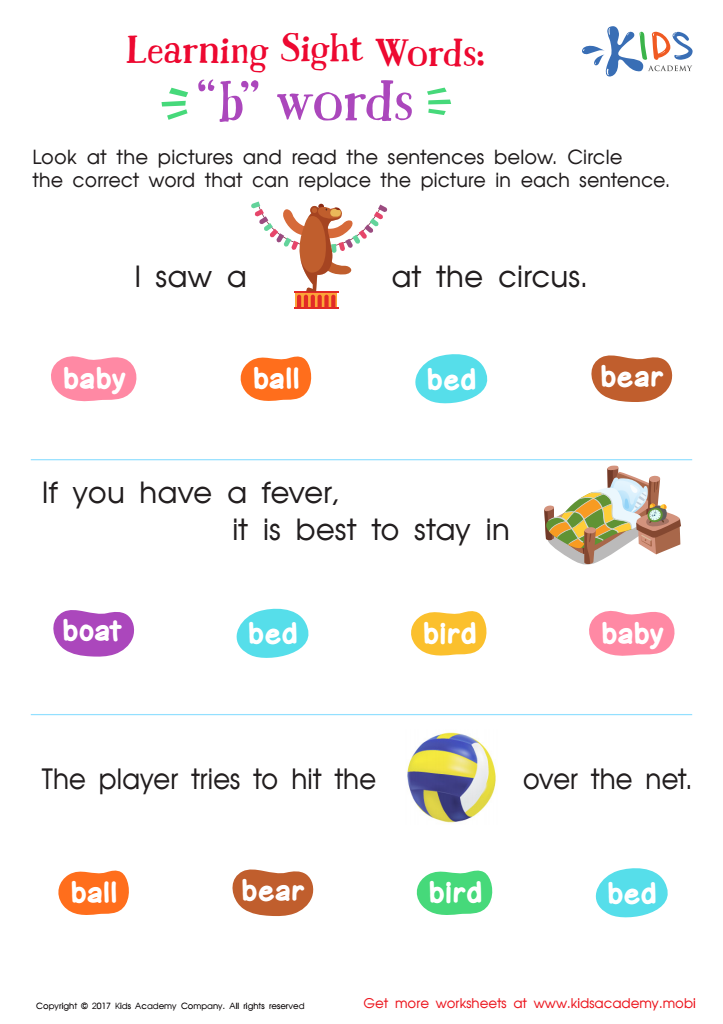
"B" Words Printable Sight Words Worksheet
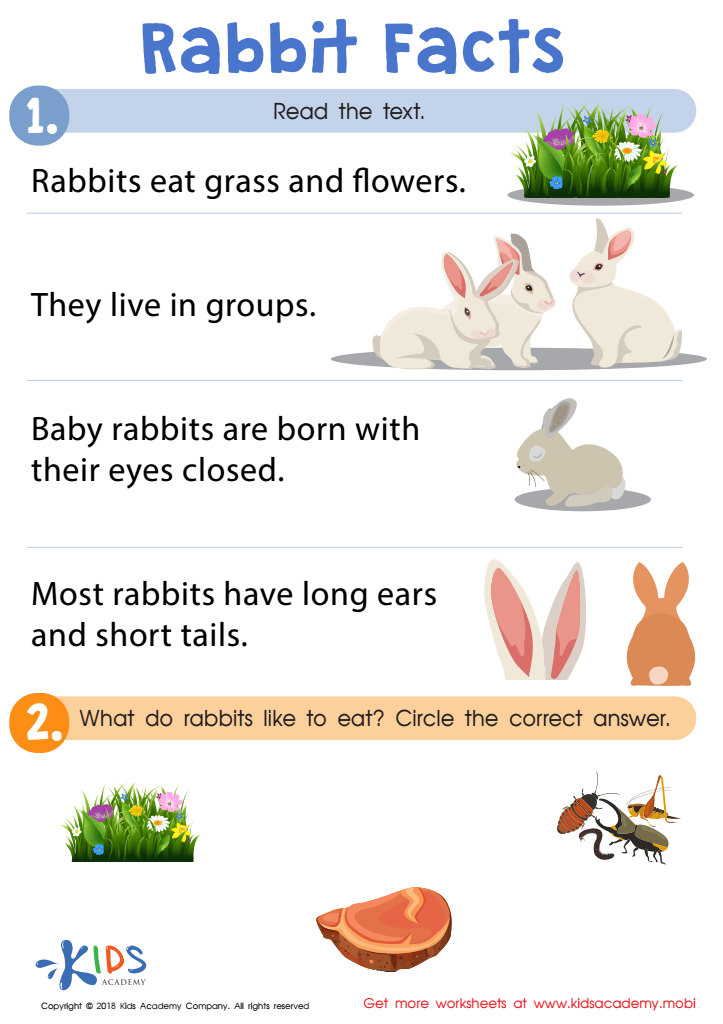
Rabbit Facts Worksheet







Vocabulary expansion during the critical period of ages 7 to 9 is essential for a child's educational development and overall cognitive growth. At this age, children are transitioning from learning to read to reading to learn. A rich vocabulary helps them comprehend texts more deeply and engage more meaningfully with various subjects, from science to social studies.
Teachers and parents should prioritize vocabulary development to enhance a child's reading fluency and critical thinking skills. When children encounter familiar words, they feel more confident, leading to increased motivation and a more positive attitude towards learning. Additionally, a strong vocabulary enables effective communication. Children learn to express their thoughts, feelings, and ideas, promoting healthy interactions with peers and adults.
Moreover, vocabulary knowledge lays the groundwork for literacy skills that are crucial in higher grades and real-life situations. The more words children know, the better they can make connections across different concepts, enhancing their analytical abilities. Ultimately, investing in vocabulary expansion during these formative years can unlock a world of opportunities, empowering children to succeed academically and socially. As educators and caregivers, fostering an environment rich in language is a vital responsibility that shapes a child's future prospects and capabilities.