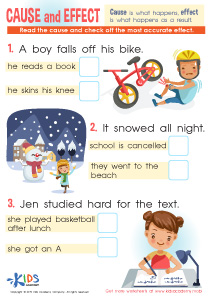
Reading comprehension Normal Reading Non-Fiction Worksheets for Ages 7-9 - Page 2
30 filtered results
-
From - To
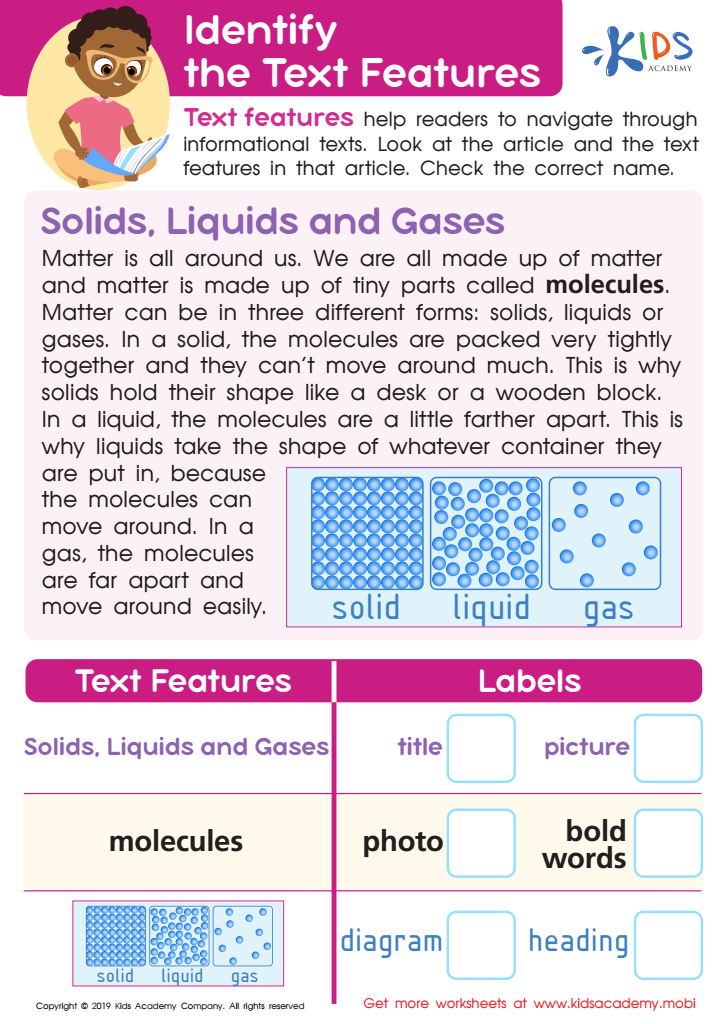
Identify the Text Features Worksheet
 Assign to My Students
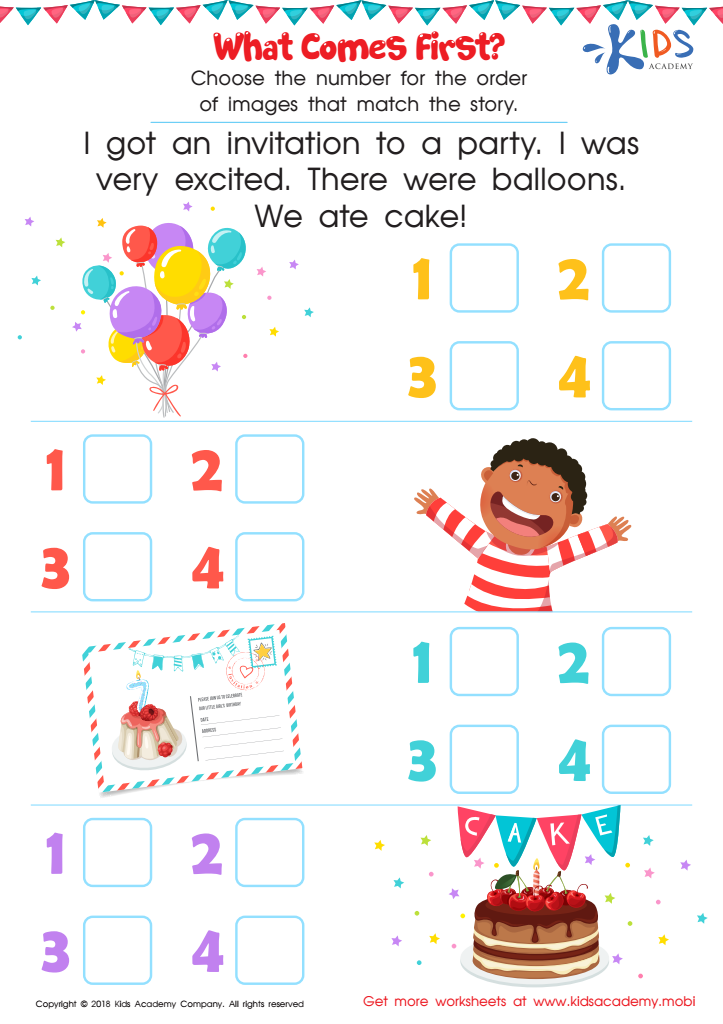
What Comes First Worksheet
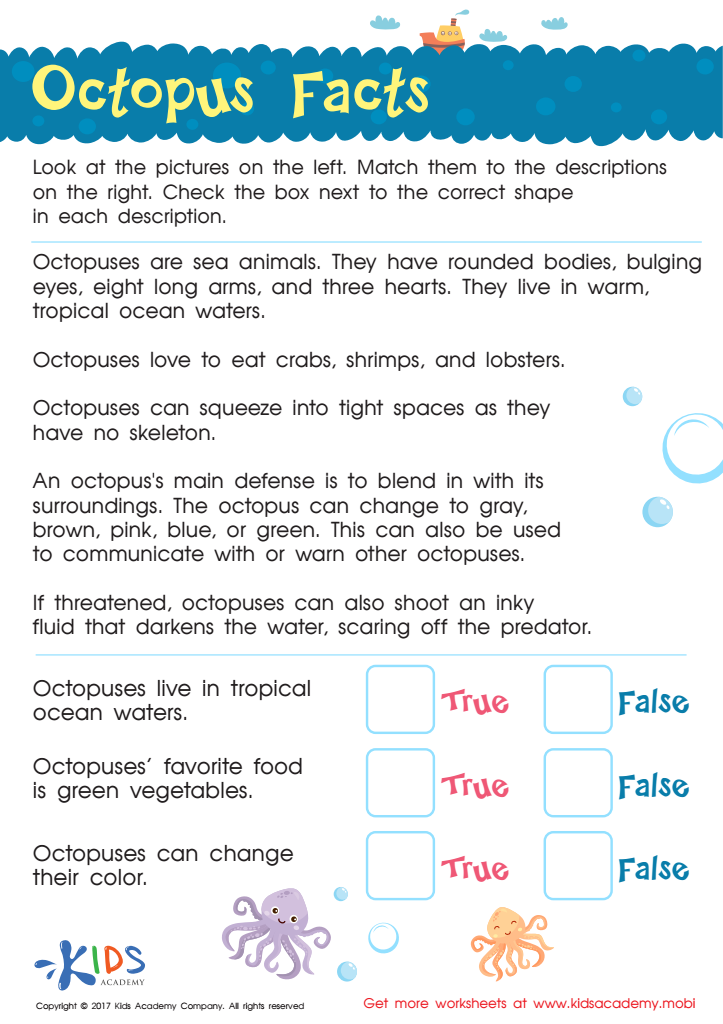
Octopus Facts Worksheet For Kids
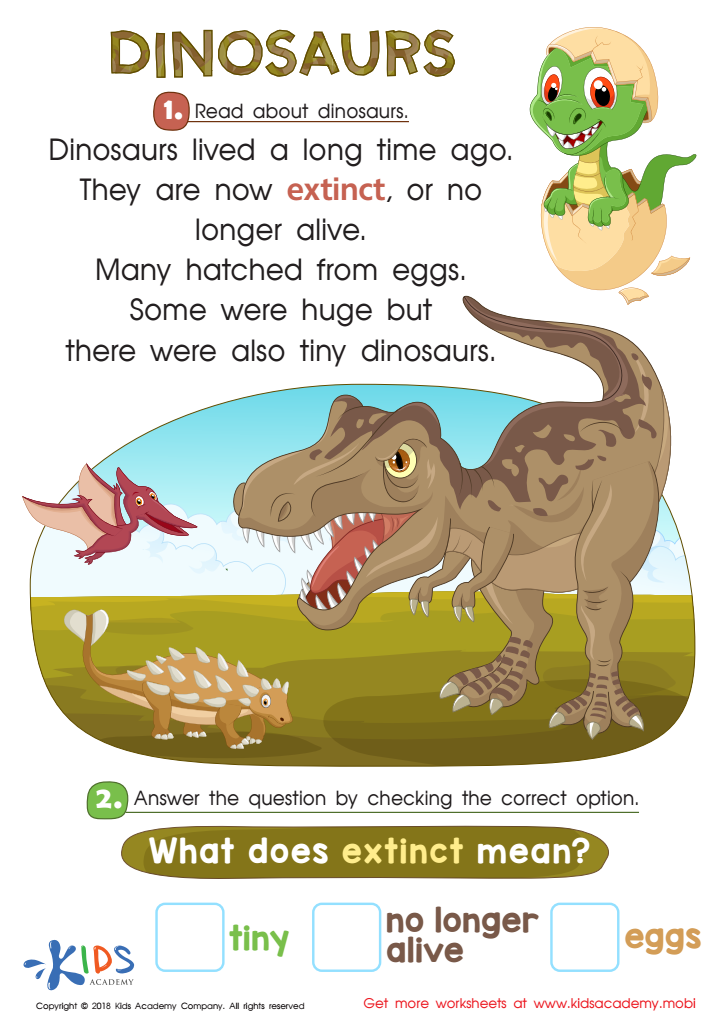
Dinosaurs Worksheet
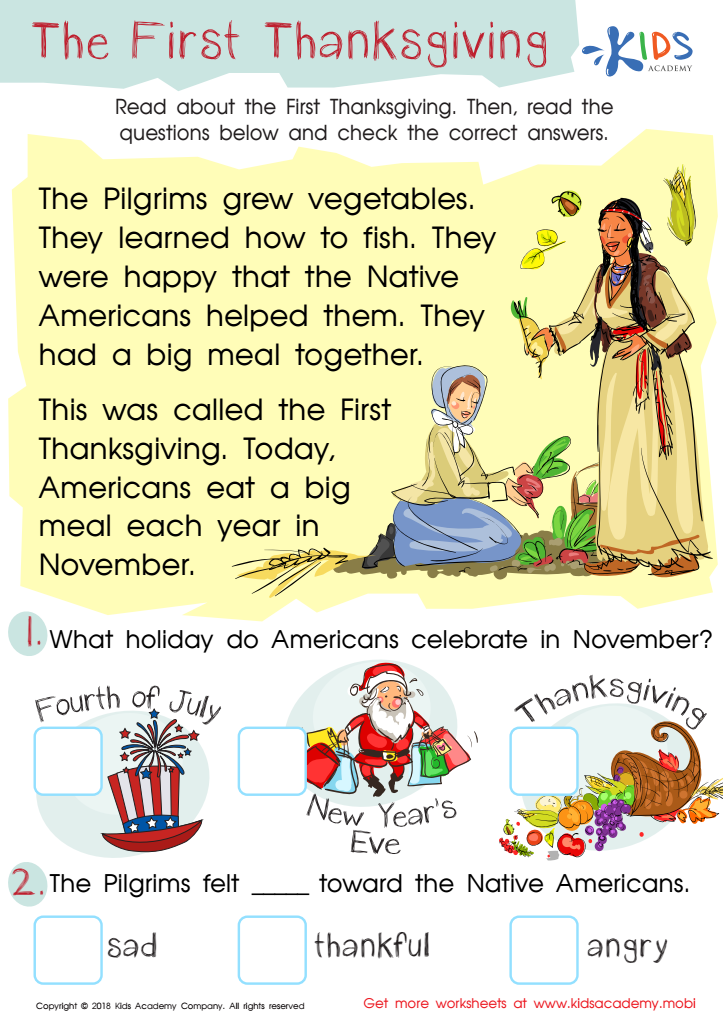
Assessment: First Thanksgiving Worksheet
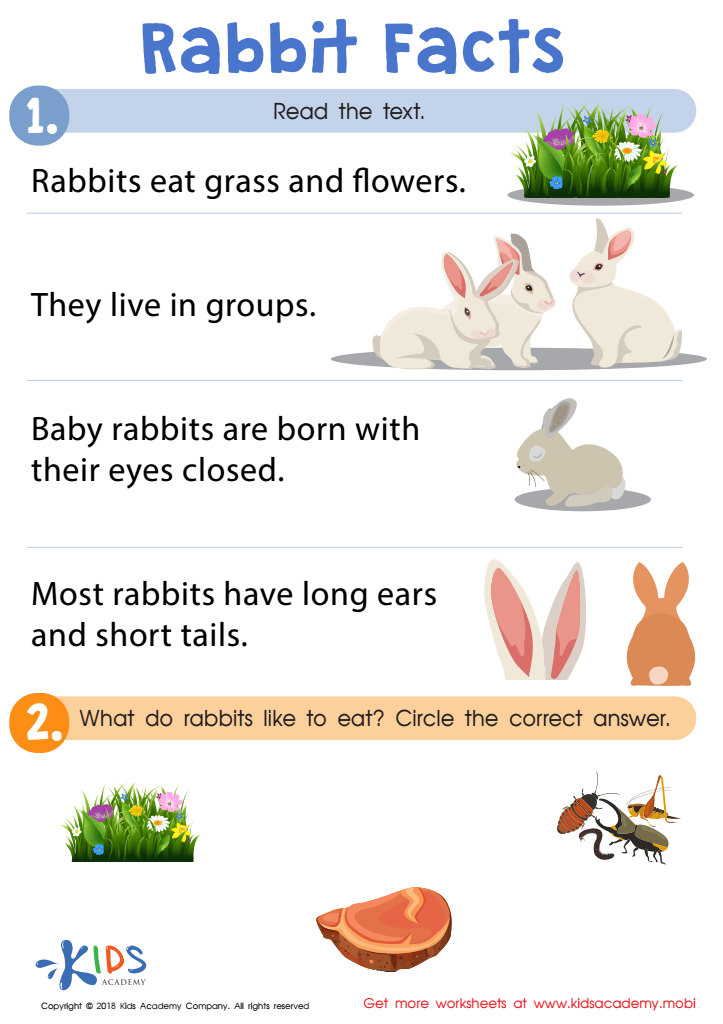
Rabbit Facts Worksheet







Understanding reading comprehension at an early age is crucial, especially in the context of normal reading non-fiction for children aged 7-9. This developmental stage is a critical window where foundational skills are solidified. Teaching reading comprehension ensures that children not only decode words but also grasp the meaning, context, and implications of the text. This comprehension extends beyond just understanding; it fuels curiosity, imagination, and a love for learning.
Non-fiction is particularly valuable as it exposes children to factual information about the world. Topics ranging from science and history to arts and culture broaden their horizons, develop critical thinking, and enhance vocabulary. Non-fiction texts challenge children to differentiate between fact and opinion, fostering analytical skills that are essential for academic success and everyday decision-making.
Both parents and teachers play a pivotal role in guiding children through this learning journey. By prioritizing reading comprehension, they can identify individual strengths and potential difficulties early on, providing targeted support. Engaged reading promotes confidence, academic achievement, and life-long literacy skills. Consequently, prioritizing and nurturing reading comprehension not only shapes competent readers but also knowledgeable, inquisitive young minds ready to navigate and understand their world effectively.